
AFRICA · EGYPT TRAVEL GUIDE
Egypt Travel Essentials: Packing, SIMs, Family Travel & Local Etiquette
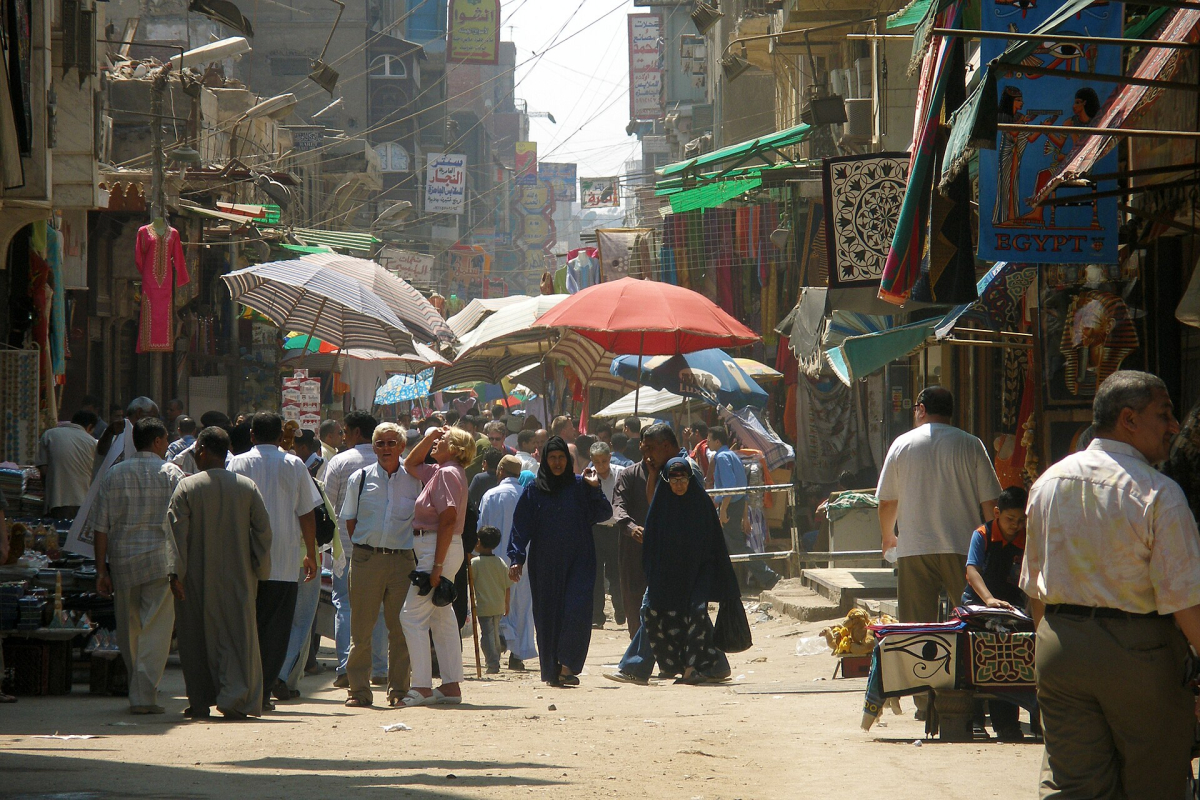
Egypt is easier to travel when the small practical decisions are made before each transfer. Keep your hotel address offline, arrange a way to make a voice call, carry useful small cash and choose clothing for both exposed archaeological sites and religious visits. This guide covers preparation, shopping, accessibility, family pacing and responsible travel. The separate Visa & Entry and Health & Safety guides cover admission and risk decisions in more detail.
A practical preparation checklist
Keep one offline folder containing hotel addresses, transfer contacts, tickets, insurance details and copies of travel documents. Store a backup separately from the phone you use each day. Share the essential itinerary with someone at home, especially before a remote excursion or multi-day boat journey. Carry documents securely and be ready for checks without leaving the only copy in a suitcase.
Pack for the itinerary rather than for one photograph of the destination. A Cairo city break, a Nile journey and a diving holiday need different shoes, luggage and laundry arrangements. Before a flight or cruise, ask about baggage storage and restrictions. Leave time after arrival to buy water, test connectivity and settle the next day's pickup rather than scheduling a fixed early tour immediately after a late flight.
SIM cards, eSIMs and reliable communication
Buy a local SIM from an official operator shop or an identifiable authorized outlet. Telecom Egypt's WE documentation requirements list a valid passport for foreign subscribers. Ask the staff to explain activation, validity, included data, ordinary calls and renewal before paying. Keep the receipt and test the line while assistance is available. Do not assume that a quoted price includes all applicable taxes.
A travel eSIM can be convenient if your phone supports it and is unlocked, but check whether the package provides data only. Messaging and internet maps do not necessarily give you a local number or ordinary emergency voice calling. Download the activation instructions before departure and keep a way to contact your hotel if airport Wi-Fi is unavailable. For cruises and remote roads, expect coverage to vary and download maps and tickets ahead of time.
What to pack and wear
Choose loose breathable clothing, sun protection, a reusable bottle where safe refill arrangements exist and comfortable footwear with a good grip. Ancient stone, sand and uneven paths are easier in secure shoes than flimsy sandals. A light layer is useful for cooler evenings, air-conditioned interiors and winter departures before sunrise. Pack essential medication and a change of clothing in hand baggage in case checked luggage is delayed.
Clothing suitable around a resort pool may not be suitable in a village, religious building or market. Carry a layer that covers shoulders and knees and follow local instructions about shoes or head coverings at places of worship. Ask before entering a prayer area, and give active services priority. Adapt the plan to the weather: additional covered sightseeing time is more valuable than carrying formal clothing you will never use.
Cash, cards and daily organization
Use Egyptian pounds for ordinary local spending where requested and keep a supply of smaller notes. Separate the money for the day's transport and entrance costs from your backup funds. Ask whether a quoted amount is per person, per vehicle or per boat and whether fees, taxes or waiting are included. A low headline price is difficult to compare until the unit and scope are clear.
Keep receipts for significant purchases and activities. Do not rely on one ATM or one card on the last evening before an early departure. If you plan to use a foreign card, let your bank's current travel and security guidance inform the setup, and have an alternative payment method. Use Travel Costs & Money to build a budget around your route rather than a generic daily figure.
Family travel and realistic days

Build each day around one main outing and a flexible second stop. An outdoor monument followed by lunch and a pool break can work better than three distant attractions. Give children a simple theme, such as finding a particular animal in a relief, instead of expecting them to absorb a full history lecture. Breaks, toilets and drinking water deserve a place in the plan before the family leaves the hotel.
Confirm room occupancy, bed arrangements and children's admission rules directly with the accommodation or venue. For transfers, request an appropriate child seat in advance and obtain confirmation that it will actually be supplied. Boats and snorkelling excursions need suitable lifejackets and a clear supervision plan. For pushchairs, ask about steps, surfaces and storage; a venue being family-friendly does not mean every route is easy with a buggy.
Accessibility: ask about the whole journey
Check access from the vehicle to the entrance, through the attraction and back again. A hotel room described as accessible does not settle the bathroom layout, lift size, restaurant access or pool approach. Request current photographs and measurements that match your needs. Tell a transfer company whether a wheelchair folds, whether you need to remain seated in it and how much assistance is required.
At archaeological sites, ask about uneven paving, steep gradients, sand, shaded rest points and distances from parking. A famous tomb interior may involve steps or narrow passages even when the visitor centre is accessible. At museums, check accessible entrances, toilets, seating and assistance arrangements. The National Museum of Egyptian Civilization provides an accessibility entry point, but confirm the practical facilities relevant to your visit. Avoid a plan dependent on carrying a visitor where no appropriate arrangement has been agreed.
Shopping: choose the object before the shop
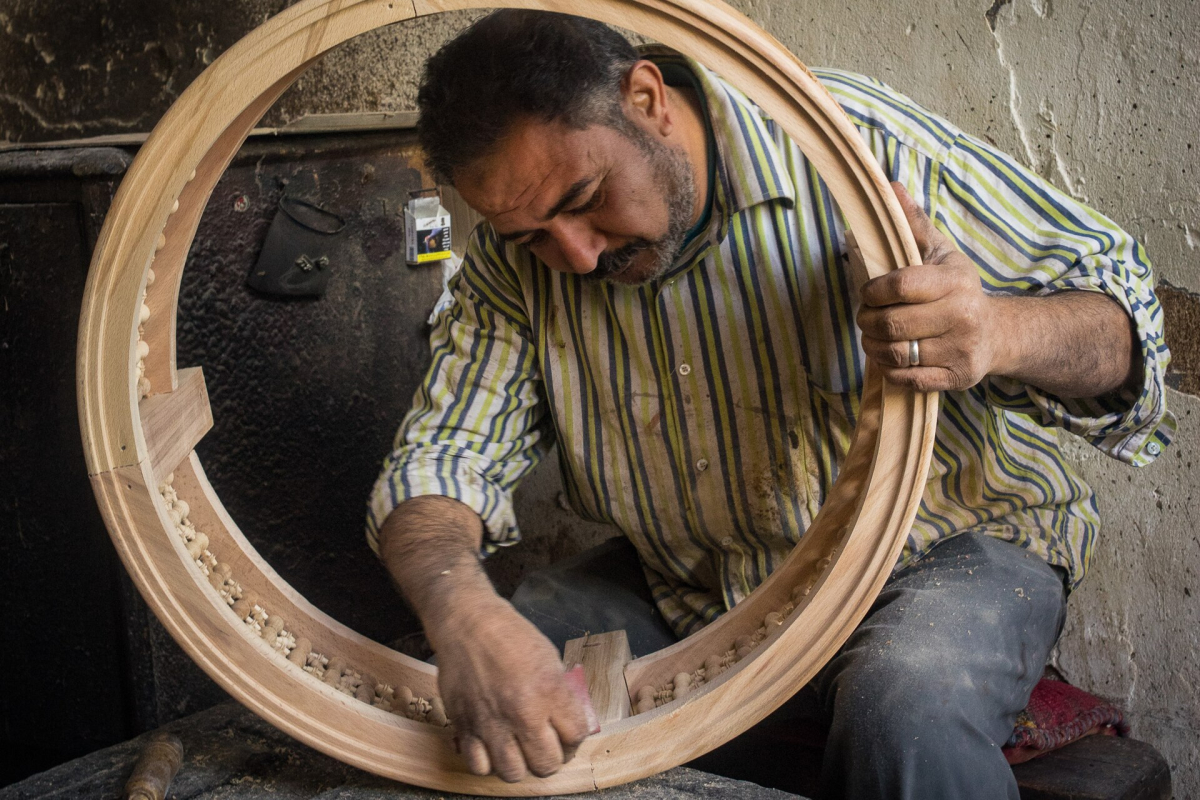
Decide what you want to buy and why: textiles, contemporary craft, food products and a small decorative souvenir require different checks. At Cairo's Tentmakers' Market, compare stitching, fabric and finishing rather than assuming that everything sold in the same street is handmade. In Aswan, ask who made an item and whether the money supports the maker. Buying fewer objects with a clear origin is often more satisfying than a bag of rushed purchases.
Before agreeing a price, confirm the currency, quantity, material and any delivery charge. Inspect the exact item you will take away. For jewellery, obtain a receipt describing the metal and weight from a reputable seller; do not treat a verbal claim as independent certification. Avoid antiquities and anything presented as a genuine archaeological find. Check your home country's rules before buying food, shells, coral, animal products or plant material, and leave protected natural materials where they belong.
Responsible travel: practical choices that matter
At monuments, keep to authorized routes and respect barriers, even when another visitor has stepped over them for a photograph. Do not climb, touch painted surfaces or remove fragments. Use the lighting and photography rules for the actual gallery or tomb; paying an admission fee does not grant permission to use flash or a tripod everywhere. Give other visitors space and avoid blocking a narrow entrance while arranging a picture.
For encounters with local people, ask before photographing and accept a refusal. A market is someone's workplace and a Nubian village is a living community. Choose visits that explain the activity, the host's involvement and any agreed payment before arrival. Do not distribute sweets or cash to children as a photographic exchange. Buying from an adult-run local business or paying a host fairly is a clearer way to contribute to the place you are visiting.
On the Red Sea, choose an operator that explains reef protection, controls group size sensibly and offers an environmental briefing. Keep fins, feet and hands away from coral. Do not chase, touch or feed marine animals, and do not collect shells or reef material. The CDWS Green Fins programme provides a useful starting point for evaluating environmental practices; confirm current participation and ask what the operator actually does on your trip.
Consider animal welfare before accepting a ride or a staged wildlife encounter. Decline situations involving obvious distress, poor handling or unsuitable loads. In desert and coastal settings, carry rubbish out and follow local disposal arrangements. Reuse towels when practical and use water carefully, especially where hotel comfort conceals the pressures of a dry environment. These are ordinary travel decisions that can be made without adding another excursion to the itinerary.
Support businesses you can assess: an identifiable guide, a restaurant that explains its menu and a shop that issues a clear receipt. A familiar international platform does not by itself establish the practices of every subcontractor. Ask concise questions, record the answers and choose an alternative when a seller cannot explain where you are going or who provides the service.
| Decision | Useful default | Check before committing |
|---|---|---|
| Connectivity | An official local line or compatible travel eSIM | Voice calls, activation, data limits and validity |
| Family outing | One main visit with planned breaks | Child admission, toilets and transport seats |
| Accessible visit | Confirm the complete route | Surfaces, steps, assistance and measurements |
| Souvenir | A clearly described item with a receipt | Material, maker and import restrictions |
Swipe or scroll the table horizontally on smaller screens.
Frequently asked questions
Do I need my passport to buy a local SIM in Egypt?
Official WE guidance lists a valid passport for foreign subscribers. Use an official operator outlet, check the plan conditions and test the service before leaving the shop.
Will a travel eSIM let me make ordinary phone calls?
Some travel eSIMs provide data only. Check whether a telephone number and voice calls are included, and arrange an alternative for contacting your accommodation or emergency services.
Is Egypt easy to visit with a wheelchair or pushchair?
Facilities vary substantially. Check each hotel, vehicle and attraction for the exact route, steps, surfaces, toilets and assistance rather than relying on a general accessible or family-friendly label.
What should I avoid buying as a souvenir?
Avoid antiquities, coral and protected wildlife products. Check import rules for food, plants and animal materials, and obtain a clear receipt for valuable purchases.



