
AFRICA · EGYPT TRAVEL GUIDE
Egypt Walking & National Parks: Wadis, Fossils & Mountain Routes
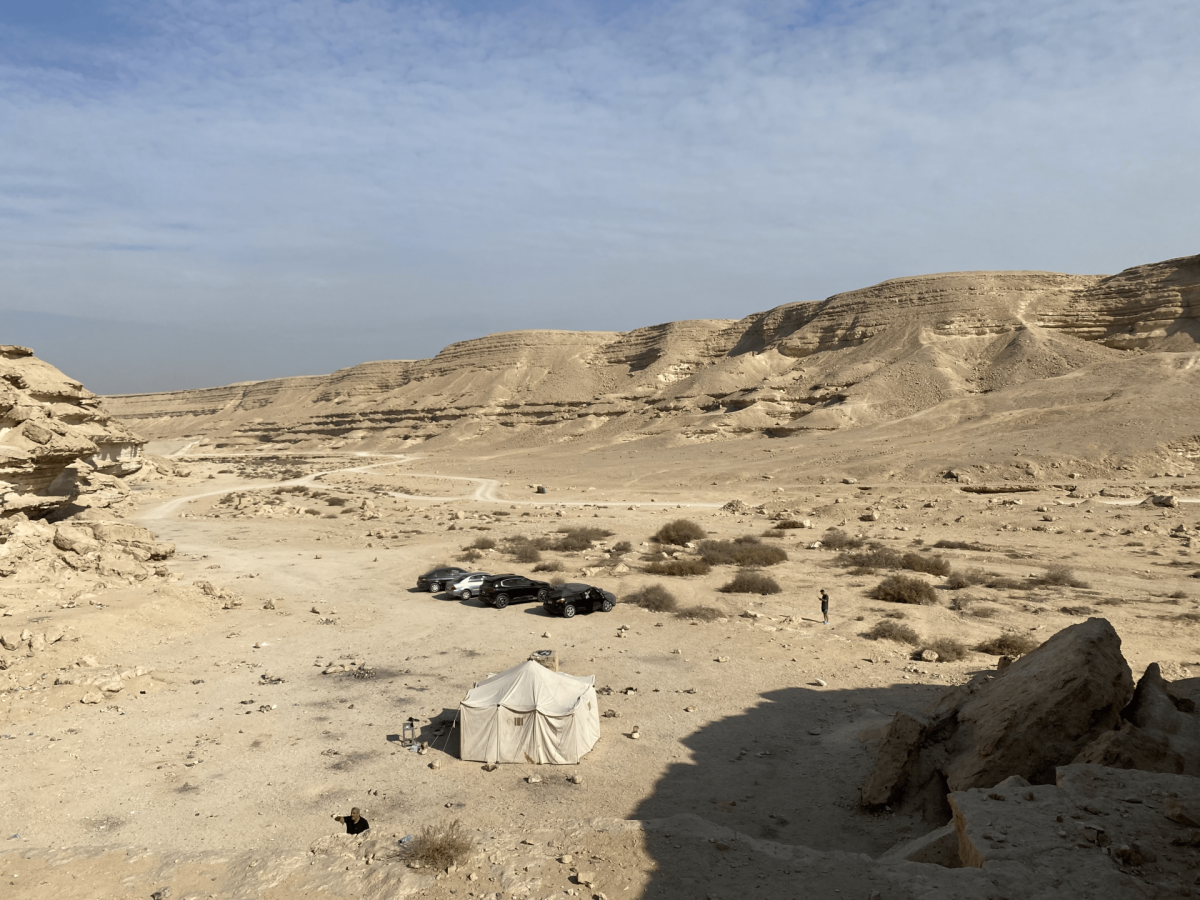
Egypt's natural landscapes include limestone wadis near Cairo, fossil country in Fayoum, the mountains of South Sinai and coastal desert in the southern Red Sea. These places offer a different kind of day from temples or a beach resort, but they need route-specific planning. A protected-area name is not a guarantee of unrestricted access, a marked hiking trail or facilities at every stop.
Choose the environment and level of effort first, then confirm access, transport, guide arrangements and weather. This guide focuses on land visits, walking and conservation. Use the separate beaches and diving information for marine activities, and read Health & Safety before booking remote travel. The regional advice and primary conservation sources below were checked on 30 October 2026.
Choose a nature trip that fits the route
A short walk near Cairo is a different commitment from a mountain ascent or an overnight desert excursion. Compare the drive, the amount of exposed walking and the quality of the return plan. For a family or mixed-ability group, a shorter route with interpretation and shade breaks may be more rewarding than an ambitious trek that leaves everyone watching the time.
Ask what the activity actually involves. A desert tour may consist mainly of driving between viewpoints, while a hike should specify the distance, surface, ascent and expected time on foot. Do not infer difficulty from an advertisement's description as easy. Check toilets, drinking water, seating and the point at which turning back becomes difficult. A useful operator should be able to explain those details before accepting payment.
| Area | Main interest | Planning priority |
|---|---|---|
| Wadi Degla | Limestone wadi near Cairo | Entrance arrangements, exposed walking and a return pickup |
| Wadi El-Rayan and Wadi Al-Hitan | Fayoum landscapes and whale fossils | Exact vehicle route, visitor facilities and fossil protection |
| Ras Mohamed by land | Coastal scenery, geology and mangrove context | A land itinerary with authorized stops |
| Saint Catherine area | Mountain walking and a sacred cultural landscape | Local guide, route conditions, cold and current regional advice |
| Wadi El-Gemal | Coastal desert, wadis and sensitive habitats | Licensed local guidance and permitted access |
| Western Desert excursions | Chalk landscapes and oasis routes | Exact travel-advice boundaries, permits, guide and insurance |
Swipe or scroll the table horizontally on smaller screens.
Wadi Degla: a wadi outing near Cairo
Wadi Degla offers a limestone landscape close enough to consider as a change of pace during a Cairo stay. The Egyptian Environmental Affairs Agency's protected-area descriptions identify its geological and ecological character. Think of the visit as time in an exposed wadi rather than as a shaded city park with cafés and services along every path.
Confirm the current entrance and visitor arrangements, decide the turnaround point and organize the return pickup before setting out. Carry water, sun protection and footwear suitable for uneven ground. Keep the walk within the daylight and conditions you have planned; proximity to the city does not make it sensible to wander into side valleys without navigation. Leave rocks and fossils undisturbed and keep a quiet distance from any wildlife.
Fayoum, Wadi El-Rayan and Wadi Al-Hitan
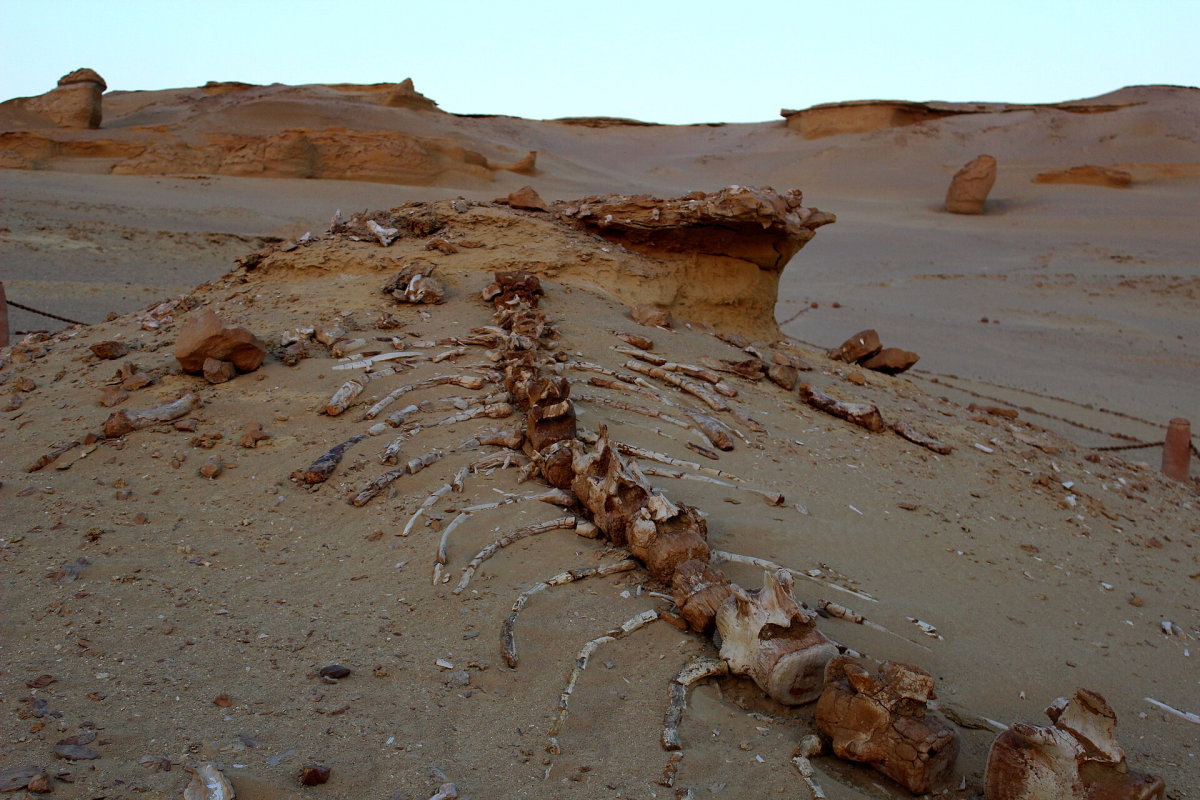
Fayoum can combine landscape, village interests and protected-area interpretation, but avoid treating every stop as part of one short excursion. Wadi El-Rayan and Wadi Al-Hitan are related geographically while offering different experiences. The latter is a fossil landscape of exceptional scientific importance. UNESCO's Wadi Al-Hitan listing explains its evidence for the transition of early whales from land to sea and its setting within the wider Wadi El-Rayan Protected Area.
Book a route that states which visitor areas you will reach and what vehicle is appropriate for the current access road. Ask about time on foot, facilities and the return to your accommodation. At the fossil sites, follow the designated paths and barriers; never pick up a fragment, move a specimen for a photograph or accept a fossil offered for sale. The value of the landscape lies partly in evidence remaining in its proper context.
Ras Mohamed by land
Ras Mohamed is often sold through snorkelling and diving imagery, but a land visit can focus on the meeting of desert and coast, geological features and mangrove habitat. Tell the provider explicitly that you want the land itinerary and ask which authorized stops it includes. A boat trip advertised under the same park name does not deliver the same experience.
Check shade, walking surfaces and the amount of time spent outside the vehicle. Keep to approved viewpoints and routes, and leave shells, coral, stones and vegetation in place. Coastal edges and sensitive habitat are not places to improvise a shortcut for a better photograph. If swimming is added, assess it separately for conditions, supervision and your ability; being inside a national park does not make every shoreline suitable for entering the water.
Saint Catherine: mountains and a living sacred landscape
The UNESCO Saint Catherine Area listing describes a mountain landscape with religious and archaeological significance around the monastery and Jebel Musa. A visit to a monastery and an ascent of a mountain are separate plans. Confirm access to each rather than assuming that booking one includes the other, and respect worship, restricted areas and local instructions.
For walking, arrange an authorized local guide and discuss the route honestly against your fitness. A night ascent adds darkness, cold, uneven footing and fatigue to the physical effort. Take warm layers and suitable footwear, and ask about weather, lighting, rest stops and the turnaround plan. Sunrise is not a reason to continue if the group cannot do so safely. Recheck current regional advice for the route into the area as well as the walk itself.
Wadi El-Gemal: coastal desert in the southern Red Sea
Wadi El-Gemal–Hamata protects an extensive landscape where desert wadis, mountains and coastal habitats meet. It is a useful option for travellers who want to understand the environment beyond a resort beach. Choose a licensed local provider who can explain which areas are open, who guides the visit and how the programme supports the host community.
Do not treat a large protected-area outline as an invitation to drive anywhere within it. Ask for the day's route, duration, vehicle, water supply and permissions. Keep clear of sensitive vegetation, nesting areas and wildlife, and follow the guide's instructions about stops. A coastal stop should fit conservation rules rather than being selected solely for the most dramatic photograph. Leave enough time for the return to your actual hotel, which may be far from the town named in its marketing.
Western Desert access needs an exact check
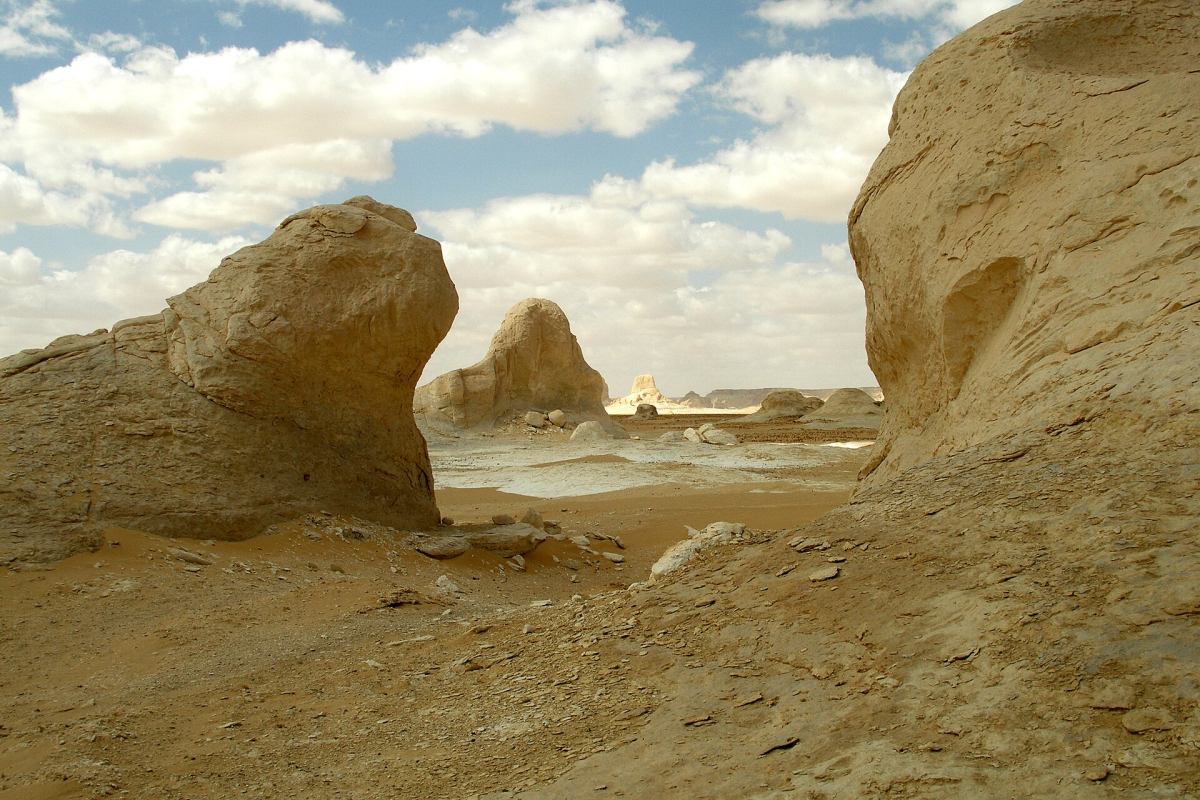
White Desert photographs are compelling, but an advertised tour is not proof that every route is appropriate or insured. The current UK regional guidance has warnings across broad Western Desert areas with specified exceptions and access corridors. It also requires advance permits and an official guide for certain areas. Read the full current wording and your own government's advice instead of applying a single safe or unsafe label to the whole region.
Ask the operator for the exact roads and overnight locations, permits, guide credentials, communication plan and emergency support. Check these against your insurer's coverage. The Bahariya–Siwa road must not be presented as a simple tourist link because two oasis names appear on the itinerary; current UK guidance describes that road as closed and restricted. If the route or permission cannot be confirmed, choose another nature outing rather than relying on a promised solution at a checkpoint.
Prepare for exposure, remoteness and changing conditions
Carry more than a phone with an online map. Agree the route and return time, download relevant information, carry water and food appropriate to the day and ensure someone knows where you are going. Ask whether reception is available and how the guide communicates if it is not. A remote trip should have a clear emergency plan before the vehicle leaves the main road.
Heat, wind, cold nights and difficult surfaces can change the effort required. Keep a flexible turnaround time and leave spare daylight. For children or visitors with mobility needs, ask for current photographs and concrete distances, steps and surfaces. Do not assume that a four-wheel-drive vehicle solves access after you get out. Pack out waste, avoid disturbing wildlife and pay for local knowledge that helps keep the visit within permitted and appropriate routes.
Frequently asked questions
Is a Western Desert tour automatically safe to book?
No. Check the exact route against current official travel advice and your insurance, and confirm permits, an official guide and emergency arrangements. Commercial availability does not override restrictions.
Are Wadi El-Rayan and Wadi Al-Hitan the same visit?
They are related parts of the wider Fayoum protected landscape, but the stops and experiences differ. Confirm which visitor areas the itinerary includes and allow time for the fossil interpretation at Wadi Al-Hitan.
Can I visit Ras Mohamed without taking a dive boat?
A land itinerary can focus on coastal scenery, geology and permitted viewpoints. Ask the provider for the actual land route, facilities and authorized stops before booking.
What should I prepare for a Saint Catherine mountain walk?
Arrange an authorized local guide, check the route and regional advice, and plan for uneven ground, cold and darkness if relevant. Confirm fitness requirements, equipment and the turnaround plan.



