
AFRICA · EGYPT TRAVEL GUIDE
Egypt History & Culture: Ancient Sites and Museum Choices
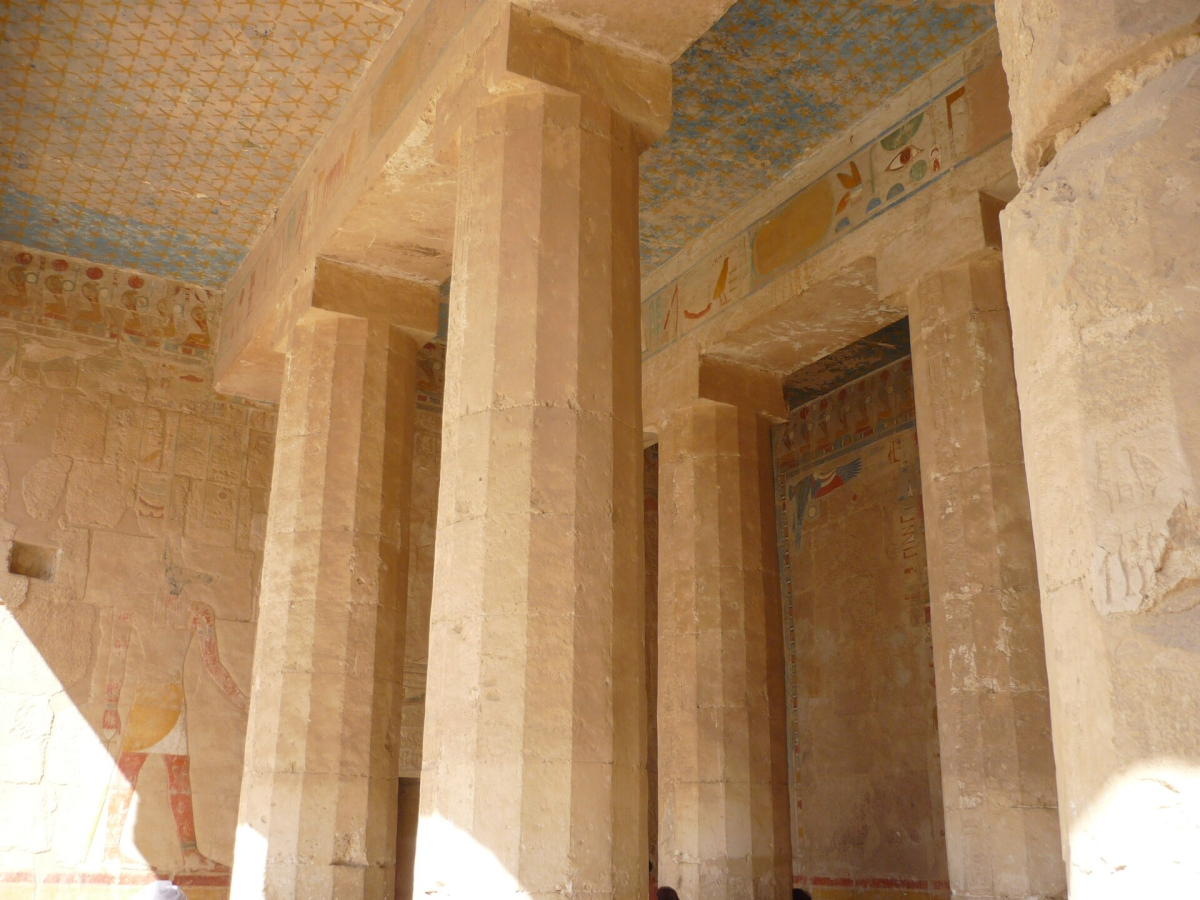
Egypt’s most recognisable images can make its past look like a single moment: pyramids, monumental kings and painted tombs. In reality, those places belong to different periods, regions and purposes. Later Greek, Roman, Christian and Islamic layers, together with living Nubian and contemporary Egyptian cultures, are essential to understanding the country you visit today.
Use this guide to give the journey context and choose the museums that answer your interests. It complements Things to Do, which helps select the visits themselves. A smaller number of well-understood places can be more rewarding than a list of famous names seen without time to notice the differences.
The Nile: Geography Behind the History
The river helps explain the pattern of settlement, cultivation and travel through Egypt. “Upper” Egypt refers to the southern, upstream part of the country; “Lower” Egypt refers to the northern Delta. The terms can appear reversed if you read them only as positions on a map. Cairo, Luxor and Aswan therefore create a north-to-south journey through different historical landscapes.
Look for the relationship between a monument, the cultivated land and the desert edge. A temple, royal tomb and urban neighbourhood were not interchangeable spaces. Their surviving remains reveal different activities and ideas. Map & Regions helps connect those landscapes without turning a modern transport route into a claim that every period followed the same political geography.
Memphis and the Pyramid Fields
The Giza pyramids are part of a wider archaeological landscape connected with Memphis and its necropolis. UNESCO’s World Heritage property extends through pyramid fields that include Saqqara and Dahshur. Seeing that broader context helps explain why one pyramid photograph cannot stand for the whole story of royal burial, construction and religious practice.
If pyramid development is your interest, compare sites and their interpretation rather than collecting identical viewpoints. Ask a guide to distinguish a pyramid, a mastaba, a temple and the surrounding cemetery, and to identify what is known from evidence. You do not need to memorise every ruler to notice changes in form and setting. A museum visit can add the objects and inscriptions that are less visible in an outdoor panorama.
Thebes and the Royal Landscapes around Luxor
Ancient Thebes, represented by the Luxor area today, was a major religious and political centre. Its East Bank temples and West Bank necropolises form a connected landscape, but they served different purposes. Karnak and Luxor Temple should not be understood as simply larger versions of the royal tombs across the river.
In a temple, pay attention to the route through courtyards, halls and more restricted spaces, and to the way later rulers added to existing buildings. In a tomb, the scale, decoration and conservation needs create a different encounter. A thoughtful visit asks what the images were meant to do, not only whether they make a strong photograph. Site access and the particular interiors open to visitors can change, so separate historical context from current admission arrangements.
Aswan, Nubia and the Story of Conservation
Aswan connects the Nile Valley with a southern cultural landscape that deserves more than a brief excursion label. Nubian history and living culture should not be reduced to a colourful house facade or a staged photograph. Choose an experience that gives people control over how their place and work are presented, ask before photographing individuals, and treat a neighbourhood as a lived environment.
Abu Simbel and Philae also introduce a major modern conservation story. Their rescue from rising waters formed part of an international campaign associated with UNESCO. The monuments visitors encounter are therefore evidence of ancient building and of later decisions about preservation. Ask how the site was moved and interpreted, while distinguishing that history from the everyday lives of communities affected by changes in the region.
Greek, Roman, Christian and Islamic Layers
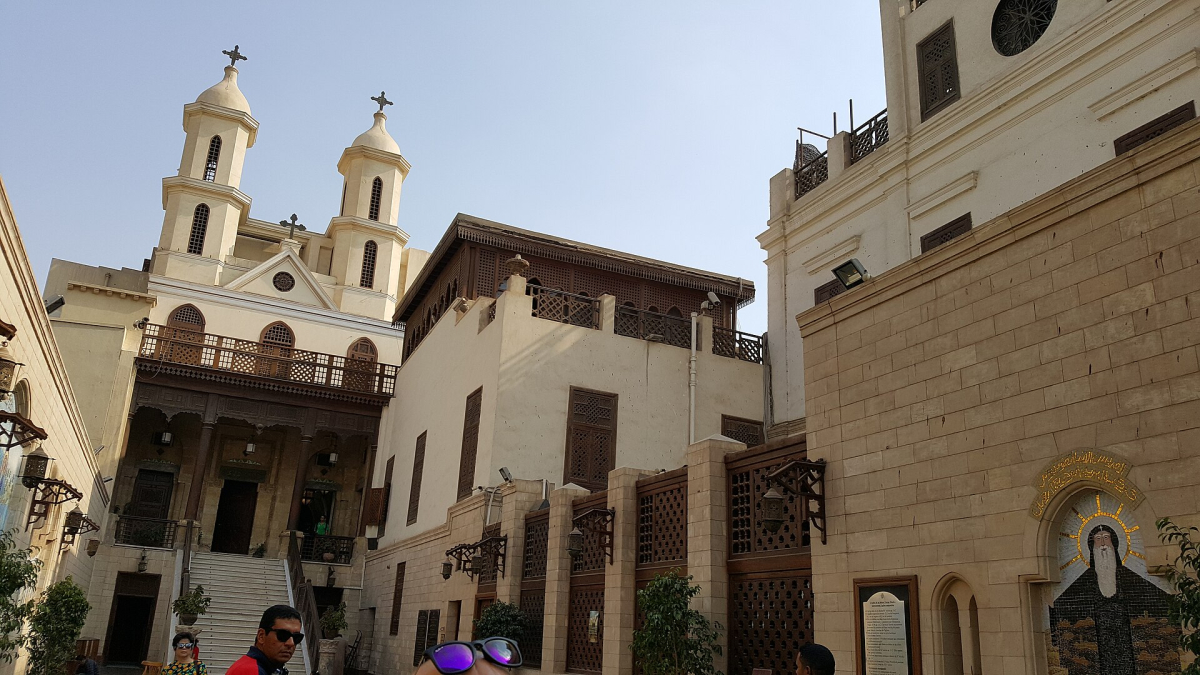
A visit to Alexandria can broaden a Nile-and-pyramid itinerary toward Egypt’s Mediterranean connections and later ancient history. In the south, monuments can also contain work from different periods rather than belonging to one isolated pharaonic moment. Read a site label’s date and patron instead of assuming that every hieroglyphic image was made at the same time.
Christian heritage and Islamic Cairo add different forms of worship, learning, architecture and community life. Historic Cairo is a living urban landscape as well as a World Heritage property: mosques, streets, craft areas and domestic spaces exist within a working city. Religious buildings are not only visitor attractions. Follow the current entry instructions and respect worship, dress requirements and areas that are closed to sightseeing.
A history-focused trip benefits from this variety. Combine one major archaeological landscape with a museum and a carefully chosen urban or religious visit rather than making every day a similar temple circuit. The independent Cairo Travel Guide gives the city context; the country guide does not relocate or duplicate that existing coverage.
Which Egyptian Museum Should You Choose?
The Grand Egyptian Museum, the Egyptian Museum in Tahrir and the National Museum of Egyptian Civilization are separate institutions with different locations and emphases. Older articles can mislead readers by using “the Egyptian Museum” loosely or describing collections that have moved. Choose using current institutional information, then verify the actual displays and ticket conditions.
On a small screen, swipe or scroll the table sideways to compare all columns.
| Museum | Choose it for | Planning distinction |
|---|---|---|
| Grand Egyptian Museum (GEM), Giza | Major ancient-Egypt collections, including the currently listed Tutankhamun Galleries and Khufu’s Boats Museum. | A Giza-area visit with its own official ticket and substantial collection. |
| Egyptian Museum, Tahrir | A historic museum setting and its continuing collection of Egyptian antiquities. | Central Cairo institution; do not copy an old Tutankhamun display description. |
| National Museum of Egyptian Civilization (NMEC) | A broad view of Egyptian civilization, with the Royal Mummies Gallery as a distinct focus. | Different interpretive purpose and location from GEM and Tahrir. |
| Regional museums | Objects and interpretation connected with the region you are visiting. | Choose the collection that adds context to your actual route. |
Grand Egyptian Museum: Plan a Deliberate Visit
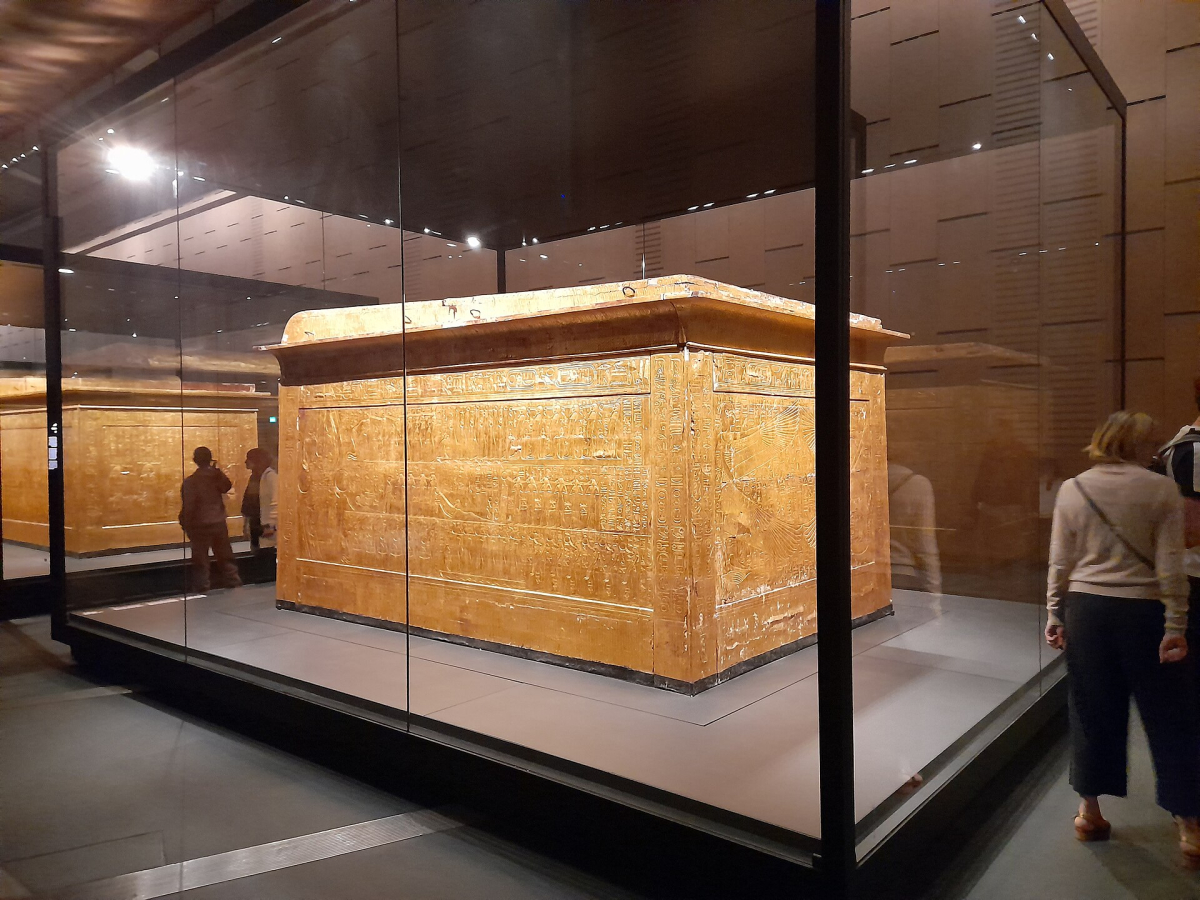
The official GEM ticketing site currently lists access to the Tutankhamun Galleries, Main Galleries, Grand Hall, Grand Stairs and Khufu’s Boats Museum, along with other complex areas. That current list is more useful than an old “partially open” description. Check it again when booking, because access, ticket products and exceptional closures can change.
Decide what you most want to understand before entering. A large collection is easier to appreciate with a few themes and breaks than by trying to inspect every object. If joining a guided product, check the language, duration and whether the booking includes museum admission. Leave enough travel time to the actual Giza location rather than assuming it is a quick central-Cairo stop.
The Egyptian Museum in Tahrir
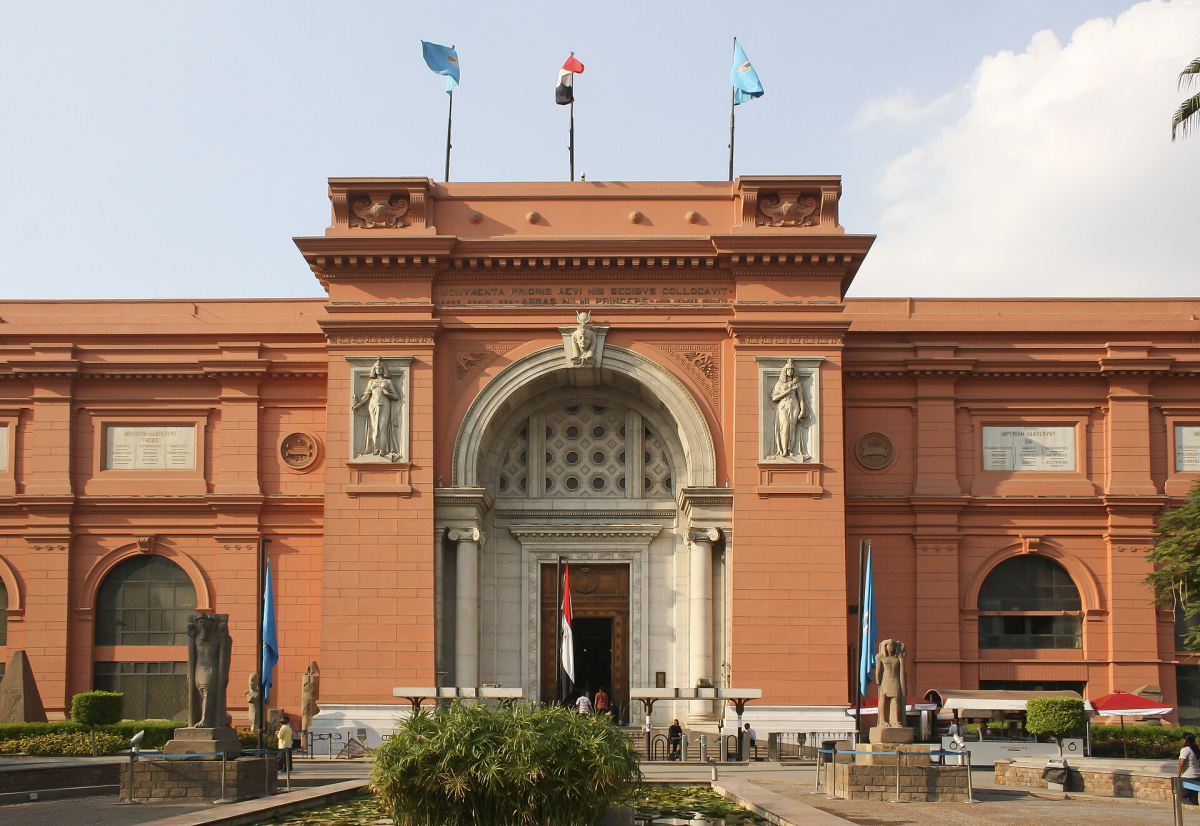
Tahrir’s Egyptian Museum remains a separate museum choice. The Ministry of Tourism and Antiquities describes important holdings including the Narmer Palette, material from Tanis and the burials of Yuya and Thuya. Treat the current institution’s information as the starting point for a collection plan, rather than assuming that every object mentioned in an older guide remains on display.
The building and the history of collecting are part of the experience, but they do not replace attention to the objects themselves. Ask for a focused route if your time is limited. Keep this museum distinct in bookings and directions; the name alone can create confusion with GEM.
NMEC and Regional Collections
NMEC presents Egyptian civilization across periods and includes the Royal Mummies Gallery. It can suit a reader who wants continuity and change, with human lives and practices alongside monumental art. Confirm the current gallery and photography rules before visiting; the presence of human remains requires thoughtful conduct as well as compliance with signs.
A regional museum may be the more useful next choice when it explains the place you are already exploring. Consider what it adds to your Luxor or Aswan visit rather than assuming that another Cairo museum is always the priority. Check the institution’s actual open galleries, location and time requirement before adding it to a transfer day.
Make Room for Living Culture
Modern Egypt includes literature, film, music, visual arts, food and ordinary social life. A meal, current exhibition or performance can keep the journey connected to the country as it is lived now. Choose a real venue and current programme rather than treating a hotel entertainment label as a complete account of local culture.
Food & Drink and Festivals & Events provide useful starting points. Respect religious calendars and the routines of people around you. Ask before photographing a close portrait or a craftsperson at work, and do not obstruct a shop entrance or a place of worship for an image.
Visit with Context and Respect
Choose a guide who can explain the evidence, the periods and the purpose of the places you will see. A good question is often more useful than another stop: why is a tomb on this bank, what changed when the monument was restored, or which object connects the museum with tomorrow’s visit? Keep speculation separate from established interpretation.
Follow barriers and staff instructions, avoid touching decorated surfaces and leave archaeological material where it is. A purchased ticket does not permit every interior, tripod, flash or commercial shoot. Check current rules and keep conservation ahead of a desired photograph. The Photos & Photo Spots guide covers the practical image-making decisions.
Official Historical and Museum Sources
Historical context and current museum references checked on 30 October 2026. Recheck displayed collections, admissions and photography conditions before visiting.
- UNESCO: Memphis and its necropolis
- UNESCO: Ancient Thebes
- UNESCO: Nubian monuments
- UNESCO: Historic Cairo
- GEM: official access and tickets
- Ministry: Egyptian Museum
- National Museum of Egyptian Civilization
Frequently asked questions
Are GEM and the Egyptian Museum in Tahrir the same place?
No. GEM is in the Giza area; the Egyptian Museum in Tahrir is a separate central-Cairo institution. Check the full museum name and address in a ticket or tour booking.
Where should I check the current Tutankhamun collection access?
Use the official GEM ticketing website, which currently lists the Tutankhamun Galleries in its visit access. Recheck the current product and any exceptional restrictions before booking; older Tahrir descriptions can be outdated.
What makes NMEC different?
NMEC interprets Egyptian civilization across periods and includes the Royal Mummies Gallery. It offers a different perspective from an itinerary focused only on pharaonic monumental art.
Do I need a separate museum day in every city?
Choose collections that add understanding to your route. One well-planned museum visit can be more useful than several rushed ones; confirm location, open galleries and the time available before adding another.



