
EGYPT · CAIRO GUIDE
Giza Pyramid Panorama Photos: Layers, Spacing & Scale
A group photograph of Giza’s pyramids is a different task from studying one pyramid close up. The most useful panorama explains their relationship across the plateau. This guide concentrates on separation, scale and the desert foreground; the individual Khufu and Khafre pages cover their own architectural details.
Separate the Pyramids before Widening the Frame
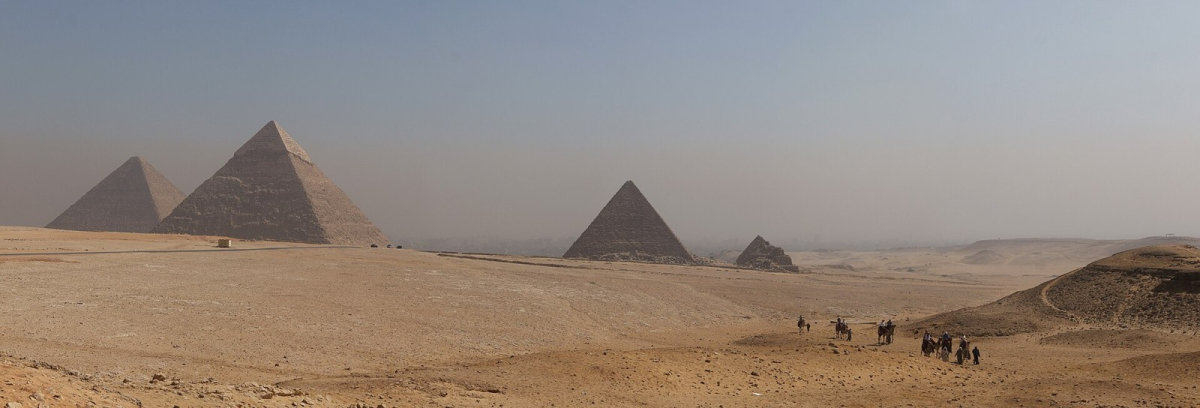
Begin by checking where the main outlines overlap. Within an authorised visitor area, a small change of position can alter whether one pyramid hides another. Decide which silhouettes you need to separate, then choose the frame around them. Making the picture wider does not automatically solve an overlap created by the viewpoint.
Look at the spaces between the monuments as well as the monuments themselves. Clear gaps can make the group readable even in a relatively simple photograph. Do not assume a labelled panorama stop is the only possible composition, and do not cross a barrier or leave a permitted route to imitate a published image.
Give the Desert Ground a Purpose
Foreground can show the scale and setting, but a large empty strip may add little. Try one frame with more terrain and another that gives the pyramids greater emphasis. A visible smaller pyramid or path should contribute to the relationship between the forms rather than accidentally obscure the main subject. The goal is a deliberate arrangement, not the largest possible count of monuments.
People or animals in a scene can change its scale and mood. Do not stage strangers, assume an animal ride is part of site entry, or accept a photo service without agreeing what it costs. Avoid close identifiable portraits without consent. A panorama can be strong without treating other visitors or workers as props.
Match the Panorama to the Actual Visit Window
Different light reveals different faces, and haze can merge distant outlines. Work with the conditions that exist during permitted access rather than building the whole plan around a sunrise or sunset image. If the light is flat, clean spacing and a simpler composition may matter more than dramatic colour. A photograph taken on another date is not a guarantee of the same visibility.
Use the Ministry’s plateau overview and official booking for current site context and admission categories. Keep your return to the agreed pickup point within the visit plan. This photographic sequence is part of a Giza visit, not a short walk from Downtown Cairo or an automatic add-on after a full day at GEM.
Frequently Asked Questions
Do I need a stitched panorama?
No. Panorama here means a broad group view. A single well-composed frame can explain the arrangement without specialist equipment or stitching.
Why do the pyramids overlap differently in different photographs?
The viewing direction and distance change their apparent spacing. Find a permitted position that separates the outlines you want rather than assuming all group views use one viewpoint.
Can I copy a sunset image during a normal visit?
Only if your actual opening window, permitted location and conditions allow it. A published image does not establish current access at its time of day.

