AUSTRIA · VIENNA GUIDE
Vienna Travel Guide

Vienna rewards a selective plan. The historic centre is compact enough for a slow walk, but Schönbrunn, the Belvedere and the Danube belong to different parts of the city. Give each full day one main commitment, then leave room for a coffeehouse, a neighbourhood meal and a place to sit. Three full sightseeing days make a useful first visit; five let you add specialist museums, green space or a day outside Vienna.
The city is Austria’s capital, with imperial architecture around the Ringstrasse, experimental design around Neubau and a living musical culture that extends beyond souvenir concerts. You do not need to love opera to enjoy it. Choose the experiences that interest you, rather than booking every famous interior. This guide connects the decisions—when to come, where to sleep, how to arrive and what to reserve—to the detailed Vienna pages.
Vienna at a Glance
| Decision | Useful starting point | What to check |
|---|---|---|
| Length | Three full days, or four–five at a gentler pace | Arrival and departure days provide less usable time |
| Base | Innere Stadt for central walking; Wieden or Neubau for neighbourhood life | The actual route from station to hotel, with luggage |
| Timing | Spring or autumn for extended walking | Events, garden seasons and likely daylight |
| Transport | Walk within an area; use the U-Bahn or tram between areas | Core-zone validity and live service changes |
| Money | Euro (€); quote accommodation separately from daily spending | Room occupancy, taxes, cancellation terms and admissions |
| Airport | Vienna International Airport, code VIE | Rail works through October 2027 alter the usual CAT/S7 journey |
What to Do in Vienna
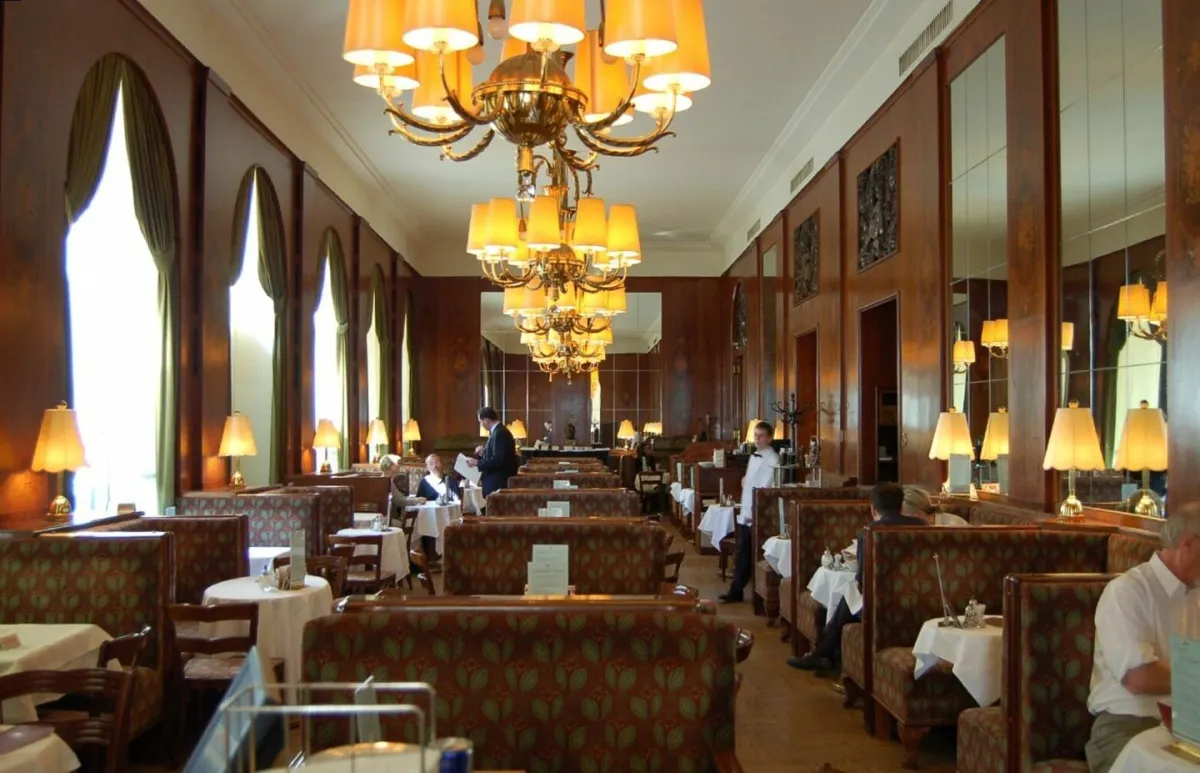
Decide which version of Vienna you want to spend time with. For imperial rooms, choose Schönbrunn or a Hofburg collection. For painting, compare the Kunsthistorisches Museum’s older collections with the Belvedere’s Austrian art and the Albertina’s changing programme. For a city experience, make time for a coffeehouse, a performance or a walk through a district beyond the first.
Attractions compares individual sights and their booking decisions; Things to Do focuses on experiences, family choices and outdoor breaks. They serve different jobs. A short first visit can combine one palace with one substantial art museum. A second palace is a choice, rather than a requirement.
How Many Days in Vienna?
| Time | A realistic emphasis | Useful compromise |
|---|---|---|
| One day | Historic centre, a chosen interior and a coffeehouse | Keep Schönbrunn for a return visit unless it is your priority |
| Two days | One central day plus Schönbrunn or an art-focused day | Choose between two major interiors rather than rushing both |
| Three days | Centre, Schönbrunn and a separate art/neighbourhood day | Leave an evening free for music or an unhurried dinner |
| Four–five days | Add the Danube, specialist museums or one day trip | Keep a weather alternative for outdoor plans |
The one-, two-, three- and five-day itineraries show how to group places without repeatedly crossing the city. Set aside a proper meal break and count the walk from the station to the entrance. A museum ticket time is not the time you should leave your hotel.
When to Visit
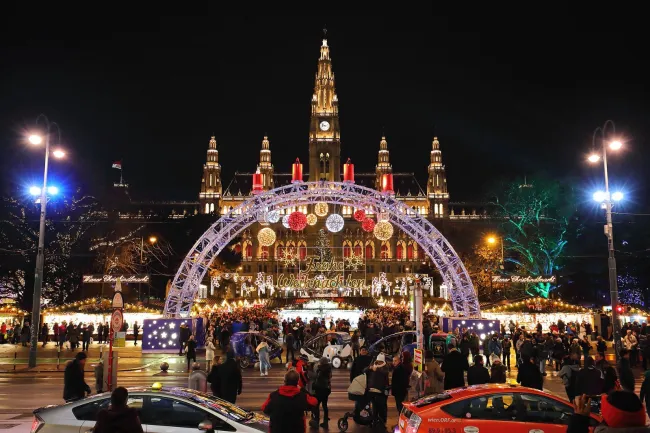
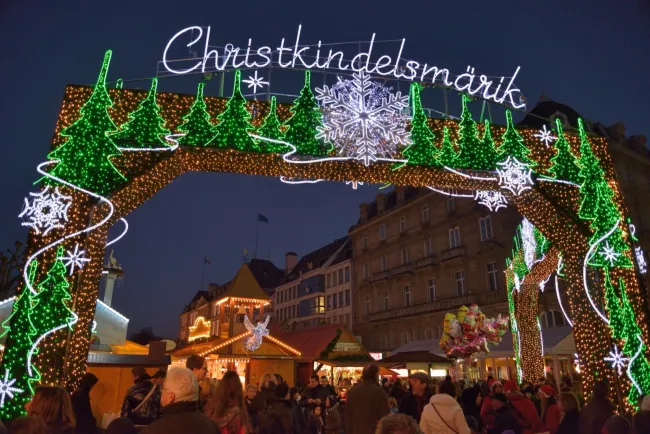
Spring brings longer days and renewed garden visits; autumn suits museum-and-walking combinations. Summer offers outdoor evenings and swimming options, but hot afternoons require shade and breaks. Winter concentrates the trip on interiors, concerts and, when operating, seasonal markets. A Christmas-market trip and a quiet January museum break are different choices.
Use Best Time to Visit for the trade-offs and Festivals & Events for date-sensitive plans. Do not choose an entire trip around an unconfirmed annual event. Popular performances and major weekends can affect both tickets and room quotes.
Where to Stay
Innere Stadt puts central landmarks close by, at a price that can be worthwhile for a short stay. Wieden is useful for Karlsplatz and the Belvedere side; Neubau and Mariahilf offer independent shops and evening dining. Leopoldstadt suits travellers who want the Prater, markets and access toward the Danube. The Hauptbahnhof area can simplify rail arrival, but it is a different evening setting from the historic centre.
Where to Stay compares districts and longer stays. Hotels compares named properties and room-selection questions. Choose the area before the hotel, and confirm the actual entrance route if stairs, a stroller or wheelchair access matter.
Getting to and Around Vienna
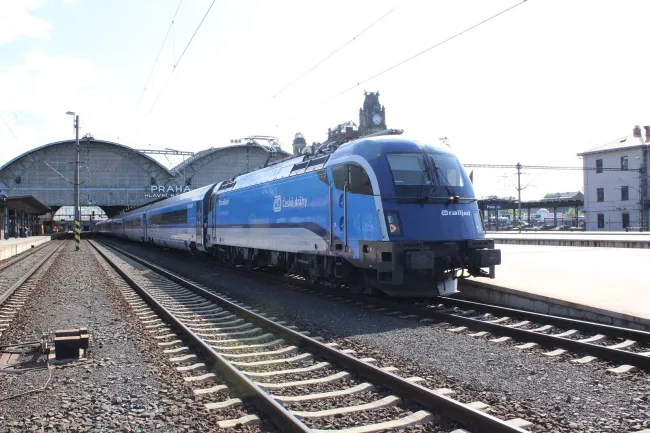
Vienna Airport is outside the city’s core fare zone. A standard city ticket does not automatically cover the entire airport journey. During the current 2026–27 rail works, check the Airports & Transfers guide before choosing a connection; the familiar 16-minute CAT train description does not describe the current replacement bus operation.
For daily travel, Getting Around explains ticket types, validation and the choice between walking, trams and the U-Bahn. Check your complete journey with ÖBB or Wiener Linien shortly before travelling. Renting a car is rarely the most convenient default for a city-only stay.

Costs and Practical Essentials
Build your total from a real room quote, transport, meals and the admissions you will actually use. A city discount card is different from an admission pass or a plain transport ticket. The Travel Costs & Money guide separates published fares from illustrative budgets and offers a city-card comparison method.
Check Visa & Entry for the official Austrian and EU sources that apply to your nationality and travel history. The same page covers safety and accessibility, toilets and local support. For everyday details such as power, language and Sunday shopping, use Travel Essentials & Fast Facts.
Photography and Responsible Visits
Combine a formal architectural view with a street, water or neighbourhood scene. Vienna’s museums, worship spaces and palace grounds have different photography rules; public entry does not mean unrestricted commercial use. Photos & Photo Spots provides two manageable walking plans and links to focused location guides.
Keep tram tracks, doorways and pedestrian routes clear while photographing. The Responsible Travel guide covers local life, green spaces and heritage care. If you want something to take home, Shopping compares Viennese glass, porcelain, confectionery and design by origin, recipient and transport needs.
Frequently Asked Questions
Is Vienna worth visiting without booking an opera?
Yes. Museums, architecture, neighbourhood walks, cafés and the Danube can fill a varied trip. A performance is one optional evening commitment.
Can I visit Vienna cheaply?
Control the room cost first, combine free walks with selected paid interiors and compare ordinary transport tickets against a city card. Free outdoor time still needs a seasonal and weather plan.
Should I stay near the airport?
An airport hotel is useful for an early departure or a short overnight connection. For several sightseeing days, compare the cost and time of repeated airport journeys with a city base.