
AUSTRIA · VIENNA GUIDE
Kunsthistorisches Museum Photo Guide
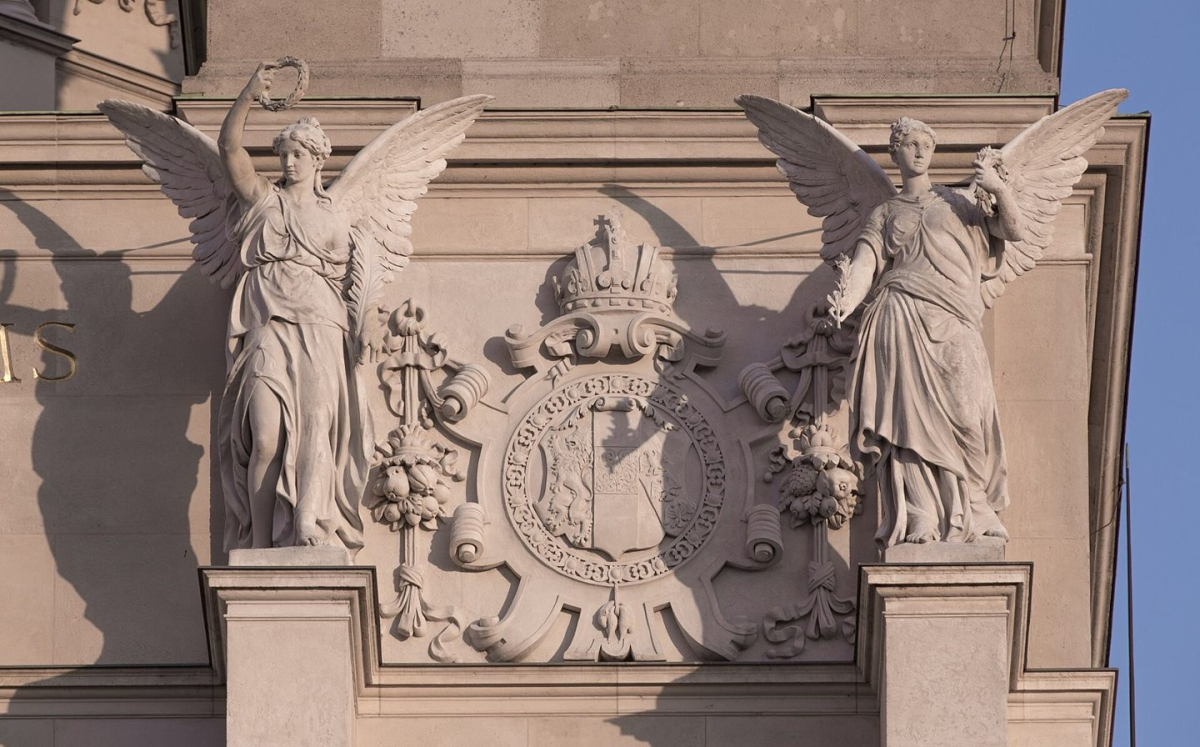
Use this focused guide to plan a photograph of Kunsthistorisches Museum in Vienna. The image identifies a particular view; the suggestions below are editorial options for your own visit, not claims about the source photographer’s equipment or a personal on-site test.
Find This Photo Stop
Use Maria-Theresien-Platz for the museum-square setting. The Kunsthistorisches Museum and Naturhistorisches Museum face one another, so check which building is in your frame before captioning it. A public path through the square provides a different perspective from an elevated source photograph, and the central monument can help explain the relationship of the two museums.
Location and visit reference: Kunsthistorisches Museum visitor information (checked 20 October 2026).
Choose the Subject and Framing
The museum’s exterior works at two scales: a wider view showing its relationship to Maria-Theresien-Platz and a closer view of its entrance and architectural detail. Decide whether the building or the museum-square relationship is the subject before choosing your frame. The paired setting can be more informative than an isolated façade.
Find a Considerate Viewpoint
Use public paths and leave the main approach clear. A moderate wide view can retain the façade without pushing the edges excessively; if you tilt sharply upward, expect converging verticals. Move back where possible instead of stretching the building to fit an unrealistic perspective.
Light and Conditions
In strong light, compare the sunlit stone with shaded entrances before exposing. Cloud can make architectural detail easier to read. If a fountain or monument enters the foreground, make it a deliberate part of the composition rather than a confusing obstruction. Conditions in a source photograph can differ from your visit.
Fit the Stop into Your Visit
If you are also entering, choose the collections you want and leave time for cloakroom and ticket procedures. Interior photography, special exhibitions and equipment have their own rules. Use the current museum information; an exterior photograph is not evidence that every gallery permits the same use.
Confirm the official visitor information for current conditions.
| Decision | Practical approach |
|---|---|
| Time | Allow about 20–40 minutes for a selective exterior stop; extend only for a specific reason |
| Equipment | Choose a manageable camera or phone setup; check site restrictions before bringing a tripod |
| Access | Check the actual path, entrance and any required lift or stairs |
| Caption | Name the place and viewpoint accurately; do not invent the date, lens or access conditions |
Continue with Photos & Photo Spots for two wider walking plans, or the related Vienna planning section for the visit itself. Respect heritage and local life when choosing the photograph.
Frequently Asked Questions
How do I avoid confusing the two facing museums?
Identify the building you are pointing toward, not merely the side from which you stand. Both museums frame Maria-Theresien-Platz; use their names accurately in the caption.
Can I photograph the exterior without a gallery visit?
Treat the public-square exterior stop and paid museum entry separately. Indoor collection, exhibition and equipment rules still need checking.

