
AUSTRIA · VIENNA GUIDE
Vienna Travel Essentials & Fast Facts
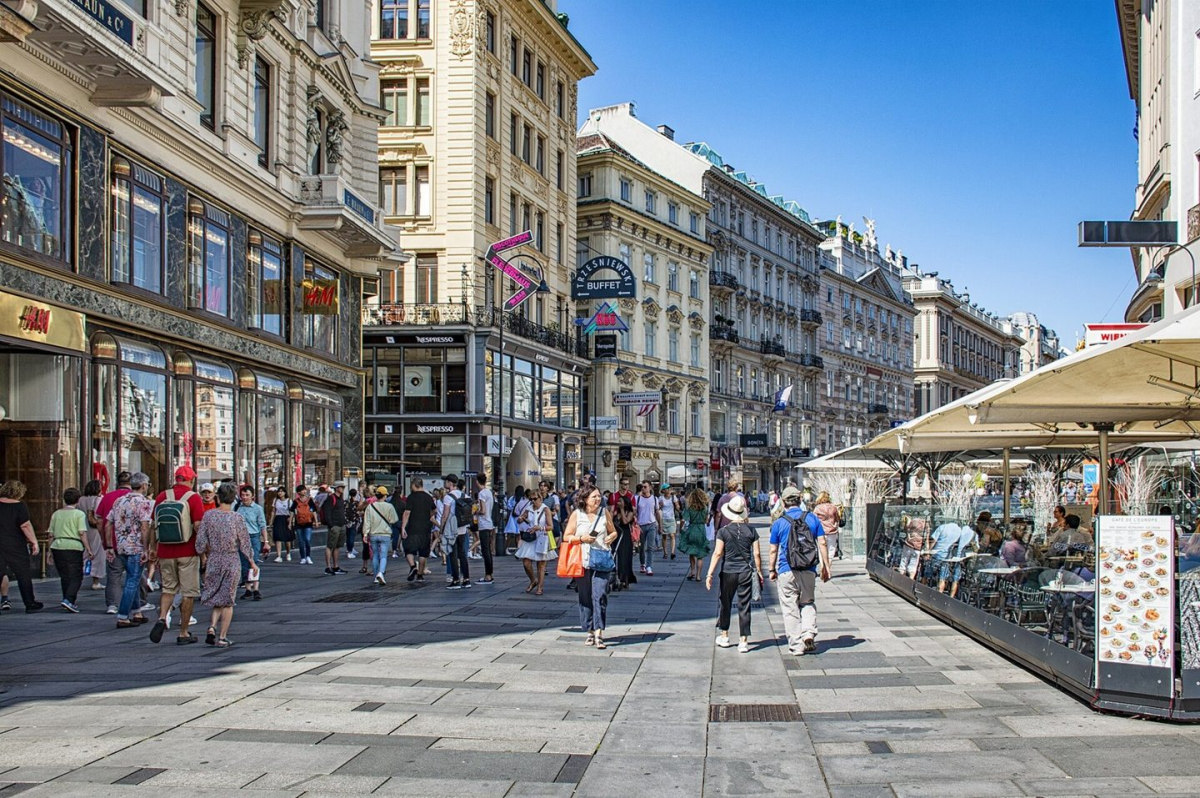
Vienna is Austria’s capital, using the euro, German and Central European time. Everyday decisions matter more than memorising a long statistics list: know which station you need, whether your ticket covers the airport and when the shop you want is actually open. This page covers practical orientation; entry rules, emergencies and access planning are in Health, Safety & Entry.
Practical Facts for a Visit
| Topic | What to expect | What to do |
|---|---|---|
| Currency | Euro (€) | Compare full totals and keep a little cash |
| Language | German; English is useful in many visitor settings | Keep your address and booking details in writing |
| Time | Central European time, with seasonal daylight-saving changes | Check the local time on timed tickets |
| Power | European two-round-pin sockets; nominal 230 V | Bring the right adapter and check device voltage |
| Districts | Numbered districts with named neighbourhoods | Use both the street and postcode when locating an entrance |
| Main airport | Vienna International Airport (VIE) | Do not assume an airport transfer is part of a city ticket |
| Rail hubs | Wien Hauptbahnhof and other distinct stations | Read the exact station on your ticket |
| Emergency | 112 general emergency; 144 ambulance | Give your exact location and follow the dispatcher’s instructions |
Names You Will See
Wien means Vienna. Hauptbahnhof is the main railway station; Wien Mitte/Landstrasse is another transport hub. They are different places. U-Bahn means underground railway; an S-Bahn is a suburban railway and may cross fare-zone boundaries. A city map and a fare map answer different questions.
District names are useful shorthand, but a whole district can contain very different streets. Innere Stadt is the first district; Leopoldstadt the second; Landstrasse the third; Wieden the fourth; Mariahilf the sixth and Neubau the seventh. Check the actual hotel entrance rather than treating a district label as a walking-time guarantee. Map & Neighbourhoods puts these relationships in context.
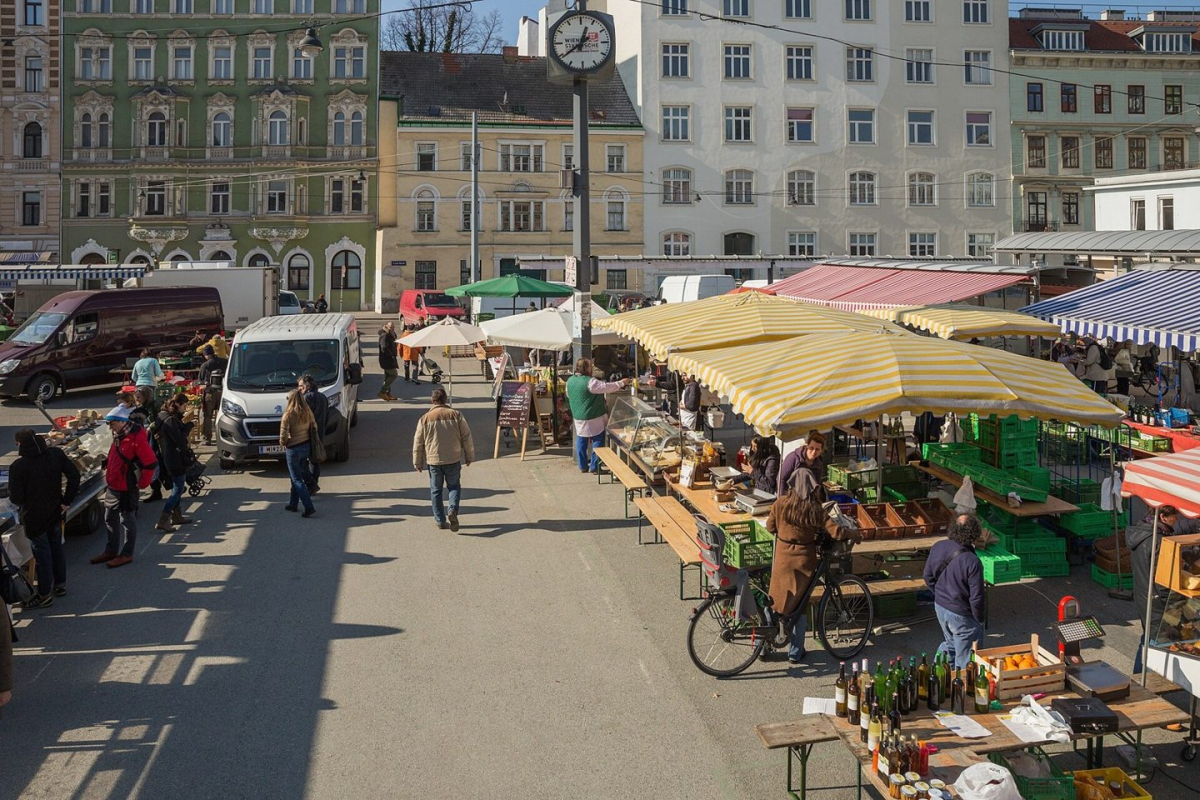
Shopping Days, Meals and Small Purchases
Plan ordinary shopping for Monday to Saturday and check the particular shop’s hours. Sunday and public-holiday exceptions exist, especially for some transport-hub, visitor and food businesses, but a whole shopping street should not be assumed open. A museum being open on Sunday does not mean neighbouring shops are open too.
Ask about payment before a small purchase or meal. Carry enough cash for a place that does not accept your card, and choose the charging currency deliberately at a payment terminal. A café table is a place to order and sit; check service arrangements instead of assuming counter ordering everywhere. Restaurant reservations become more useful when you need an early meal before a concert.
Use Food & Drink for meal choices and Shopping for specific products, verified addresses and days.
A Small Daily Kit
Carry your transport ticket or charged phone, a usable payment method, your accommodation address, water and weather protection. Download essential booking details so that a weak signal does not block entry. Keep medication and important documents accessible rather than buried in a suitcase; ask the relevant authority about any controlled medicine before travelling.
A compact umbrella and layers serve a different purpose from summer sun protection. In winter, allow time for cloakrooms and wet coats; in summer, build shade into a long walking route. The seasonal guide helps you choose a realistic day rather than one fixed packing list.
Avoid These Easy Mistakes
Do not use an expired or unvalidated paper ticket because there was no gate. Do not count a transfer journey as sightseeing time. Do not buy a card because its name sounds comprehensive: airport travel, public transport and attraction admission may be separate. The transport guide and city-card comparison explain these choices.
Keep one flexible slot in the day. A late train, a sold-out exhibition or rain can all be handled more easily if your plan contains a nearby alternative. For problems that need help rather than another app, Useful Contacts separates tourist information from emergencies.
Frequently Asked Questions
Can I use English in Vienna?
Often in visitor-facing settings, but do not assume every person or small business works in English. Written addresses and a few courteous German phrases are useful.
Is Vienna Airport inside the city fare zone?
No. Check the full airport journey and any extra ticket required, even if you already have a Vienna city transport ticket.


