
AUSTRIA · VIENNA GUIDE
Vienna Health, Safety & Entry: Practical Visitor Guidance
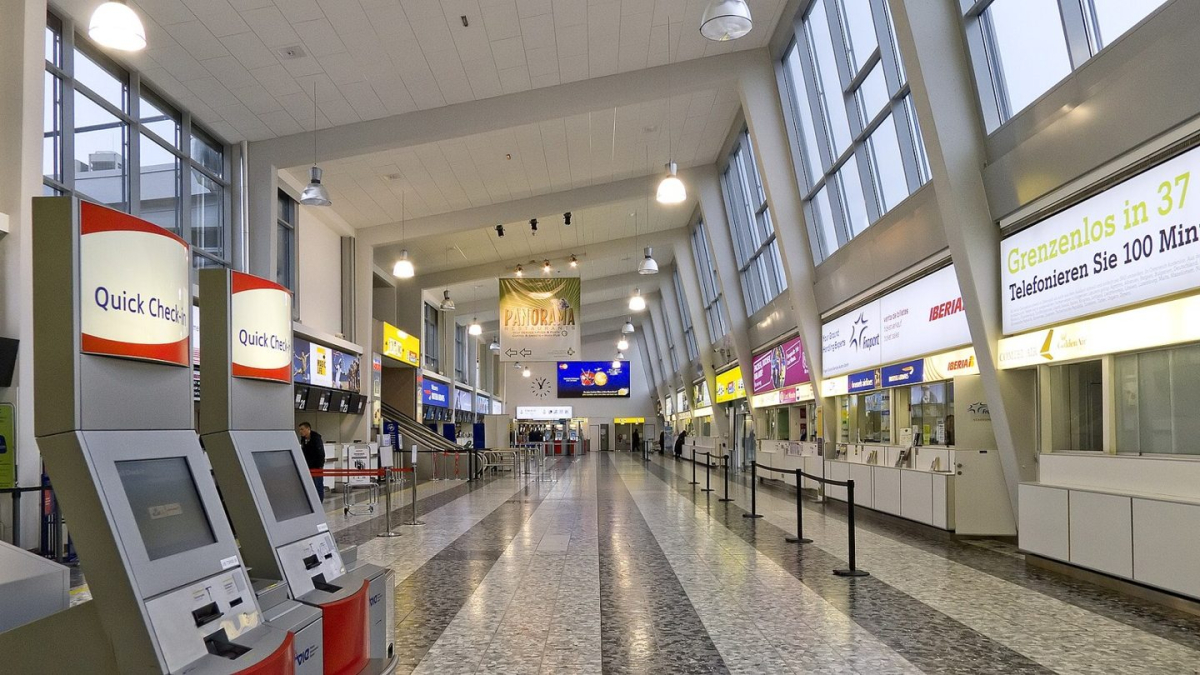
Prepare for a Vienna visit by separating entry requirements, ordinary travel precautions and individual access needs. A city’s reputation cannot guarantee a trouble-free trip, and one rule does not apply to every passport or medical situation. Use the official sources below for decisions that depend on your circumstances.
Visa & Entry: Check Your Own Situation
Austria is in the Schengen area. EU, EEA and Swiss citizens do not need a visa to enter Austria; other nationals may be visa-exempt for a short visit or may require a visa. A short-stay Schengen visit is generally limited to 90 days within any 180-day period where that rule applies. Time spent in other Schengen countries counts toward the same limit.
Consult Austria’s Foreign Ministry visa information and the competent Austrian representation for your nationality, residence and travel purpose. Tourism, work and longer residence are different categories. Carry the travel document and supporting evidence required for your situation. Do not assume that a hotel reservation or a previous visa guarantees admission.
EU systems checked 20 October 2026: the official ETIAS site states that ETIAS is not yet operating and applications are not being collected. Recheck before departure rather than paying an unofficial application service. The Entry/Exit System information concerns a different border process; check how it applies to your route and allow time at the external Schengen border.
Safety: Ordinary Precautions with a Local Plan
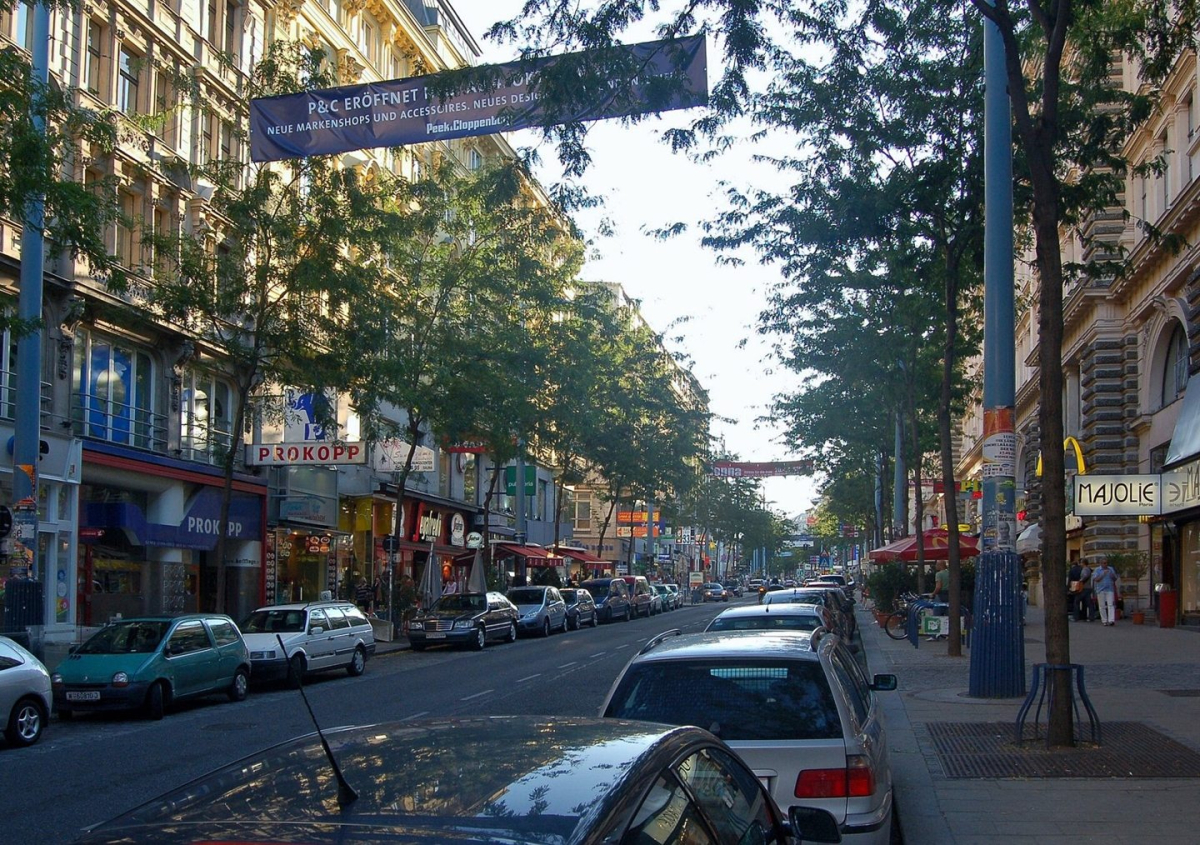
Keep valuables secure in crowded transport, stations, markets and popular squares. Carry only what you need for the day and keep a separate record of important documents and bookings. Do not let a request for a petition, photograph or unsolicited help distract you from your bag or payment card.
After dark, choose a clear route home and check transport before leaving a venue. At the Danube, swimming places have specific conditions: a busy channel or a convenient-looking bank is not automatically a safe bathing area. Follow local notices and weather warnings, and do not enter water after drinking.
If a card or document is lost, contact the issuer or your consulate as appropriate and report suspected crime to the police. Useful Contacts separates emergency numbers, tourist information and transport assistance.
Health, Medicines and Insurance
Bring adequate travel cover for the activities you intend to do and understand how to contact your insurer. Eligible European health-cover arrangements and private insurance serve different purposes; check the official terms rather than assuming every provider or expense is covered. Carry necessary medicines in a usable form with supporting documentation when required.
For urgent symptoms or an immediate threat to life, use emergency services. For other care, ask a pharmacist, accommodation staff or an official medical service to help you find an appropriate provider. This guide does not diagnose symptoms or replace advice for your own medical needs. Check controlled-medicine rules with the competent Austrian authority before travelling.
Accessibility: Plan the Whole Route
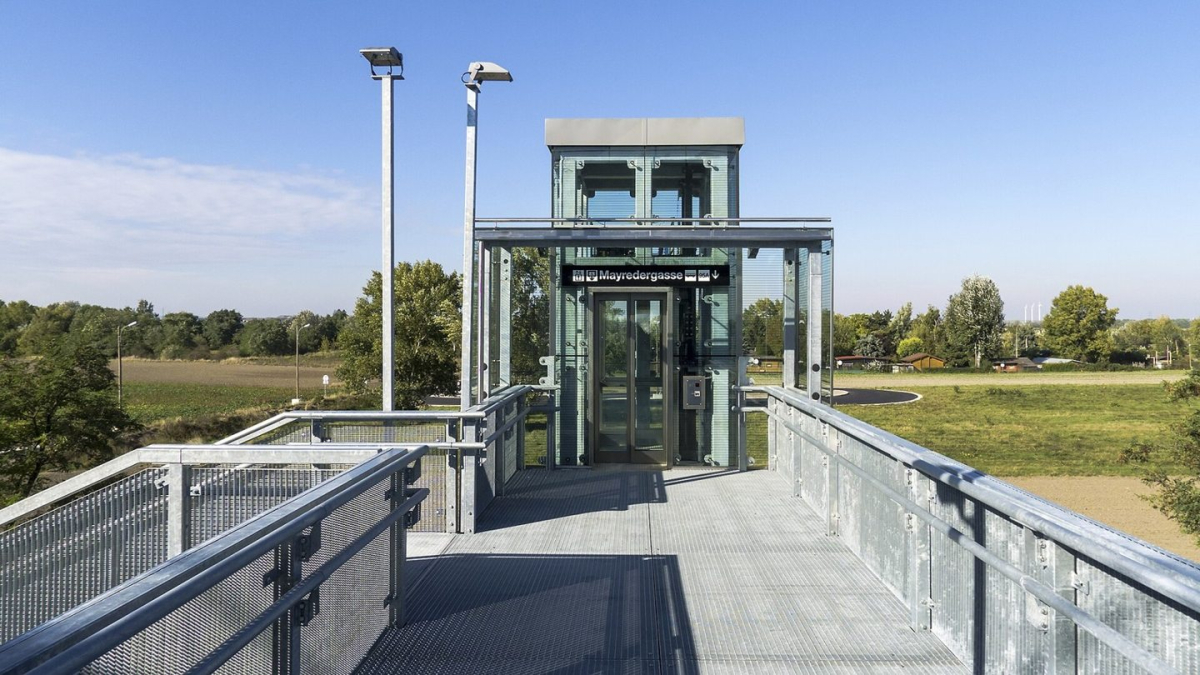
Use the Vienna Tourist Board’s accessibility information to identify venue details and accommodation support. Check the whole chain: station exit, pavement, entrance, lift, room and toilet. A building can have step-free admission while a tower, garden slope or special room remains inaccessible to a particular visitor.
For transport, check accessible public transport and live lift information before departure. Lift outages can change the practical route. Confirm low-floor tram or suitable train access where needed, and leave additional boarding time. Arrange airport and long-distance rail assistance with the relevant operator in advance.
For a hotel, ask about entrance steps, lift dimensions, bathroom layout, bed clearance and emergency arrangements. A wheelchair-accessible label does not tell you whether a specific room fits your equipment. If hearing, visual or sensory access matters, check the venue’s actual aids, formats, quiet times or assistance arrangements.
Accessible Toilets and Local Support
The City of Vienna public-WC directory links district-level details, including accessibility and temporary closures. Some accessible toilets require a euro-key. Check the exact facility, opening time and key requirement before relying on it; a map symbol alone is not a guarantee of access.
BIZEPS, the independent-living advice centre, is at Schönngasse 15–17/4, 1020 Vienna; telephone +43 1 523 89 21. Its published telephone hours are Monday–Thursday 10:00–15:00 and Friday 10:00–13:00, with advice by appointment. It is a local advice resource, not an emergency service. The tourist board’s hotel information team can also help narrow an accommodation search.
Emergency Numbers
| Need | Number |
|---|---|
| General European emergency | 112 |
| Ambulance | 144 |
| Police | 133 |
| Fire service | 122 |
Source: the Austrian government emergency-number directory. State your location clearly, including the station, street number or landmark entrance. Follow the operator’s instructions. Save your accommodation address offline before travelling.
Frequently Asked Questions
Does every visitor need an Austrian visa?
No. Requirements depend on nationality, residence, purpose and travel history. Use the official Austrian sources for your situation.
Can I apply for ETIAS now?
The official site stated on 20 October 2026 that ETIAS was not yet operating and applications were not being collected. Recheck the official status before travel.
Are all central sights fully step-free?
No. Check the exact route, room, tower and toilet at each venue. Historic sites often have specific arrangements and limitations.



