
AUSTRIA · VIENNA GUIDE
Vienna Photos & Photo Spots: Walks and Location Guides
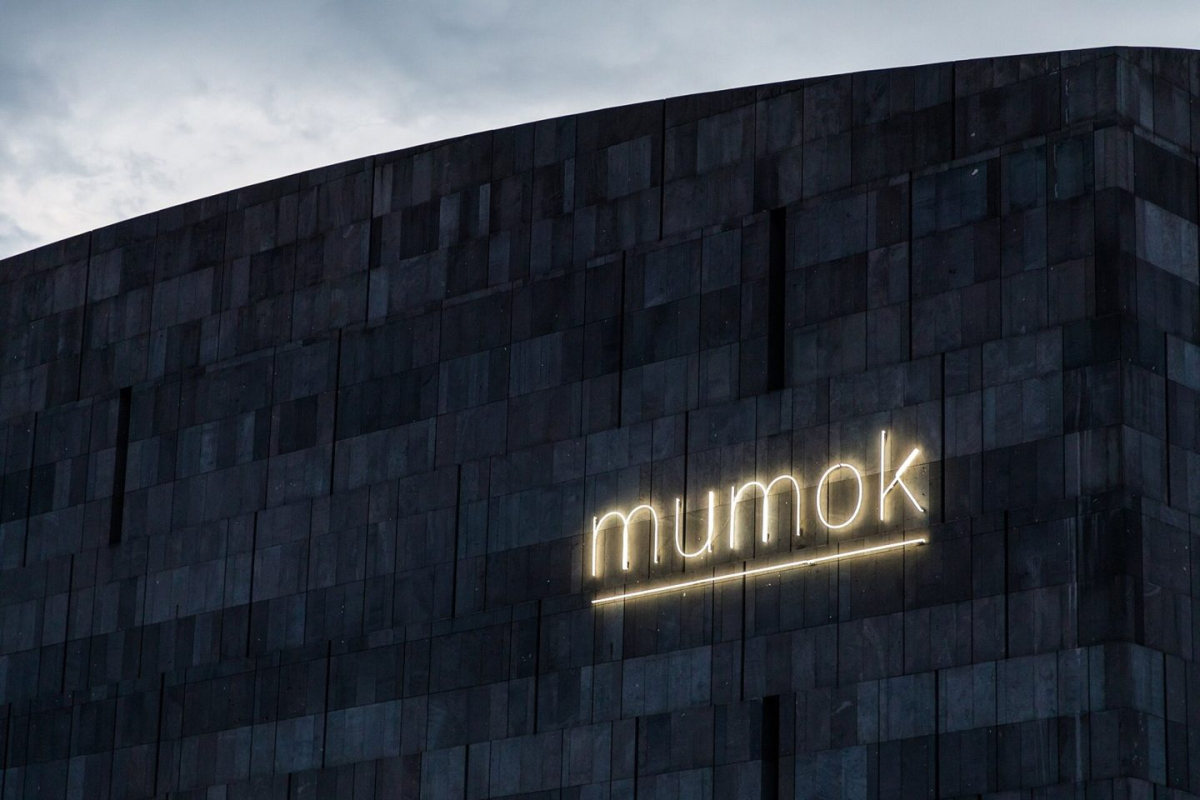
Build a Vienna photo collection from different kinds of place: a formal façade, a small monument, a street and a park or water scene. Repeating the same palace view at every stop makes the day less varied. The location guides below explain what to frame and how to fit a brief stop into a real visit; they do not claim that a source photograph shows today’s exact conditions.
Choose a Route for the Time You Have
| Route | Allow | Useful subjects | Keep flexible |
|---|---|---|---|
| Old centre → Michaelerplatz → Opera / Ringstrasse | About 3–4 hours | Cathedral, dense streets, Hofburg scale and civic architecture | Crowds, crossings and church/performance access |
| Karlsplatz → Belvedere / Wieden | About 3–4 hours | Church architecture, wider public space and a garden axis | Weather, garden levels and any museum booking |
| Schönbrunn estate | A separate half-day | Long palace façade, garden relationships and a possible hill view | Gate times, fountains, gradients and photography permissions |
Photo Walk 1: Old Centre and Ringstrasse
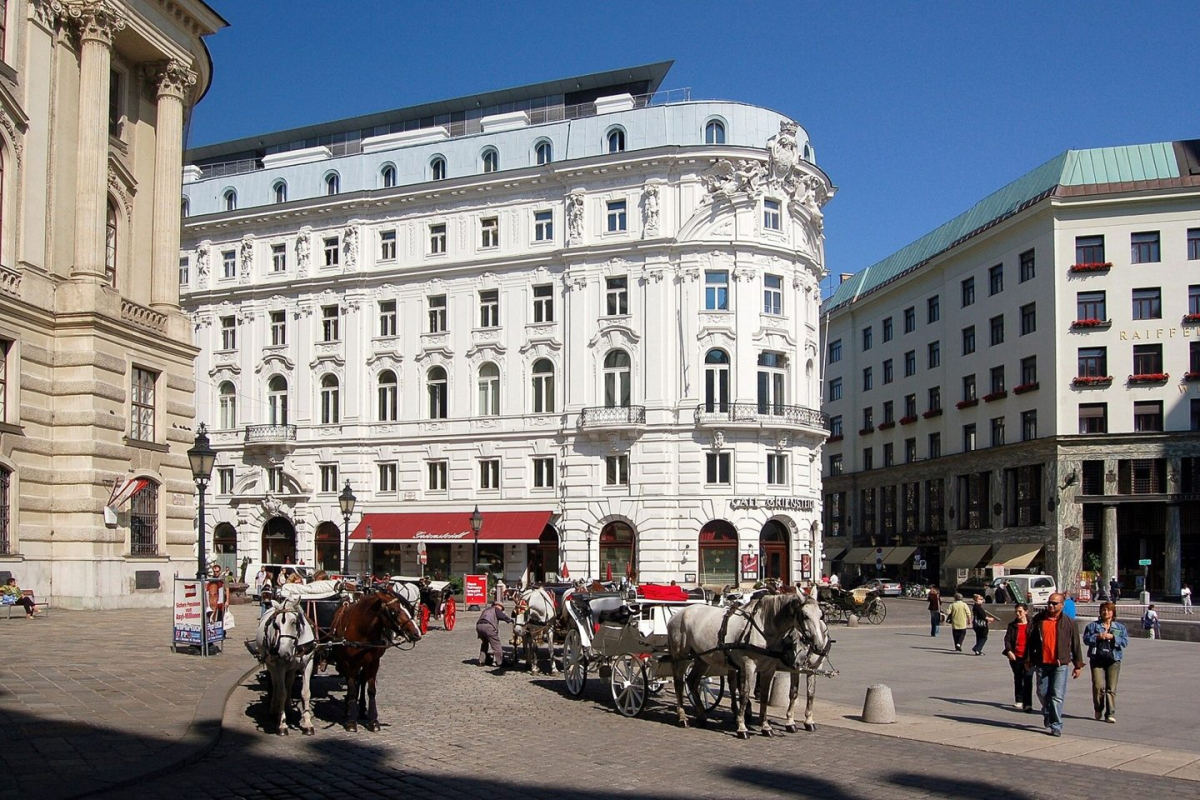
Start with a street-level view at Stephansplatz, then move toward Michaelerplatz. Compare the cathedral’s vertical form with the Hofburg’s broader façade and square. Finish toward the Opera and Ringstrasse, where the spaces become larger and traffic forms part of the city setting.
This route benefits from a small, adaptable setup. Keep pavements and tram tracks clear, and use a detail when there is no safe distance for the whole building. A tower visit or a guided interior tour changes the day’s timing and access requirements; book it as a separate commitment.
Focused guides: Stephansdom, Michaelerkirche, Hofburg, State Opera, Goethe Monument, Parliament, Votivkirche.
Photo Walk 2: Karlsplatz and the Belvedere Side
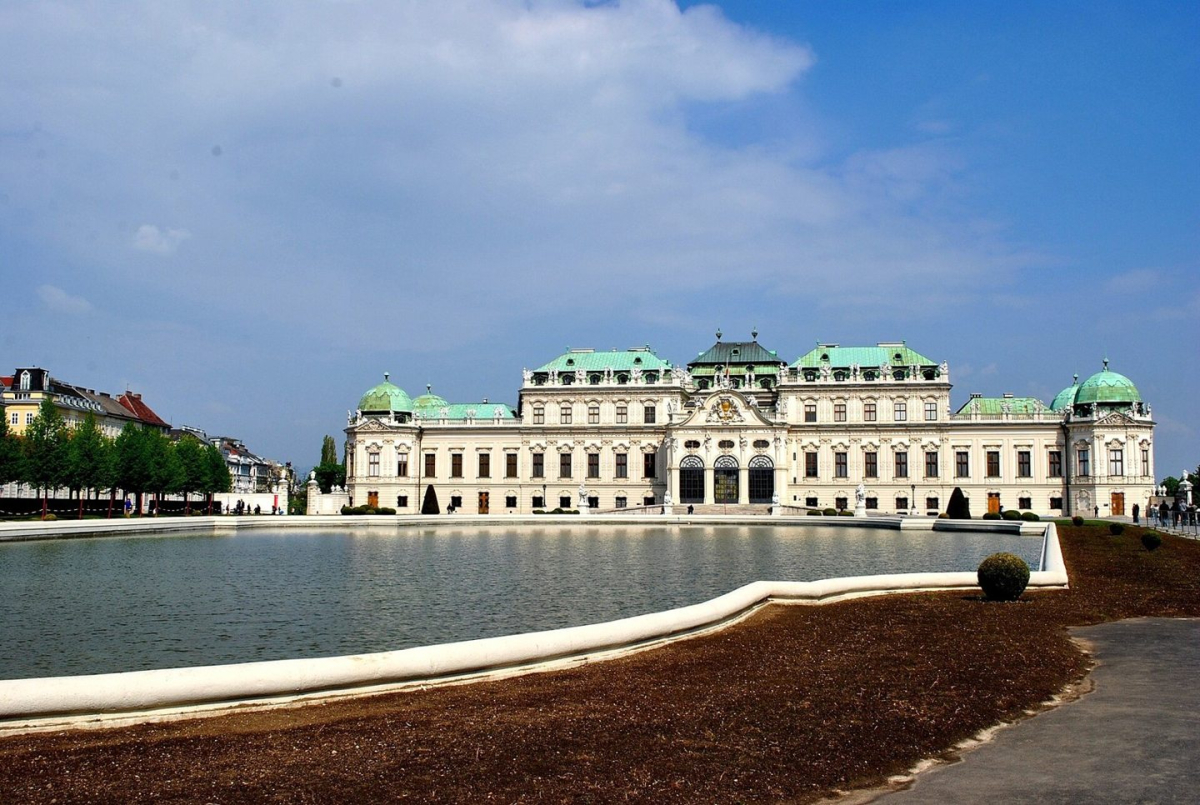
Choose Karlskirche for the relationship between the façade and public space, then give the Belvedere gardens a separate time block. The two stops offer different scales and backgrounds. Count the walk or transport between them and leave room for food or an indoor visit if you have booked one.
A reflection depends on water and wind, not just the hour. Belvedere’s garden terraces involve changes of level, so choose a route and viewpoint that suit your visit. Do not assume a summer fountain scene will be available in winter.
Focused guides: Karlskirche, Belvedere Palace, Belvedere garden sculpture.
Photo Walk 3: Schönbrunn and the Gloriette
Keep this western estate outing separate from Karlsplatz and Belvedere. Start by choosing the palace façade or garden relationship you want to photograph. The Schönbrunn photo guide distinguishes court-side and garden-side views.
Add the Gloriette only if the hill and return walk fit your time and mobility. Photographing the pavilion from beside the hilltop pond differs from using its ticketed viewing terrace. Check the estate’s seasonal gate and terrace hours, then work backwards from your exit. This is a separate half-day framework, excluding substantial palace interiors; a lower garden route is a useful alternative to the climb.
Smaller Subjects and a Museum-Square Stop
A smaller monument changes the rhythm of a photo walk. At Stadtpark, the Johann Strauss monument combines a gilded figure with a curved stone setting and planting. Around Maria-Theresien-Platz, the Kunsthistorisches Museum is useful for an exterior that explains a museum’s civic scale rather than showing another palace garden.
Use the Strauss photo guide and the Kunsthistorisches Museum photo guide for those focused stops. Do not add them both merely to fill a list; choose the one that fits your route.
Light, Equipment and a Varied Set
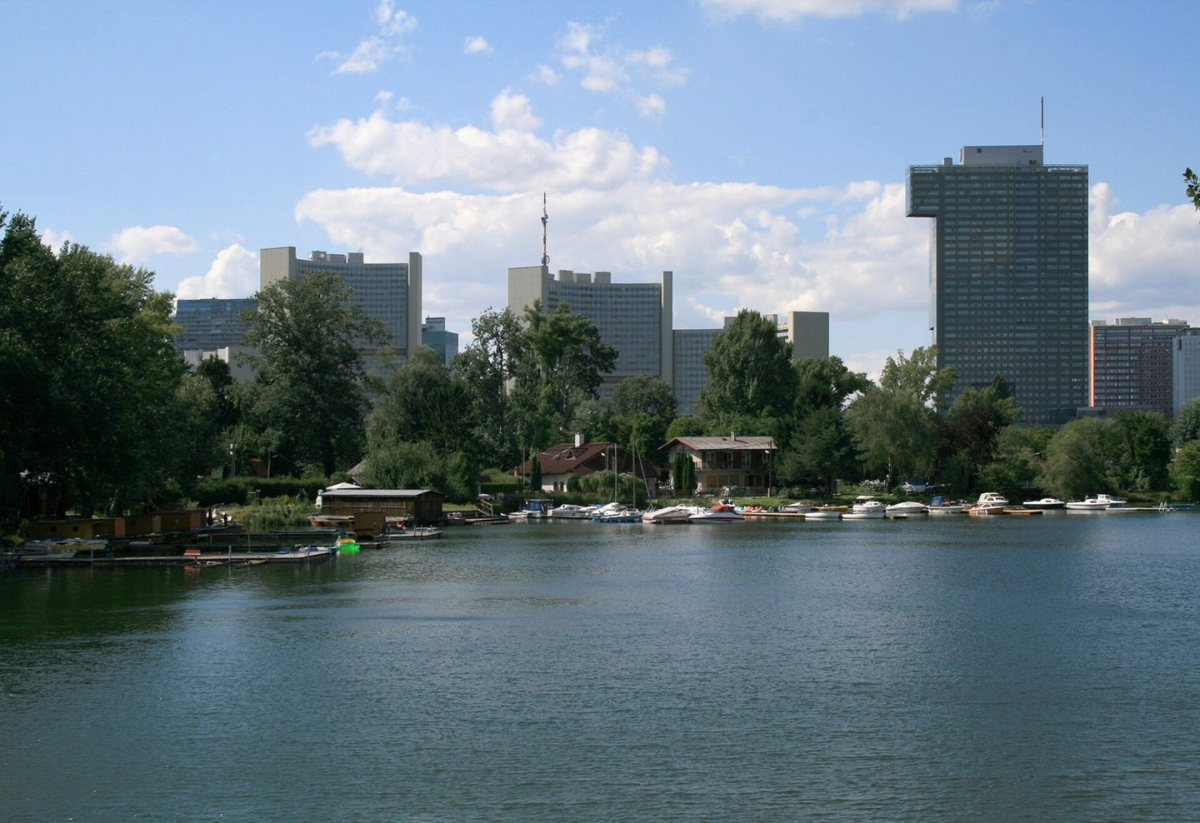
Check the direction of light on your actual subject. Softer light can preserve detail in pale façades; side light can reveal sculpture; evening scenes add moving traffic and bright signs. There is no single best hour for every Vienna building. A cloudy day can be useful for architecture even when it is less dramatic for a skyline.
Use equipment you can carry comfortably through the whole route. A moderate wide view, a detail and a contextual street frame can provide variety without repeated lens changes. Do not infer the source photographer’s lens or settings from appearance. If a tripod, flash or drone is important to your plan, check permission before bringing it.
Photography Rules and Accurate Captions
Museums, churches and palace grounds set their own rules for visitor photography, equipment and professional projects. Schönbrunn’s FAQ explicitly distinguishes private photography and professional permissions. Respect worship, memorials and residential privacy, and ask before making close portraits.
Caption the actual place and viewpoint. Do not assign an unverified year, person, architectural detail or location merely because it looks plausible. Licensed outside photographs have their own credits; using one does not establish that Photos4Travel took it or personally visited the spot.
Frequently Asked Questions
Can I photograph inside every museum?
No. Check each institution and exhibition. Equipment and publication conditions can differ from ordinary handheld visitor photography.
Are all these routes step-free?
No route is guaranteed. Check station lifts, paving, garden levels and the exact entrance using the accessibility resources.
Can I do both photo walks and Schönbrunn in one day?
Choose fewer stops. The walks include pauses, and Schönbrunn is a separate substantial outing. Keep a route that leaves room for meals and the visit itself.



