
AUSTRIA · VIENNA GUIDE
Best Time to Visit Vienna: Seasons and Packing
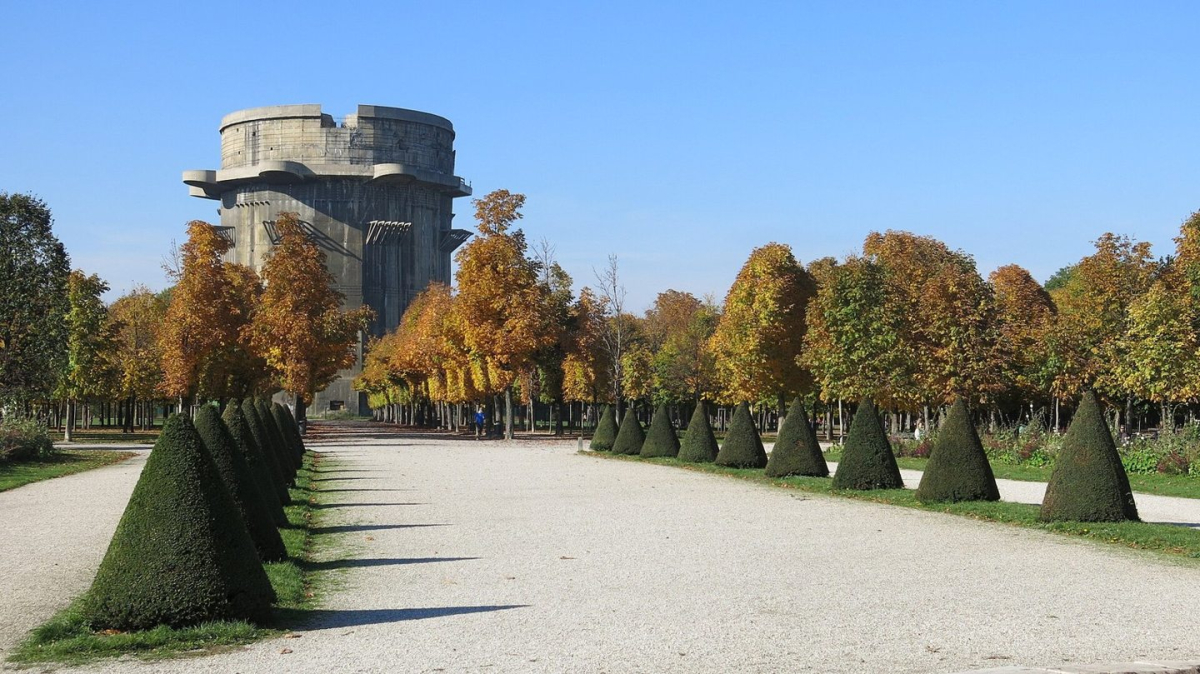
The best time for Vienna depends on how much of the day you want to spend outside. Spring and autumn suit a mix of walking and museums; summer adds outdoor evenings and water-based breaks; winter makes interiors and performances more central. These are seasonal planning tendencies, not a forecast for your dates.
Compare the Seasons
| Season | Why choose it | Plan around |
|---|---|---|
| Spring | Longer days, gardens and a varied walking trip | Changeable temperatures, rain and popular holiday dates |
| Summer | Outdoor evenings, parks and swimming options | Heat, sun exposure, thunderstorms and busy event periods |
| Autumn | Museum-and-walking combinations and seasonal colour | Shorter daylight and variable wet or cool spells |
| Winter | Concerts, museums and seasonal markets when operating | Cold, early darkness, slippery surfaces and individual closure days |
Spring: Leave Room for Change
Plan an indoor alternative near each outdoor day. A garden visit is more comfortable when it can move within the trip rather than sit between two non-refundable appointments. Layers let you adjust between a cool morning, a warm interior and an exposed square.
If a performance or special exhibition matters, book that first and keep the surrounding walk flexible. Easter and other popular holiday periods can affect room availability and queues; compare your actual dates rather than assuming all of spring is quiet.
Summer: Move Effort Away from the Hottest Hours
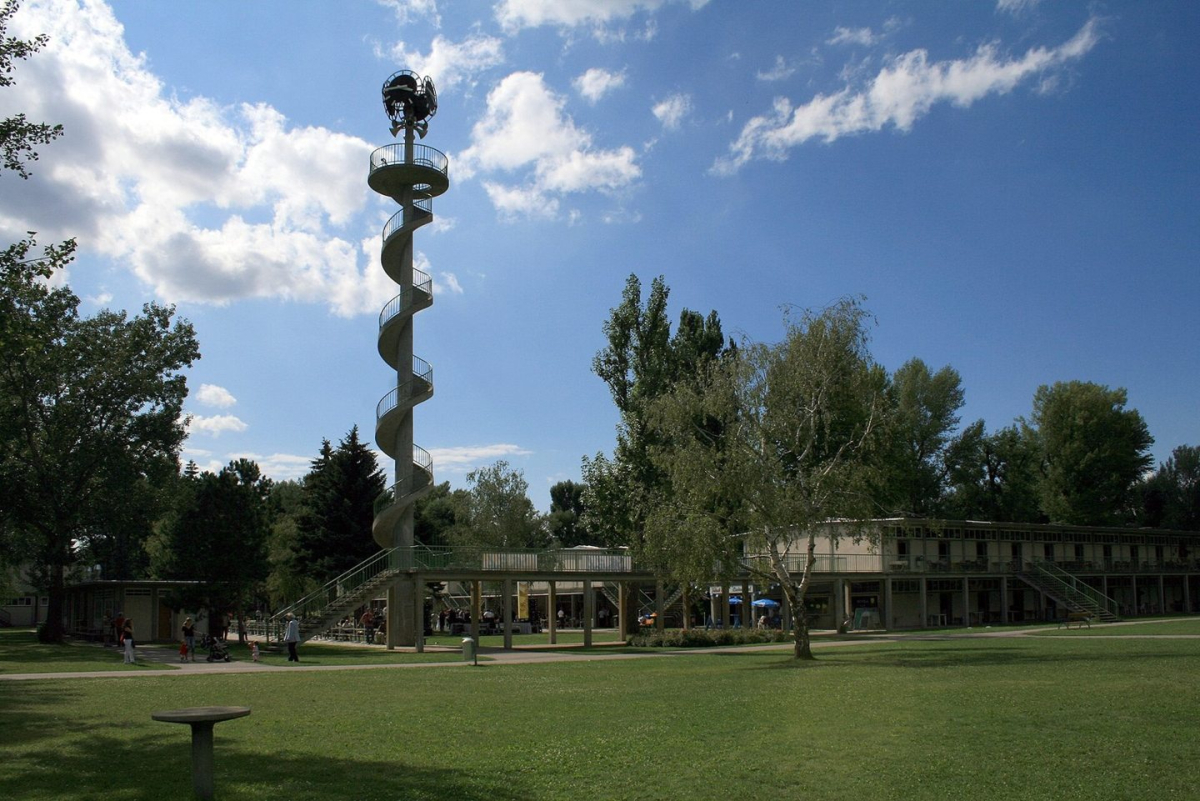
Use earlier hours for a longer walk and keep a shaded or indoor pause available later. Carry water and protect yourself from the sun. A palace garden, an amusement area and the Danube have very different levels of shade and walking effort. Choose a shorter route if conditions make the original plan uncomfortable.
Swimming belongs at a suitable bathing place, with current local notices and weather conditions checked. Beaches & Swimming distinguishes the Old Danube, New Danube and city canal. A warm day is not proof that every waterway is appropriate for bathing.
Autumn: Use the Daylight Deliberately
Put an outdoor viewpoint before the last available daylight rather than leaving it until after a long museum visit. Keep evenings for a meal, performance or a shorter central walk. Rain can change paving and garden-path conditions, so comfortable footwear matters more than a fixed photographic schedule.
A museum-heavy autumn break can still contain too many reservations. Choose the exhibition you most want, then allow time for another neighbourhood. The itineraries show alternatives when the weather moves an outdoor day.
Winter: Interiors, Markets and Shorter Days
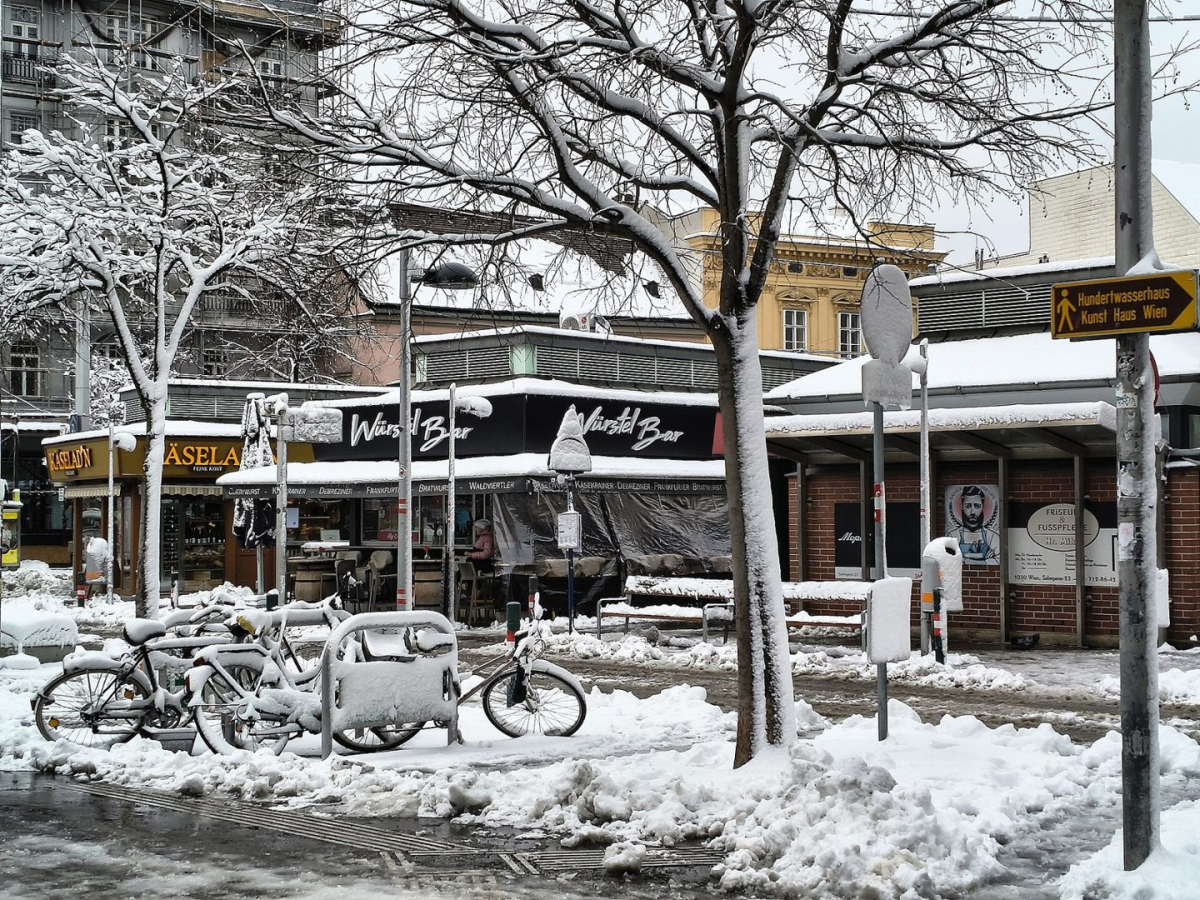
Treat winter markets as individual events with their own opening dates and hours. They do not all begin or end together, and the period after Christmas can be very different from early December. Check the events guide and the organiser before arranging travel around a particular market.
For Schönbrunn, park closing times are earlier in winter and fountains can be off. A summer reflection photograph may therefore be an unrealistic winter target. Use the official seasonal opening information and choose a shorter exterior walk if cold or slippery conditions make the hill unsuitable.
Pack for the Plan You Chose
Bring layers, weather protection and shoes suitable for repeated walking. In warm weather, prioritise sun protection and water; in cold weather, allow for coats and cloakrooms. Keep a small bag if you plan several interiors, and check any venue’s bag or equipment restrictions before leaving the hotel.
Before departure, check the current forecast and the official event calendar. Seasonal expectations should guide preparation, while live conditions decide the day’s route.
Frequently Asked Questions
Is there a month with guaranteed good weather?
No. Choose a season for the type of trip you want, then check the forecast and keep a nearby indoor alternative.
Is winter only for Christmas markets?
No. Museums, cafés and performances can support a winter visit after the markets close, but daylight and individual opening days still matter.
Should I book every afternoon indoors in summer?
Choose around the actual forecast and your tolerance for heat. A shaded break, shorter walk or indoor visit can all work.



