
AUSTRIA · VIENNA GUIDE
Responsible Travel in Vienna: Heritage and Local Life
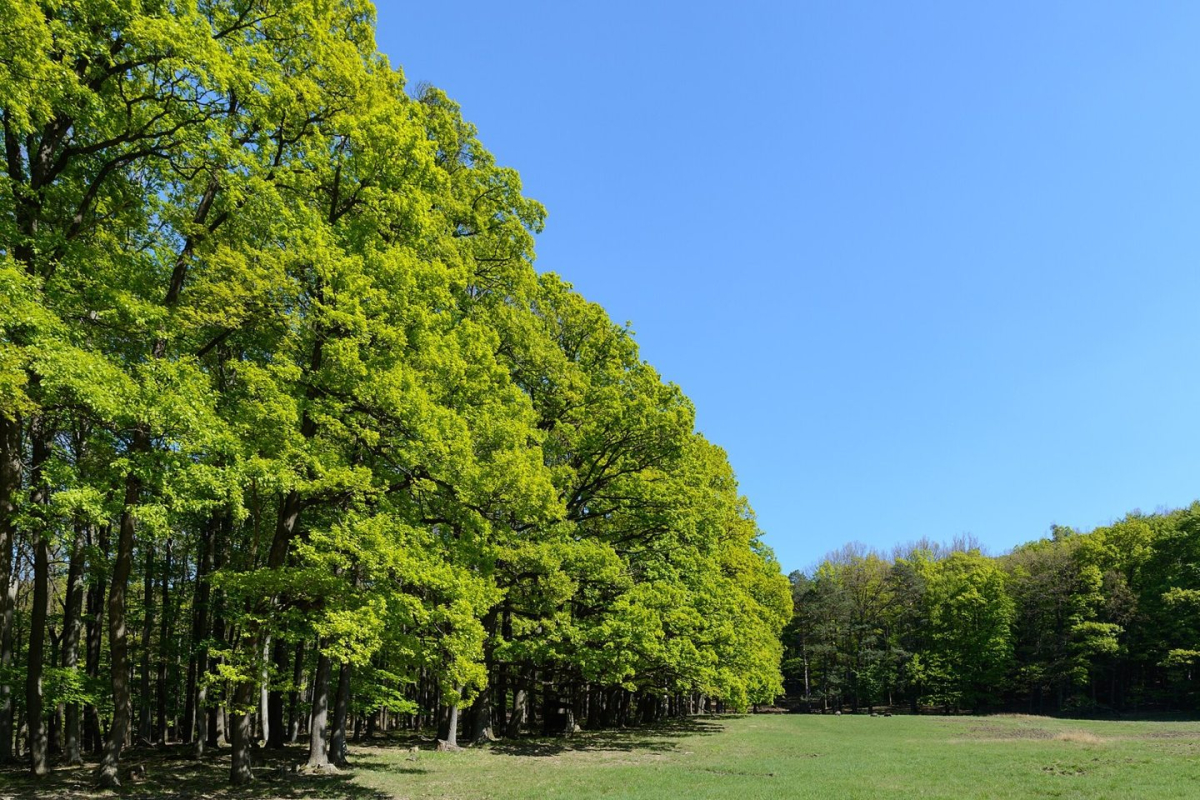
A responsible Vienna visit starts with ordinary decisions: a workable transport route, enough time at a place and consideration for people using the city every day. You do not need to buy a special experience to travel more thoughtfully. Choose actions that fit the actual site and avoid treating a broad sustainability label as proof about every part of a trip.
Use the City at a Human Pace
Group visits by area and walk where the route is comfortable. Use public transport for longer gaps rather than creating unnecessary taxi journeys between nearby stops. If walking is not suitable for you, choose a workable low-floor, step-free or door-to-door option; responsible travel should include access needs.
Allow others to board and leave vehicles, keep luggage out of the aisle and do not stand on tram tracks for a photograph. A bike route should follow permitted paths and suit your confidence at intersections. The transport guide helps you choose a practical mode.
Water, Packaging and Everyday Purchases
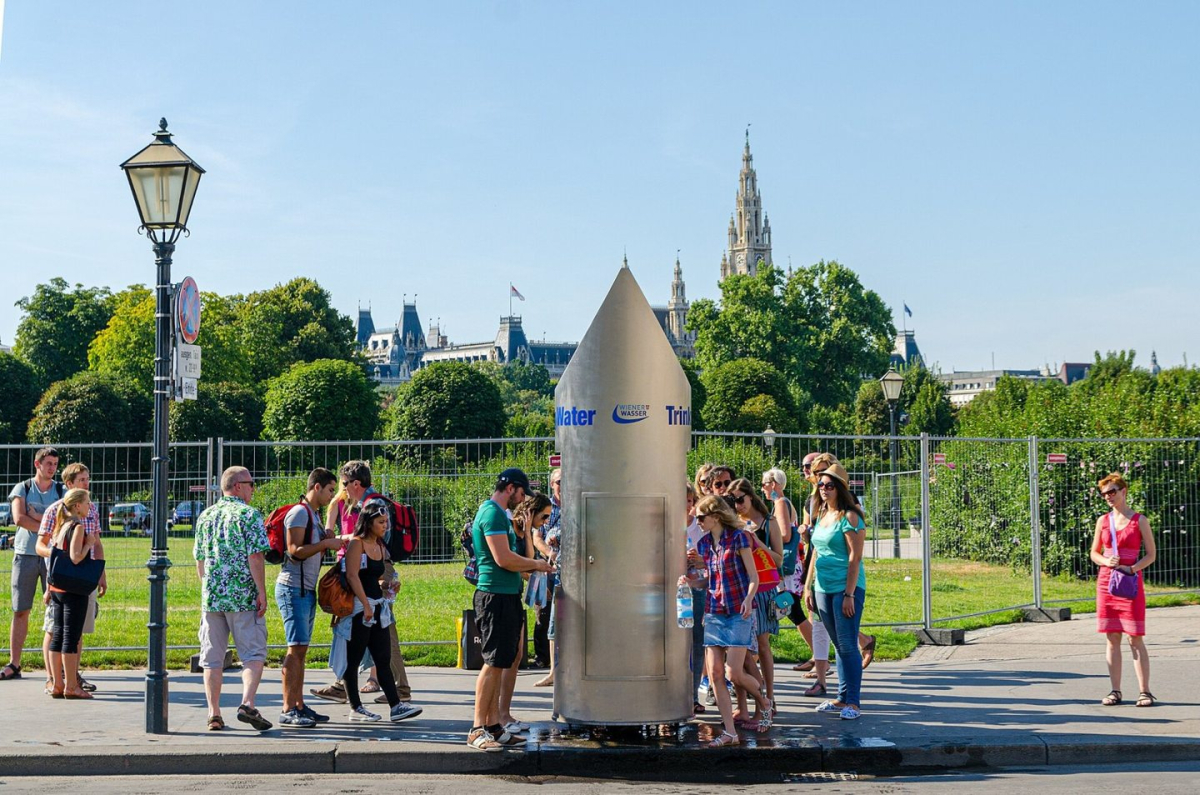
Carry a refillable bottle where practical and use water sources identified as drinking water. A decorative fountain is not automatically a drinking-water point. Keep litter with you until you find the appropriate bin, especially in parks and along the Danube.
Buy a gift because the recipient will use or enjoy it. Ask about the maker, materials and packaging; a local shop can sell imported goods, and a familiar city motif does not establish local production. Shopping explains how to compare Viennese porcelain, glass, confectionery and design without relying on a souvenir label.
Heritage and Photography
Stay within permitted visitor areas and follow current rules in museums, churches and palace grounds. A photograph being easy to take does not make flash, a tripod, drone use or commercial publication permissible. At Schönbrunn, the operator distinguishes private photography from professional projects and sets equipment restrictions; check the current rules before planning a shoot.
Keep doorways, pavements and steps open. Ask before making a close portrait or photographing inside a business. Memorials, worship and private homes deserve a different approach from an architectural exterior. The photo guide provides street-level choices that do not require entering private space.
Parks, Wildlife and Swimming
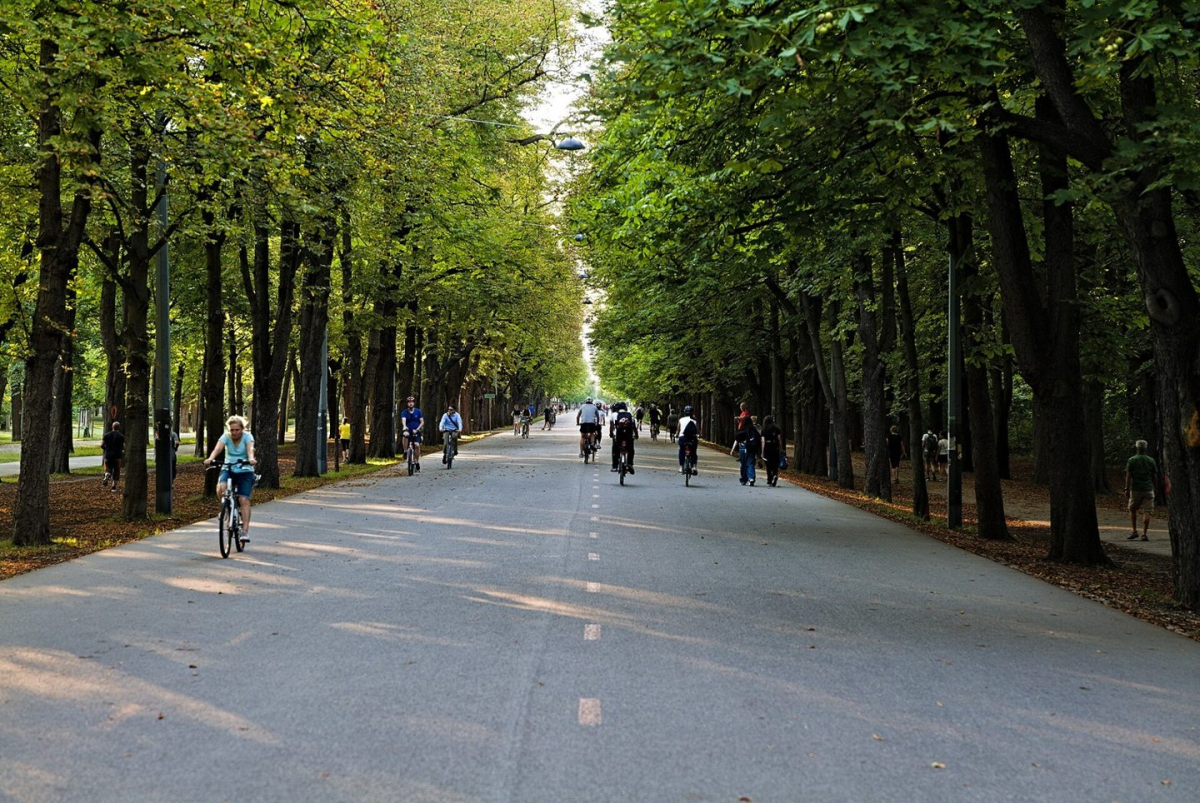
Use marked routes, respect closures and leave wildlife alone. Feeding animals or crossing a planted border to improve a photograph can damage the place you came to see. In a large park, choose the entrance and return time before walking deep into it.
At the Danube, use suitable bathing places and follow current water and weather notices. Keep glass and litter away from the bank. A warm summer scene does not establish year-round safety or open facilities. Check the city’s Danube Island information and the actual bathing operator for your plan.
Support the Visit You Want to Have
A locally run café, a museum shop or a maker’s workshop can add something specific to the trip. Ask useful questions and respect the business’s working time. Do not expect a workshop visit without checking whether it needs an appointment, and do not photograph customers as part of the décor.
Choose fewer, better-understood visits rather than rushing between entrances. Leave a review only about your own experience and avoid claims about places you have not visited. This guide uses researched planning advice and licensed photographs; it does not claim personal visits or ownership of every image.
Frequently Asked Questions
Is a free park visit unrestricted?
No. Gates, cycling rules, wildlife protection and photography conditions still apply. Read current signs and operator information.
Does a local-looking souvenir guarantee local production?
No. Ask about the maker and origin of the specific item, and keep the answer separate from the shop’s address.



