
Portugal Health & Safety: Prepare for Cities, Coasts and Nature

Prepare for the situations your Portugal itinerary actually includes. Busy city transport, exposed coastline, warm inland days and island trails call for different practical choices. This page brings together official emergency and health contacts with travel preparation and everyday precautions. It does not diagnose symptoms or replace a clinician, insurer or local authority. Read current official travel advice and weather or access notices near departure, and discuss personal health needs with an appropriate professional. A sensible itinerary leaves room to change when conditions do. Keep assistance information offline and make sure your travelling companions know where it is, rather than depending on one person's phone or a search in the middle of a problem.
Immediate emergencies and regional health advice
For an immediate medical, fire or police emergency in Portugal, call 112. Give your location and explain the emergency clearly, then follow the dispatcher's instructions. A street address, town and relevant landmark help; on a walk, the official route name and starting point can be important. Do not use the emergency service for routine booking questions.
For non-emergency health guidance, current UK government advice lists +351 808 24 24 24 on the mainland, with option 9 for English; +351 800 24 24 20 for Madeira and Porto Santo; and +351 808 24 60 24 for the Azores. Check the appropriate regional service's current instructions. These contacts help route a request and do not determine what treatment you need. Save them together with your own insurer's assistance contact.
Insurance and healthcare preparation
Check that your travel cover suits the dates, destinations and activities you plan. A policy may have conditions for particular sports, walking or existing health circumstances. Ask the provider about the actual cover rather than inferring it from the policy's general name. Keep the assistance number, policy reference and claim instructions available separately from other travel documents.
Where you are eligible for an EHIC or GHIC, understand what it covers and what it does not. Official UK health guidance explains that it is not a substitute for insurance and does not cover all private treatment or repatriation. Other nationalities should check their own applicable arrangements. Discuss any individual health concerns with a qualified professional before travel, and allow time to arrange the documentation or supplies needed for your circumstances.
Protect belongings in busy places
Current official travel advice highlights theft and pickpocketing risks in busy tourist and transport settings. Keep essential documents and payment methods secure, especially when distracted by luggage, photographs or boarding. Avoid putting every card and document in one easily accessible bag. A crowded tram can be a useful journey but also a place where you cannot give unattended belongings your full attention.
Keep a secure copy of key document details separate from the originals. If something is stolen, report it through the appropriate local process and contact your insurer or consular service as relevant. Do not leave valuables visible in a parked vehicle. Choose a practical bag for an outing and carry only what you need. A small change in how you organise belongings can reduce the disruption if a wallet is lost.
City walking and evening returns
Lisbon and Porto contain steep streets, uneven paving and steps. Allow extra time when carrying luggage or walking with a child, and ask about the precise hotel entrance if mobility is a concern. Wear footwear suited to the route and take care on wet surfaces. A short line on a map does not always describe an easy walk.
At night, keep the return journey clear before visiting a venue or event. Confirm the last suitable service or the actual pickup point for a booked transfer. Stay aware of surroundings and avoid becoming so absorbed in a phone that you miss traffic or an awkward surface. If a street celebration changes access, follow local instructions and choose a meeting point outside the busiest area. The Nightlife page offers more detailed evening planning.
Sun, warmth and weather changes
Use current IPMA forecasts for the locality and the activities planned, rather than relying on a national seasonal average. Inland heat, coastal wind and mountain conditions can differ substantially. Plan breaks, appropriate clothing and access to water for an outdoor day. Adjust the programme when conditions make the original plan unsuitable, particularly for a strenuous walk or a long exposed visit.
Ask a qualified health professional about personal requirements that affect heat or sun exposure. A travel guide cannot determine the right precautions for every condition. Schedule demanding activities with realistic recovery time and know where you can find shelter. The Best Time to Visit page explains regional choices, while the current forecast and any local warning should guide the actual day.
Atlantic beaches and cliffs
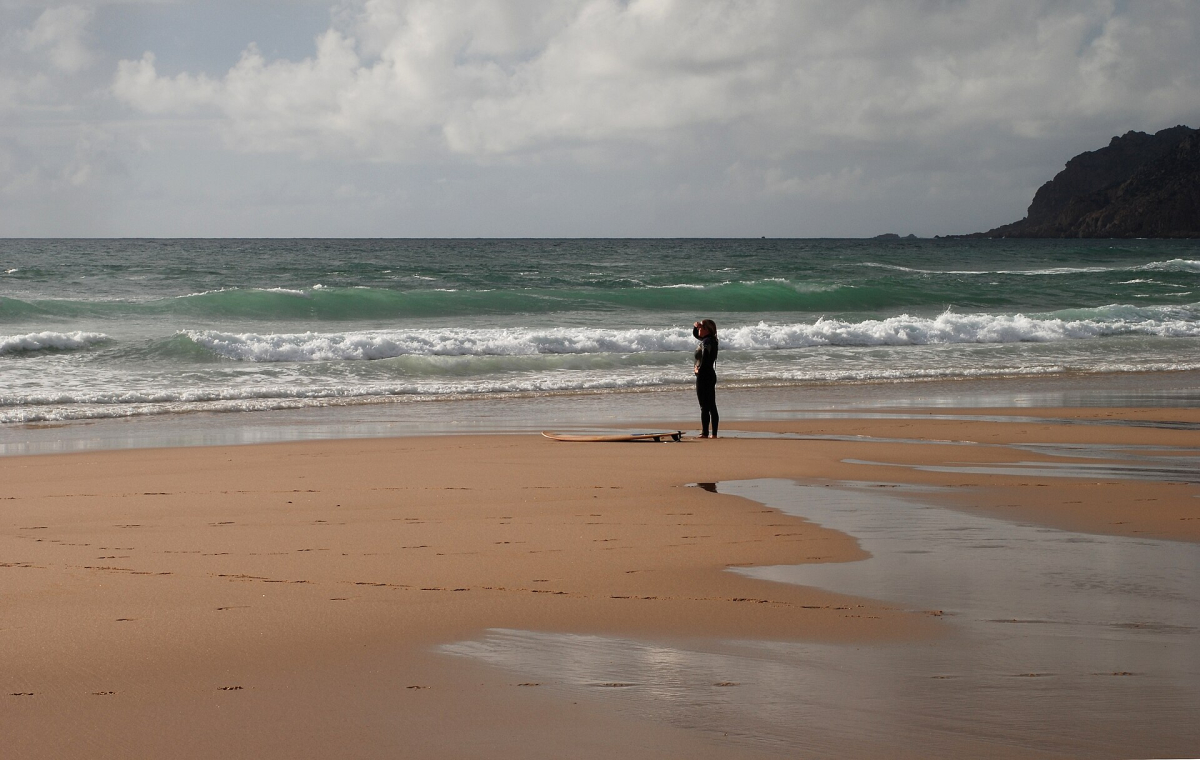
Follow beach flags, lifeguard instructions and current local notices. A calm-looking photograph cannot show currents or establish that entering the water is appropriate. Choose a supervised setting when it suits your needs and ask about actual conditions. Do not assume every beach has lifeguards throughout the year or at every hour. A Blue Flag designation should not be treated as permission to ignore the day's bathing instructions.
Keep clear of cliff edges, unstable ground and restricted areas, and avoid sitting directly below hazardous cliffs. Use designated access rather than following another visitor's improvised descent. A coastal walk and a bathing visit need different preparation. The Beaches page helps compare Algarve coves, exposed shores near Lisbon and island settings, but local conditions still determine whether a specific activity is suitable.
Wildfire and rural access notices
Wildfire risk and related restrictions can affect rural outings and access. Check official advice, current weather warnings and instructions from the responsible local authority before driving to a trail or remote viewpoint. Do not enter a closed route because it appears quiet or because a photograph was taken there previously. An itinerary should have a workable alternative when access changes.
Know how you will return from an isolated outing and keep the vehicle or pickup arrangement practical. Avoid parking where it blocks residents, service vehicles or emergency access. Follow the current rules for the area and do not light a fire or use equipment contrary to restrictions. If you see an immediate emergency, contact 112 with clear location information and follow official instructions.
Madeira and Azores walking plans
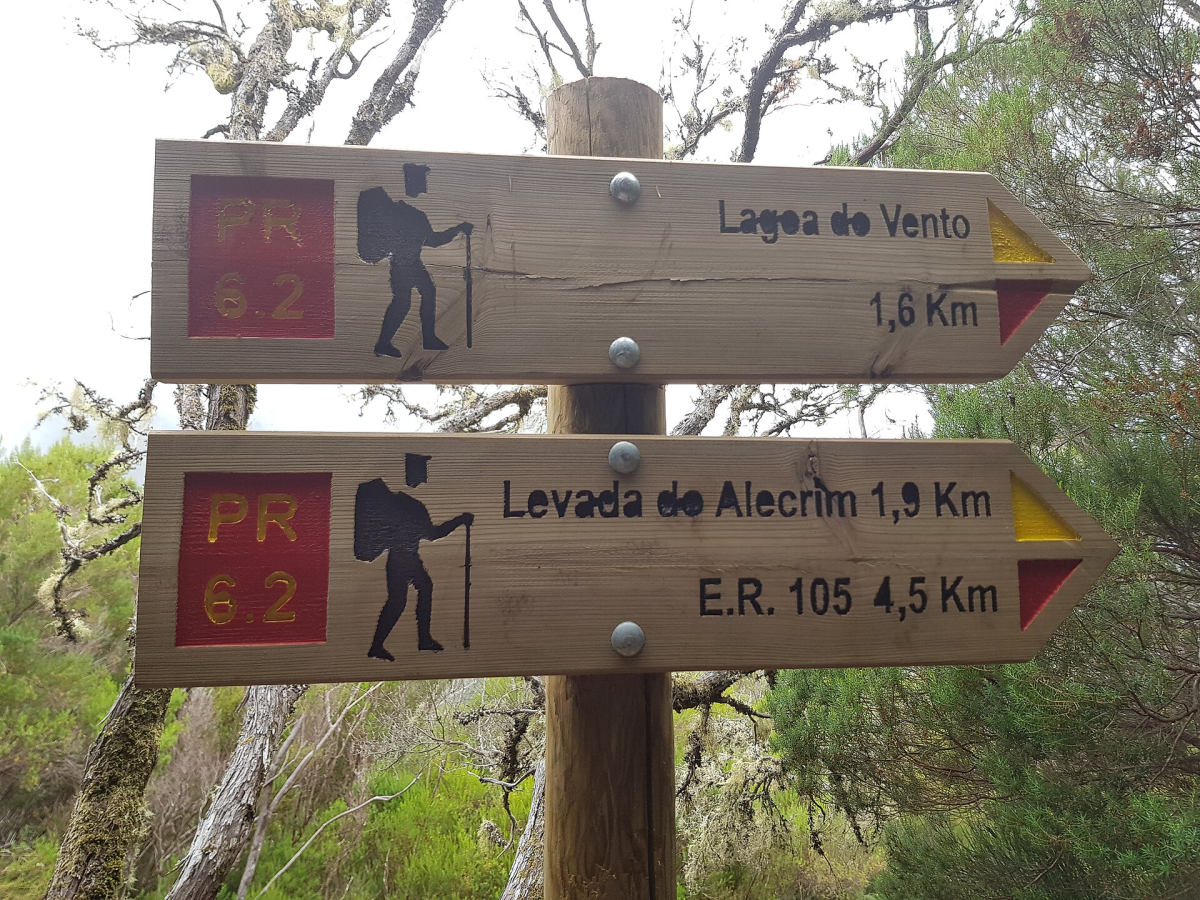
Madeira's classified trails and the Azores' official routes have specific current information and alerts. Check the official route page before departure and again near the walk. A route code, distance and surface matter more than a general label such as easy or scenic. Match the outing to the whole group and ask about access needs in concrete terms.
Weather and closures can change the plan. Stay on permitted routes, respect barriers and turn back if conditions or progress no longer suit the outing. Madeira's reservation arrangements do not by themselves establish that a route is open. The Azores' island-specific alerts should be checked for the actual island and route. Walking & National Parks provides the planning comparison; the responsible authority provides the current access decision.
Driving, rental terms and transport choices
If hiring a car, review the supplier's requirements, vehicle cover, excess, deposit and instructions for tolls. Choose a vehicle you can drive comfortably on the intended roads. A rural route, an urban parking task and an island mountain journey present different demands. Do not make a tasting day depend on driving after drinking; arrange an appropriate alternative.
Public transport can reduce some driving responsibilities, but it still needs a complete plan. Check station locations, service changes and the last connection back. Keep a reserve of time for the departure rather than combining an uncertain outing with a tight flight. Getting Around explains the options, while the actual operator and rental contract provide the conditions for the service you use.
Keep a small, useful assistance record
Save 112, regional health advice, your insurer, your own consular service and the operators of important journeys. Add the address of each accommodation and booking references. Keep a copy available without a data connection and separate from the device carrying all your tickets. Give a trusted travelling companion enough information to help if you are unable to access it.
For routine problems, contact the company responsible for the service. A missed train reservation, an accommodation issue and a lost passport need different channels. Useful Contacts provides a practical directory. Good preparation means recognising the problem, explaining the location and reaching the right service, with enough flexibility in the trip to deal with a change calmly.
Official information and sources
Linked practical information reviewed on 13 October 2026. Recheck current timetables, entry requirements, event programmes and access conditions before committing to bookings.



