
Portugal Itineraries: 7, 10 and 14 Days with Realistic Bases
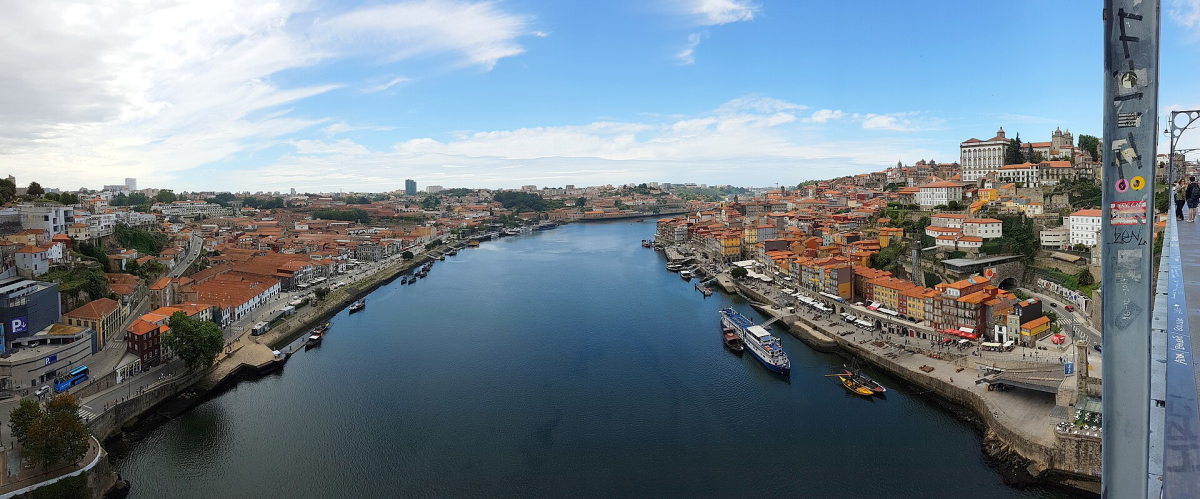
A useful Portugal itinerary gives each overnight move a reason. Lisbon, Porto, the Algarve, the Douro, Madeira and the Azores all deserve time, but combining every one of them creates a transport schedule rather than a holiday. The routes below are editorial suggestions for seven, ten and fourteen days. They assume you want time for meals and ordinary exploration, count arrival and departure days, and use a limited number of bases. Check dated trains, flights, attraction reservations and accommodation before committing. Use Portugal Map & Regions to understand the geography, then choose the route that matches your main interest. An island journey is an alternative to a mainland circuit, not a compulsory extension.
Seven days: Lisbon and Porto without a third hotel
For a first culture-focused mainland trip, compare four nights in Lisbon with two nights in Porto, using the seventh day for departure. This keeps the journey understandable and gives Lisbon room for a Sintra outing. Arriving in Lisbon and departing from Porto can reduce backtracking, but compare the complete fare and flight schedule. If return flights from one city work better, allow a separate transfer margin rather than assuming you can cross the country immediately before check-in. The route is suitable for travellers who enjoy cities and food; it does not include a relaxed Algarve beach stay or a rural Douro overnight.
Days one and two: arrive in Lisbon and explore one area at a time
On day one, reach the accommodation, settle in and take a short walk near your base. A late arrival should not carry a timed palace reservation. On the first full day, link neighbouring parts of Lisbon rather than crossing the city repeatedly: central riverfront and Baixa time can sit alongside a chosen neighbourhood walk and a meal. Hills, steps and cobbled surfaces may change how much ground your group wants to cover. Keep a café stop and an indoor alternative. The existing Lisbon Travel Guide supplies local detail; this country itinerary focuses on the order of days and the number of overnight bases.
Days three and four: choose Sintra and a distinct Lisbon day
Protect a full day for Sintra if Pena or another major monument is a priority. Read the official monument’s current ticket and arrival instructions before choosing a slot; the transfer from the railway station and the approach to the entrance are part of the journey. Avoid promising multiple palace interiors and a coastal excursion in the same day. Use the remaining Lisbon day for Belém or another clearly different interest, with time for lunch and the actual return route. If the Sintra weather or access is unsuitable, swap the days where the booking conditions permit rather than forcing the original timetable.
Days five to seven: transfer to Porto, then give the city a full day

Treat the Lisbon–Porto move as a transfer day. Compare the actual CP service, arrival station and onward connection to your property; the station name matters more than the broad city label. After arrival, choose a manageable riverfront or neighbourhood walk instead of a distant winery appointment. Give the next day to Porto and a focused interest such as architecture, food or a booked cellar visit across the river in Vila Nova de Gaia. On departure day, count the airport connection and required check-in margin. If the flight is early, choose the final night for that practical requirement rather than for one last late outing.
Ten days: add Coimbra and one focused Douro day
A ten-day route can use four Lisbon nights, two Coimbra nights and three Porto nights, followed by departure. Coimbra adds a distinct cultural setting between the major cities; it is more useful than another hurried stop merely to collect a destination name. One Porto-based day can become a Douro outing if the dated transport or tour supports it. Do not assume a public train, winery visit and return boat fit together automatically. A guided day and an independent valley journey are different choices. If wine-country accommodation is the priority, replace some Porto nights with a valley base and recalculate every transfer.
Make the Coimbra stop a stay rather than a luggage problem
Arrive with enough time to find the accommodation and explore locally. Use the next day for the university and historic city at a pace that suits the group, checking current visitor arrangements rather than relying on an old ticket description. Save the longer onward transfer for a different morning. Before reserving the property, verify the station-to-door route and luggage access: a hilltop location may add effort after a train journey. Coimbra can also support nearby outings, but one extra town should not consume the only full day you planned for the city. Keep the stop focused on the reason you added it.
Fourteen days: a mainland north–south route
Two weeks can support a broader circuit, for example three Porto nights, two Coimbra nights, four Lisbon nights and four Algarve nights before departure. This is still a selective route. An arrival in Porto and departure from Faro can reduce repetition when flights and fares suit you. The Algarve segment should be based in one chosen town or coastal area; Lagos and Tavira are alternatives with different practical advantages. Allow the Lisbon–Algarve journey its own day and choose the actual station or coach stop for your property. Adding Évora, a rural Douro stay and Madeira as well would require removing something or extending the holiday.
An alternative fourteen-day route: Lisbon, Alentejo and Algarve
Travellers who prefer slower landscapes to a second major city can build a southern itinerary around Lisbon, a compact Alentejo area and one Algarve base. Évora can serve a cultural stay, while an inland rural property creates different driving and meal requirements. Decide whether a car improves that section before booking remote accommodation. Start the rental when you need it, rather than paying to park it through the Lisbon city stay. Keep the Alentejo itinerary compact and compare summer exposure with another season. A coastal Alentejo stay is a different product from an inland Évora stay, so choose the setting deliberately.
Seven to ten days in Madeira: one island with flexible outdoor days
For a nature-led holiday, a focused Madeira trip can be more satisfying than dividing a week between several mainland cities and the island. Choose a base for the excursions you actually want, then keep the most weather-sensitive walking days movable. Funchal time, a suitable coastal outing and a classified trail each require different arrangements. Check official trail status and reservation requirements before assigning the walk to the itinerary. Porto Santo adds another transport decision and deserves its own time if beach days are central. A flight arrival is not a full hiking day, and a mountain forecast should not be inferred from the conditions at the hotel.
Seven to fourteen days in the Azores: choose islands before hotels
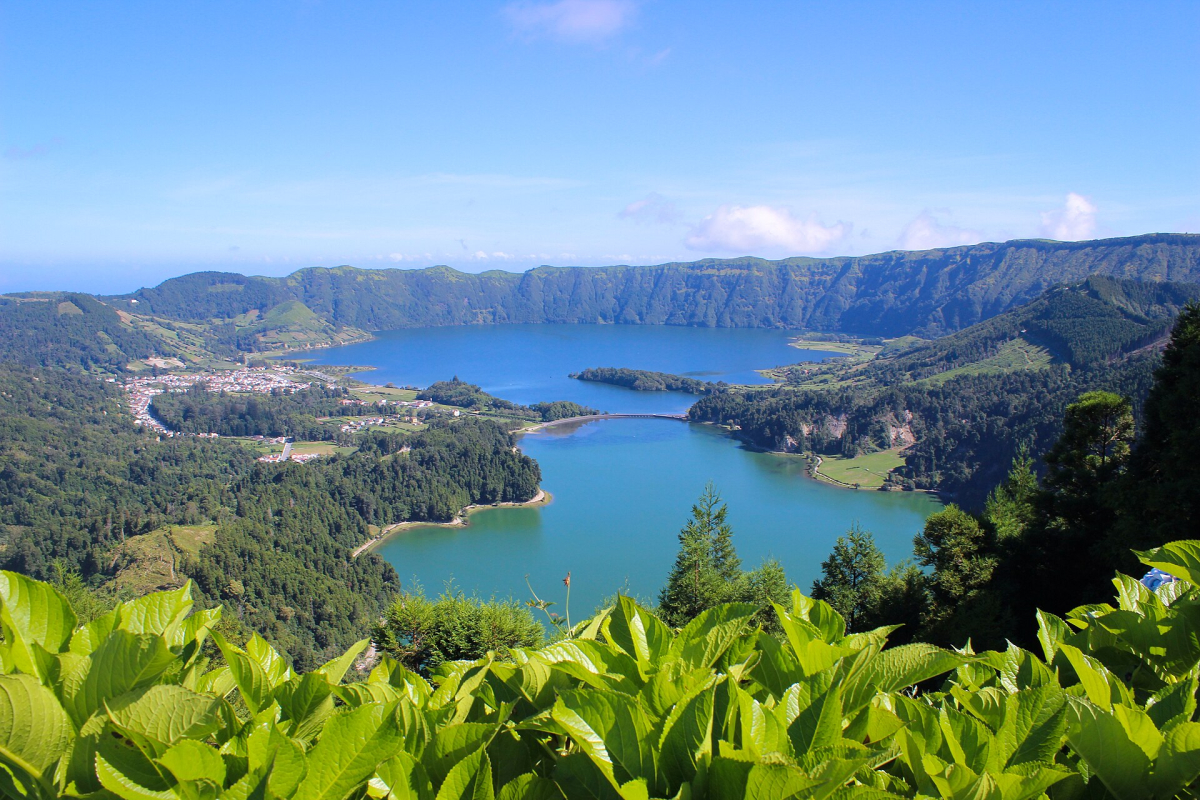
A first Azores visit can concentrate on São Miguel, giving changing visibility enough room in the schedule. Longer trips can combine islands with a specific reason for each, but should protect a margin before the international departure. The western, central and eastern island groups are spread across the Atlantic; a brochure inset compresses that geography. Confirm every inter-island flight or seasonal ferry for the travel dates. Put the last night where it supports departure and a disruption alternative. Town visits, meals and lower-exposure outings can fill a day when a high viewpoint or trail is unsuitable; do not treat every cloudy morning as a lost holiday.
Adapt the itinerary for children, mobility needs and budget
Reduce hotel changes when packing, steps or long connections create difficulty. A property close to a useful station can help, but check the accessible route and actual entrance rather than relying on a map pin. For children, protect predictable meals and a less demanding arrival day. For a tighter budget, compare the full cost of a move: fares, local transfers, extra baggage, parking and the meal you will buy while travelling. An extra night in an already useful base can be better value than a cheap room in a distant town. Keep long-stay budgeting separate from a short holiday circuit.
Book in the order that protects the route
First choose the geographic focus and legal length of the trip. Next compare flights or international arrivals with the final departure, then reserve accommodation that supports the dates. Check timed attractions and specialist experiences before making all transport non-refundable. Build a simple document containing each night’s address, the transfer and the booking conditions. Avoid mixing an unverified ferry assumption with a fixed onward flight. Use official operators for current schedules, and keep a realistic alternative where a disruption would matter. The final itinerary should leave space for the place itself: a market, a quiet meal or an unplanned walk can be a better use of time than another hurried transfer.
Compare your choices
| Available time | Suggested focus | Overnight structure |
|---|---|---|
| 7 days | Lisbon and Porto | Two bases; protect arrival, transfer and departure |
| 10 days | Lisbon, Coimbra and Porto | Three bases; one optional Douro day |
| 14 days | North–south mainland or a southern regional route | Four or fewer carefully chosen bases |
| Island holiday | Madeira or selected Azores islands | Choose islands and connections before hotels |
Official information and sources
Linked practical information reviewed on 13 October 2026. Recheck current timetables, entry requirements, event programmes and access conditions before committing to bookings.

.jpg)

