
Responsible Travel in Portugal: Practical Choices for Places and People
Responsible travel becomes useful when it changes ordinary decisions: where to stay, how far to move each day, whose instructions to follow and how to behave in a place people call home. Portugal's historic neighbourhoods, beaches, vineyards, rural villages and islands have different pressures and needs. This page offers practical choices that fit those settings without labelling a trip sustainable on the basis of an unverified claim. Choose fewer rushed transfers, respect current access rules and ask providers specific questions about the services they deliver. The aim is a worthwhile journey that remains considerate of residents, local work, landscapes and other visitors. Current instructions from the responsible authority take priority over a route or activity described elsewhere.
Choose an itinerary with less unnecessary movement
A slower route can reduce repeated packing, transfers and pressure to fit distant places into a short stay. Start with the experiences that matter, then choose a few bases that support them. Lisbon, Porto, the Algarve and two archipelagos should not become a single rushed checklist. Map & Regions and Itineraries help place those choices geographically before transport is bought.
Compare rail, coaches and other appropriate options for the journeys actually available. An option is useful only if it reaches the place you need and fits the group. Do not claim an exact environmental saving without a relevant calculation. Even without a numerical claim, fewer unnecessary transfers can make the itinerary easier and leave more time and spending in the places you deliberately choose to visit.
Respect residential streets in Lisbon and Porto
A scenic lane can also be someone's entrance, workplace or route home. Keep doorways and narrow pavements clear, especially when taking photographs or gathering with a group. Avoid treating a window, washing line or doorstep as a visitor display that can be approached without thought. Ask before making a person the subject of a close photograph and respect a refusal.
Choose evening behaviour that allows residents to sleep. Leaving a bar or celebration quietly matters beyond the venue itself. When staying in a residential building, follow its actual rules for access and shared areas. A centrally located booking should be considered for its daily use and effect on the setting, rather than treated only as a convenient backdrop for a holiday.
Support local work without making assumptions
A meal, a guided visit, a craft purchase or a stay can provide a direct connection with the place. Ask who delivers the service and what is included. A familiar-looking product is not automatically locally made, and a small business is not automatically responsible in every practice. Choose according to information that can be checked rather than a label alone.
For a guide, school or excursion, look for clear explanations of the actual route, group arrangements, safety and local rules. Pay the agreed price and use the provider's verified booking channel. Keep expectations realistic: a resident's working day is not an unlimited visitor service. A respectful question about a product or practice can make a purchase more informed without requiring the seller to perform a cultural demonstration for every passer-by.
Rural villages and working landscapes

Alentejo fields, Douro vineyards and northern villages are working places as well as attractive landscapes. Stay on permitted routes, respect gates and do not enter private land for a photographic angle without permission. A track visible in a photograph is not proof of public access. Park where the vehicle does not block residents, farm work or emergency access.
Choose an outing with a known route and a practical return. Ask about appointments for vineyard or farm visits rather than expecting every property to accept an unannounced visitor. Keep a meal or guided service tied to its actual booking conditions. A slower visit can give more time to understand the landscape, while the basic obligation remains simple: leave working people able to continue their work and respect the boundaries of the place.
Walking: follow the responsible route information
For Madeira's classified trails, use the current official status and reservation guidance. For the Azores, check the route and alerts for the actual island. Mainland protected areas also require current local information. A downloaded track or a photograph from a previous year should not override an authority closure. A booking or fee payment does not by itself establish that conditions permit a walk.
Stay on designated routes, avoid trampling vegetation and take waste away. Match the route to the group and turn back when conditions make the original plan inappropriate. Do not make an emergency return depend on an unplanned remote crossing. Walking & National Parks explains the regional comparison; the official route authority provides the current access instructions for the place you choose.
Beaches, dunes and coastal edges
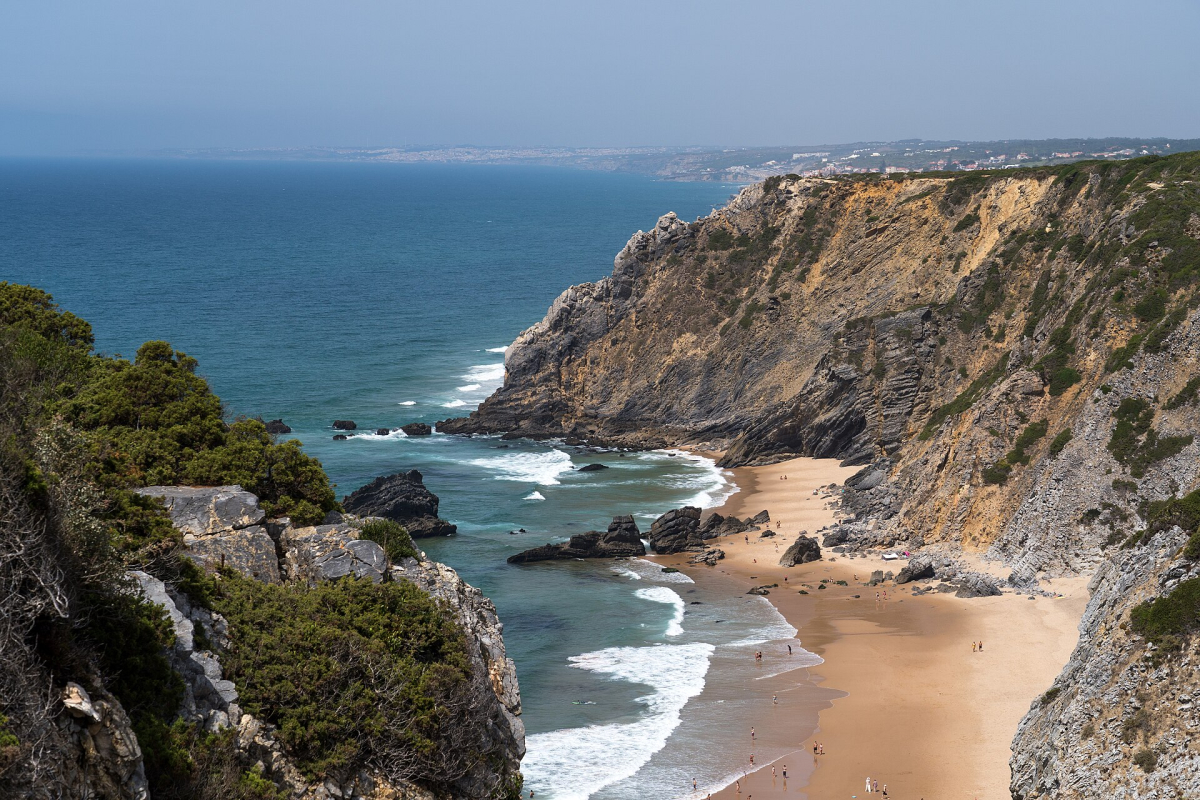
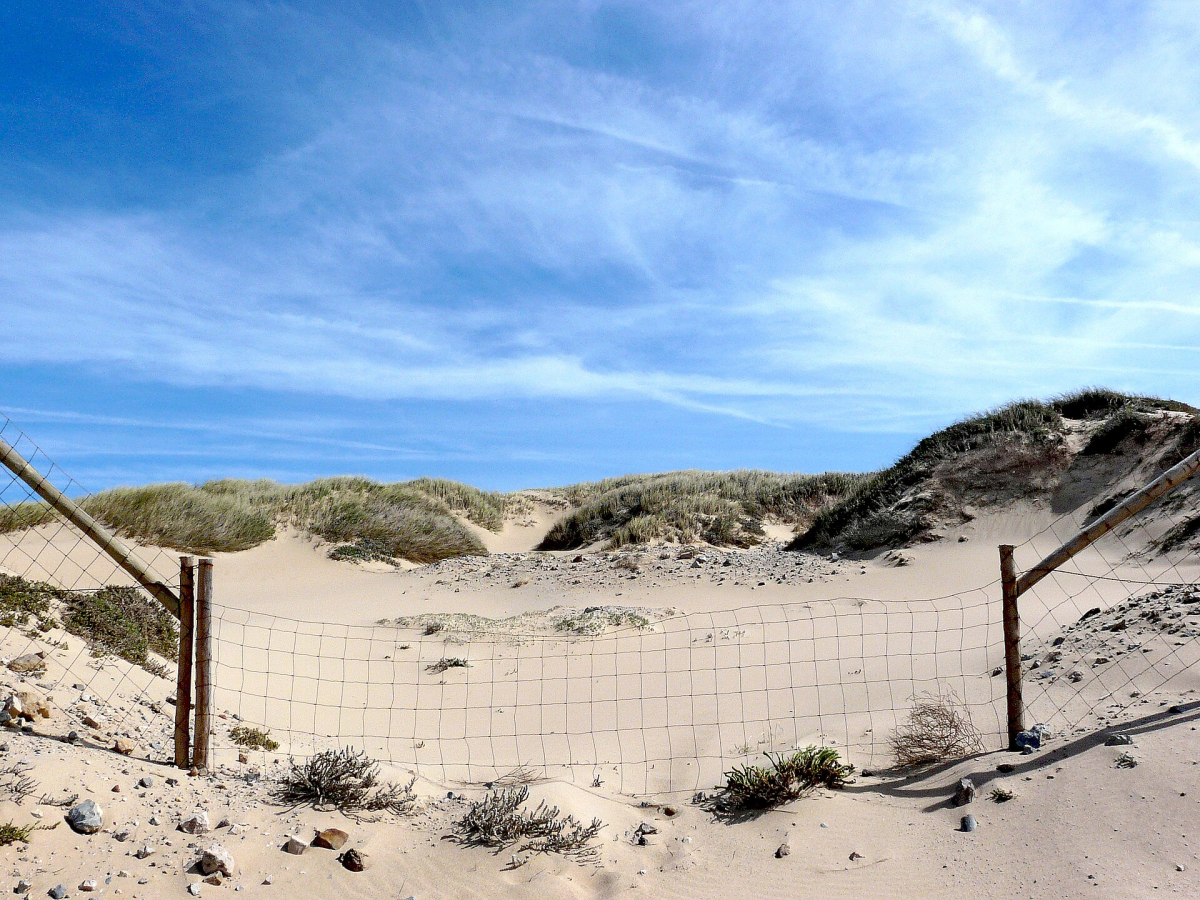
Use marked beach access and dune paths. Vegetation and fragile ground should not be crossed merely to save a few minutes or obtain a photograph. Respect barriers and avoid unstable cliff areas. Keep the day's local instructions visible, including bathing flags and lifeguard directions. A famous beach name does not make every activity there appropriate in every condition.
Carry waste out and keep belongings clear of shared access. Do not move natural features, disturb animals or leave equipment blocking a narrow path. If using an activity provider, ask about the actual site and conditions. Beaches helps compare coastal settings; responsible behaviour means fitting the outing to the place and the people using it, rather than forcing the coast to match an image from a travel page.
Islands: allow time and follow local limits
Madeira, Porto Santo and each Azores island have distinct transport and access arrangements. Choose a manageable island itinerary and allow room for weather changes. A tightly connected series of flights or crossings can push travellers to ignore local conditions simply to preserve the next reservation. A flexible stay on one island may make it easier to explore thoughtfully.
Use the island's official information for routes and sensitive sites. Do not assume a recommendation from another island applies. Arrange services through providers that identify their actual operating area and instructions. Respect residents and working land around viewpoints as well as in towns. The value of an island visit comes from time in the actual place, not the number of island names added to a short route.
Choose wildlife and water activities carefully
For any wildlife or water-based activity, use a provider that explains the actual operation, suitability and rules. Ask how it avoids disturbing animals and how participants should behave. Do not accept a promise of a guaranteed close encounter as a reason to ignore responsible-distance instructions. A country guide cannot establish every operator's practices from a marketing label.
Avoid feeding, touching or approaching wildlife where that is inappropriate or prohibited. Respect the guide's instructions and the responsible authority's current rules. For a sea activity, conditions and the group's abilities determine whether it should proceed. Choose an alternative when needed. A satisfying experience should not depend on pressuring an operator to go out or approach a place against its own conditions.
Water, energy and accommodation questions
Use accommodation resources thoughtfully and follow the property's instructions for equipment and waste. Ask specific questions if a sustainability claim matters to the booking: what practice is actually in place, what it covers and whether a claimed certification can be checked. A leaf symbol or a broad phrase should not be presented as verified evidence of the whole property's performance.
Choose the room and facilities you need, and compare location and transport as well as the hotel's stated practices. Keep heating, cooling and lighting appropriate to use. For a longer stay, clarify utility arrangements and the process for reporting a problem. Longer Stays & Costs covers the household budget, while this page focuses on practical behaviour and questions that can be answered without inventing an environmental ranking.
Events, photographs and the place after you leave
At a street celebration, leave room for residents, workers and other visitors. Follow organisers' instructions and keep a meeting point outside the busiest area. Photographs should be taken without blocking movement or making a person uncomfortable. A festival is part of the city's living calendar, not a setting reserved for visitors. Check the current programme rather than imposing expectations from a previous edition's pictures.
Choose purchases and activities deliberately, use verified sources and leave sites usable for others. Keep the itinerary flexible enough to respect a closure or change. Responsible travel does not require an unsupported perfect-trip claim; it benefits from ordinary choices made consistently. A journey that gives places time, follows their rules and treats people considerately can be more rewarding as well as more practical.
Official information and sources
Linked practical information reviewed on 13 October 2026. Recheck current timetables, entry requirements, event programmes and access conditions before committing to bookings.


.jpg)
