
Portugal Travel Guide: Plan Mainland, Madeira and Azores Trips
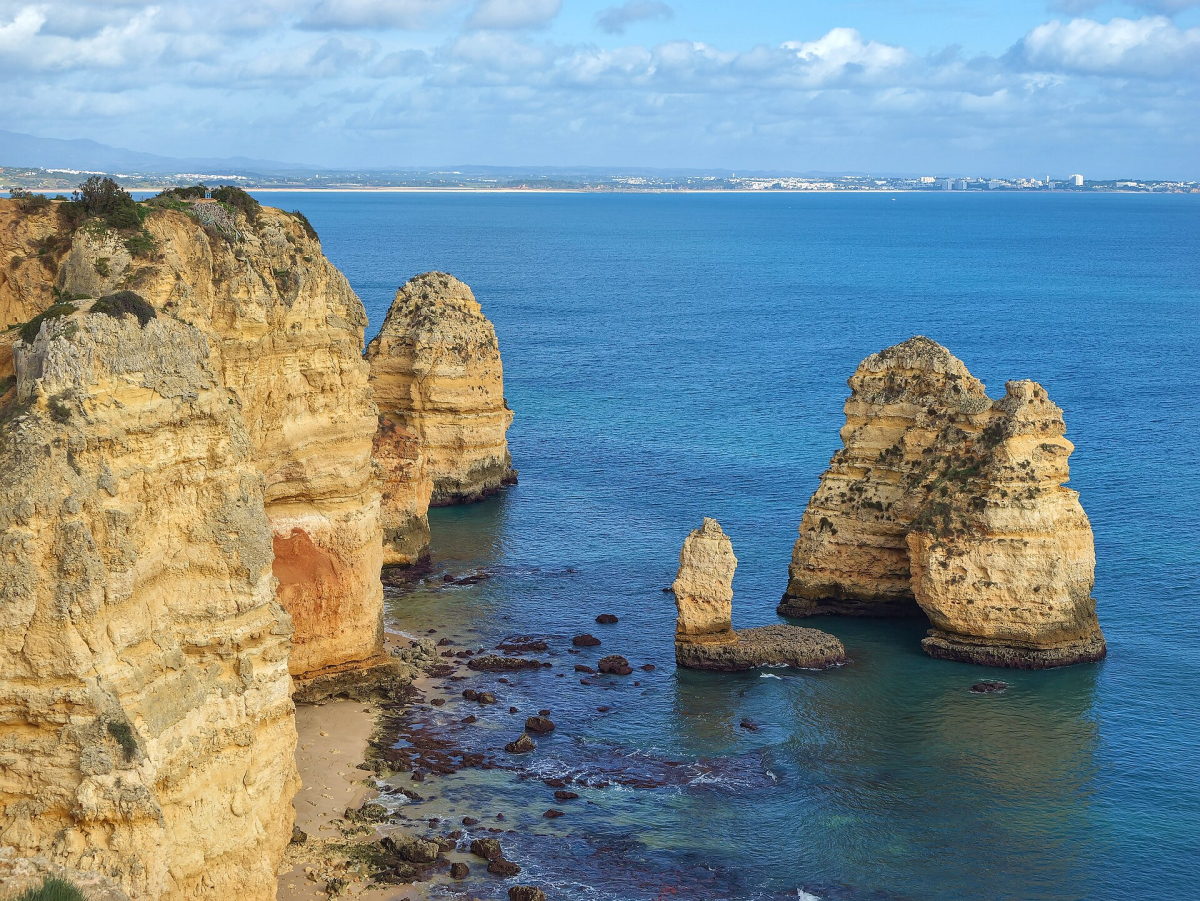
Portugal can support very different journeys: a Lisbon and Porto city route, a slower mainland stay through historic towns and countryside, an Algarve coastal holiday, or a dedicated Madeira or Azores trip. Choose the geography and pace first, then the experiences, accommodation and transport. This guide brings those decisions together with separate pages for each practical topic, including a dedicated map of the mainland and archipelagos. It avoids treating the islands as mainland day trips or turning a short visit into a rushed list of distant stops. Start with two or three priorities and a realistic number of bases. Current official information should settle entry, access and service questions, while the planning pages help you build a trip that works around them.
Choose the shape of your Portugal trip
For a first mainland visit with a city focus, Lisbon and Porto provide distinct settings and a clear route structure. Add another region only when the available days support it. An Algarve stay can focus on a chosen coastal base rather than repeatedly crossing the region. Alentejo or Centro can suit travellers who want historic towns, countryside and a slower pace between larger cities.
Madeira and the Azores deserve their own planning, including flights or relevant island connections and flexibility for weather. A short extension should be chosen for a real interest rather than for the number of destinations it adds. Map & Regions explains the geography, and Itineraries offers seven-, ten- and fourteen-day route structures with realistic bases.
Distinguish experiences from places
Choose the experiences that matter to you before booking every available admission. A Douro wine day, an Aveiro canal outing, a Porto food stop or a guided sea-sport lesson have different practical requirements. Some work as flexible visits; others need an exact product, meeting point and appropriate conditions. One substantial activity with nearby time can be more rewarding than several distant reservations.
Use Things to Do for the experience choices and Attractions for historic places and natural landmarks. The separate pages keep an activity programme from becoming another copy of a monument shortlist. Choose a paid guide when it supplies interpretation, transport or instruction you need, then check the actual selected option and conditions.
Select the season for the actual region
Portugal should not be reduced to a single weather pattern. A warm inland afternoon, an exposed Atlantic shore, a northern city and an island mountain route can present different conditions during the same trip. Choose dates according to the activities you want and keep weather-sensitive days flexible. A seasonal description is useful context but does not establish the forecast for a particular outing.
Best Time to Visit brings the former seasonal overlap into one retained Weather page. It compares regional and seasonal choices so you can make the date decision in one place. Festivals & Events distinguishes confirmed upcoming listings from recurring traditions; verify the exact edition and programme before arranging travel around a concert or parade.
Lisbon and nearby historic choices
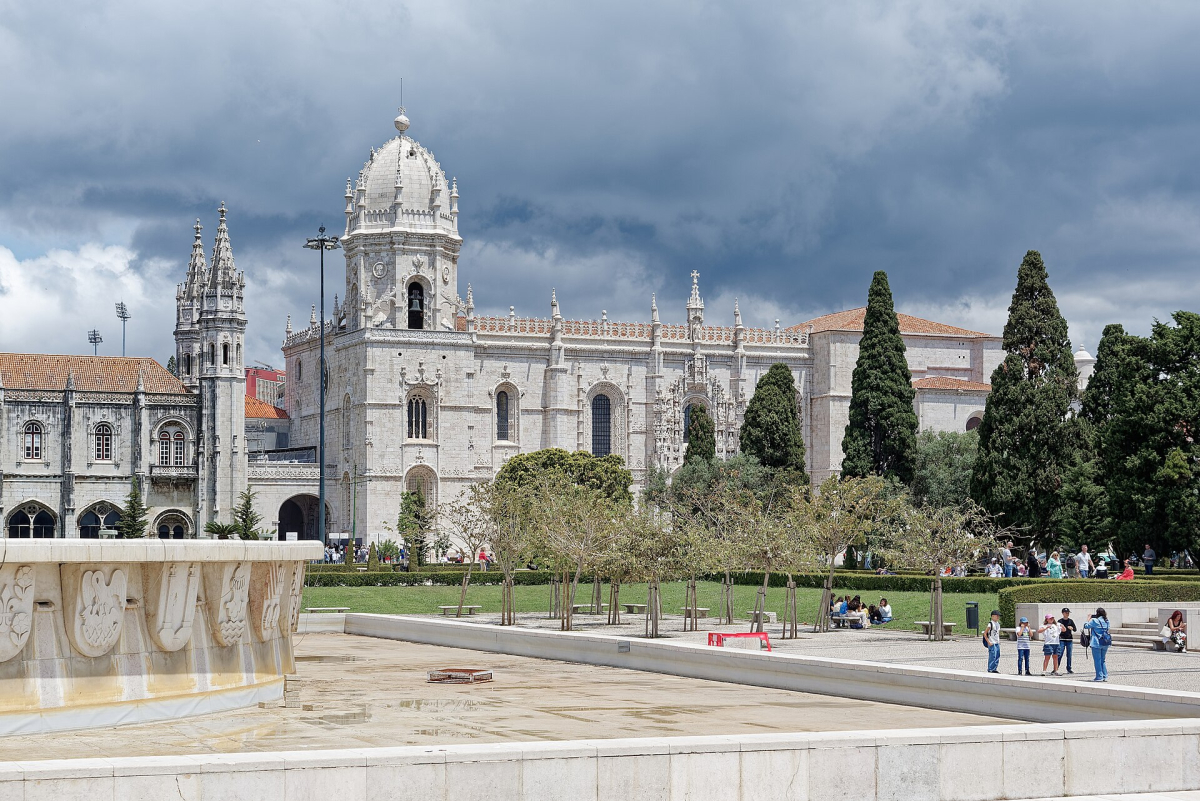
Lisbon can anchor a trip through neighbourhood walks, viewpoints, Belém and a carefully chosen evening. Its hills and distinct districts mean that a short map distance is not always a simple walk. Plan the actual hotel approach, the journey between neighbourhoods and a realistic return after dinner. A day around Jerónimos and Belém should not be treated as the same outing as one through the castle and old hilltop lanes.
Choose one or two main sights each day and leave time for cafés, meals and the city between them. If adding an excursion, check its complete transport and access rather than assuming it begins at the hotel door. The country Attractions shortlist helps identify places, while the base and transport pages resolve the practical route that makes them enjoyable.
Porto, the north and the Douro
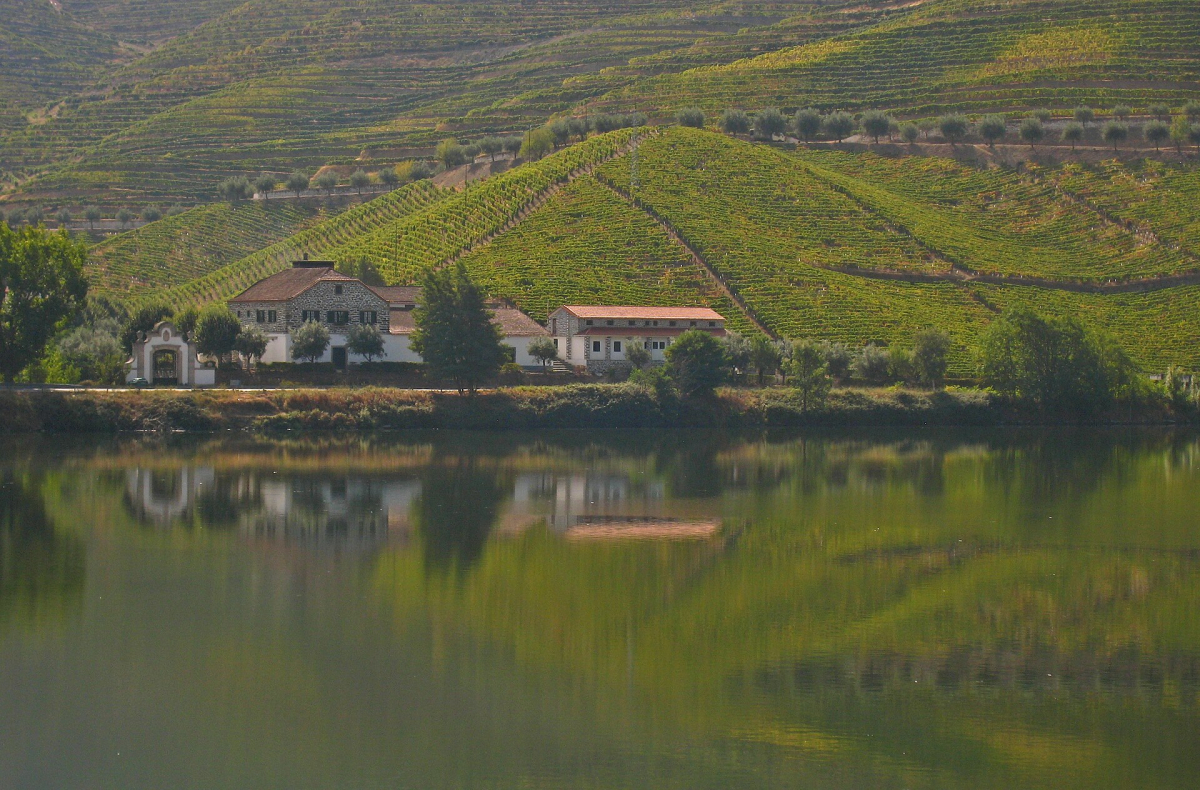
Porto's riverfront, historic streets and food give it a different rhythm from Lisbon. The north can also support a Guimarães visit or a nature-focused stay, while the Douro calls for a deliberate route between towns and vineyard properties. Reaching a station beside the river does not automatically place you at a hillside hotel or winery. Check the last leg and any reservation before treating the train journey as the whole outing.
If wine tasting is central to a day, choose transport that does not require driving after drinking. A guided product can solve some logistics, provided its exact inclusions suit you. Food & Drink gives regional meal ideas, and Nightlife compares performances, riverside evenings and livelier settings with practical return planning.
Algarve and other mainland coasts
The Algarve includes limestone coves, open western shores, resort areas and eastern towns with island beach outings. Choose the actual town and shore according to access, transport and the kind of day you want. Tavira town time and Ilha de Tavira beach time require different arrangements, while a Sagres visit can involve a substantial journey from an eastern base.
Beaches compares those choices with exposed shores near Lisbon and island settings. Check flags, supervision and local conditions on the day rather than reading a photograph as a promise of calm water. Walking & National Parks covers suitable route planning and current official access sources for mainland and island walks.
Choose the base before the property
A good accommodation choice starts with the region, town and neighbourhood that support the itinerary. Compare the exact address, access, transport and likely evening routine. A palace garden setting, a central city room and a coastal property can be attractive for different reasons, but their daily logistics are not interchangeable. A low nightly price can add transfer costs if the location does not fit the trip.
Use Where to Stay to choose the practical base. Hotels then provides a focused, verified shortlist of three distinctive luxury properties in Lisbon and Porto, each with its own photograph and direct Booking.com affiliate link. It identifies the shortlist's premium scope rather than pretending those properties cover every region or budget.
Budget with visible assumptions
Calculate accommodation by nights and the correct booking unit, food by the intended routine and transport by the complete route. Shared rooms, per-person tickets and rental vehicles should not be mixed into an unclear daily headline. Compare live offers for the dates and conditions you need, including taxes or charges shown and cancellation terms. Keep a reserve appropriate to the itinerary.
Travel Costs & Money gives short-trip budgeting methods and clearly labelled arithmetic examples. Longer Stays & Costs addresses a separate need: monthly accommodation, utilities and everyday spending for a longer temporary stay. Its examples are planning assumptions, and an affordable rental does not determine residence, employment or tax eligibility.
Complete the arrival and local transport plan
Compare the airfare together with baggage, arrival time and the entire transfer to the first night's address. Lisbon, Porto and Faro suit different mainland routes; an island booking must identify the actual island and each connection. A cheaper flight can require a costly transfer or an additional night. Keep the arrival day light enough to handle an ordinary delay.
Airports & Transfers covers the arrival and departure leg, including an account-generated flight comparison link. Getting Around then compares rail, coaches, cities, driving and island journeys. Its car-hire option belongs where a vehicle serves a real need, with the supplier's actual deposit, cover and toll arrangements checked before booking.
Check entry, health and everyday essentials
Entry requirements depend on nationality, documents, purpose and the whole route, including transit. Use official information and check every traveller. Visa & Entry organises the questions around documents, Schengen stays and current official systems without treating a predicted launch date as an operating requirement. Verify the applicable rules again before departure.
Travel Essentials develops the former Fast Facts topic into practical preparation for local time, payments, equipment and offline information. Health & Safety covers preparation for cities, coasts and nature, while Useful Contacts identifies the right official service for an emergency, health advice, a lost passport or a routine booking problem.
Photographs and a considerate journey
Portugal's landscape and cities reward time with light and access rather than a race between viewpoints. Check whether the place is open, stay on permitted routes and avoid blocking a street or path for a photograph. A scene taken in another year cannot establish current conditions. Distinct images throughout this guide identify the places they show and carry the necessary source and licence credit.
Photos & Photo Spots explains photographic choices and practical access. Responsible Travel turns consideration into ordinary itinerary decisions: fewer unnecessary transfers, respect for residential streets and working land, and current route instructions. A flexible plan with time in the actual place often gives a more satisfying trip than trying to collect every famous view.
Official information and sources
Linked practical information reviewed on 13 October 2026. Recheck current timetables, entry requirements, event programmes and access conditions before committing to bookings.



