
Where to Stay in Portugal: Regions, Towns and Practical Bases
Choosing where to stay in Portugal starts with the part of the country you want to experience, not with a nationwide list of attractive properties. A central Lisbon hotel, a Douro vineyard stay, a Lagos apartment and a Funchal base serve different holidays. This guide compares overnight locations and accommodation types. The separate Hotels page handles named properties and booking decisions. Before reserving, connect your accommodation to the actual arrival route, the meals and services you will use, and the outings that matter most. A convenient map pin can still involve hills, steps, a long taxi journey or a ferry that does not run when you expect.
For a first mainland visit, choose connected city bases
Lisbon and Porto are strong options for a trip built around culture, food and city exploration. A route combining them can work with rail, provided the dated service and the station-to-property connection suit you. Coimbra can add a useful intermediate stay when its cultural setting is part of the trip’s purpose. Avoid adding another hotel simply because a town appears between two city names on a map. Every change brings packing, check-in, transport and less time in the place itself. For a short trip, two useful bases often provide more freedom than four carefully staged but tiring arrival days.
Lisbon: choose the daily walking route and evening atmosphere
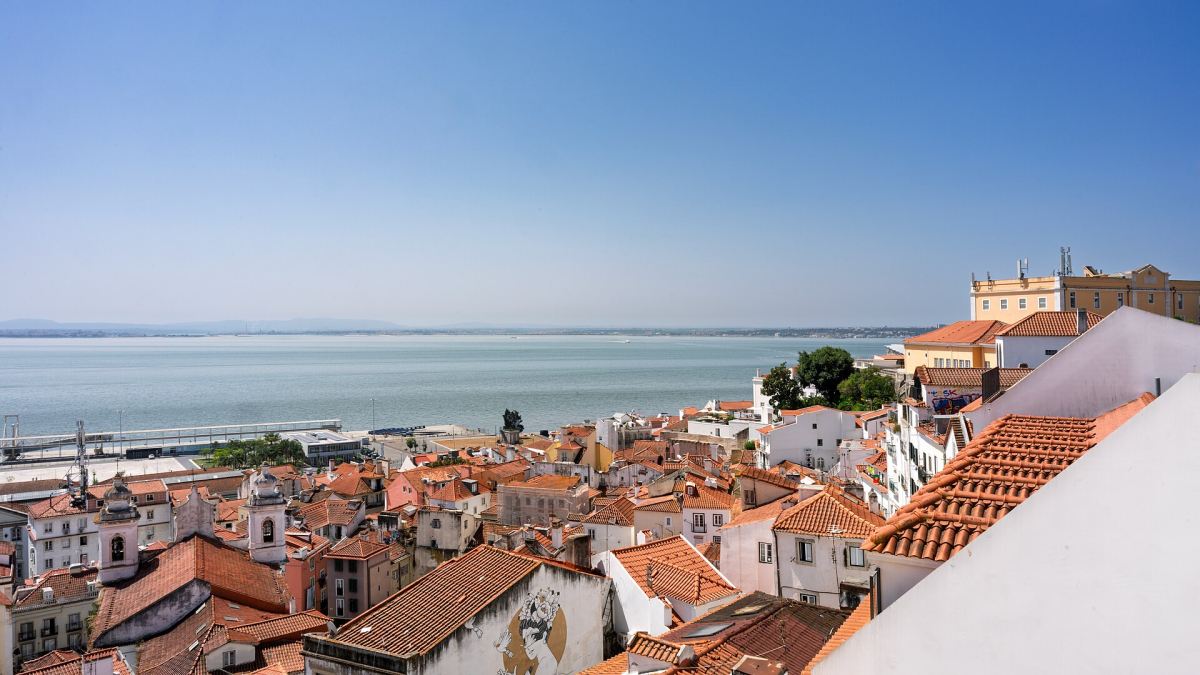
In Lisbon, compare the neighbourhood’s role in your days. A central area can help with sightseeing and meals; another location may offer easier access to the arrival route or a quieter room. The exact street matters because hills, stairs and nightlife differ within broad district names. Verify the entrance, lift, luggage approach and expected noise rather than relying on the phrase “historic centre.” If Sintra is a major priority, check the full outward journey and return. Use the dedicated Lisbon Where to Stay information through the Lisbon Travel Guide for detailed local comparisons; the country-level decision is how many nights this region needs.
Porto and Vila Nova de Gaia: river setting versus daily access
Porto’s riverfront appeal should be weighed against the route to the property and the places you want to visit. Some stays suit walking and meals; others work better for a particular station, a quieter setting or more hotel time. Vila Nova de Gaia, across the Douro, can suit wine-cellar visits and river views, but it is a separate daily position rather than an interchangeable city-centre label. Check the actual bridge or transport route and the return after an evening booking. A room described as having a river view does not establish that your chosen room category includes it; compare the booked category.
Coimbra and Centro: city stop or rural regional stay
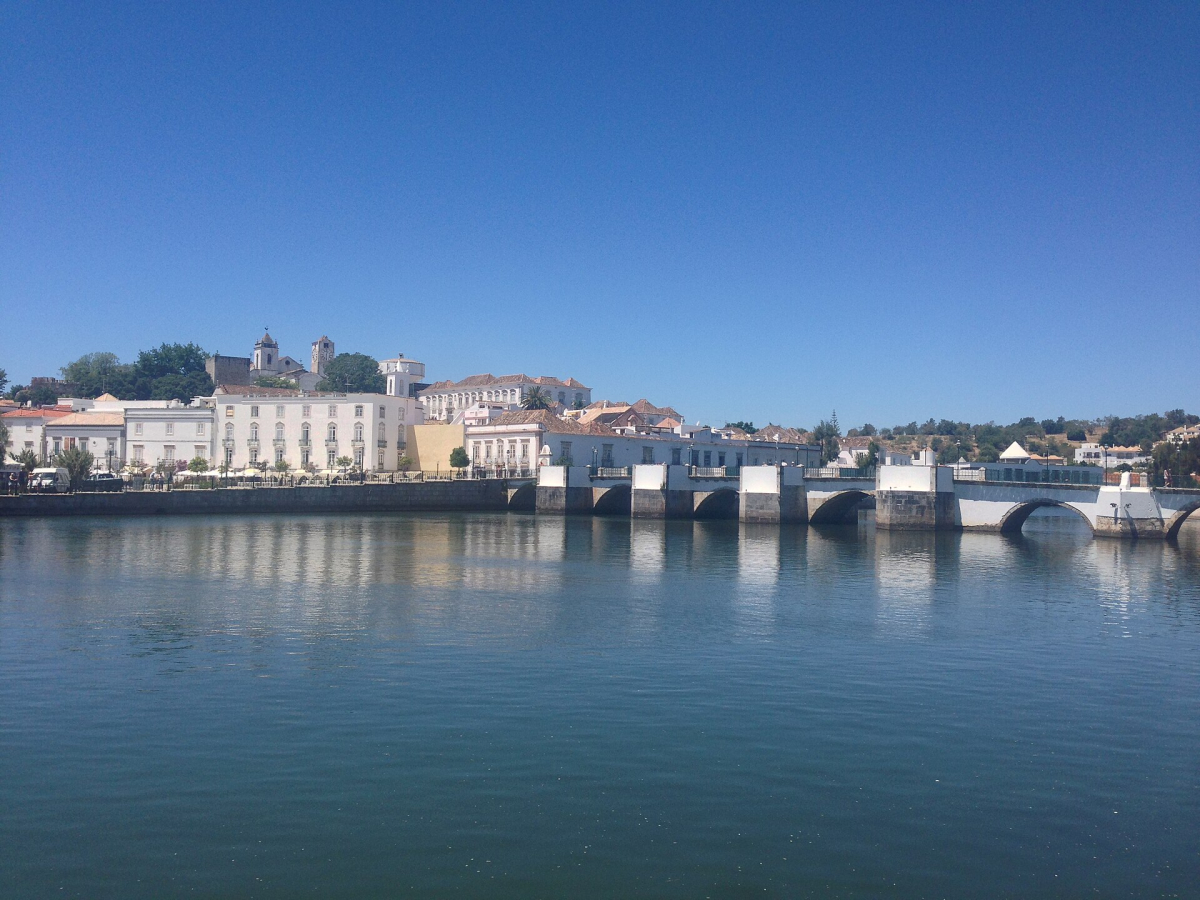
A Coimbra base makes sense when you want time for the university city and its historic setting. It is different from using a rural Centro property for villages or Serra da Estrela. Decide which pattern you want before comparing room prices. A city stay may fit a train route; a mountain or countryside stay may require a car, different weather preparation and advance thought about meals. Look at the exact station, parking arrangement and approach with luggage. A quiet rural accommodation can be excellent for an unhurried visit, but loses its advantage if you spend each day driving across the region to reach the interests you selected.
Douro Valley: book for the valley rather than as a city substitute
Stay in the Douro when vineyard landscapes, a specific winery visit or a slower river setting is the reason for the trip. Identify the property’s exact location and the transport needed after the train or road journey. A room outside a town can create dependence on a vehicle for meals as well as sightseeing. Ask whether tastings, restaurant service or transfers need reservations, and confirm the operating dates. A Porto-based excursion is an alternative when you do not want another hotel change. Compare that option honestly with a valley overnight: the time, scenery and practical responsibilities are different, and one is not automatically better for every traveller.
Alentejo: town convenience or countryside space
Évora can support a cultural town stay, while a rural Alentejo property may suit landscape, space and a slower routine. The inland region and its Atlantic coast are distinct choices. If you will be without a car, start with the available transport and walkable meals rather than a remote room’s headline rate. If driving, include parking, the final approach and the distance to everyday services. In summer, room cooling and exposure during planned outings deserve attention. For a longer stay, ask about a kitchen, laundry and internet rather than assuming that a property designed for a weekend holiday will support several weeks of ordinary daily life.
Western Algarve: compare Lagos, Sagres and the exact coast
Lagos can support a town-and-coast holiday, while Sagres creates a different position at the western end of the Algarve. Neither choice should be reduced to a promise of identical beaches or transport. Check how you will reach the shore, whether the accommodation is actually in town and how the day works without a vehicle. A resort outside the centre can serve travellers who want facilities and hotel time, but may add taxi or driving costs for every meal elsewhere. For a short beach stay, the approach to the beach and the room’s actual comfort can matter more than collecting several distant coastal viewpoints.
Eastern Algarve: Faro and Tavira as different working bases
Faro can be practical for an arrival, city services and selected Ria Formosa outings. Tavira has a distinct town setting and beach-access arrangements. Compare the actual water or land connection for the shore you intend to use, especially outside the busiest season. A property near the airport is useful for some late arrivals or early departures, but may not be the best place for an entire coastal holiday. If using rail or coach, read the station-to-door route and the final departure timetable. Choose one base for a relaxed stay unless moving clearly improves the holiday; a few nights in each end of the Algarve is not compulsory.
Madeira: choose a base for excursions and the room’s setting
Funchal works for travellers who value urban services, meals and organised departures, but the particular property may be above the centre or require extra transport. A stay elsewhere on Madeira can better match a quieter coastal setting or a focused part of the island. Do not choose only by the distance to one famous trail: access and weather can change, and a useful base should still serve the rest of the trip. Ask about parking if driving and the actual departure point if booking tours. Porto Santo is a separate island choice rather than another Funchal neighbourhood, so include the dated connection and its operating conditions.
Azores: choose the island, then the accommodation
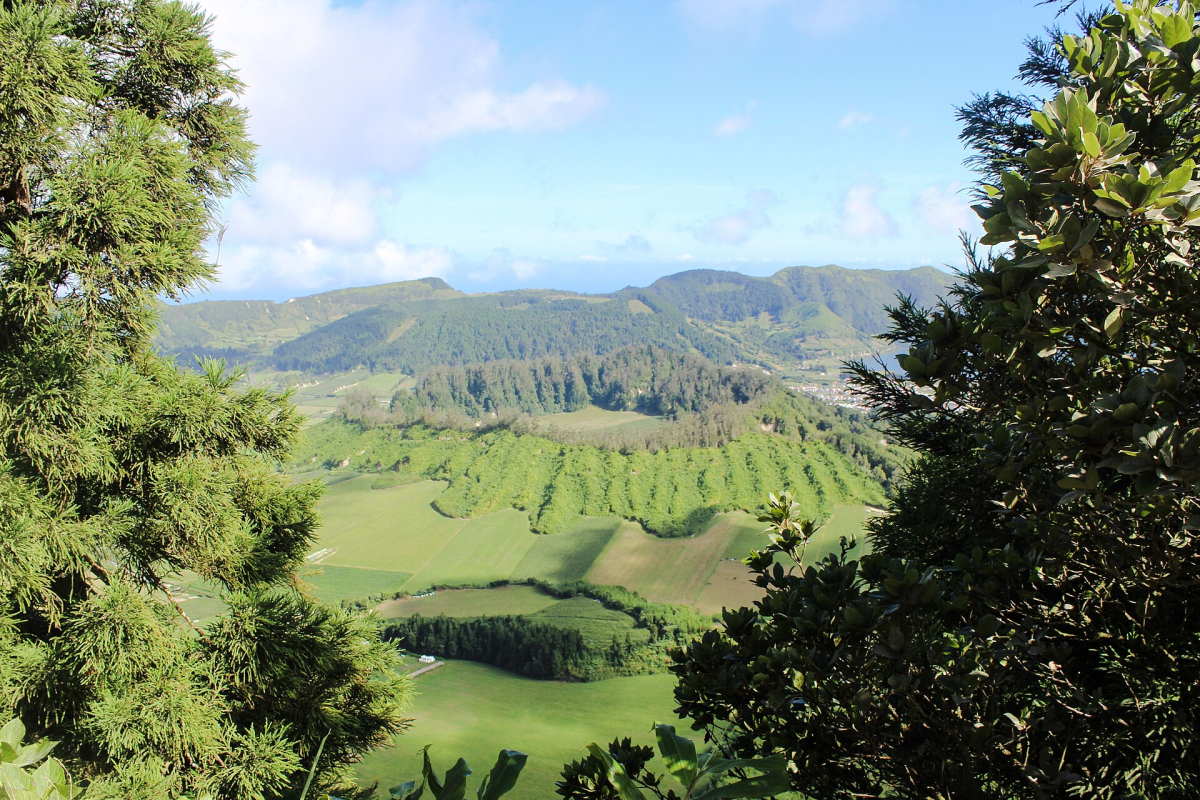
In the Azores, the first accommodation decision is which island or islands the holiday will cover. São Miguel can support a focused first visit; another island may better suit a particular landscape, walking or cultural interest. The archipelago’s spread means there is no one hotel position that serves everything. Verify car availability or other transport for the chosen island, the approach to the property and everyday meal options. If moving between islands, compare each connection for the dates and protect the final international departure. Choose the last night with that practical need in mind. A beautiful remote stay should not leave you with an unworkable airport return.
Match the accommodation type to the length of the stay
A hotel can simplify reception, breakfast and shorter visits, while an apartment can help with cooking and laundry. A rural house may provide space but require more independence. Read what is included rather than assuming every apartment has a full kitchen or every hotel has an overnight reception. For families, confirm sleeping arrangements, cot or extra-bed conditions and the room capacity. For a stay involving work, verify workspace and internet expectations directly. These are property-specific questions. Keep named hotel comparisons in Hotels and weekly or monthly budget planning in Longer Stays & Costs, so the same decision is not repeated on multiple pages.
Check the full-stay price and the cancellation terms
Compare properties for the same dates, guests, room category and flexibility. Add any clearly disclosed cleaning, parking, meal or local tax costs before judging value. A room that needs a daily taxi journey can cost more overall than a slightly more expensive walkable location. Ask about late arrival, luggage storage and accessibility before paying when those issues affect your trip. Save the confirmation and the property’s actual address offline. Avoid depending on an informal promise that is absent from the booking. If one uncertain outdoor activity is the only reason for the location, compare a more flexible base that remains useful if the plan changes.
A final base-selection exercise
Write down your three most important daily needs: perhaps reaching a station, walking to dinner and spending a morning at the beach. Check each candidate property against those needs with its exact entrance and actual routes. Then ask whether another base requires fewer compromises. Use the Portugal map to see whether the itinerary is geographically coherent, and check current operators for travel times rather than measuring straight lines. Select the location first and the named room second. This order reduces the risk of planning the whole holiday around a property that looked appealing but does not support the journey you intend to take.
Compare your choices
| Travel need | Bases to compare | Verify before booking |
|---|---|---|
| First mainland culture trip | Lisbon, Porto and a purposeful Coimbra stop | Arrival stations, luggage access and daily walking |
| Wine-country stay | A specific Douro town or rural property | Last-mile transport, meals and winery appointments |
| Beach holiday | One chosen Algarve town or coastal property | Beach approach, season and return transport |
| Island nature | Madeira or a selected Azores island | Excursion departures, parking and final flight margin |
Official information and sources
Linked practical information reviewed on 13 October 2026. Recheck current timetables, entry requirements, event programmes and access conditions before committing to bookings.

.jpg)
.jpg)
