
PORTUGAL · LISBON GUIDE
Lisbon Travel Guide


Lisbon is a city of neighbourhoods, river views and steep changes in level. A useful first visit balances the lanes of Alfama, the squares of Baixa and the waterfront monuments of Belém, with time for cafés, meals and an evening of fado. This guide helps you choose a base, organise your days and find the practical information behind each part of your trip.
Lisbon at a glance
| Decision | Useful starting point |
|---|---|
| Length | Three full days for two city districts and one additional outing; a day trip uses most of a day. |
| Base | Baixa/Rossio for a centre-focused trip; compare the exact luggage approach in hill districts. |
| Arrival | Lisbon Airport (LIS); check the terminal, transport changes and final building entrance. |
| Budget | Separate the room total from per-person transport, food, admissions and any visitor tax. |
| Access | A short map distance may include stairs or a steep slope. Confirm the entire route. |
These are editorial starting points. Use the detailed guides below for tickets, neighbourhoods and personal requirements.
Choose a trip that fits your time
| Time available | Priority | Leave for another day |
|---|---|---|
| One full day | Baixa, Praça do Comércio and one hillside neighbourhood; allow a proper lunch break. | Belém interiors and Sintra: both introduce another journey and admission decisions. |
| Two full days | Historic centre on day one; Belém and its riverfront on day two. | A separate coast or palace outing unless it replaces a city day. |
| Three full days | Two city days, then choose Parque das Nações, the Cascais coast or Sintra. | Trying to fit all three alternatives into the same day. |
Editorial itinerary examples, not guaranteed tour durations. Walking pace, access needs and queues change the plan.
For a first morning, start low in Baixa before choosing an uphill loop. A Praça do Comércio–Sé–Alfama route gives a useful change from the riverfront to older lanes, but it is not a step-free circuit. Keep the last hour flexible: a café or short waterfront walk is easier to move than a timed monument ticket.
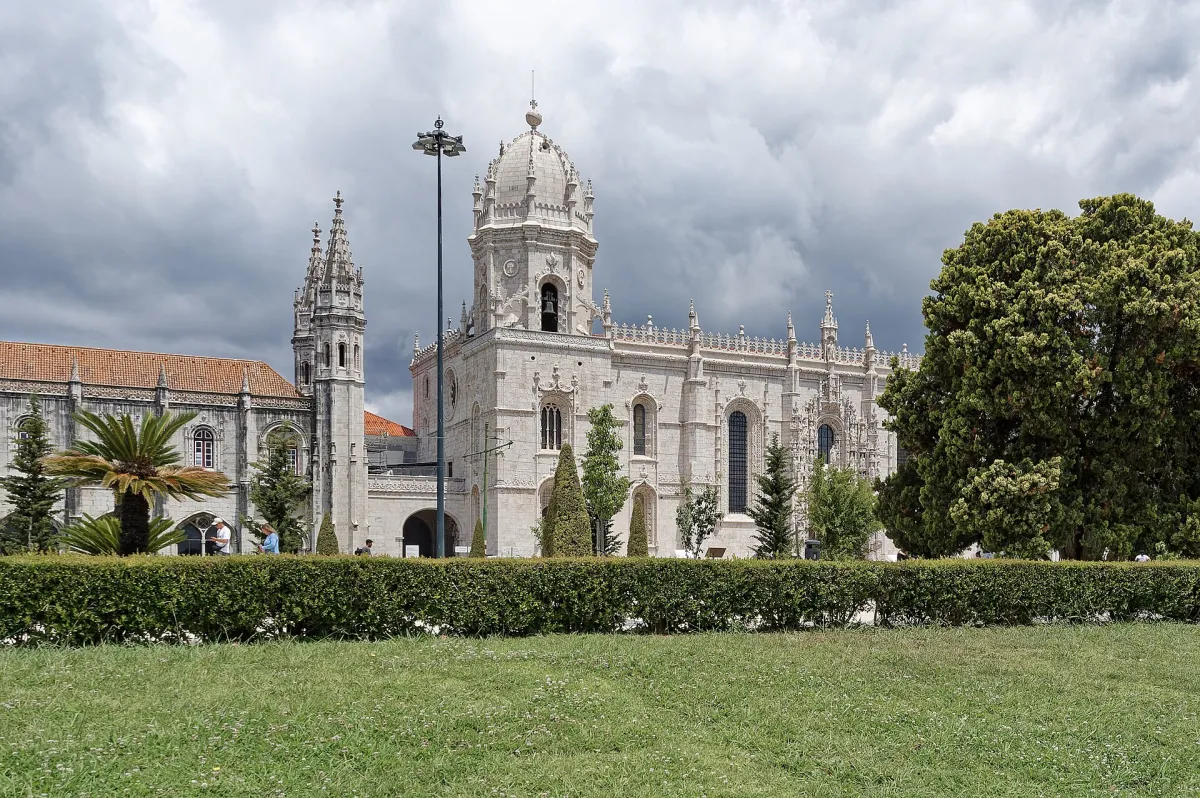
Belém is best planned as its own outing. Pick one paid interior as the anchor, then add exterior photography and a meal around it. A monastery booking, a tower visit and a viewpoint can involve different entry systems; do not buy a pass until you know which visits are operating and available.
Plan your Lisbon trip
- Things to do: choose sights and experiences.
- Best time to visit: compare seasons and prepare for the weather.
- Where to stay: choose a neighbourhood before choosing a room.
- Getting around: plan your airport arrival and understand transport tickets.
- Travel costs and money: build a budget with clear inclusions.
- Map and neighbourhoods: group nearby stops.
How many days do you need?
For a first visit, our planning suggestion is three days: one for the historic centre, one for Belém and one for another neighbourhood or a trip outside the city. Two days can cover a shorter version of the centre and Belém. A single day calls for a smaller area, with room to stop rather than a checklist of every landmark.
Add a separate day if Sintra’s palaces are a priority. Choose a different day for a beach outing when you want time by the sea. These are suggested travel plans, not guaranteed visit times; opening hours, queues, your pace and access needs will shape the final route.

Where to go first
Baixa and Chiado: Start around Praça do Comércio and the streets of Baixa, then continue towards Chiado for cafés and shops. Baixa’s grid is easier to navigate than the old hillside lanes, but the climb towards Chiado still matters when planning with luggage or limited mobility.
Alfama and the castle hillside: Explore gradually, allowing for steps and uneven paving. Combine a viewpoint with a walk through nearby streets rather than crossing the city between every stop. These are lived-in neighbourhoods: keep doorways clear and ask before photographing residents.
Belém: Set aside a separate half-day or longer for the waterfront, the Discoveries Monument and a booked monument visit. Leave time for transport from the historic centre. Check admission arrangements before building a day around interiors.
Parque das Nações: Choose this riverside district for a different view of Lisbon, including contemporary architecture and the Oceanário. It is also useful to consider when your plans centre on Oriente or events in this part of the city.
Find experience suggestions in Things to Do in Lisbon.
A practical one-, two- or three-day plan
One day: Praça do Comércio and Baixa in the morning; choose Chiado or the Alfama hillside in the afternoon; finish with dinner in the same area. Add fado if you have booked a performance and checked the evening arrangements.
Two days: Keep the first day’s centre route. Spend the second day in Belém, choosing one booked interior visit and the waterfront. Avoid treating Belém as a short stop between several distant attractions.
Three days: Use the third day for Parque das Nações, another neighbourhood or a day trip. Choose Sintra for a palace-focused outing or Cascais for a coastal day; combining both with several Lisbon sights creates a rushed plan.
For Pena Palace, the operator requires a chosen visit date and time. Account for the onward journey within Sintra as well as the train from Lisbon. Official Pena ticket information.
Where to stay
Baixa and Chiado are practical starting points when you want central sightseeing and meals nearby. Alfama suits travellers who value its historic setting and can manage the approach to their accommodation. Bairro Alto and Cais do Sodré require closer attention to street noise. Avenida da Liberdade, Marquês de Pombal and Saldanha offer other bases to compare by transport and room requirements.
Look beyond the district name: check the exact entrance, steps, lift, luggage access and cancellation terms. Read Where to Stay in Lisbon for area comparisons and Lisbon Hotels for researched property options.
Getting around


Combine walking within a neighbourhood with public transport between districts. The airport has a metro station on the Red Line; the route to your accommodation may require a change and a final walk. Choose your ticket according to the operators you will actually use, especially when adding a ferry or a suburban train. Airport transport information.
Check Getting Around Lisbon for ticket choices. A historic tram is public transport with limited space; build an alternative into your day if queues are long.
Check before booking attractions
Service and admission changes can alter an itinerary. At our 7 October 2026 check, CARRIS listed Glória and Lavra as temporarily closed. The Lisboa Card provider also listed temporary museum closures and required timed reservations for card holders visiting Belém Tower and Jerónimos Monastery. Check the providers before relying on a lift, funicular or included attraction. CARRIS status, Lisboa Card visitor updates.
Food, evenings and the coast
Build time for a café, a pastel de nata and a meal rather than moving straight from sight to sight. Food & Drink explains dishes and dining choices; Nightlife & Fado helps you choose an evening and understand performance arrangements.
For a coastal outing, the beaches between Lisbon and Cascais are a separate trip from the historic centre. Compare train-accessible options with other coastlines in Beaches Near Lisbon. Visit Lisboa’s coastal guide.
Travel essentials
Portugal uses the euro and Portuguese is the local language. Allow for hills, uneven surfaces and changes to transport or admission arrangements. Keep belongings secure in crowded places and use Health, Safety & Useful Contacts for help during your trip.
Browse Lisbon photos and photo spots for visual context, and Responsible Travel for practical ways to respect the city and its residents.
Practical information reviewed 7–8 October 2026. Recheck linked operators for current prices, opening, ticket availability and access before booking. Route and photography suggestions are editorial planning guidance.
Day trips from Lisbon: choose one main purpose
Choose Sintra for a palace-focused day or Cascais for a coastal town and waterfront walk. Both compete with a city sightseeing day; combining them with several Lisbon attractions leaves little room for delays. The following are planning allowances, not published timetables or guaranteed transfer times.
| Trip | Allow for travel and visiting | Decision before departure |
|---|---|---|
| Sintra | Roughly 1–1½ hours each way to the town and an onward journey to a hilltop palace; reserve a full day with one principal palace visit. | Choose the exact timed admission first, then allow for the station-to-entrance transfer and the final walk. |
| Cascais | Roughly 1–1½ hours each way including the approach to Cais do Sodré; allow several hours in town and by the coast. | Choose a town walk or a beach day; bathing requires a separate weather, flag and lifeguard check. |
Use CP’s current journey planner for the departure station, travel date, disruption notices and the final return you intend to use. A timetable at the time of research cannot establish the last train on your future travel date. Save a later practical fallback, charge your phone and leave the palace or beach early enough for the local transfer back to the railway.
For Sintra, compare a direct journey from Rossio with the connections useful from your own base. A train ticket ends at the station, not the Pena Palace entrance. The palace operator’s ticket instructions govern the booked time and access; do not treat a city pass or park ticket as permission to enter every interior. For Cascais, start with the official coastal overview and our beach transport and safety choices. In poor weather, keep the extra day in Lisbon rather than forcing an exposed coastal plan.
Parks and outdoor breaks
Build a short green-space stop into a district day instead of treating every outdoor hour as another climb. Jardim da Estrela, opposite the basilica, offers a garden setting with a bandstand, ponds and play areas. It works as a pause around an Estrela visit rather than an immediate continuation of the Belém waterfront.
For a more open riverfront walk, consider Parque das Nações alongside the Oceanário area. Keep the distance modest, bring protection from sun or rain and identify a return point before committing to a longer walk. A waterfront promenade and a garden meet different needs: choose the garden for shade and a seated break, and the riverfront for an open view and a district walk.
Check the entrance and terrain for your needs; neither “park” nor “riverfront” guarantees a continuous step-free route or an accessible toilet. Dedicated cycling, hiking or an excursion beyond the city needs its own route and weather assessment. Our area map helps locate the districts, while accessibility checks help connect them.
Travel costs, access and practical planning
Use Travel Costs & Money to separate the room total from meals, transport and admissions. For passports and permissions, follow Portugal’s entry preparation route. For lifts, terrain, toilets and hotel entrances, use the accessibility checks. A lower price or shorter map distance is only useful if the arrangement works for your party.
Choose your season with Best Time to Visit, including an indoor alternative. The photo-planning guide explains what each district offers visually; Responsible Travel helps keep those visits considerate of residents and heritage.