
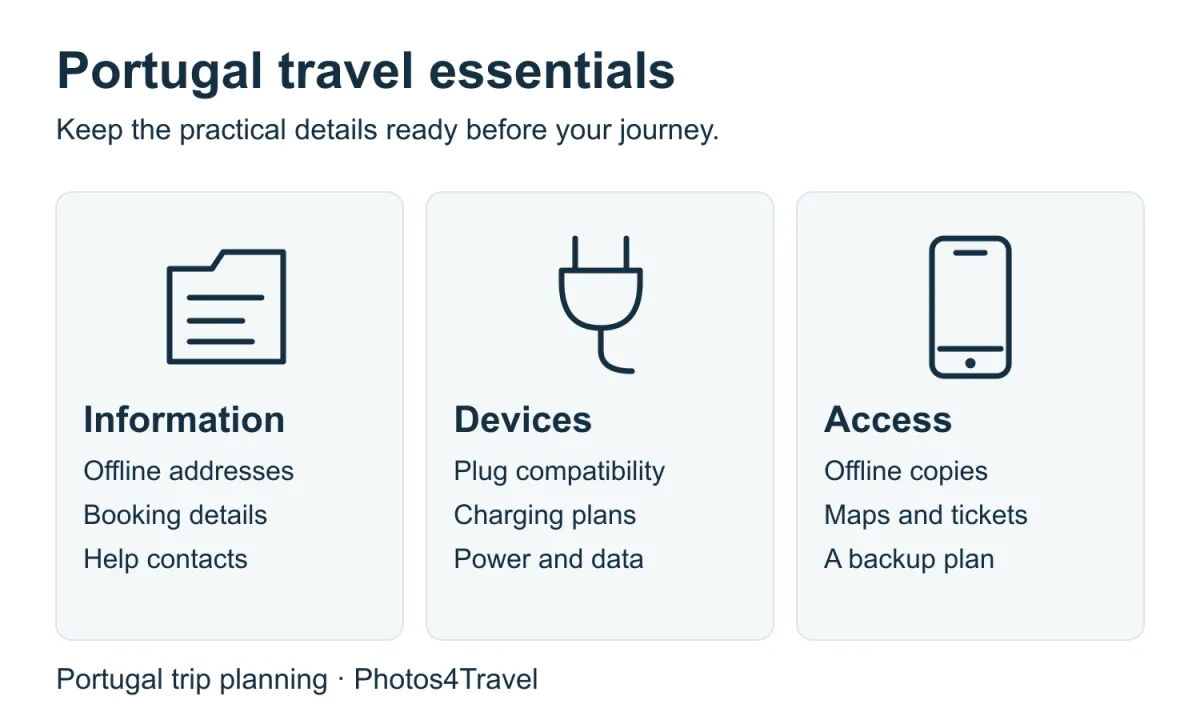
Travel essentials are the details that make an itinerary usable once you arrive: the correct local time, a workable payment method, suitable equipment, clear addresses and access to important information without a connection. This page develops the former Fast Facts topic into a practical preparation guide while keeping its existing address. Use the specialist pages for entry rules, health, transport and budgeting rather than treating a short list of facts as a substitute for them. Portugal includes a mainland and two Atlantic archipelagos, so first check which region and island your bookings concern. Organise the essentials around the actual dates and the needs of everyone travelling, with enough flexibility to handle an ordinary change to the plan.
Country, regions and destination names
Portugal lies on the western side of the Iberian Peninsula, with Spain across its land border and the Atlantic along its mainland coast. Madeira and the Azores are Portuguese archipelagos requiring their own travel planning. A map should distinguish those islands from the mainland and identify the actual island involved in a booking. Map & Regions provides that orientation with a dedicated map and labelled island insets.
Keep destination names and addresses in their actual local form when practical. An airport, town and hotel can have related names without being the same place. Save the postcode and exact entrance information for accommodation, especially in a historic quarter or rural area. A complete address is more useful to a driver or assistance service than a description such as near the old town.
Language and useful everyday communication
Portuguese is the country's language. Learning a few polite words can help an ordinary interaction, while important booking or access questions should be stated clearly in a language the provider understands. Do not assume every person you meet uses English or that a complex requirement has been understood after a brief exchange. Keep essential addresses written down so they can be shown without relying on pronunciation.
For a dietary restriction, mobility requirement or other precise need, use an accurate explanation and ask the responsible provider to confirm the actual arrangement. A translation tool can help with everyday information but should not be treated as professional interpretation for a consequential decision. Visit Portugal's official useful-phrases information provides a starting point. Courtesy and a specific question usually work better than repeating a vague request more loudly.
Local time: check island connections carefully
Mainland Portugal and Madeira share the same local time, while the Azores are one hour behind them. Check the local time displayed on each booking and the date involved when linking flights or arranging a remote meeting. Seasonal clock changes can also affect a journey near the changeover. Use the provider's current departure information rather than manually converting a ticket from memory.
Set the appropriate destination time on devices and calendar entries, but do not assume every reminder automatically updates in the way you intend. Keep the original local departure time visible in the travel record. An island connection can appear to have a different duration when the time difference is overlooked. Give fixed appointments a clear date, place and local time so travelling companions do not interpret the same note differently.
Weather planning and useful clothing
Pack for the route and season rather than a generic image of a sunny country. An exposed Atlantic shore, an inland town and a mountain walk call for different layers and equipment. IPMA's current local forecasts should guide the immediate plan. Best Time to Visit explains regional seasonal choices, while a forecast and an access notice determine whether an activity is suitable on the day.
Bring footwear for the surfaces you actually expect, including uneven paving and any properly planned walk. A coat or layer useful on a windy coast may still be needed during a trip with warm afternoons elsewhere. Keep a simple town or indoor alternative when a weather-dependent outing is central to the itinerary. Avoid overpacking for hypothetical activities that you have no intention of doing.
Electricity and device compatibility
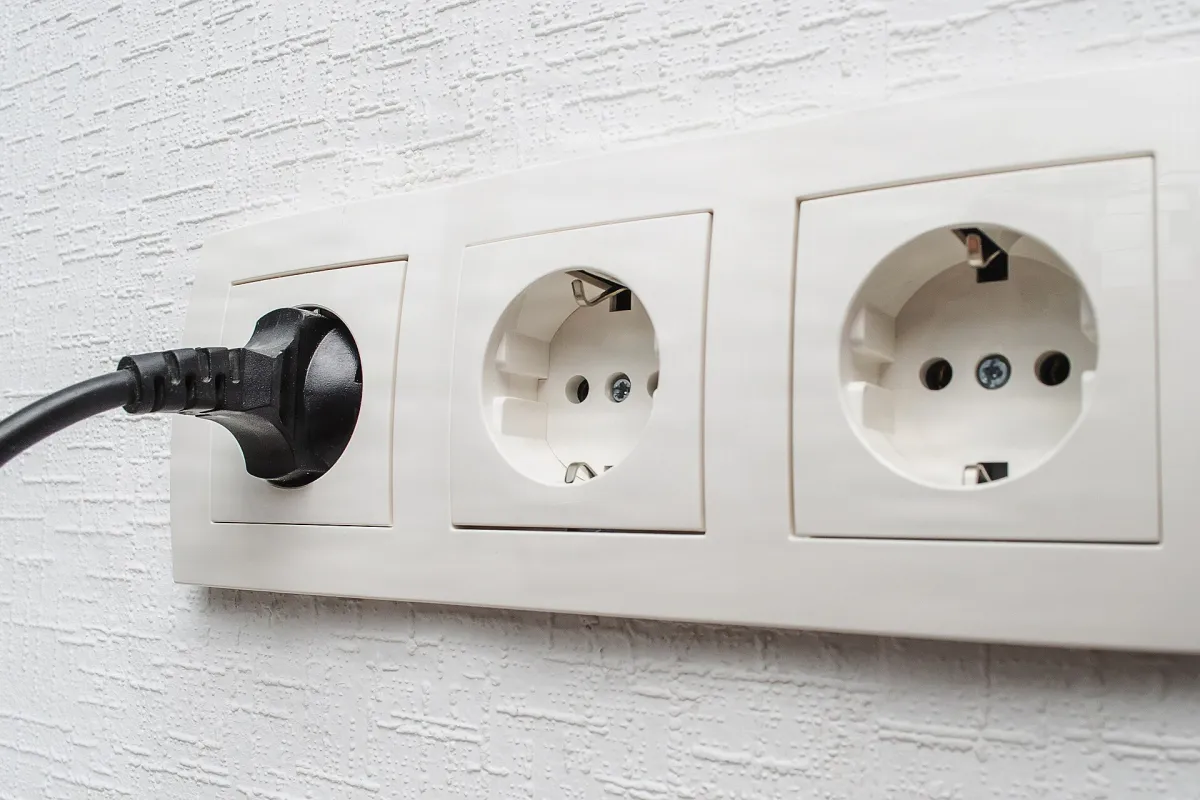

Visit Portugal identifies Portugal's electricity frequency as 50 hertz and its European-standard supply. For ordinary travel equipment, check compatibility with 230-volt power and the socket connection. Read the actual device or charger label and manufacturer's instructions. A plug adaptor changes the physical connection; it does not by itself convert voltage. Do not assume every appliance can be used with the same adaptor as a phone charger.
Pack the equipment you need in a manageable form and check the accommodation's actual outlet and charging arrangements where they are important. For medical equipment or another essential device, confirm requirements with the responsible professional and provider before travel. Keep spare charging access practical without overloading equipment. A working phone helps with tickets and maps, but important documents should also be available through another secure method.
Connectivity and offline information
Check your mobile plan's actual roaming conditions, data allowance and coverage for the trip. A plan used in another European country may have limits relevant to your account or destination. If buying another service, verify the device requirements and the conditions of the actual product. A guide cannot promise reception in every rural or mountain location.
Save maps, accommodation addresses, important confirmations and assistance contacts offline. Keep a backup of essential details separate from the phone carrying all tickets. Protect personal information on shared networks and do not enter account details into an unverified page offering travel help. The aim is enough information to complete an ordinary transfer or ask for assistance even when the connection, battery or device does not cooperate.
Euro payments and a practical reserve
Portugal uses the euro. Check your own bank's card and withdrawal conditions before leaving and keep a small workable cash reserve for situations where a card is not accepted or a terminal fails. Separate the backup payment method from the main wallet when practical. Do not carry the whole trip budget in cash merely because some routine transactions may need it.
Read any offered currency conversion and fees before accepting a payment or withdrawal. Your bank's charges and a machine's disclosed charge can be different. Travel Costs & Money explains how to compare complete bookings and budget by nights, days and people. This essentials page keeps the focus on having usable payment methods rather than duplicating the detailed short-trip and longer-stay calculations.
Meal times, reservations and local events
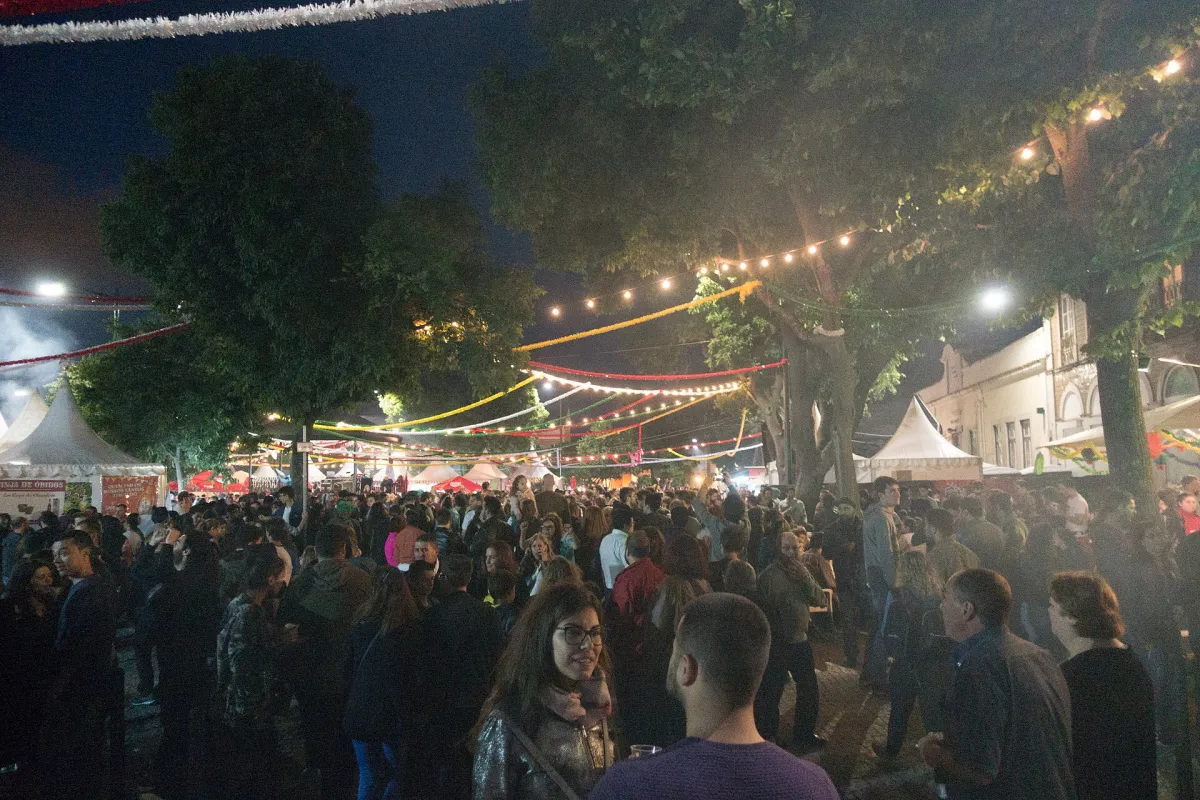

Plan meals around the actual establishments and programme you intend to use. Do not rely on a single national opening-hours rule for every café, restaurant or shop. Seasonal tourism areas, local holidays and events can change the practical choices. Check a current menu and booking channel when a particular meal is central to the day.
A neighbourhood celebration can affect streets and transport as well as provide an enjoyable evening. Save the event's current information and keep a workable return. Food & Drink covers regional choices and ordering, while Festivals & Events distinguishes confirmed dates from recurring traditions whose next programme still needs verification. Treat a meal or celebration as part of the itinerary rather than an extra that consumes transfer time you have already promised to another booking.
Accessibility: ask about the actual route
Describe the specific access requirement and ask about the entrance, surfaces, steps, lift, room and transport involved. A historic town or hotel can contain several routes with different conditions. A general accessibility label is less useful than an answer about the actual spaces and services you will use. Keep relevant confirmations with the booking record.
For airport or transport assistance, follow the responsible provider's current request process in advance. Do not assume an arrangement automatically carries across separate operators. Compare the final hotel approach as well as the main transport segment. A seemingly short walk can be impractical with luggage, a mobility aid or a pushchair. Choose the base and daily activities around verified arrangements rather than trying to solve every difficulty on arrival.
Keep help and departure information ready
Save 112 for an immediate emergency, the correct regional health advice service, your insurer and your own consular assistance page. Useful Contacts gives the official starting points and explains which service handles each type of problem. Keep accommodation addresses and important booking references with them. Routine changes should go to the responsible provider; an emergency needs clear location information and the relevant assistance service.
Before departure, review the exact airport or station, terminal and service instructions. Leave enough time for checkout and the entire transfer. A travel guide can help organise the questions, while current official information and the provider's conditions answer them for your date. A compact, usable preparation record is more valuable than a long list of facts that cannot be found when needed.
Official information and sources
Linked practical information reviewed on 13 October 2026. Recheck current timetables, entry requirements, event programmes and access conditions before committing to bookings.