
Portugal Photos & Photo Spots: Light, Viewpoints and Access
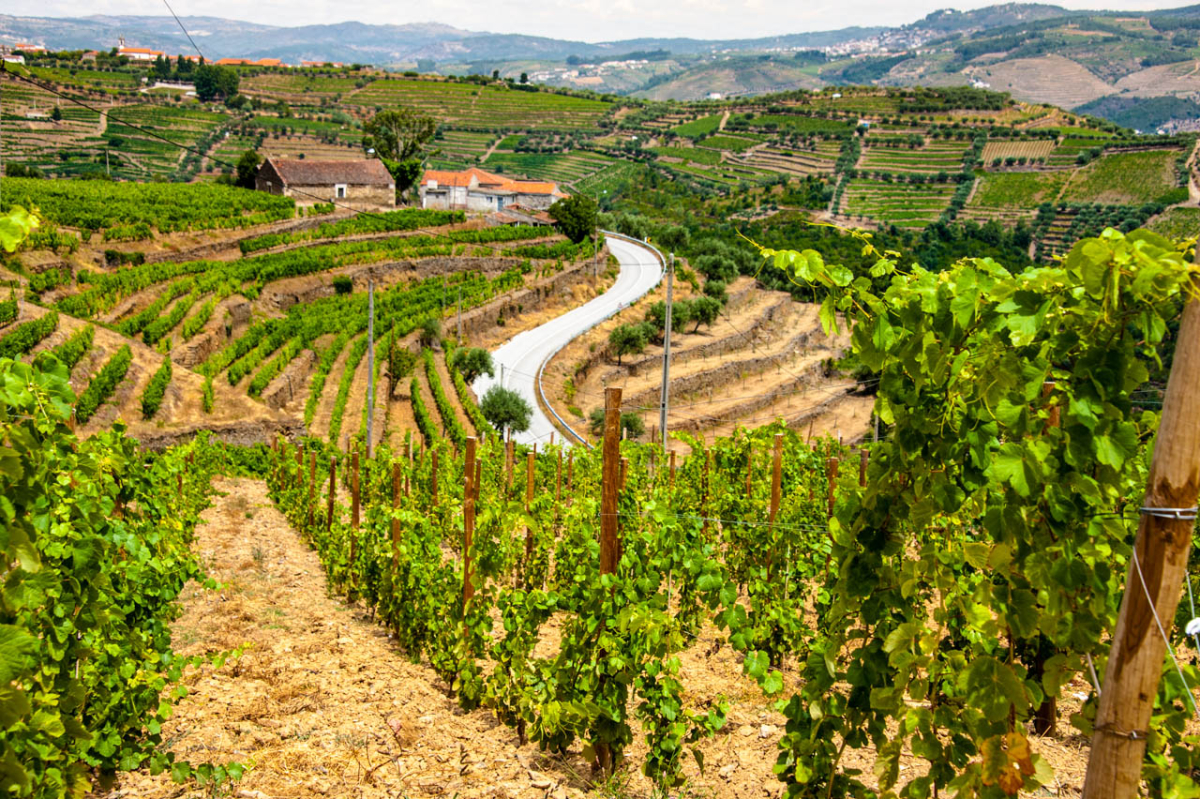
A Portugal photography plan should tell you where to spend time, what kind of scene to expect and what could prevent the shot. A riverfront, vineyard slope, historic street, coastal arch and volcanic lake need different light, access and weather decisions. This guide selects country-level photo opportunities and explains how to build a manageable outing around them. It does not repeat an attractions ranking or promise unrestricted access. The photography suggestions are editorial guidance; check current venue and trail rules before visiting. All images used here are distinct from the other Portugal guide pages, with visible source and licence information. The photographs show the scene, not proof of today’s conditions.
Douro Valley: terraces, river bends and layered slopes
The Douro provides layered landscapes: vineyard terraces, river water, settlements and roads create different frames from different positions. Select a permitted public viewpoint or arrange access with a property or winery rather than walking into cultivated ground for a better angle. A train window can provide a view but is not the same opportunity as a planned stop. Compare light direction and forecast before the outing, then allow time to work with the scene instead of adding it to a rushed transfer. Vineyard colour changes with season and farming activity. Keep a useful alternative when cloud, rain or a closed access point makes the original position unsuitable.
Porto and Vila Nova de Gaia: riverfront layers and bridges
For Porto, choose the side of the Douro that gives you the scene you want: a close riverfront street, boats, bridge structure or a wider city composition. A broad view from the Gaia side is different from a detail photograph in Ribeira. Work from permitted public space and allow pedestrians to pass. A tripod should never block a narrow walkway or a transport route; follow signs and local instructions on bridge approaches. Evening reflections depend on wind, water and light, so keep time to observe rather than arriving for one guaranteed sunset minute. The return route to the property is part of the photography outing.
Lisbon: viewpoints, rooftops and everyday street scenes
Lisbon can provide rooftop layers, river horizons, tiled façades and neighbourhood details. Choose a viewpoint for the intended direction of the scene rather than assuming every terrace works at sunset. Hills, steps and crowds affect how much equipment you want to carry. In historic streets, avoid standing in doorways or blocking a tram’s working route to reproduce a familiar photograph. A wider lens is not a reason to move into the road. For buildings and museum interiors, the venue’s current camera and tripod rules govern access; buying an admission ticket does not automatically grant commercial shooting permission. Keep local residents and their privacy in mind.
Algarve coastline: photograph from the authorised position
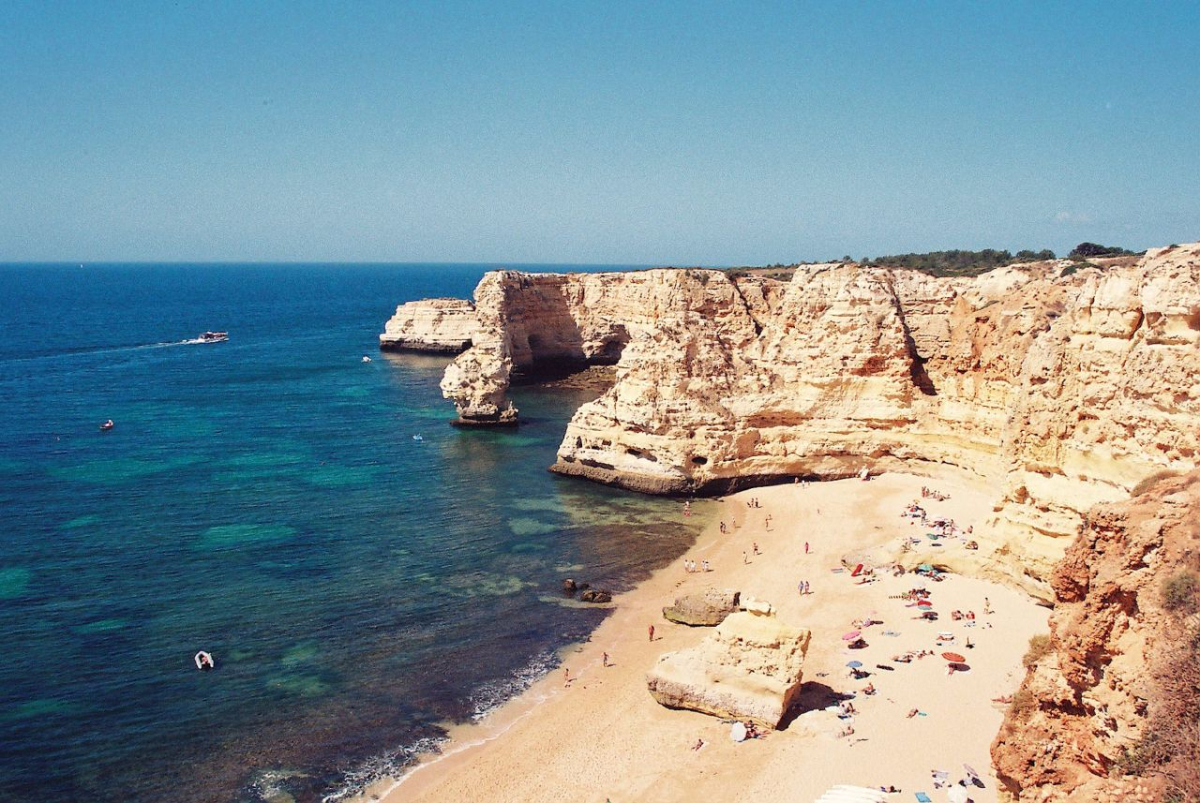
Praia da Marinha and the Lagos area offer distinct coastal compositions, including coves, cliff edges and rock formations. Plan for the permitted path and the actual weather rather than choosing the camera position solely from an image online. Do not cross barriers, approach unstable cliff margins or descend an informal slope to remove people from the foreground. Tide and sea conditions can change a beach composition and whether a boat outing is suitable. A telephoto view from a safe public position can be more useful than a closer but exposed approach. If a path or boat route is restricted, choose another scene rather than treating the booking as permission to proceed.
Tavira and Aveiro: water, architecture and movement
Tavira’s Gilão River and historic bridges offer a different scale from the Algarve’s cliffs. Look for relationships between water, façades and the permitted pedestrian position. Aveiro’s canals and working visitor boats create opportunities for details and movement, but the route should leave other passengers and pedestrians space. A boat photograph taken during a tour depends on the actual seating and journey; it is not guaranteed to match a view from the shore. Build in a short walk and time to notice the light before committing to a composition. Neither location needs to become a separate hotel change just for one photograph if your existing route can support a sensible visit.
Historic monuments: exterior context and interior restrictions
Guimarães Castle, Jerónimos Monastery and other heritage places deserve a composition that shows their setting as well as a close architectural detail. Check the official visitor information for access to the part of the site you intend to photograph. An exterior view from public space is different from an interior session requiring admission or permission. Respect worship, conservation work and areas marked private. Flash, tripods, bags and commercial photography may have separate rules; ask the venue when the intended use is unclear. Choose a patient alternative angle when the main approach is crowded. Removing the barrier or ignoring staff instructions is not part of a photography plan.
Madeira and the Azores: visibility before a distant drive
Island landscape photography benefits from flexibility. A comfortable morning near the accommodation does not establish clear conditions at a mountain or crater viewpoint. In Madeira, check trail and viewpoint access alongside the forecast; classified walking routes have their own reservation requirements. In the Azores, decide which island and permitted position you need before booking the journey. For Sete Cidades, cloud can change the entire scene, so keep another town or lower-exposure outing available. Avoid making one viewpoint the only purpose of a distant transfer. Give changing conditions room in the itinerary, and protect a practical return before dark or the last connection.
After dark in Lisbon and Porto
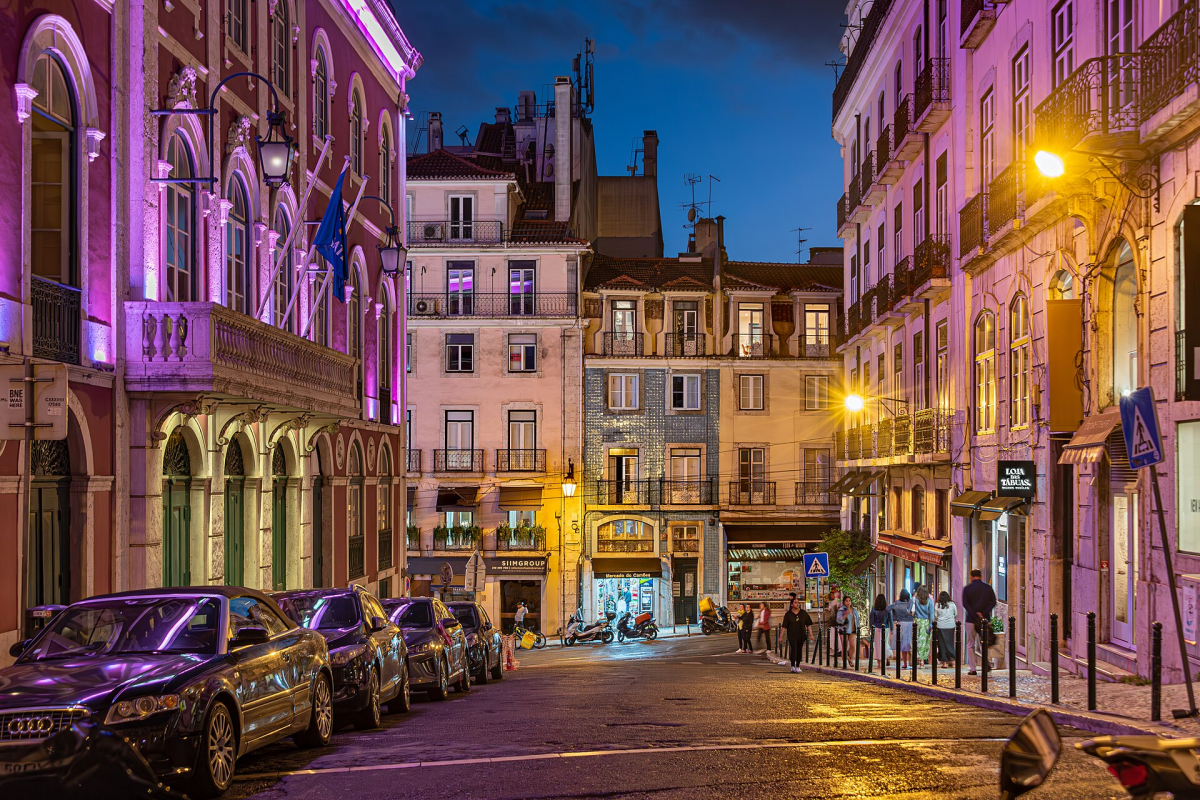
Night photography can focus on illuminated architecture, riverfront reflections or a historic street scene. Choose a position with space to work and a reliable way back to the property. Be considerate around homes and evening venues; a tripod beside a narrow doorway can interrupt ordinary life. Keep equipment controlled and avoid displaying everything at once in crowded areas. A long exposure may need a support that the location permits, while a handheld photograph can be more practical in a moving crowd. Do not stage an unsafe road position to photograph a tram. The vehicle is serving passengers, and its operator does not owe the photographer a repeated pass.
Choose season and light for the frame, not a universal rule
There is no one best hour for every Portugal scene. A viewpoint’s direction, the height of surrounding buildings, the weather and the intended subject determine whether early, late or diffuse light helps. Harsh sunlight can suit an architectural detail while making a broader street scene harder to balance. Cloud can improve some textures and remove the visibility needed for a distant island landscape. Use a local forecast and a map, then make the decision on site from a permitted position. Treat the suggested outing as a starting point. A worthwhile image can be a small detail you notice nearby rather than the famous composition you expected.
Photograph people and events with respect
A festival or market is a shared place, not a private set. Ask before making an identifiable person the main subject, especially when the situation involves children, worship or a personal moment. Respect a refusal and avoid obstructing working staff. At ticketed performances, use the current organiser’s photography rules and do not assume a phone is exempt from restrictions. If your purpose is commercial publication, confirm the relevant permissions and rights before using an image. For ordinary street work, keep a respectful distance and choose a wider contextual scene when a close portrait would intrude. A photograph’s licence and the rights of people depicted are separate questions.
Drone plans require a separate official check
Do not assume that a public viewpoint or an open trail permits a drone flight. Aviation requirements, local restrictions, protected areas, privacy and site rules can all affect whether and how a flight may occur. Check the current Portuguese aviation authority guidance and the rules for the specific location before bringing a drone into the plan. An aerial image in this guide is an illustration of the place, not an instruction to recreate the flight. If the permissions or conditions are unclear, use a ground-level composition instead. A useful photography trip does not depend on adding a flight that has not been authorised.
Build a small photography route and keep image records
Choose two or three related scenes for a day, with a clear walking or transport route between them. Leave time for meals, changing light and an alternative viewpoint. Save access information and the return arrangements offline. When publishing photographs, retain the original source, photographer, licence and any required description of changes. Downloading an image or hosting it yourself does not transfer its copyright. For your own work, record the location and permissions that matter to later use. This guide’s separate images and visible credits support that approach: the value comes from accurate context and considerate access as well as the finished picture.
Combine the viewpoint with a workable route
Use Map & Regions to place photographic stops within a coherent journey. For a landscape outing, check Walking & National Parks before treating a track as a permitted route. The practical choices in Responsible Travel help keep photographs considerate of residents, working land and sensitive sites.
Compare your choices
| Scene | Main variable | Practical alternative |
|---|---|---|
| Douro terraces | Permitted viewpoint and light direction | A closer river or town detail |
| Porto or Lisbon streets | Crowd space and working transport | A quieter public position nearby |
| Algarve coast | Safe path, sea and weather conditions | A ground-level town or shoreline scene |
| Island landscapes | Visibility and current route access | A lower-exposure or indoor outing |
Official information and sources
Linked practical information reviewed on 13 October 2026. Recheck current timetables, entry requirements, event programmes and access conditions before committing to bookings.



.jpg)