
Getting Around Portugal: Trains, Coaches, Cities and Islands
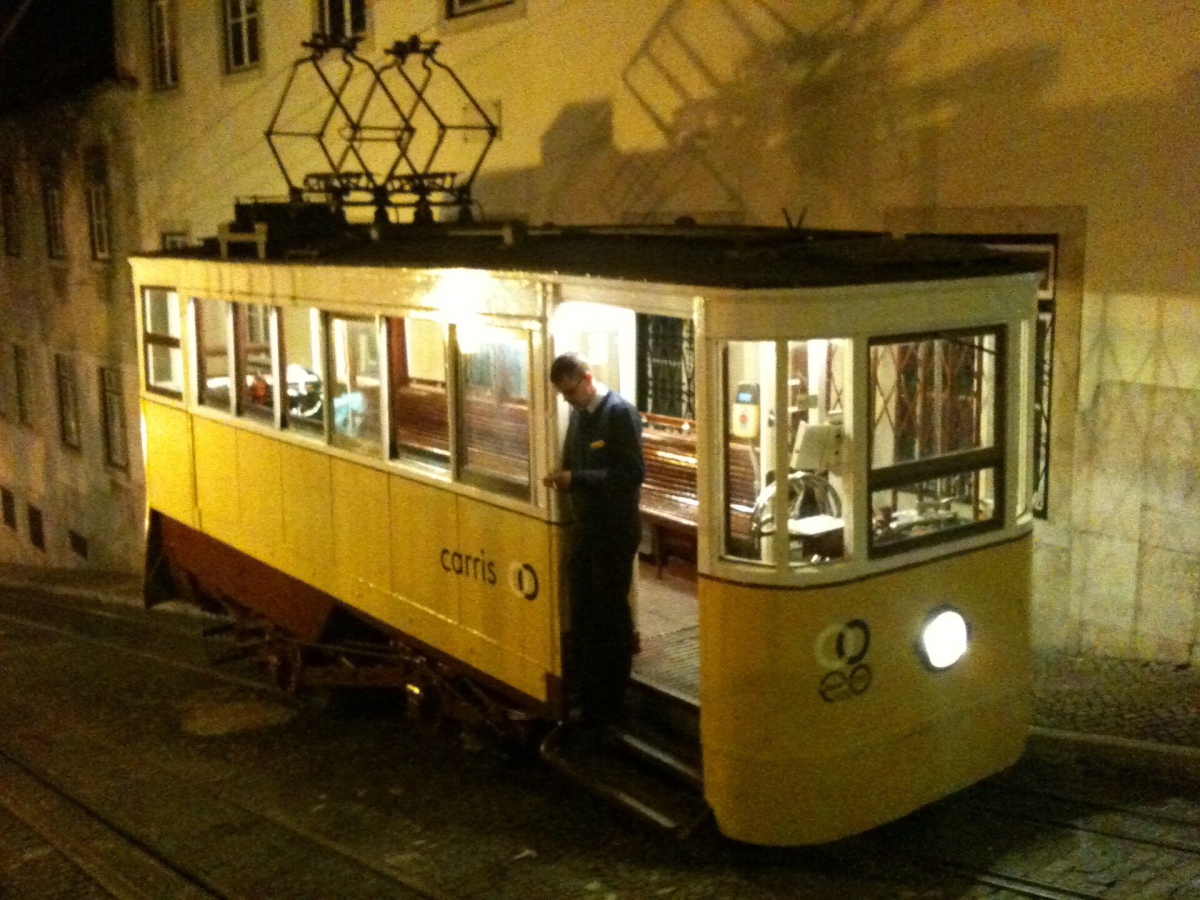
Portugal transport planning works best when you separate three tasks: arriving in the country, moving between overnight bases, and travelling locally once you are there. Airports & Transfers covers the first task. This page explains the second and third, including mainland trains and coaches, Lisbon and Porto networks, rural driving and island connections. Choose the mode for the actual route, not for a general claim that one option is always cheapest or easiest. Compare the departure point, arrival point, baggage, flexibility and the last part of the journey to the property. A short ride on a timetable can still create a long travel day when the connections do not fit.
Use rail for suitable mainland city corridors
CP operates Portugal’s passenger railway services, with different train categories and ticket conditions. Alfa Pendular and Intercidades are useful options to compare for longer mainland journeys, while regional and urban services serve different needs. Search the dated journey on the current CP site rather than copying an old travel time. Compare the actual departure and arrival stations: Lisbon and Porto each have more than one station serving different routes. A hotel’s proximity to a famous station does not mean your train will use it. Allow time for the onward connection, especially with luggage, children or mobility requirements.
Understand the ticket you are buying
Check the train, class, passenger information and the change or refund conditions before purchasing. A discounted ticket can have different flexibility from another fare for the same journey. CP’s current purchase guidance requires a valid ticket appropriate to the route and train; do not assume boarding first is an ordinary way to buy. Keep the ticket and any required identification accessible. Follow the instructions for your ticket format rather than applying the rule for a paper ticket to every digital product. If a service changes, use the operator’s current notice and support channel. Save the original booking reference so that a change can be handled accurately.
Compare coaches where they serve the route better
A coach can be useful when rail does not reach the town or the dated coach service fits your plans better. Compare current operators and the actual stops, including whether the arrival is in the centre or outside it. Rede Expressos is one operator to check for mainland journeys, alongside other services relevant to the specific route. Read baggage, change and cancellation conditions before paying. A cheap headline fare can be less useful if the last local connection has already stopped. For a longer day, include meals and waiting time in the plan, and avoid a tight connection between separately booked services.
Lisbon: combine walking with the right local service
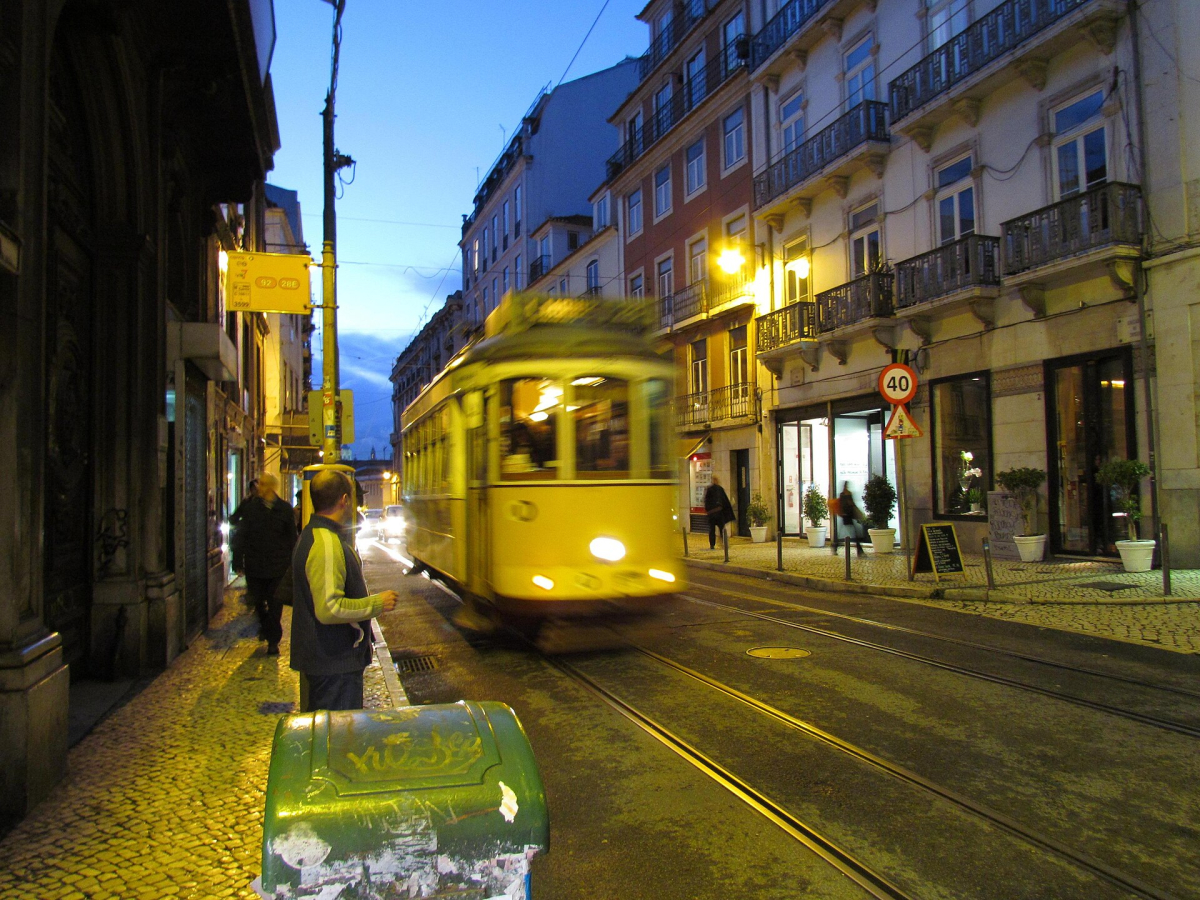
In Lisbon, neighbourhood walking and public transport serve different parts of the day. Hills and uneven surfaces can make a short straight-line distance tiring. Use the Metro’s journey planner and current maps for the actual station pair, then check any bus, tram, ferry or suburban train separately when adding another operator. A historic tram is public transport with limited space, not a guaranteed private sightseeing ride. If a queue becomes impractical, choose a different way to reach the destination. Select a ticket for the services you will use and follow the current validation instructions. The Lisbon Travel Guide provides detailed local planning without repeating a national transport page.
Porto: check the line, zone and interchange
Porto’s Metro network is a useful part of a city stay and some airport journeys, but the line and ticket requirements should come from the current operator information. Compare the actual accommodation route, including the final walk and any change. A riverside property can add a hill or a bridge to the journey even when it is close to a station on the map. Read the ticket’s zone and validation requirements before travelling rather than assuming a Lisbon product is valid in Porto. Keep the route back from an evening event in mind. A convenient outward trip does not establish the final service after midnight or on a holiday.
Douro and smaller towns: plan the last mile
A rail or coach service to a town may be only the first part of reaching a rural property, vineyard or walking gateway. In the Douro, decide whether you want the railway journey itself, a winery appointment or a countryside overnight. These create different transport needs. Confirm any taxi, property transfer or tour pickup in advance when it is essential to the plan. Do not assume a boat service returns to the station you need at the correct time. For a short visit, compare a guided outing from a city base against the complete independent journey. The useful choice is the one that gives you enough time for the actual experience.
When a car improves a mainland route
A car can add value for a focused rural or coastal section where public transport does not support the places you chose. It can add cost and complexity during a city stay, particularly when parking or restricted access matters. Compare starting the rental after the city days rather than keeping it through the entire holiday. Include collection and return, deposit requirements, licence conditions, fuel, parking and toll arrangements. Verify the exact supplier’s terms for the driver and journey. A small difference in daily rental rate is less important than a contract that suits the route and a practical return before the next transport connection.
Compare car hire on Booking.com
We may earn a commission if you book through this Booking.com affiliate link. This opens a general car-hire search; choose the actual pickup place, dates and contract conditions.
Tolls, parking and the property approach
Before driving, check the current official Portuguese toll information and the rental supplier’s system for handling charges. Do not assume every motorway uses the same payment method, or that a device and its service fee are automatically included in the headline rental rate. The official Portugal toll service now uses the PT Tolls site; use its current guidance for the actual vehicle and road. Ask the property about permitted access and parking rather than following a route straight to a historic-centre doorway. Plan the final approach before arrival, and avoid leaving luggage visible in a parked vehicle while looking for reception.
Madeira: local transport, excursions and vehicle decisions
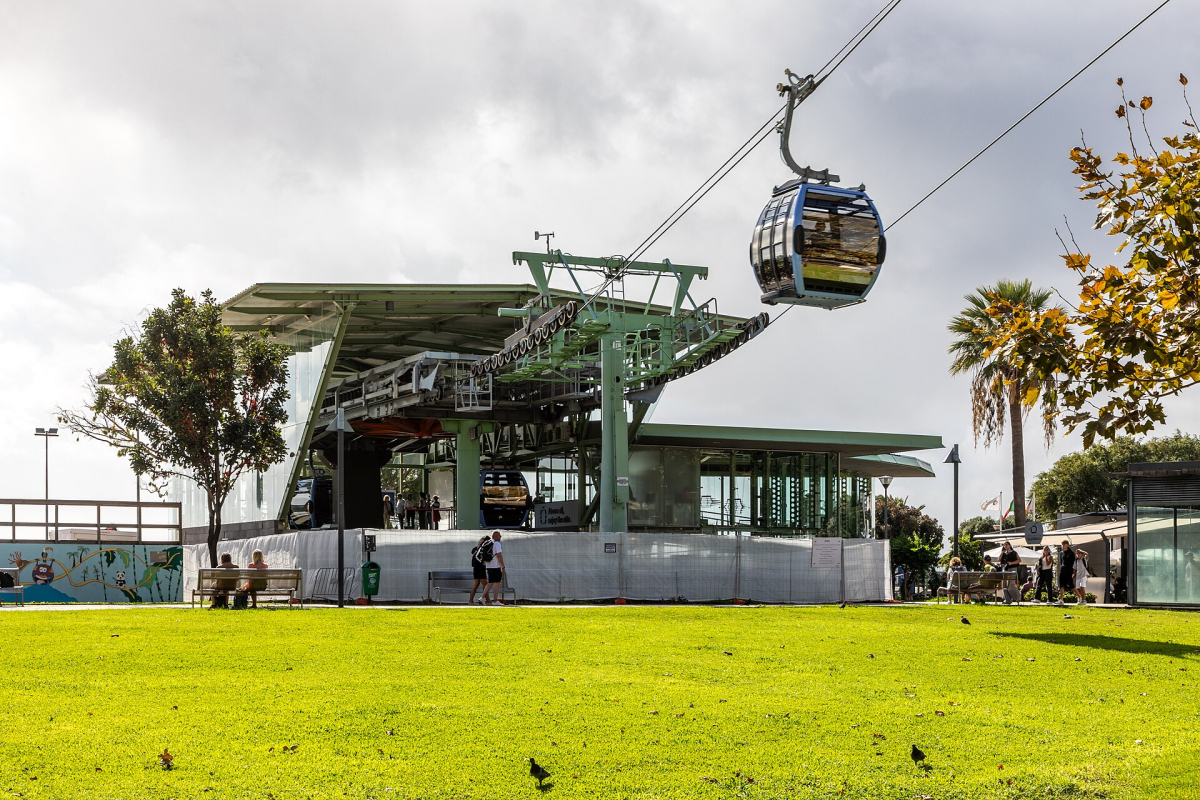
Madeira requires an island-specific transport plan. Funchal services, organised excursions, a rental car and transfers to walking routes are different options. Check the actual departure and finish points for a day out, especially when a trail is one-way or the property is above the centre. A road journey to a mountain viewpoint does not mean the walking route is open. If hiring a car, choose for the driving you are comfortable doing and include parking at the accommodation. Porto Santo is a separate island: verify its dated flight or ferry connection and allow for the complete journey rather than treating it as another short local bus ride.
Azores: flights and ferries belong in the itinerary
The Azores consist of nine inhabited islands spread across three groups. Inter-island transport should be checked for the travel dates, island pair and operating season. Do not assume a ferry link exists year-round merely because two islands appear near one another on a map. On each island, compare the actual vehicle or transfer needs for the accommodation and outings you selected. Keep a realistic margin before the international departure when arriving from another island. Where disruption would matter, put the final night on the departure island and choose a simpler alternative plan. A rushed connection can remove the benefit of adding an extra island.
Accessible journeys, luggage and assistance
Check accessibility for the complete route: vehicle, station, interchange, platform and final approach to the property. CP provides a dedicated mobility assistance service; read its current procedures and arrange assistance within the operator’s requirements. Local networks and airports have their own arrangements. Avoid relying on a broad “accessible” label without discussing the actual need. Keep luggage manageable for stairs, crowded vehicles and hotel changes, and read baggage rules for each mode. If travelling with a child’s buggy or specialist equipment, confirm space and handling with the provider. A journey that looks efficient on a timetable can need a different plan once those practical requirements are included.
Create a transport plan that can survive a change
Save tickets, property addresses and essential provider contacts offline before departure. Check operator notices close to a travel day and keep a realistic margin between separately booked services. If a delay occurs, contact the provider through the booking’s support channel and retain evidence before buying a replacement you expect someone else to reimburse. Keep one simpler alternative for the route that could cause the largest disruption. For most trips, fewer connected bases create more freedom than repeated long moves. Use the map for geographic logic, Itineraries for the order of days and Travel Costs & Money for the complete transport allowance.
Compare your choices
| Journey type | Options to compare | Check first |
|---|---|---|
| Major mainland cities | CP rail and dated coaches | Station or stop, fare conditions and final local journey |
| Local Lisbon or Porto travel | Walking plus the relevant city network | Operator, ticket coverage, validation and last service |
| Rural or dispersed coastal route | Car, local connections or an organised outing | Last mile, parking, contract and toll costs |
| Island travel | Dated flights, ferries and local transport | Operating season, return route and final departure margin |
Official information and sources
Linked practical information reviewed on 13 October 2026. Recheck current timetables, entry requirements, event programmes and access conditions before committing to bookings.


.jpg)
,_Telef%C3%A9rico_Funchal-Monte,_Talstation_--_2025_--_1192.jpg)