USA · NEW YORK CITY GUIDE
New York City Travel Costs and Money: Build a Realistic Budget

A New York budget is most useful when it separates the room, daily spending and occasional large bookings. Accommodation varies sharply by dates, room occupancy and cancellation terms, so a single citywide daily price can mislead. Build your own total from actual quotes, then decide where spending improves the trip. The figures below are selected official charges checked on 3 November 2026, plus clearly labelled arithmetic examples; they are not a promise of the price of your whole stay.
Build a budget with the right units
Write the room budget per room per night and meals, local transport and admissions per person. Then add airport journeys, tips where you choose to give them, booking fees and a practical reserve. Families sharing one room and solo travellers using their own room cannot compare the same per-person hotel figure.
Use a total for the entire stay before converting to your home currency. A room that costs less but requires several extra paid journeys and a long daily commute may not provide the best value. The neighbourhood accommodation guide helps you compare location, while the hotel guide deals with specific properties and room checks.
On small screens, swipe or scroll this table horizontally. Keyboard users can focus the table area and use the arrow keys.
| Budget line | Record it as | Check before adding |
|---|---|---|
| Accommodation | Per room × nights | Occupancy, taxes, mandatory fees and cancellation |
| Local transport | Per person for the stay | Operator, fare cap and separate airport/rail charges |
| Food | Per person per day | Tax, service charges, drinks and the meal style |
| Attractions | Per person per chosen product | Ticket level, timed entry and optional add-ons |
| Arrival/departure | Per journey for the whole party | Airport leg, onward travel and luggage needs |
Understand the total room bill
Ask for an itemized total rather than multiplying the first room rate you see. NYC Finance identifies separate sales taxes, a city occupancy tax and a state hotel unit fee. For a standard room renting at USD 40 or more, its hotel tax guidance lists a USD 2 daily city room component and a USD 1.50 state unit fee; multiroom suites can have different flat-component treatment.
The city percentage occupancy rate is 5.875%, according to NYC311. Combined sales tax is 8.875%, bringing those percentage components to 14.75%. As an arithmetic illustration only, a USD 250 taxable base for one ordinary room for one night gives USD 36.875 in percentage taxes; adding USD 3.50 in the two flat components produces about USD 290.38 after rounding. This is not a hotel quote, and additional charge treatment, suites, exemptions and longer stays may change the bill.
A destination or facility fee is not simply another name for government tax. Check whether a quoted total already includes it and whether it is mandatory. Compare like-for-like occupancy and cancellation conditions before deciding one hotel is cheaper than another.
Spend carefully on local transport and airport journeys
OMNY’s current fare-cap explanation uses a USD 3 subway/local bus fare and a rolling seven-day USD 35 cap for eligible individual journeys. Use one consistent personal payment method; the OMNY payment section explains the device rules. The cap does not make airport rail links, commuter trains or another ferry operator free.
For one visitor making two eligible local journeys each day over five days, ten × USD 3 equals USD 30 before any additional journeys. This example assumes standard eligible local fares; it excludes airports and other operators. For a longer stay, model your actual dates rather than treating a rolling cap as a calendar-week pass.
Airport costs belong on their own line. The lowest-cost route for one person may be inconvenient for a party with several bags or a late arrival. Compare the full group price and realistic door-to-door effort using the airport transfer guide, then use local transport choices for sightseeing days.
Choose which paid visits and meals matter

One skyline deck and one collection you want to study can provide better value than several rushed admissions. Free parks, neighbourhood walks and the outdoor 9/11 Memorial can balance paid visits without making every day a cost-cutting exercise. Compare passes and direct tickets only after listing the attractions you will actually visit.
For meals, distinguish a counter-service lunch, a booked sit-down dinner and an evening that includes several drinks. Look at a current menu for the precise branch you plan to use; an old photo of a menu is not a reliable price quote. Check whether tax and a mandatory service charge are already included before adding any voluntary tip.
The food guide helps you decide what to try; restaurant choices helps you pick a venue. Keeping an ordinary breakfast or lunch close to the day’s route leaves more time and money for the meal you particularly want.
Pay in dollars and keep a backup method
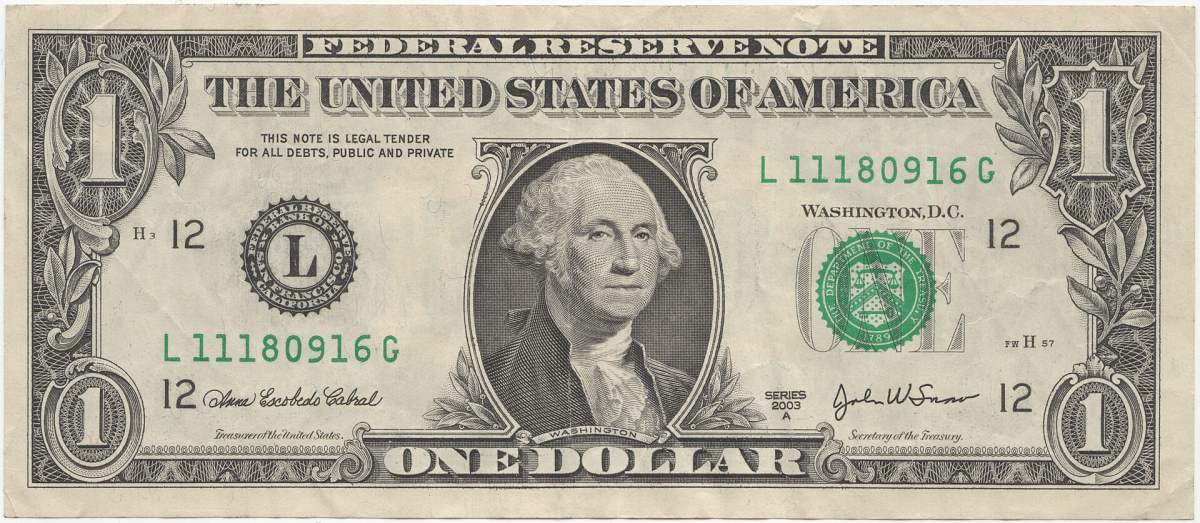
The local currency is the US dollar. Check your own card’s foreign transaction fees and withdrawal conditions before departure, and read any exchange-rate offer before accepting it. If a payment terminal offers conversion into your home currency, compare the displayed terms rather than assuming the offered convenience gives a better rate. Keep a second usable method separately from your main wallet.
NYC311’s sales-tax guidance says clothing and footwear costing under USD 110 per item are exempt, while an item at USD 110 or more is subject to the full 8.875% rate. This is an item threshold, not permission to treat every souvenir or the whole shopping basket as tax-free. A store’s displayed price and the final payment total may differ when tax is added.
Keep receipts for substantial purchases and make space for them in your luggage plan. A bargain requiring a taxi to retrieve a forgotten bag or an extra suitcase can quickly become less useful. For product and neighbourhood ideas, see shopping in New York.
Travel Tip:
Before comparing two hotel offers, place their final room totals, included services and cancellation rules on the same line. Keep daily personal spending separate from accommodation so the comparison remains clear.
Sources and Current Checks
Editorial sources checked on 3 November 2026. Check current operating, booking and travel conditions for your dates.
Frequently Asked Questions
How much money do I need per day in New York?
Build the answer from your own room quote, meal style, transport and chosen admissions. A single average hides whether accommodation is shared, taxes are included or several expensive visits are planned. Use the budget units above.
Does the USD 35 OMNY cap include airport travel?
Do not assume that it does. It covers eligible subway/local bus travel with the same individual payment method. JFK AirTrain, LIRR and other operators have separate charges and conditions.
Are NYC hotel taxes just 14.75%?
For a common short-stay hotel bill, that combines the percentage components, but flat room/unit charges and any applicable mandatory hotel fees still matter. Multiroom suites, exemptions and stay length can affect treatment; check the itemized quote.
Is all clothing tax-free in New York?
No. The exemption described by NYC311 applies to clothing and footwear under USD 110 per item. Items at or above that threshold and other goods can have different tax treatment.