USA · NEW YORK CITY GUIDE
New York City Useful Contacts: Choose the Right Local Help

Choose the service that matches the problem. Emergency response, a missing bag and a routine question about city facilities need different routes. This directory focuses on official actions rather than an outdated list of offices or tourist phone numbers. Contact details and source pages were checked on 3 November 2026; keep the appropriate confirmation, receipt or incident reference so a provider can understand what happened.
Emergency help and non-emergency city questions
Call 911 for an immediate fire, police or medical emergency. State your location first and follow the dispatcher’s instructions. The official NYC government contact page says calling is the best way to reach 911; text is for situations where you cannot call. Interpretation is available for calls in most languages.
For city information or a problem that is not an emergency, dial 311 within the five boroughs. The city gives +1 212-639-9675 for people outside NYC and for certain calling/relay arrangements. This is a city service, not a substitute for an airline, bank or hotel’s own support.
On small screens, swipe or scroll this table horizontally. Keyboard users can focus the table area and use the arrow keys.
| Need | Official starting action | Have ready |
|---|---|---|
| Immediate fire, police or medical emergency | Call 911 | Location, borough and the immediate situation |
| Non-emergency city information | 311 in NYC; +1 212-639-9675 where applicable | Location and a short description of the city-service question |
| Subway/bus lost property | MTA/NYC311 lost-property instructions | Route, direction, date, time and item description |
| Airline or airport item | The responsible airline, airport or screening authority | Flight, terminal and where the item was last seen |
| Accommodation issue | The operator and your booking provider | Booking reference and written terms |
Lost items on transit: identify the operator
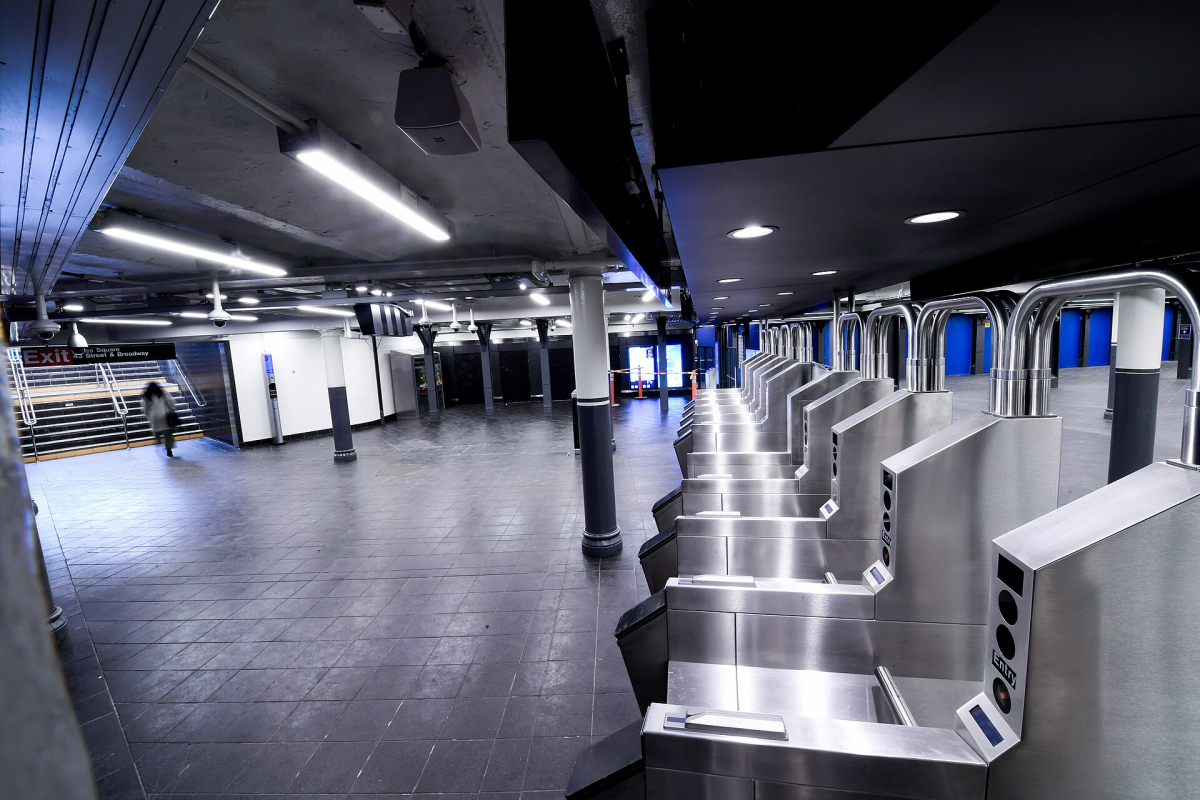
For an item lost on the subway, NYC311’s buses and subways guidance recommends asking the station representative near where it was lost, then using the MTA lost-property process if necessary. A bus item may initially be held at the depot. Do not simply go to a collection office without the appointment or instructions the provider requires.
Write down the service, direction, approximate boarding/alighting time and the item’s distinguishing features. A useful description is more helpful than repeatedly submitting the same vague report. Keep the reference and a way to receive the reply after leaving New York.
LIRR, Metro-North, NJ TRANSIT, ferries, taxis and airlines are not one shared lost-property system. Use the operator shown on your actual ticket or receipt. For a taxi or licensed car, retain the receipt or app journey details and follow that provider’s process. For current route questions, the MTA app’s chat guidance explains the types of assistance available.
Airports, flights and booking problems
First establish where responsibility lies. An item left on an aircraft, at a security checkpoint and in a public terminal can involve different services. Use the airport’s official site and the airline shown on the booking to find the correct process rather than paying an unrelated search result to file a report.
For a missed or changed flight, contact the airline or booking provider through the existing reservation. For a transfer problem, use the actual transport operator. The airport guide links the official JFK, LaGuardia and Newark route information and helps distinguish similarly named stations.
For accommodation, keep the operator’s contact, confirmation and cancellation terms. Explain a check-in or room problem to the operator, then use the booking platform’s support where appropriate. Avoid posting sensitive identity or payment information in a public review while trying to resolve an active issue.
City alerts, restrooms and visitor information

Use NYC Emergency Management’s information page for official alert options. It directs users to Notify NYC for emergency and important service updates. Check the notice itself for the affected area and timing rather than assuming every citywide message closes every planned activity.
For public facilities, NYC311’s restroom page links the city’s location resources. Verify opening hours and the particular access details before a long detour. A map pin does not promise a functioning open facility.
Keep this directory with the practical preparation in Travel Essentials. For local precautions and weather decisions, use Health & Safety; this page’s job is to help you choose the correct contact and prepare an actionable request.
Travel Tip:
When reporting a lost item, record the operator, service, direction and approximate time before submitting the claim. Save the report reference and keep your contact method usable after you leave the city.
Sources and Current Checks
Editorial sources checked on 3 November 2026. Check current operating, booking and travel conditions for your dates.
Frequently Asked Questions
What is the difference between 911 and 311?
Use 911 for an immediate fire, police or medical emergency. Use 311 for non-emergency city information and service questions. Airline, hotel and bank issues usually require those providers directly.
Can I call NYC311 from outside the city?
NYC gives +1 212-639-9675 for callers outside the five boroughs and certain calling or relay arrangements. Check the official contact page for the current options.
Where should I report a bag left on a train?
Identify the operator first. NYC subway, LIRR, Metro-North and NJ TRANSIT have different processes. Provide the service, direction, date, approximate time and a useful item description.
Should I visit the lost-property office immediately?
Follow the operator’s instructions. NYC311 states that the subway/bus lost-property collection appointment is for people contacted to collect an item; arriving without the required arrangement may not help.