USA · NEW YORK CITY GUIDE
Getting Around New York City: Subway, Bus, Ferry and Walking

New York works best when you choose transport for the journey rather than use one mode everywhere. Subway services cover many longer trips, buses can simplify a cross-town journey, and walking makes the most sense within a manageable neighbourhood. Ferries can be useful where their landings fit the route, but the water adds an operator and boarding timetable to consider. Plan from the actual entrance or address, then check current service before leaving.
Choose by the whole journey
Start with the place you are leaving and the exact destination. A short walk to a direct bus can be more convenient than stairs, a platform transfer and a second long walk. At the other extreme, a long taxi journey through busy traffic may provide little advantage over a simple rail route. Consider luggage, weather and the energy needed for the visit itself.
Group sightseeing by area using the itineraries and neighbourhood map. Avoid crossing the city repeatedly for bookings whose order could have been changed. A good local travel plan makes the day easier rather than turning every journey into an attempt to save a minute.
On small screens, swipe or scroll this table horizontally. Keyboard users can focus the table area and use the arrow keys.
| Mode | Useful for | Main limitation |
|---|---|---|
| Subway | Longer trips along suitable lines | Not every station/entrance is step-free; service changes |
| Local bus | Cross-town links and surface-level orientation | Traffic and stop spacing |
| Walking | Nearby places within one area | Longer distances, weather and fatigue |
| Ferry | Waterfront journeys with convenient landings | Separate operator/tickets and waiting |
| Taxi/licensed car | Luggage or a door-to-door requirement | Traffic, full party needs and total fare |
OMNY: keep your own payment method consistent
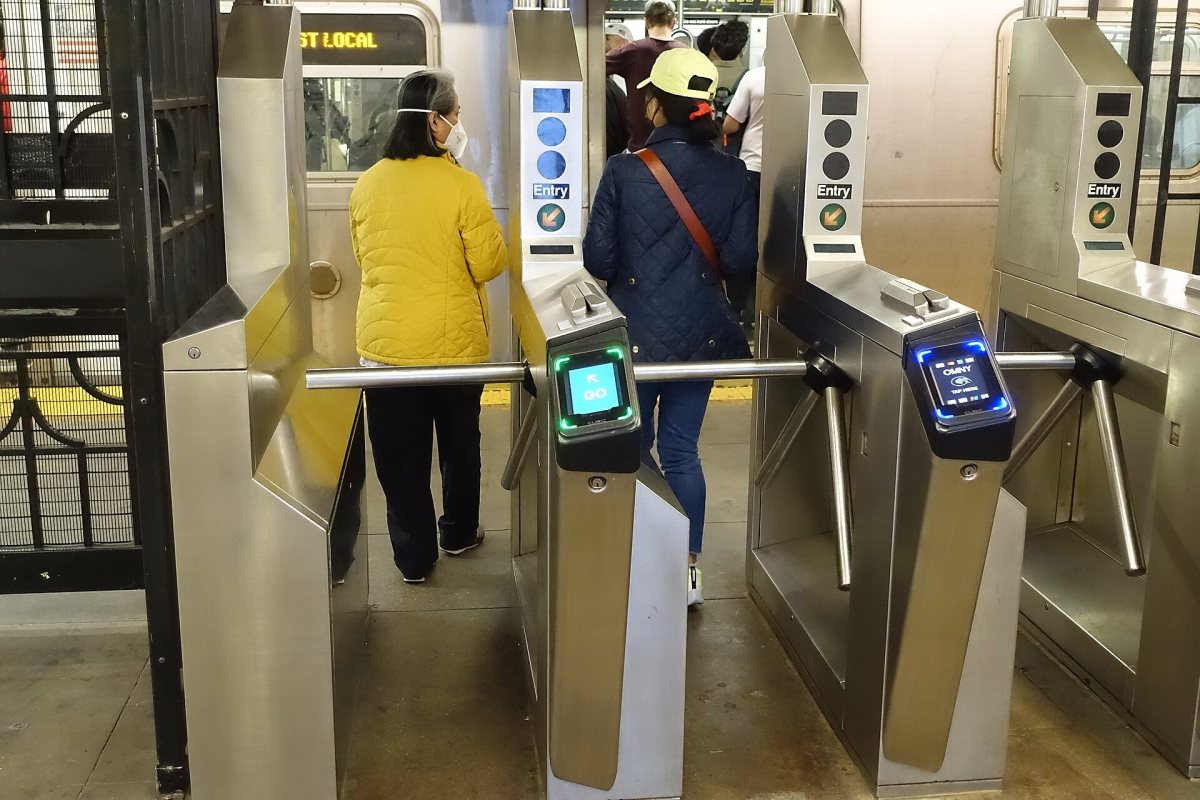
The current OMNY fare explanation gives a USD 3 subway/local bus fare and a rolling seven-day USD 35 cap for eligible individual rides. Use the same card or the same device and wallet card for your own journeys. A physical bank card and a phone using that card are separate payment identities for the cap.
You do not need to ride extra simply to reach the cap: if you spend less, you pay for the eligible journeys taken. Avoid using one person’s method for the whole party on the assumption that everyone earns an individual cap. Keep a backup payment method in case your usual device is unavailable.
The subway/local cap is not a universal New York transport pass. JFK AirTrain, commuter rail and other operators have separate products. Read Airports & Transfers before using the local fare example to price arrival. Record payment questions with the provider rather than making repeated test taps at a gate.
Subway: follow the service and direction, not just the colour
Check the line letter or number, direction and stop pattern. Several services can share a colour or part of a route but stop at different stations. Uptown and Downtown are useful Manhattan direction labels, while borough-bound wording can matter on interborough journeys. Read the departure board and current platform signs before boarding.
Some station entrances serve only one direction or have an unexpected route to the platform. If you enter the wrong side, correcting it can involve extra walking and potentially another fare. Keep time for finding the right entrance, especially before a timed admission.
Weekend or overnight work can change routes and platforms. Use the official MTA app’s status tools for current service and lift information. A saved route is a starting point, not proof that the same train pattern is running today. Keep bags close and leave space for passengers to exit before boarding.
Buses and walking: useful choices between the rail lines
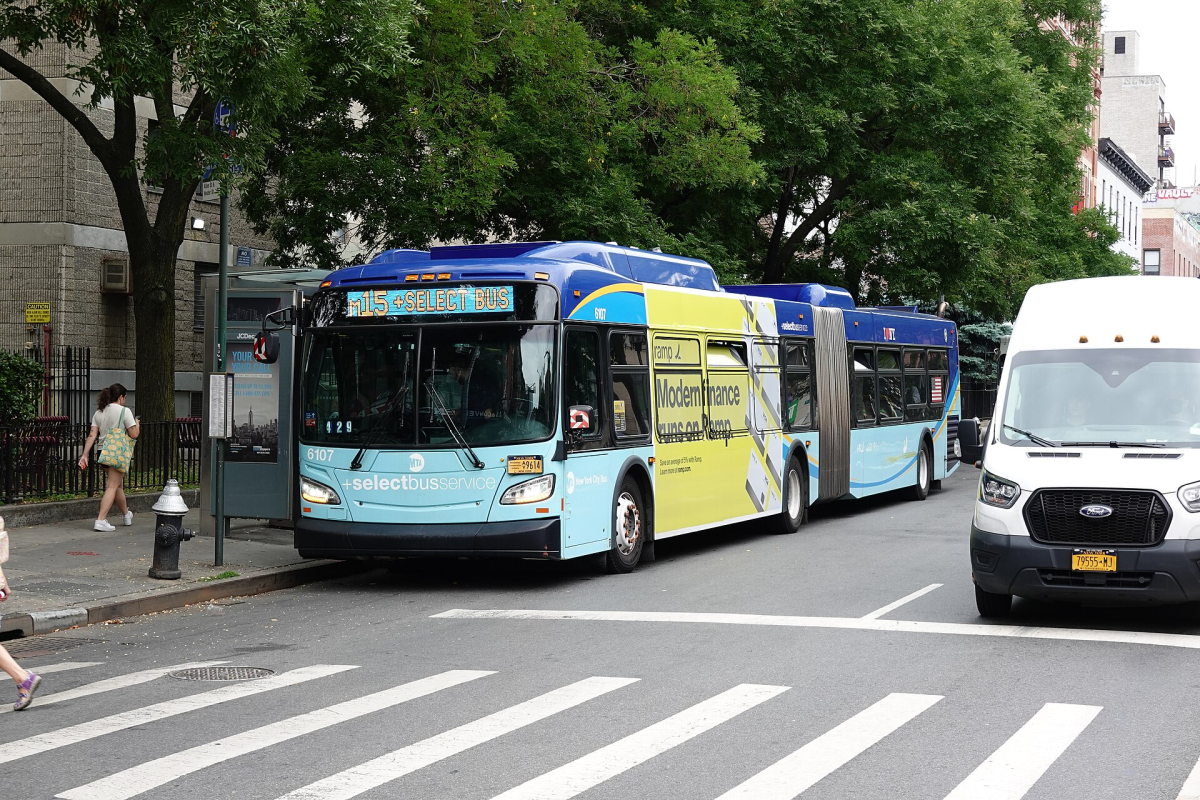
A bus can reduce the number of station stairs and make a cross-town journey straightforward. Check the exact stop, direction and route variant, especially when a street has several bus services. Allow a traffic margin rather than connecting a bus arrival to a tightly timed ticket. Surface travel also helps you understand the distances between neighbourhoods.
When walking, judge the real route rather than counting blocks alone. Avenue blocks, bridge approaches and large park paths can take more effort than a short map label suggests. Leave time for crossings and a seated break; avoid carrying a full day’s shopping through an ambitious walking itinerary.
Move to the side before stopping to check your phone or photograph a street. Keep cycle lanes clear and watch for turning vehicles at crossings. In a busy district, choose a meeting point away from a station stairhead so a brief reunion does not block other travellers. The accessibility guide covers entrance, surface and rest-stop questions in more detail.
Keep New York’s ferry services separate
The Staten Island Ferry is free and links Lower Manhattan with Staten Island. It offers a harbour crossing, not a landing at Liberty Island. It is distinct from paid sightseeing boats and the NYC Ferry network, which has its own tickets and route conditions.
A ferry can fit a waterfront day when both landings are close to your intended visits. Check the sailing, boarding arrangements and what happens if the boat is full or service changes. The walk from a landing to a subway or hotel is still part of the journey. A scenic route that leaves you far from the evening’s destination may be better treated as an outing than a shortcut.
For island museums, use the authorized Liberty/Ellis island access information. A boat that passes the statue can be exactly the view you want, but its name or photograph does not prove that it docks there.
Plan the return and any access requirements
Before leaving for dinner or a performance, save the return route and check if the relevant station entrance remains suitable. If stairs are a problem, check the exact lift path and current status at both ends. The MTA app distinguishes full and partial station accessibility; see its accessible-station guide.
A taxi or licensed car may be useful when a late return, luggage or fatigue makes a complicated interchange unattractive. Use the official booking/rank process and verify the vehicle details rather than accepting an unsolicited offer. Keep the complete destination address available, including the borough, and compare the full expected charge.
For a missed connection, take a moment to establish your next suitable option. A calmer alternative is generally more useful than boarding the first service whose name seems familiar. The contacts directory explains where to find operator help or report a lost item.
Travel Tip:
Check the outward route and the return before a long day, particularly at weekends. Keep the same payment method for your own OMNY journeys and save the actual hotel address offline.
Sources and Current Checks
Editorial sources checked on 3 November 2026. Check current operating, booking and travel conditions for your dates.
Frequently Asked Questions
Do I need a car for a New York city visit?
Most visits built around central neighbourhoods and attractions can use walking, public transport and occasional licensed cars. Assess a specific mobility or luggage need separately rather than hiring a car for every day by default.
Does every subway entrance reach both directions?
No. Read the entrance and platform signs, and check your line and direction before entering. A station name alone does not confirm that a particular stair or lift provides the route you need.
Can my phone and bank card share one OMNY fare cap?
The phone and physical card track separately, even if they draw on the same bank account. Use the same device and wallet card, or the same physical card, consistently for your own eligible journeys.
Is NYC Ferry the same as the free Staten Island Ferry?
No. They are distinct services with different routes and ticket arrangements. The free Staten Island Ferry also does not land at Liberty or Ellis islands.