USA · NEW YORK CITY GUIDE
New York City Parks and Outdoor Activities: Choose Your Route
New York's parks do different jobs. Central Park can support a Manhattan museum day, Prospect Park offers a substantial Brooklyn green-space outing, the High Line creates an elevated west-side walk, and Brooklyn Bridge Park opens the East River waterfront. Choose a route within one park rather than assuming every large green shape on a map is a short walk.
The routes below are planning suggestions. Check current maps, facilities, alerts and access before setting out. A photograph illustrates a place; it does not establish today's weather, event schedule or availability of every path and restroom.
Central Park: make a route around a few places
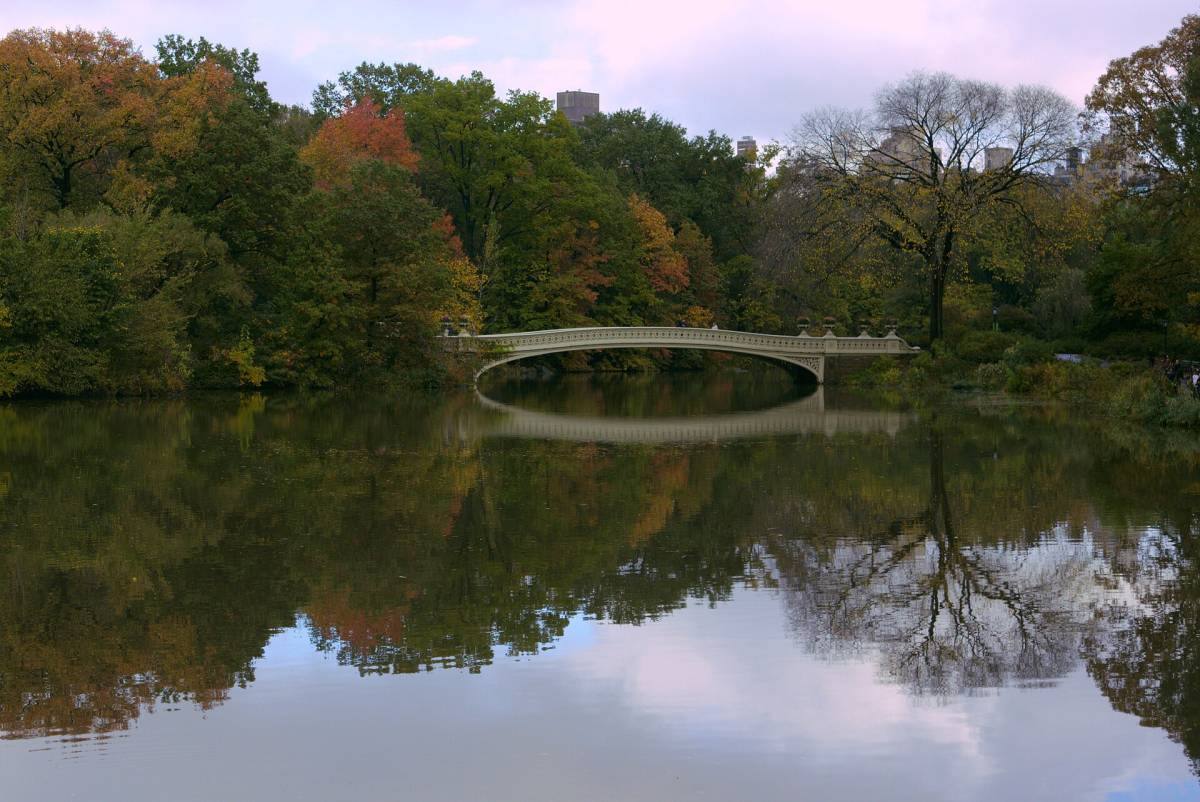
For a manageable first visit, choose a limited part of Central Park and an exit that suits the next part of your day. A southern or mid-park walk can connect different combinations of paths, water and architecture without attempting the full park. Use the Conservancy's actual map to decide whether your priority is a bridge view, a shaded walk or a place to sit.
If pairing the park with a museum, consider the side you need to finish on. Crossing the park adds movement that can be easy to overlook when planning by neighbourhood names alone. Paths can slope or include steps, and a route that looks direct on a phone may not suit every visitor. Locate restrooms and a suitable entrance before arrival. In hot or cold conditions, shorten the route and keep an indoor alternative. The Central Park photography companion offers a focused approach to the terrace and surrounding scene rather than another whole-park checklist.
Prospect Park: give Brooklyn's green space a full outing
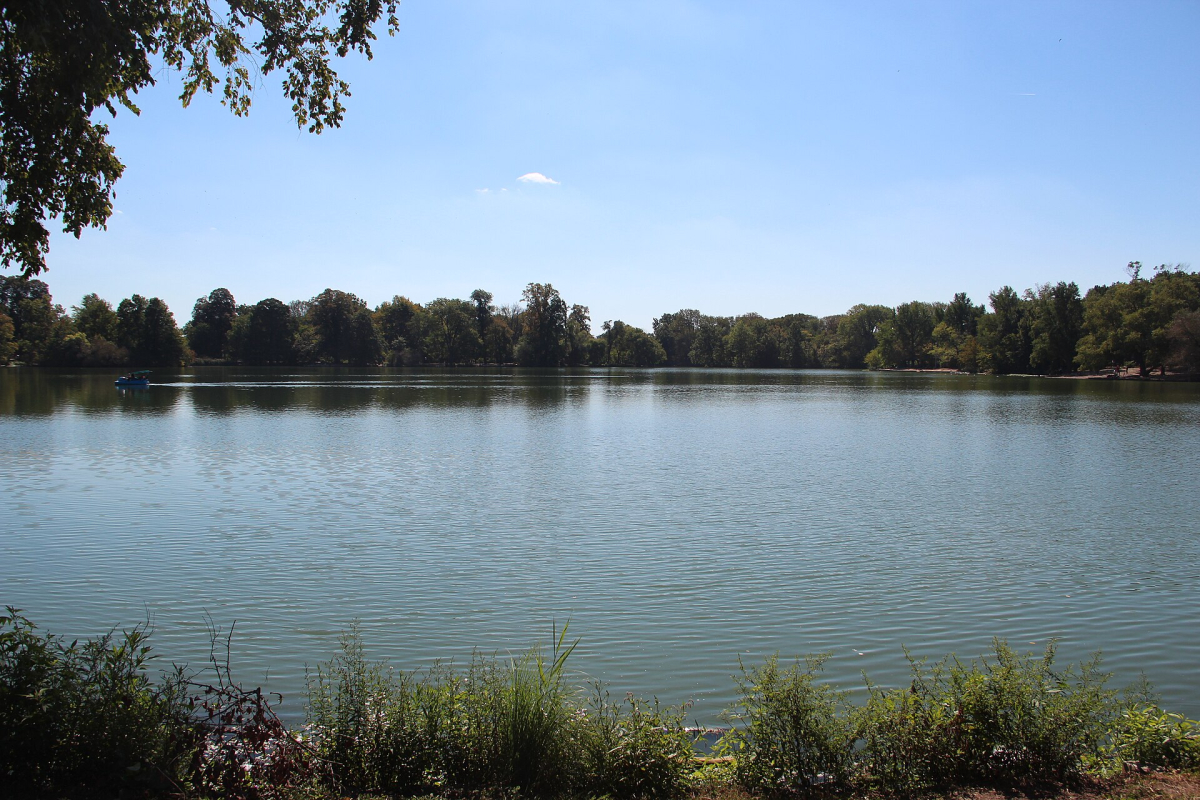
Prospect Park is a good choice when you want the park itself to be the main activity rather than a brief break between landmarks. The Alliance's map separates the Long Meadow, wooded areas, lake and visitor facilities. Choose a beginning and end around the part you want to experience; the northern entrance and the lake are not the same stop.
A broad lawn-and-path visit suits a relaxed picnic or walk, while a lake-focused route makes a different day. Use the mapped restrooms, entrances and food options to plan practical breaks. Add a nearby Brooklyn neighbourhood meal if it fits your energy, rather than crossing back into Manhattan halfway through the outing. Seasonal activities and events need their own checks: a park being open does not mean a particular concession, performance or sports facility is available. Stay on appropriate paths and keep away from wildlife rather than trying to reproduce a close-up photograph at any cost.
The High Line: choose a useful section of the elevated walk
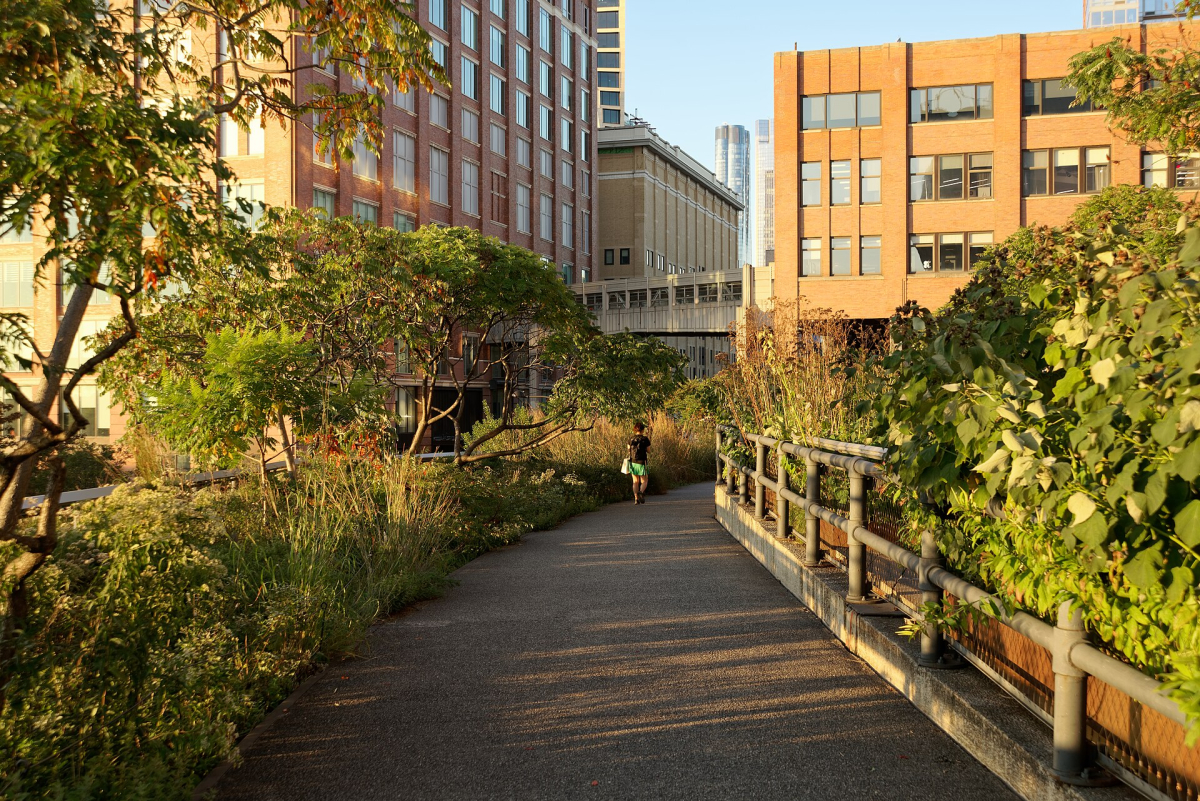
The High Line is a different kind of outdoor route, following a former elevated rail structure through the west side of Manhattan. It works well when linked to something you already want to do nearby, such as a Chelsea meal, gallery visit or Hudson Yards arrival. You do not need to walk its entire length for the route to be worthwhile.
Select entrances and exits before setting out, especially if stairs are difficult. Use the park's own current visitor and lift-status information rather than assuming each street entrance is step-free. If a needed lift is unavailable, change the route before reaching it. Expect sections of the walkway to feel busy and give other people room at narrow points and seating areas. A planting detail or city view can be enjoyed without stopping in the middle of the moving flow. Weather and seasonal opening arrangements can affect the plan, so keep a nearby street-level alternative.
Brooklyn Bridge Park: build the walk around the waterfront
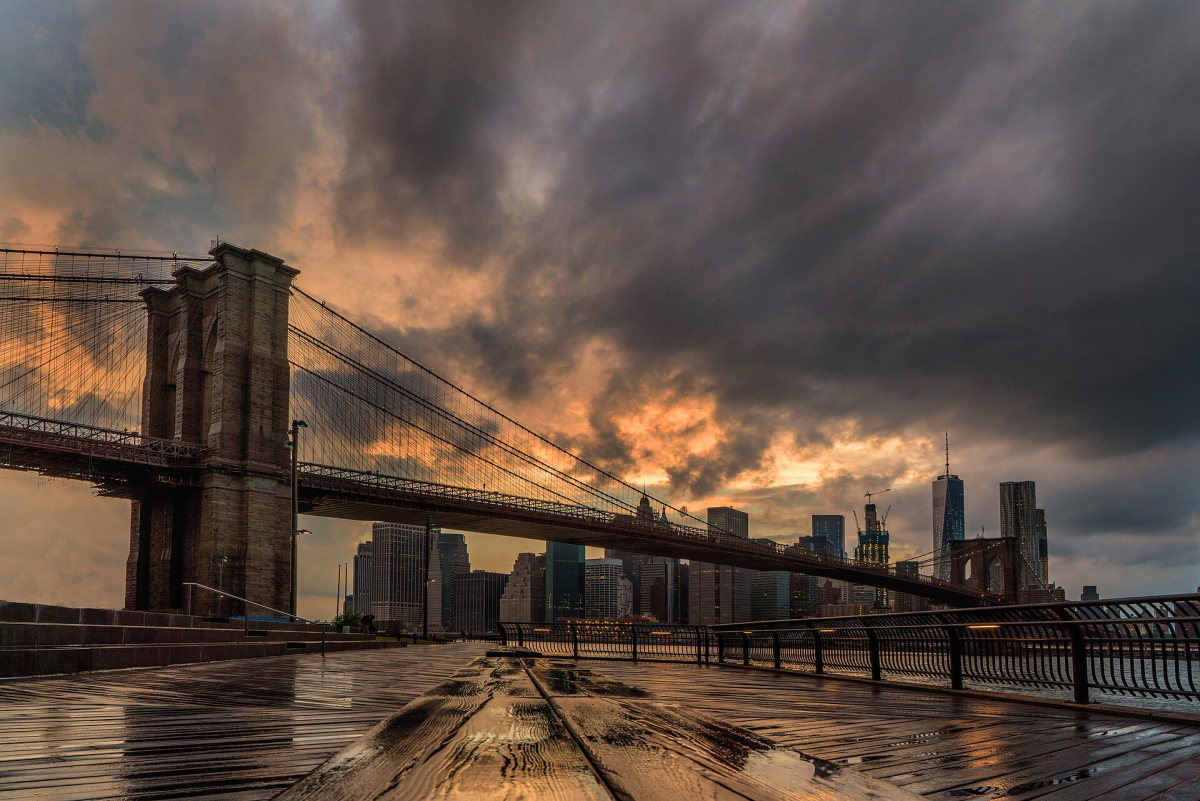
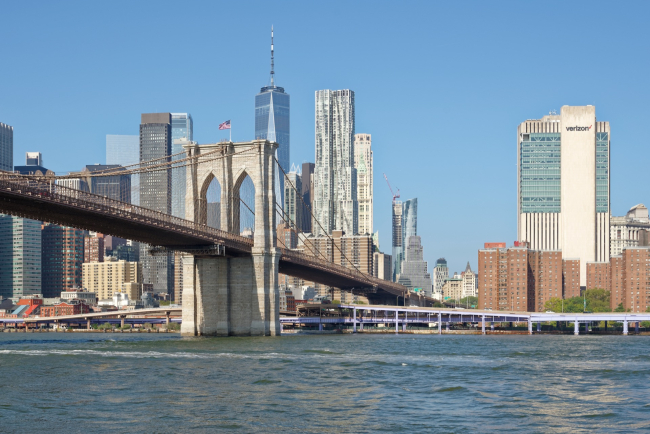
Brooklyn Bridge Park lets you look back towards Lower Manhattan while moving through piers, gardens and public spaces. Its official map shows different places to visit along the shore, so choose a short section or a longer continuous walk according to the time available. The area around Fulton Ferry and the bridge makes a useful orientation point, but the park extends beyond the most photographed view.
Plan the return from the end of your actual walk. A subway station, ferry landing or uphill street connection may each involve a different final leg. Check current park alerts and facility information when a playground, court or programme is the reason for coming. The waterfront is exposed; a comfortable inland afternoon can become chilly beside the river. Leave time to sit and watch the view change rather than treating the park only as the finishing line of a bridge crossing. For a shorter trip, choose the waterfront or the crossing instead of assuming both are compulsory.
Match the route to weather, energy and access
For every outdoor plan, consider the whole route: the station entrance, park approach, surface, slopes, rest stops and return. A general accessibility statement cannot answer all of those questions for every visitor. Save a usable map and check current alerts before leaving your accommodation. If a route depends on an event, lift, boat or seasonal activity, confirm that specific part separately.
Keep cycling and walking choices distinct where routes require it. Follow signs and local rules rather than copying a behaviour seen in an old photograph. Carry out waste, avoid feeding wildlife and leave paths clear for other users. A modest route that you enjoy comfortably often adds more to a city trip than trying to cover the greatest possible distance. See Accessibility for further route-planning questions.
Travel Tip:
Choose an exit as well as an entrance. A route is easier to enjoy when you know how its final section connects to the next meal, station or rest.
Sources and Current Checks
Editorial sources checked on 3 November 2026. Check current operating, booking and travel conditions for your dates.
Frequently Asked Questions
Can I see all of Central Park quickly?
A focused route is more useful than trying to cover the entire park. Pick a few places and an exit suited to the rest of your day.
Is every High Line entrance step-free?
Check the current entrance and lift information for the route you need. Do not assume a staircase entrance has an operating lift.
Should I walk both the Brooklyn Bridge and the whole waterfront park?
Only if the combined distance and time suit your day. Either can be a rewarding outing on its own.