USA · NEW YORK CITY GUIDE
Responsible Travel in New York City: Visit with Care for the City

A thoughtful New York visit is built from ordinary choices that respect a working city. Streets, trains, parks and neighbourhood shops serve residents as well as visitors. Keep shared routes usable, choose accommodation carefully and spend time in places without treating them as scenery alone. These suggestions focus on decisions you can make during a city visit; they do not label an entire trip or business sustainable without supporting evidence.
Keep the city’s shared spaces working
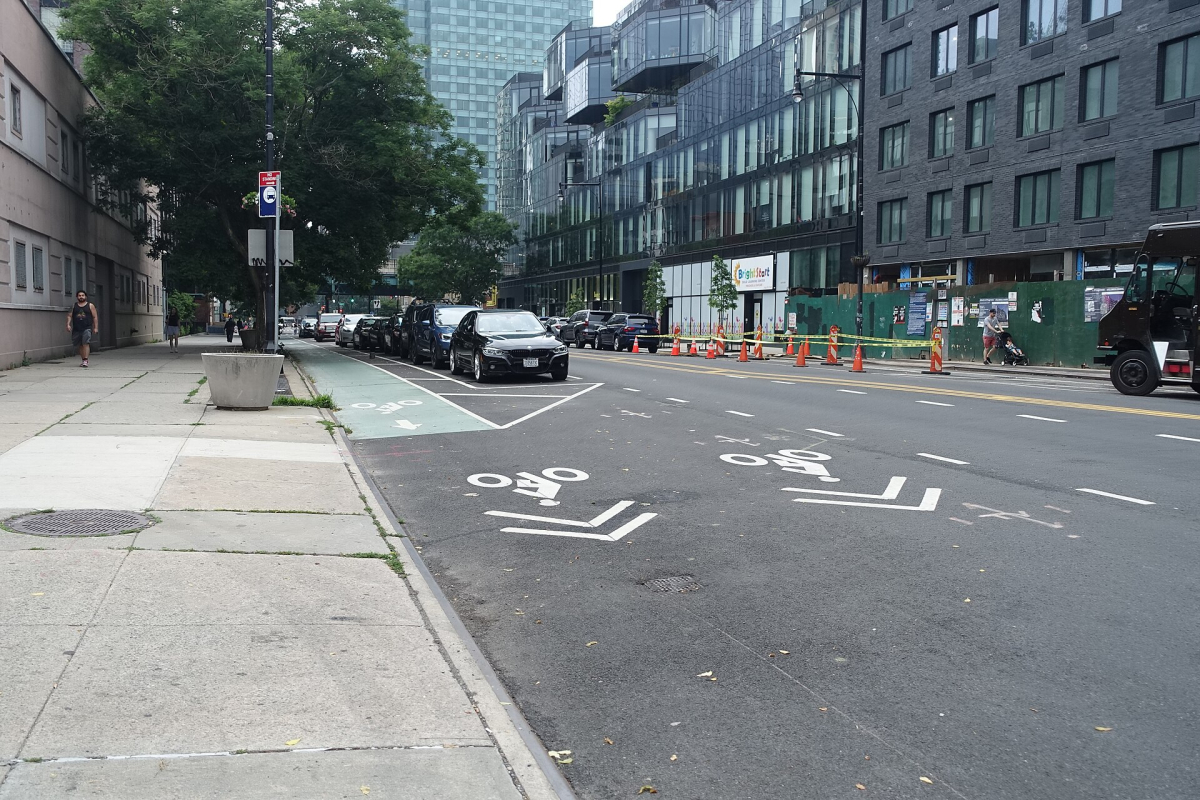
Move aside before checking a map, arranging a group photo or discussing the next stop. Station stairs, curb ramps, shop doors and bridge paths need to remain usable. The most recognizable photograph position is not automatically a place where a whole party can stand for several minutes.
On public transport, let passengers leave before boarding and keep bags from occupying space other people need. When stopping in a busy street, choose a wide, appropriate place rather than the mouth of a crossing. Respect seating and access requirements; an empty wheelchair area is not an invitation to make it permanent luggage storage.
At the Brooklyn Bridge, walking and cycling use distinct routes. NYC DOT documents the protected cycling lane. Follow the current signed pedestrian path and avoid stepping into traffic for a photograph. Grouping your photo route carefully reduces rushed crossings and repeated stops in the busiest spaces.
Use a route that reduces unnecessary journeys
Plan visits in neighbouring areas and choose walking or public transport when they fit your requirements. Avoid a sequence of cross-city bookings simply because each appears on a separate attraction list. A direct bus or rail route can be a practical choice even if you can afford several taxis.
This does not mean every visitor should make every journey the same way. Access needs, luggage, late arrivals and weather can make a licensed car the appropriate option. The useful decision is whether the actual journey works, not whether one mode receives an automatic moral label. See Getting Around for a comparison.
Give a neighbourhood enough time once you arrive. A planned lunch, a walk and one focused visit often provide more understanding than a quick stop between distant ticketed attractions. Use the city itineraries to keep an ordinary day geographically coherent.
Respect residents and choose lawful accommodation
Follow the rules of the building and the quiet expectations of residential streets. A film location, stoop or recognizable façade can still be someone’s home or workplace. Observe from public space, keep doorways clear and do not enter private stairs or gardens because another photograph was taken there.
Ask before making a close photograph of a person, a small business interior or a private activity. If the answer is no, choose another subject. At memorials, cemeteries and religious places, follow the site’s rules and the purpose of the space rather than treating the visit as a photo set.
For accommodation, use lawfully operating options and check occupancy. The Office of Special Enforcement explains NYC’s restrictions on residential short-term rentals; an online listing does not itself prove compliance. The longer-stay guide covers the practical questions to ask without presenting a visitor apartment booking as harmless simply because it is convenient.
Make local spending attentive and specific
Choose a shop, restaurant or guide because the actual offering interests you, then respect how the business operates. Check opening days, booking needs and payment conditions before arriving with a large group. If you reserve a limited seat or small tour, honour the booking or cancel through the stated process while the provider still has a chance to fill it.
In independent shops, ask permission before photographing displays and do not move products to stage an image. Buy an item you understand rather than a generic object selected only for a New York label. The shopping guide highlights product and neighbourhood decisions, while Food & Drink explains the context of what you order.
No business becomes locally owned or ethically certified merely because it looks small or has a market stall. If ownership, production or certification matters to your decision, ask for the relevant information. Avoid turning an assumption into a claim in a review or social post.
Use parks and waterfronts with care

Stay on permitted paths, respect temporary closures and leave planted areas as you find them. A quieter-looking route through a closed landscape is not an alternative entrance. Keep wildlife at a distance and follow the park’s own rules rather than feeding or approaching animals for a photograph.
Choose a suitable bin and follow its labels; if no appropriate disposal point is available, carry your items until you find one. Take only what you need for a picnic and plan how to carry the remainder. A refillable bottle can be useful where there is a confirmed usable water source, but do not assume every mapped fountain operates year-round.
The Central Park Conservancy and Brooklyn Bridge Park publish visitor rules, maps and notices. Use those for the actual outing. For beach swimming, obey the guarded-season and section-status rules explained in the beach guide; an attractive empty shore is not permission to enter closed water.
Make the photograph without taking over the place
Choose handheld equipment when a busy or restricted venue makes other gear unsuitable, and read the actual operator policy before carrying a tripod. Permission for casual photography does not establish permission for a commercial shoot, lighting setup or a group that blocks access.
Wait for space, take the image and move on so others can use the view. At a popular residential or waterfront location, consider a different angle rather than joining a queue that blocks someone’s entrance. Keep the surroundings truthful when sharing: do not describe an old image, a staged access arrangement or a seasonal scene as today’s normal conditions.
A good visit can leave room for observation without a camera. Spending a little longer understanding the street, building or event often leads to a more useful memory than repeating the same crowded pose everywhere.
Travel Tip:
Before stopping for a photograph, look behind and beside you: keep ramps, crossings, doors and cycle lanes clear. If the popular angle blocks a working street or home, choose a different position.
Sources and Current Checks
Editorial sources checked on 3 November 2026. Check current operating, booking and travel conditions for your dates.
Frequently Asked Questions
What is the most useful responsible-travel habit in New York?
Keep shared spaces usable and plan a coherent local route. Move aside for maps and photographs, respect access needs and avoid unnecessary repeated cross-city journeys.
Is every apartment listed online a lawful visitor rental?
No. A platform listing does not establish compliance. NYC has specific residential short-term rental restrictions; check the accommodation type and occupancy through the official guidance.
Can I photograph a famous residential stoop or film location?
Observe from lawful public space, keep entrances clear and respect residents and any posted restrictions. Recognition from a film does not make private stairs or interiors public.
Does a small shop automatically mean ethical or local production?
No. Choose what interests you and ask for evidence if ownership, production or certification matters. Avoid assigning a sustainability claim merely from appearance or marketing.