USA · NEW YORK CITY GUIDE
Accessible New York City: Plan Transport, Visits and Accommodation
Plan an accessible New York visit around the complete journey: room, building exit, pavement, transport entrance and the experience inside the venue. An accessibility symbol can be useful, but it does not answer every question about a particular entrance, direction, toilet or room. Start with your own requirements, ask specific questions and check live conditions before travel. The examples here support planning; they are not an independent physical accessibility audit of the city.
Turn your requirements into practical questions
Describe what you need in concrete terms. This could mean a step-free route, a lift of suitable size, a bathroom arrangement, regular seating, clear visual information, an audio resource or a quieter time to visit. If a particular measurement or feature is essential, request it from the provider instead of relying on the broad word accessible.
Choose the day’s main activity before booking transport and accommodation. An excellent room in an area that requires an unsuitable daily interchange may not serve the whole trip. Use neighbourhood choices to create a shortlist, then check the exact route to the places you expect to visit.
Leave enough time to make adjustments. A lift outage or closed entrance should lead to a practical alternative rather than a rushed attempt to complete the original schedule. Keep one nearby indoor or seated option available, particularly on a day with a long outdoor route.
Check the whole transport chain
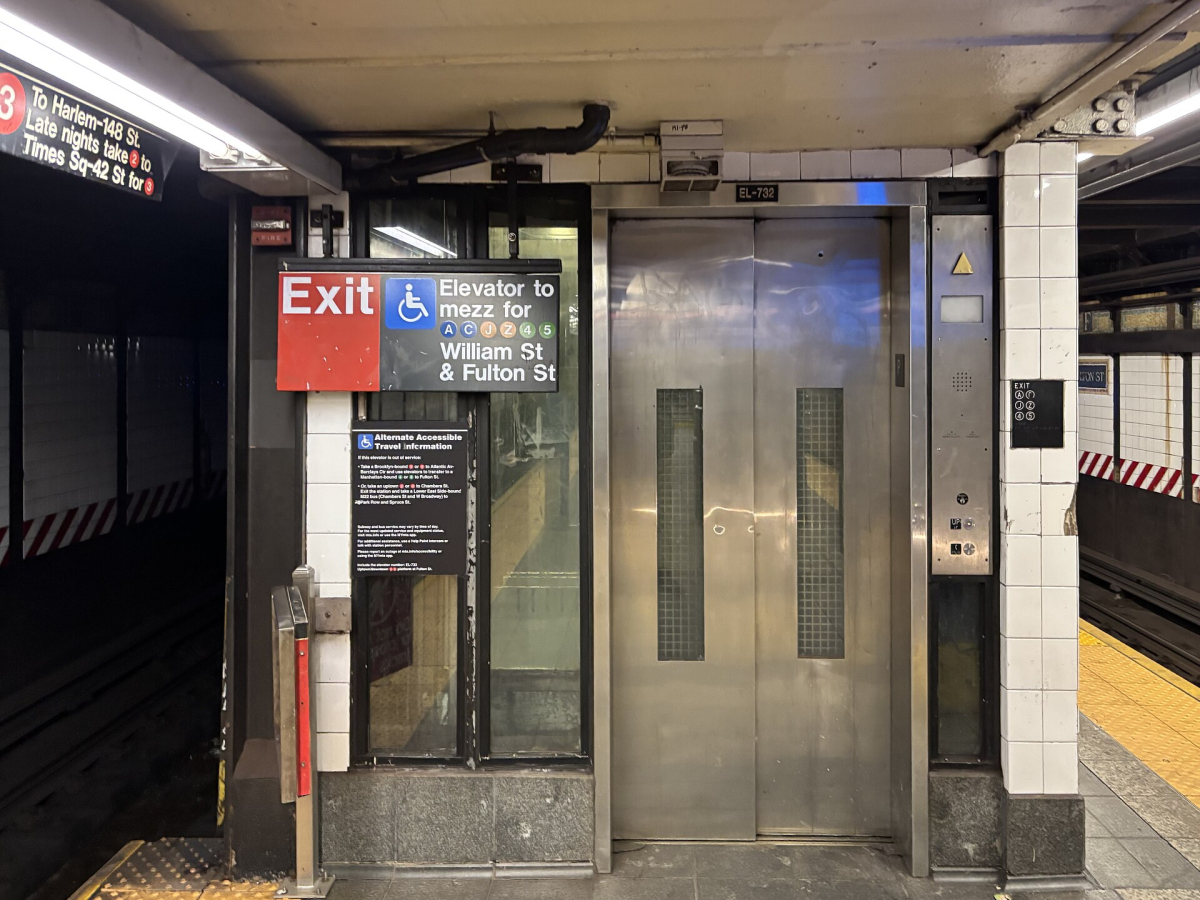
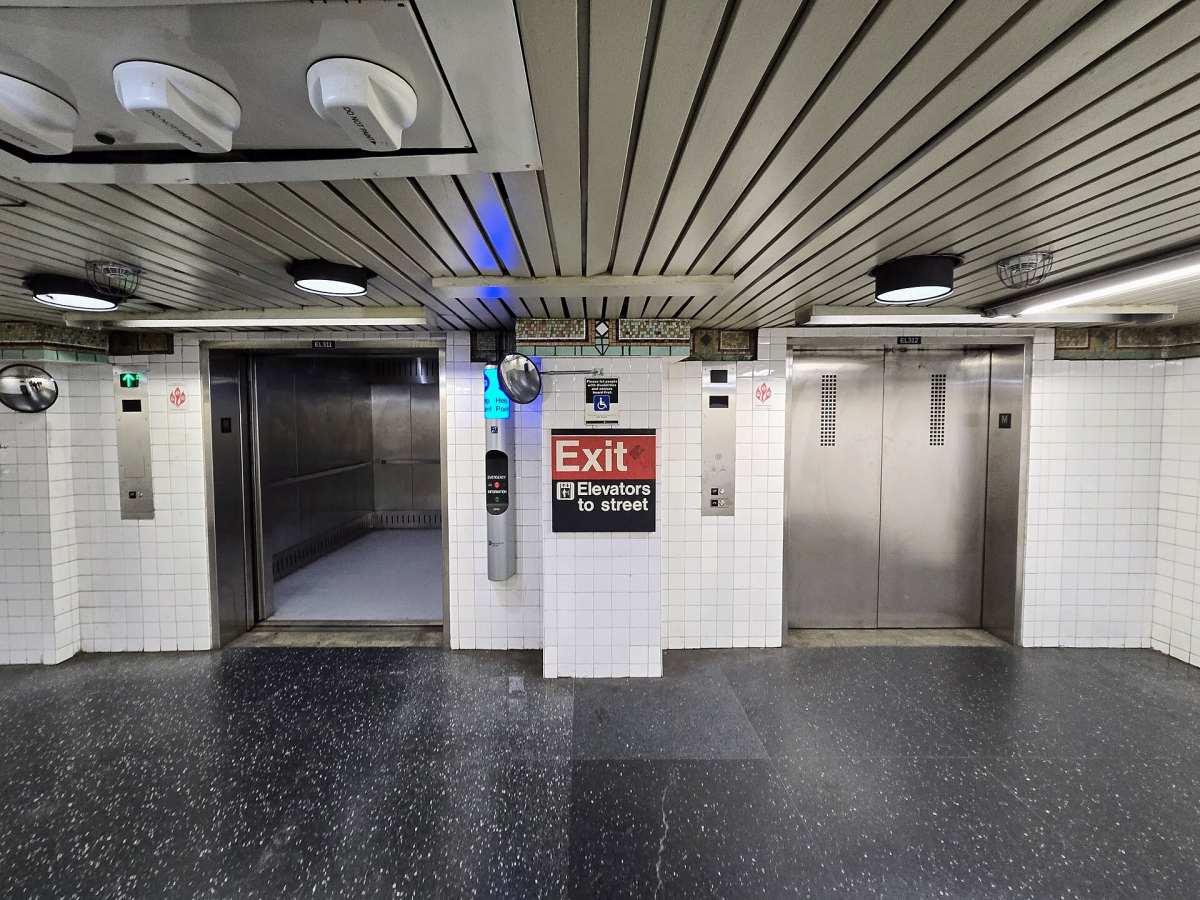
The official MTA app guidance distinguishes fully and partly accessible stations. Check the direction, entrance and transfer path you need, then use the status tab for current elevator/escalator information. Do the same for the return journey; entering a station is not proof that every platform or interchange is reachable.
At the airports, check each link rather than only the main train. The JFK AirTrain information describes accessible stations and connections, but your onward street exit and hotel approach still need to work. See Airports & Transfers for route choices without assuming the fastest listed option is the most suitable.
Consider an accessible bus for the complete journey
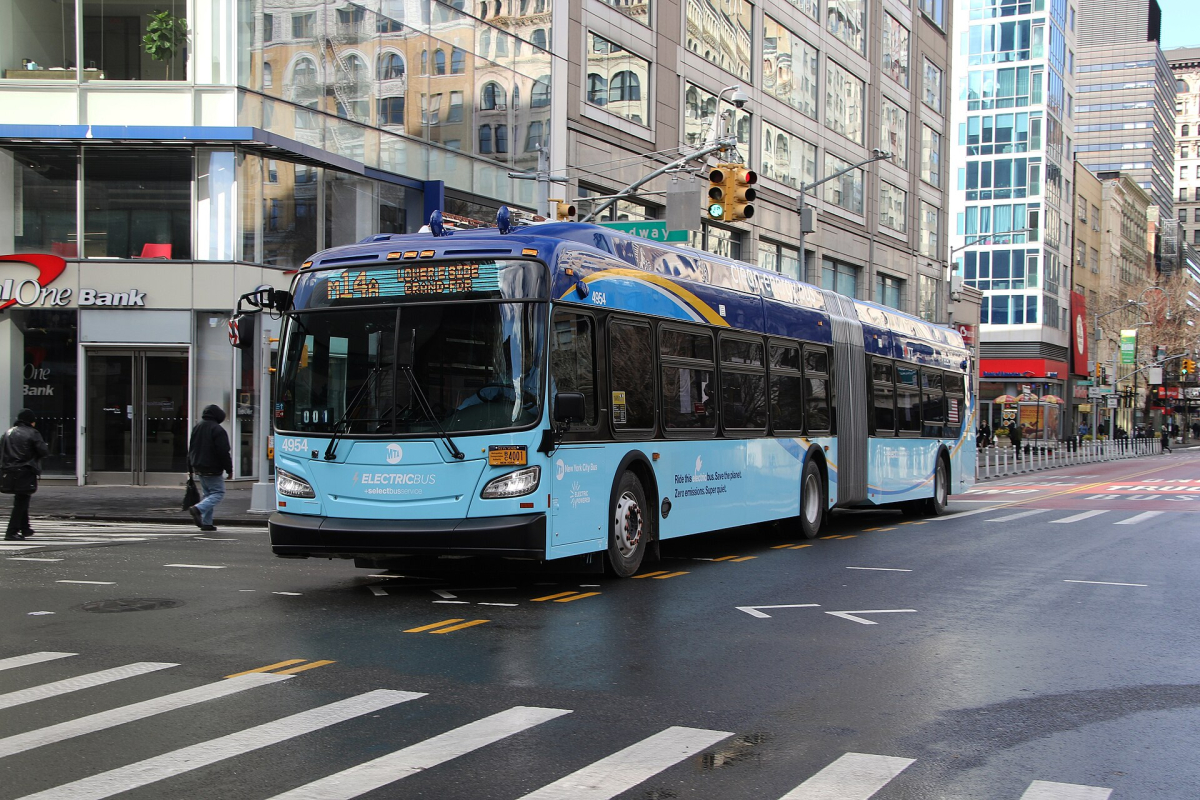
Buses can provide a useful alternative to station stairs. The city’s accessible transportation report describes ramps on local/Select Bus vehicles and lifts on coach-style express buses. Consider the actual stop, pavement and vehicle boarding arrangement as well as the nominal route.
Compare the walk to the actual stop and the pavement at your destination. A convenient surface route can avoid a complicated station interchange, but allow for traffic and keep an alternative if the boarding location is obstructed.
Plan pavements, bridges and breaks
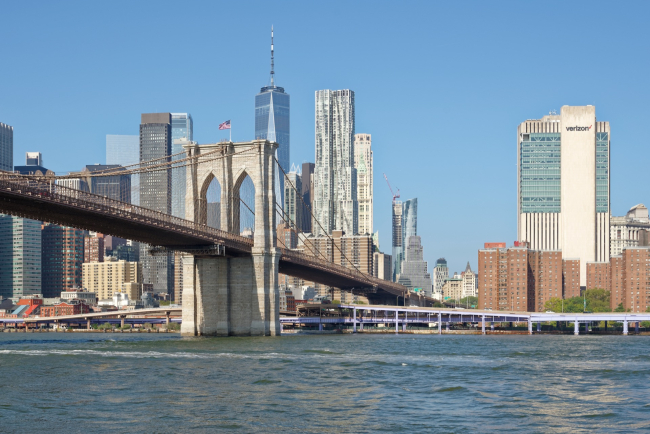
A short map line can hide a steep approach, uneven paving, construction or a long distance between places to sit. If a bridge or waterfront walk is important, examine the approach as carefully as the viewpoint itself. Ask about an alternative entrance rather than assuming the staircase most often photographed is the only access.
Keep the route compact and identify a restroom and seated break before setting out. NYC311’s public restroom resources can help locate facilities, but confirm the actual hours and required features. A map’s general access label is not a substitute for a critical bathroom measurement.
Choose an outing length that works for your party and the weather. A shorter park segment with a convenient bus return may be more enjoyable than reaching the far end and discovering the only easy route back is unavailable. For the High Line or any lift-dependent outdoor space, verify current operator notices before committing to a specific entrance. Do not use an old photograph as proof of today’s access.
Ask about the visit as well as the entrance
Check security screening, seating, toilets, companion policies and any part of the experience that remains inaccessible. A building may have an accessible entrance while a particular tower, historic interior or special activity has additional constraints. At the Statue of Liberty, the crown requires stairs and has no elevator; grounds, pedestal and crown must be evaluated separately. Use the NPS crown guidance before buying that access level.
AMNH’s visit information identifies Rose Center and Gilder Center entrances as accessible options and explains stroller restrictions in some spaces. Other venues have their own arrangements, so check the chosen museum rather than transferring one building’s rules to another. The museum guide helps narrow the collection before you investigate access.
For a theatre or timed event, ask the operator about the actual seat location, transfer requirements, lift route and the resources available at that performance. If an audio, captioned, signed or relaxed session is essential, confirm the exact date and booking method rather than assuming the service applies to every performance.
Reserve the room features you actually need
Ask the hotel about the specific room category, bed arrangement, doorway clearance, bathroom fittings and route from the street. If you need a roll-in shower, support rails or space for equipment, use those terms and request confirmation. A generic note on a booking is less useful than an answer tied to the room being reserved.
Check lift access, any steps at the main entrance and what happens if the normal entrance is closed late at night. Discuss practical needs such as charging equipment, storage or assistance arrangements directly with the operator; do not infer a guaranteed service from a general property description.
Keep the written reply with the reservation and contact the property again if the booking platform displays inconsistent details. The hotel guide offers accommodation comparisons, but the provider remains the source for current room-specific features.
On small screens, swipe or scroll this table horizontally. Keyboard users can focus the table area and use the arrow keys.
| Part of the visit | Ask specifically | Recheck when |
|---|---|---|
| Transport | Entrance, direction, transfer and lift path | Before the outward and return journeys |
| Venue | Usable areas, toilets, seating and companion arrangements | When choosing the date/product |
| Hotel | Exact room and bathroom features plus street-to-room route | Before payment and if room allocation changes |
| Outdoor route | Surface, approach, rest points and an alternative | Before leaving, especially after weather or works |
Travel Tip:
Check the exact entrance, direction and return route, then save a practical alternative. Written room- or visit-specific answers are more useful than a general accessibility badge.
Sources and Current Checks
Editorial sources checked on 3 November 2026. Check current operating, booking and travel conditions for your dates.
Frequently Asked Questions
Is every New York subway station step-free?
No. Use the MTA’s full/partial accessibility information, inspect the exact route and check live elevator status. Both the intended direction and any transfer matter.
Can a bus be easier than the subway?
Yes, depending on the stop and journey. A surface route can avoid station stairs or a complex interchange. Confirm boarding and stop conditions for your requirements and allow for traffic.
Does an accessible hotel label guarantee my bathroom needs?
No. Request the actual room type and the features or measurements that are essential to you. Keep the provider’s written confirmation with the reservation.
Can I reach the Statue of Liberty crown by elevator?
No. NPS states that crown access involves a strenuous stair climb with no elevator. Consider the grounds and other access levels separately using the operator’s current guidance.