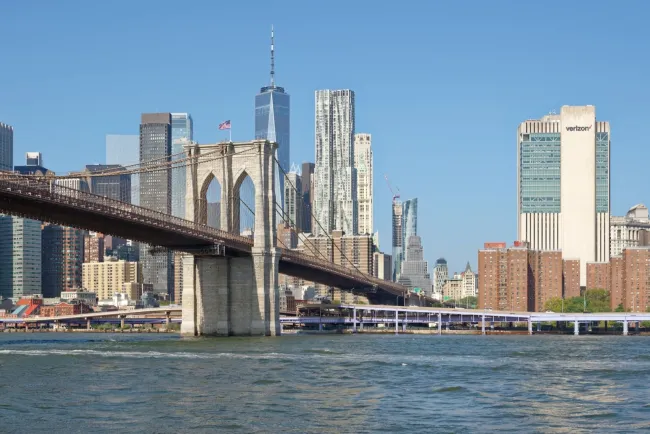
This guide helps you choose how to spend your time. Use Attractions for individual landmark admission decisions and Itineraries to arrange experiences into realistic days.
Walk the Brooklyn Bridge towards the waterfront
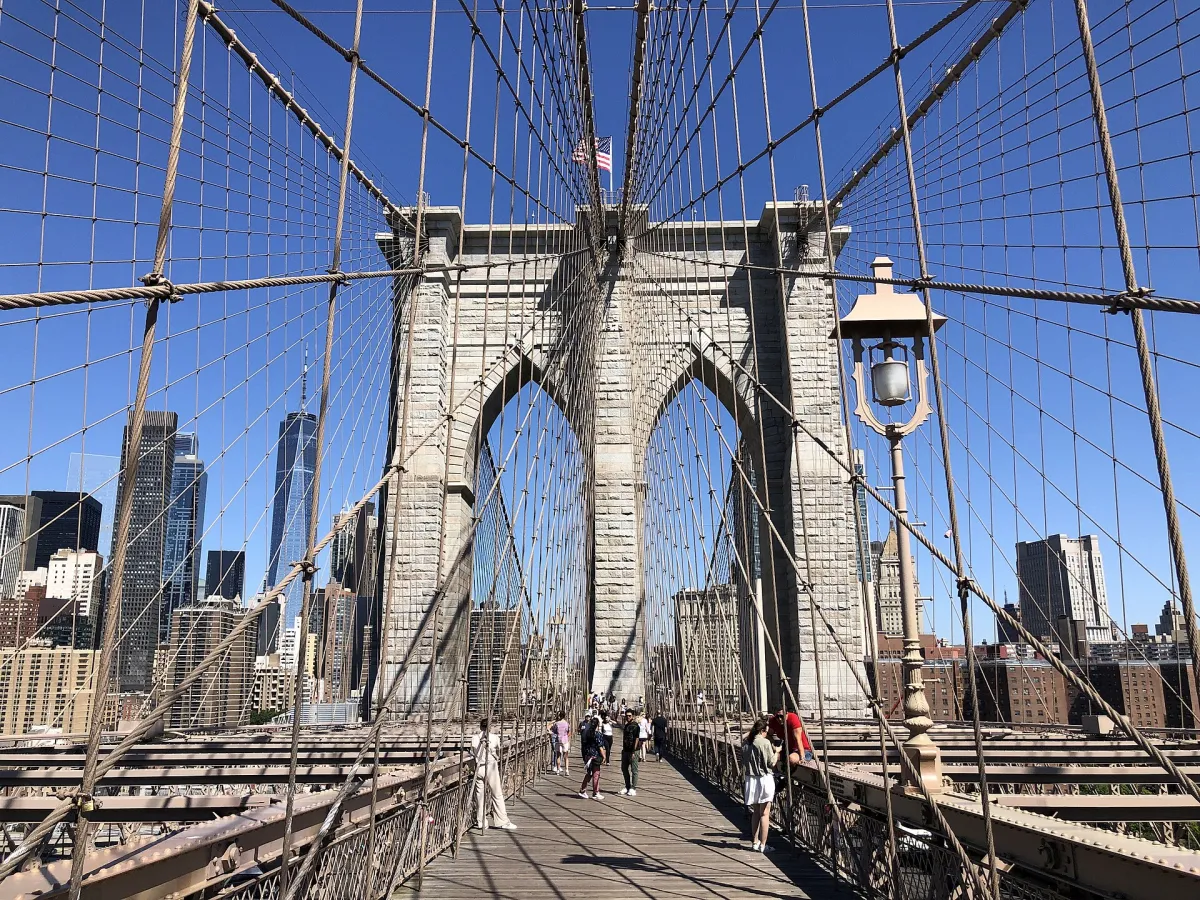
A one-way walk over the Brooklyn Bridge connects a close view of its towers and suspension structure with a different city scene at the riverfront. Start on the Manhattan side when you want to finish in Brooklyn, then use current signs and a suitable map to follow the pedestrian route. The crossing and its approaches deserve their own time; this is more than a brief pause for one photograph.
After crossing, choose whether to explore around DUMBO or continue into Brooklyn Bridge Park. A short waterfront visit can finish near the bridge, while a longer outing can extend towards the southern piers. Stop for food nearby rather than adding a distant lunch reservation. Cobblestones, slopes and changes of level matter for wheels and tired feet, so use the park's actual access information. On a short visit, the crossing or the waterfront alone can be enough. Choose the part that gives you the experience you want instead of making both compulsory.
Make a harbour crossing part of the day
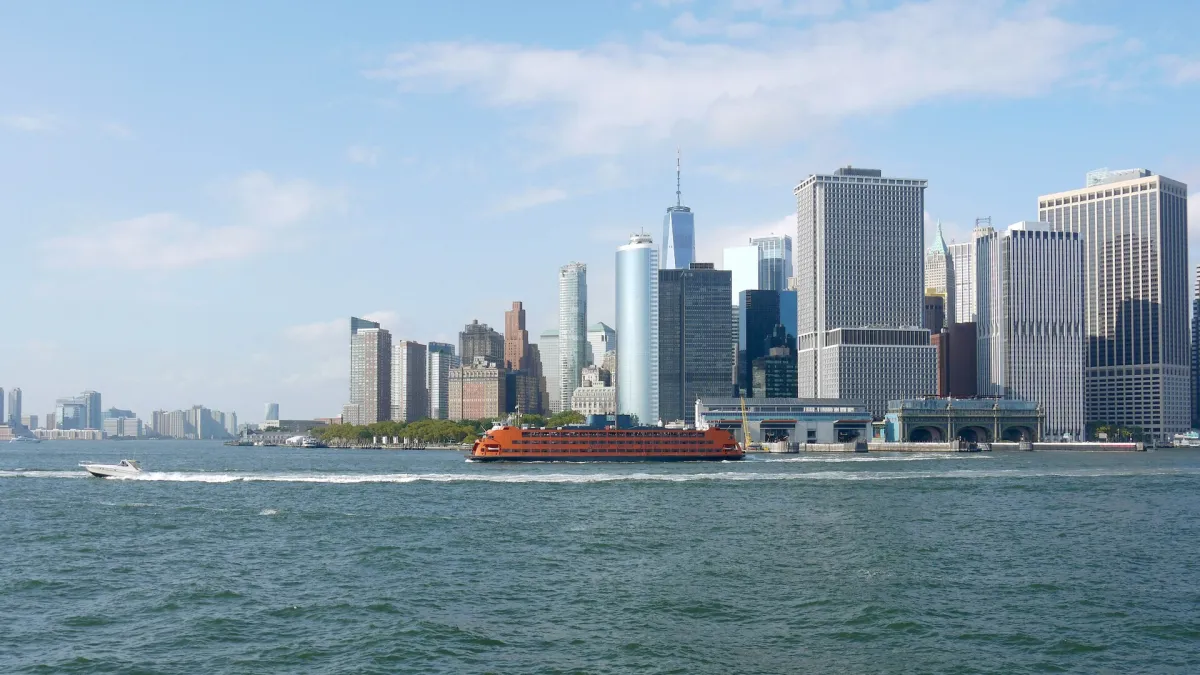
For a low-cost change of perspective, travel between Lower Manhattan and St. George on the Staten Island Ferry. NYC DOT lists the crossing as free and about 25 minutes each way. Budget additional time for reaching Whitehall, waiting and the return boarding process; two crossings are not a guaranteed 50-minute activity. This is also a commuter service, so keep doors, stairs and passenger routes clear.
The crossing suits someone who wants open-water views without building the whole day around a ticketed attraction. It does not land at Liberty Island. If entering the Statue of Liberty or visiting the immigration museum is your priority, choose the separate island visit described in the attractions guide. Keep the rest of this day in Lower Manhattan, or leave time to explore around St. George before returning. Wind can make an exposed deck feel much colder than the streets, even when the city forecast looks mild.
Build an evening around a Broadway performance
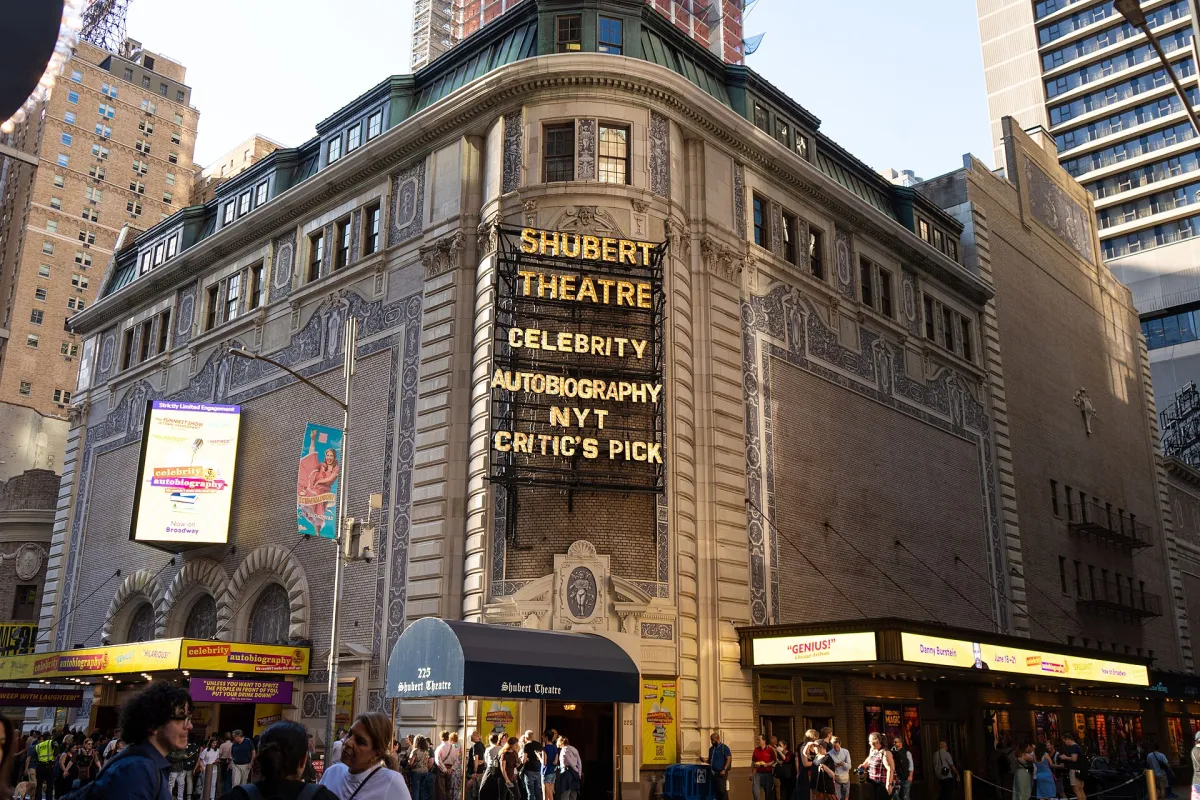
A theatre evening gives the trip a clear occasion, but the useful decision is the actual show, seat and performance time. Start with official production information and established ticket channels. Compare a seat you can understand with an attractive price whose view or conditions are unclear. A matinee can work well for children or anyone who wants an earlier return; an evening performance leaves the daytime free for a different part of Manhattan.
Keep the final afternoon close enough to Midtown to avoid a rushed cross-city journey. Eat before or after the performance according to the real curtain time, and allow for theatre entry and any bag checks. Do not make a non-refundable dinner reservation immediately after an assumed running time. Accessible seating and companion arrangements belong to the specific theatre and performance, so ask before buying. The Nightlife guide compares theatre with other evening choices; you do not need a second late-night commitment to make the day feel complete.
Choose a Queens neighbourhood for a food-led outing
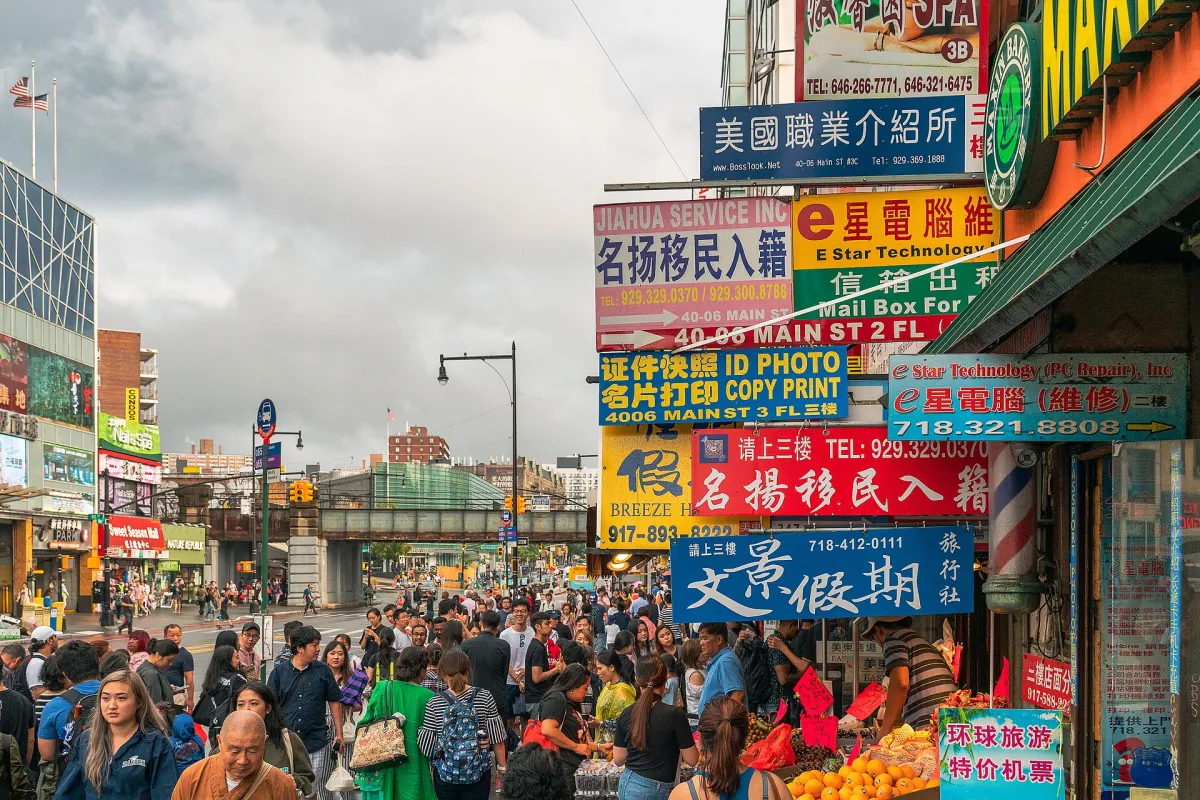
Choose one Queens neighbourhood and give it a clear starting point. For Flushing, the 7 train’s Flushing–Main Street station places you near Main Street and Roosevelt Avenue. Explore the surrounding shop streets before choosing a meal, rather than treating the first busy crossing as the whole district. Order a manageable amount if you hope to try more than one place.
Jackson Heights is a separate outing. The 7 local stops at 74 St–Broadway, beside the Jackson Heights–Roosevelt Avenue interchange; use the actual service and direction that fit your hotel. The MTA’s current 7 service information identifies the stops, while live notices decide whether that normal pattern is operating. Do not combine both neighbourhoods simply because they share a rail line.
Choose a dish or regional cuisine that interests you, read the current menus and leave room for queues. Ask about fillings, stock, sauces and preparation when dietary needs matter. Food & Drink gives ordering context; the restaurant shortlist illustrates specific service models elsewhere in the city rather than acting as a Queens directory. Treat shops, places of worship and residential streets as everyday places, keep entrances clear and plan the return before the outing expands.
Choose a balanced set of experiences
For a first visit, combine something that explains the city's scale, something that slows you down and something tied to a personal interest. For example, choose a harbour crossing, a neighbourhood walk and one performance. An art-focused visitor might replace the theatre with a substantial museum visit; someone returning to New York might use more time in Brooklyn or Queens instead of adding another skyline deck.
Check what your choices require before buying a sightseeing pass. Free public space, a commuter ferry and a particular theatre ticket are not automatically covered by one product. In wet or very hot weather, shorten the outdoor component and keep the alternative in the same broad area. A flexible afternoon is useful for a delayed arrival, an unexpectedly absorbing museum or simply tired feet. The city rewards returning to a place at a different pace as much as it rewards reaching somewhere new.
The link below opens general New York City activity results. Choose the actual product, date and meeting point, and check its access requirements before booking.
Compare New York City activitieson GetYourGuide
We may earn a commission if you book through our GetYourGuide links.
Travel Tip:
Choose the reservation that matters most first, then keep the rest of that part of the day geographically close and flexible.
Sources and Current Checks
Editorial sources checked on 3 November 2026. Check current operating, booking and travel conditions for your dates.
Frequently Asked Questions
What should I prioritise on a first New York visit?
Choose a few contrasting experiences rather than every famous landmark: a neighbourhood walk, one major view or visit, and an evening that matches your interests.
Is the Staten Island Ferry the ferry to the Statue of Liberty?
No. It connects Lower Manhattan with Staten Island. A Liberty Island visit uses a different authorised service and ticket.
Should I visit several boroughs in one day?
Usually choose one main area and a nearby companion. Several long transfers can leave little time to experience the places themselves.