USA · NEW YORK CITY GUIDE
Views from the Empire State Building: Plan a Skyline Photo Visit
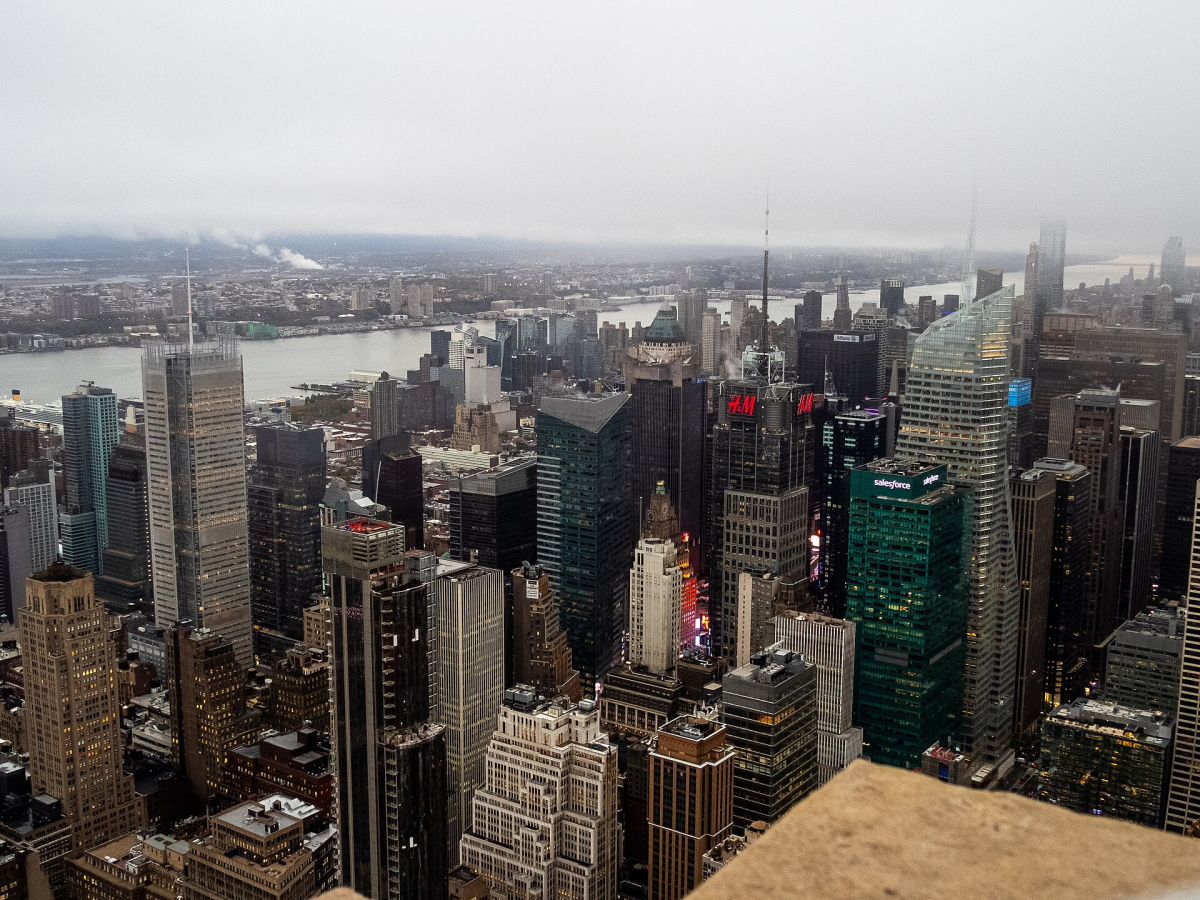
A photograph from the Empire State Building uses the landmark as a viewpoint rather than including it in the skyline. The accompanying image looks north from the building on a cloudy day in 2025. That distinction matters when choosing the visit: a photograph of the Empire State Building and a city view made from it are different subjects.
Use this companion to plan a focused skyline-photo visit. Admission categories, opening arrangements and the view you actually encounter must be checked for your date, not inferred from the reference picture.
Choose the viewing space before the time slot
Read the official ticket description to see which observation areas are included. The operator offers different products, including options for the 86th floor and combinations that include the 102nd floor. Do not compare prices as if they all provide the same experience.
Think about the kind of photograph you want: broad city relationships, a tighter architectural grouping or a change from daylight to city lights. Weather flexibility and the type of viewing space matter to that decision. A premium time or product cannot guarantee clear visibility. If the building itself is the subject you want in the frame, choose a different external viewpoint instead of expecting to achieve that picture from its own observatory.
Read the northward skyline as a set of relationships
The reference gives nearby roofs and streets a role beneath the more distant towers. Use those layers to decide what makes the image legible. A broad view can explain the scale of Midtown, while a tighter composition can make one grouping clearer. Avoid filling every frame with the same general panorama.
Clouds, haze and reflections can change what is visible. Review the result and adapt the subject rather than trying to make the day's conditions resemble a different date. A cloudy view can still show the city's structure, even if it does not deliver a distant clear horizon. Check the attraction's current camera and equipment rules before bringing a tripod or other support; the reference photograph is not evidence of permission for your own setup.
Keep the rest of the visit nearby
Place the observation visit within a manageable Midtown day. Allow for reaching the correct visitor entrance, admission and any required security process before expecting to make photographs. Do not promise yourself a specific sunset frame immediately at a ticketed entry time.
Leave room afterwards for a meal or short street-level walk rather than another distant timed admission. This gives you a different scale of city photograph and reduces the pressure to hurry. Use the attraction comparison for the broader visit choice. Keep the reference's 2025 date with its source, and describe new pictures according to the actual conditions you encounter.
Travel Tip:
Decide whether the aim is a photograph of the Empire State Building or a photograph from it. That single choice can change the viewpoint you should book.
Sources and Current Checks
Editorial sources checked on 3 November 2026. Check current operating, booking and travel conditions for your dates.
Frequently Asked Questions
Does the accompanying skyline include the Empire State Building?
It is a northward view made from the building, so the building itself is the camera position rather than the skyline subject.
Does every ticket include both observation levels?
Read the exact product. The operator distinguishes admission options and combined viewing-area products.