USA · NEW YORK CITY GUIDE
New York City History and Culture: Places That Explain the City
New York is easier to understand when its places are connected to the people and decisions that shaped them. The harbour, government buildings, burial grounds and tenement streets tell different parts of the story. No single monument represents everyone who has lived here, and a neighbourhood's present life should not be reduced to one historical label.
Use this guide to choose the kind of context you want from a visit. It offers a framework for looking and learning, while the Attractions and Museums pages handle detailed visitor choices. Allow time to read interpretation and listen, not only to photograph an exterior.
Federal Hall and the city's early national role
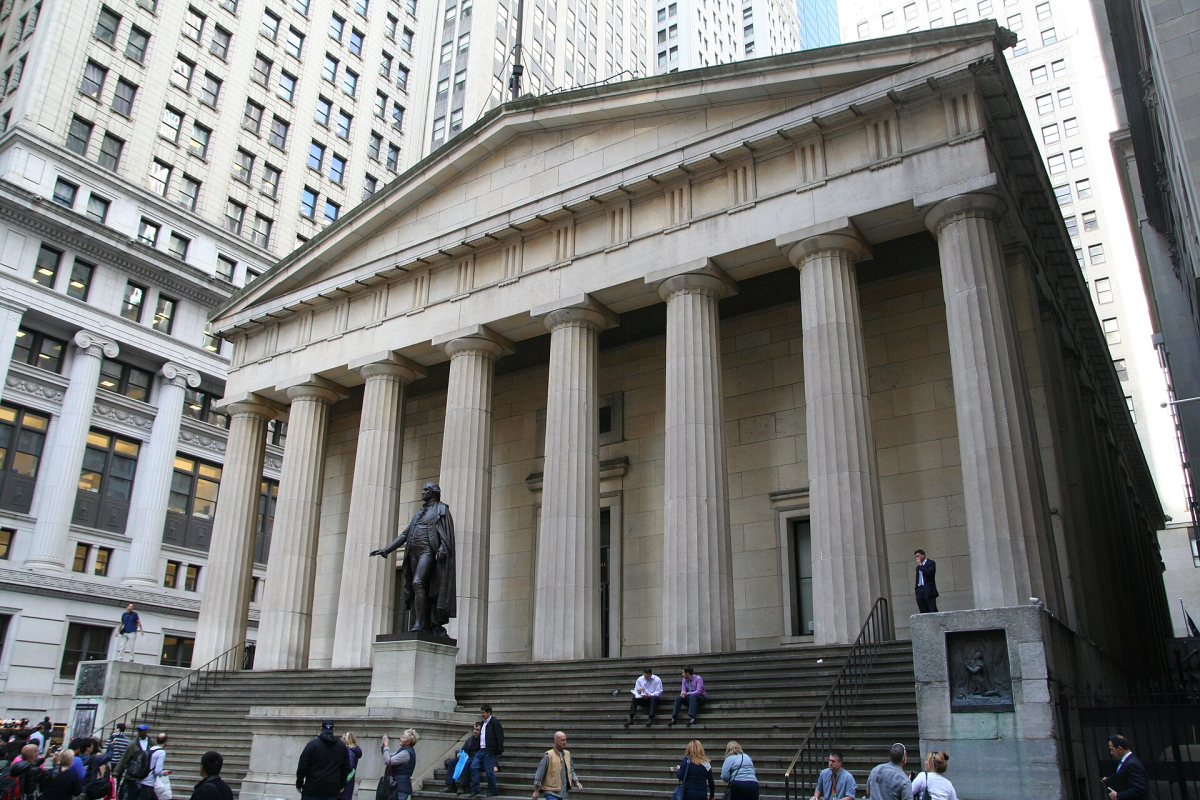
Lower Manhattan's compact streets place early national government beside today's financial district. New York was the first capital under the United States Constitution, and George Washington's first inauguration took place at the original Federal Hall in 1789. The Senate Historical Office explains that the earlier building was later demolished; the present memorial occupies part of that historical site. Keeping that distinction clear helps you read the place accurately.
Rather than searching for a complete original eighteenth-century interior, consider the relationship between the site, Wall Street and the institutions around it. A short walk can connect the political story to the harbour and the city's commercial geography. Check current access before expecting an interior programme. If you are combining this area with another major downtown visit, leave time between them to absorb the change of subject. A few carefully chosen places can tell a more coherent story than a long list of dates.
African Burial Ground: include histories that the skyline can obscure
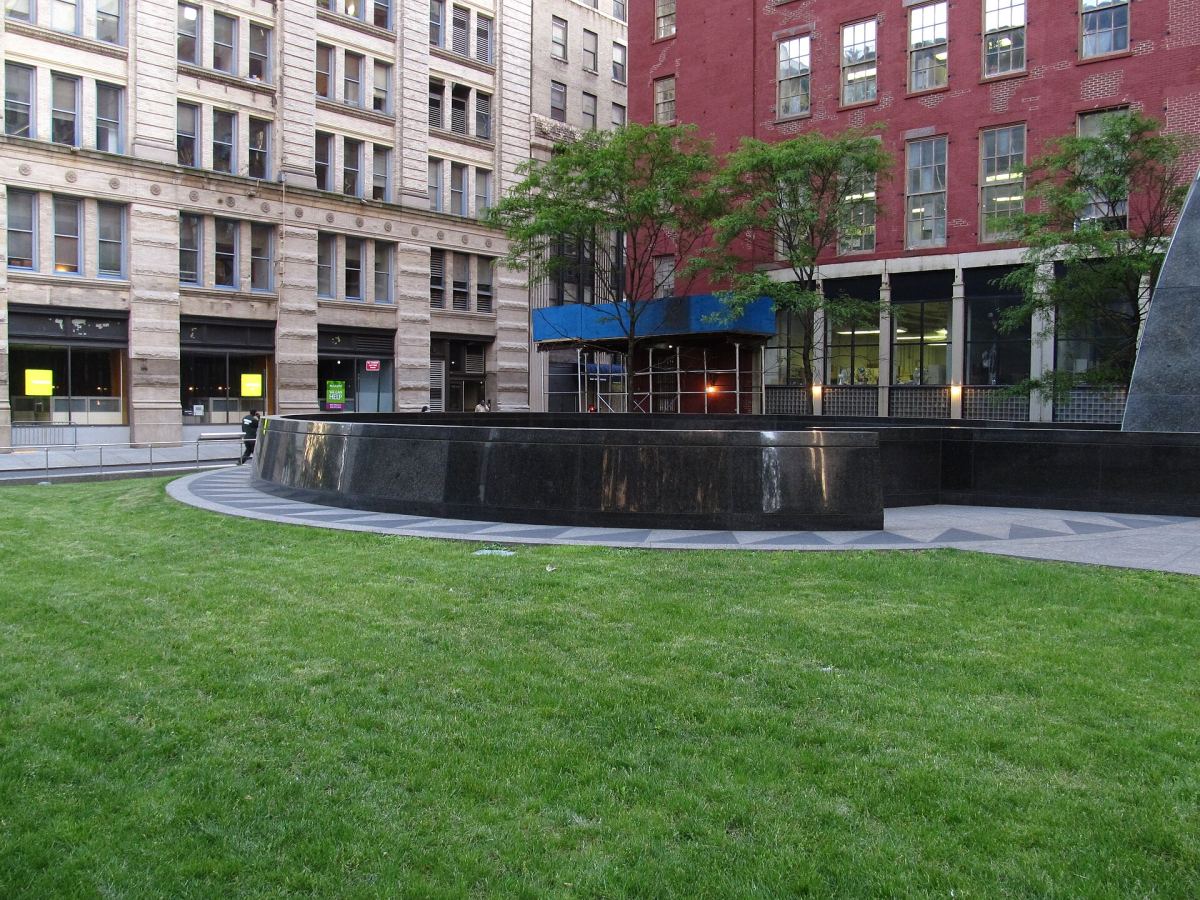
The African Burial Ground National Monument brings the lives of free and enslaved Africans into the story of New York's development. The NPS identifies the site as a major excavated burial ground and a place of remembrance. This is a reason to look beyond familiar towers and celebratory accounts of the city's growth. Read the site interpretation on its own terms rather than treating it as a quick architectural stop.
The outdoor memorial and visitor-centre experience have practical access arrangements to check separately. Plan a quiet visit and follow guidance for conduct and photography. When building a Lower Manhattan route, group it with nearby historical interests but avoid rushing straight from one solemn place to another simply because they are close on a map. If the visitor centre is the main reason for going, verify its schedule first. A guided programme can add meaning that is difficult to gather from an exterior photograph alone.
Ellis Island: read the harbour as a place of arrival
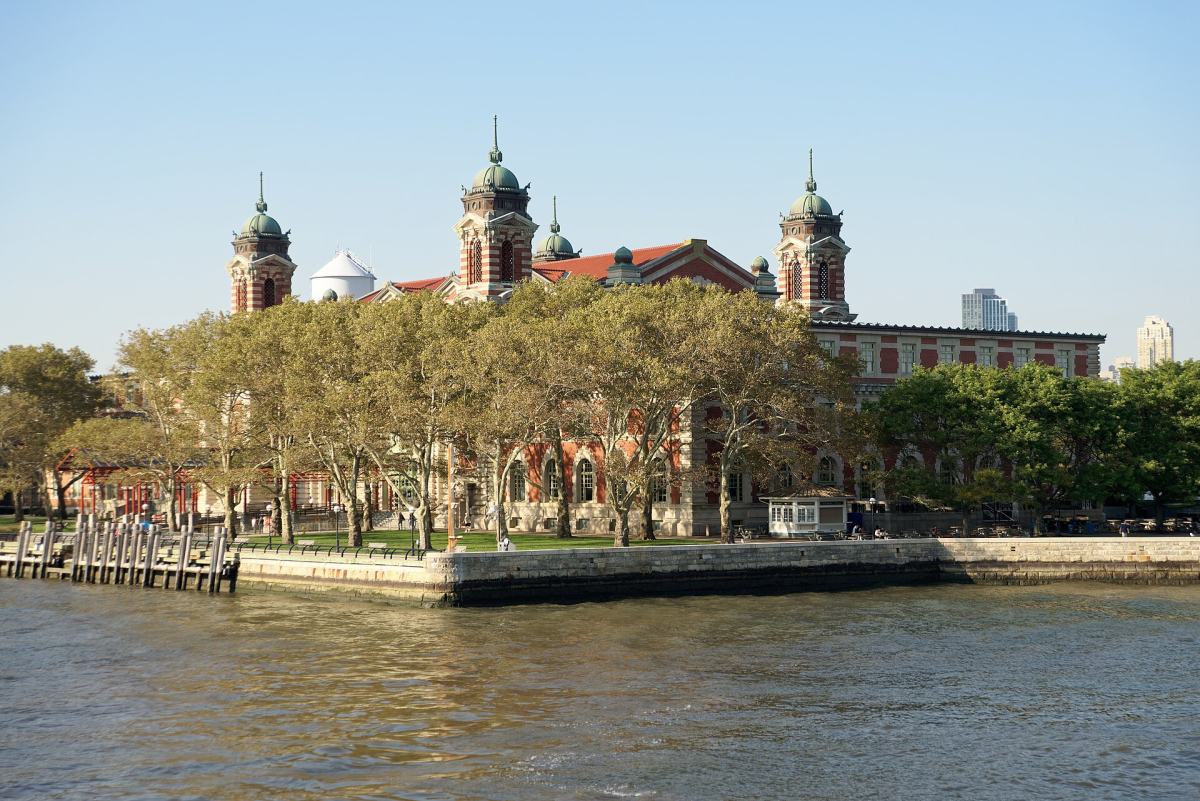
The Ellis Island immigration station gives the harbour a human history beyond the skyline. NPS history places its busiest immigration-station role in the period from 1892 to 1924 and records both opportunity and exclusion. It should not be described as the route taken by every immigrant or as the beginning of all New York migration. Different communities arrived in different periods and under different circumstances.
If this history is a priority, make room for the museum rather than using all the available time for the Statue of Liberty. Read the personal accounts, administrative processes and family stories together. A family connection can provide a starting point, but a visit need not depend on finding a particular ancestor. The city continues to be shaped by migration; the museum is a historical lens, not a complete explanation of the present. Detailed ferry and ticket choices are covered on the attractions page so the practical journey can support the visit you want.
The Lower East Side and the Tenement Museum
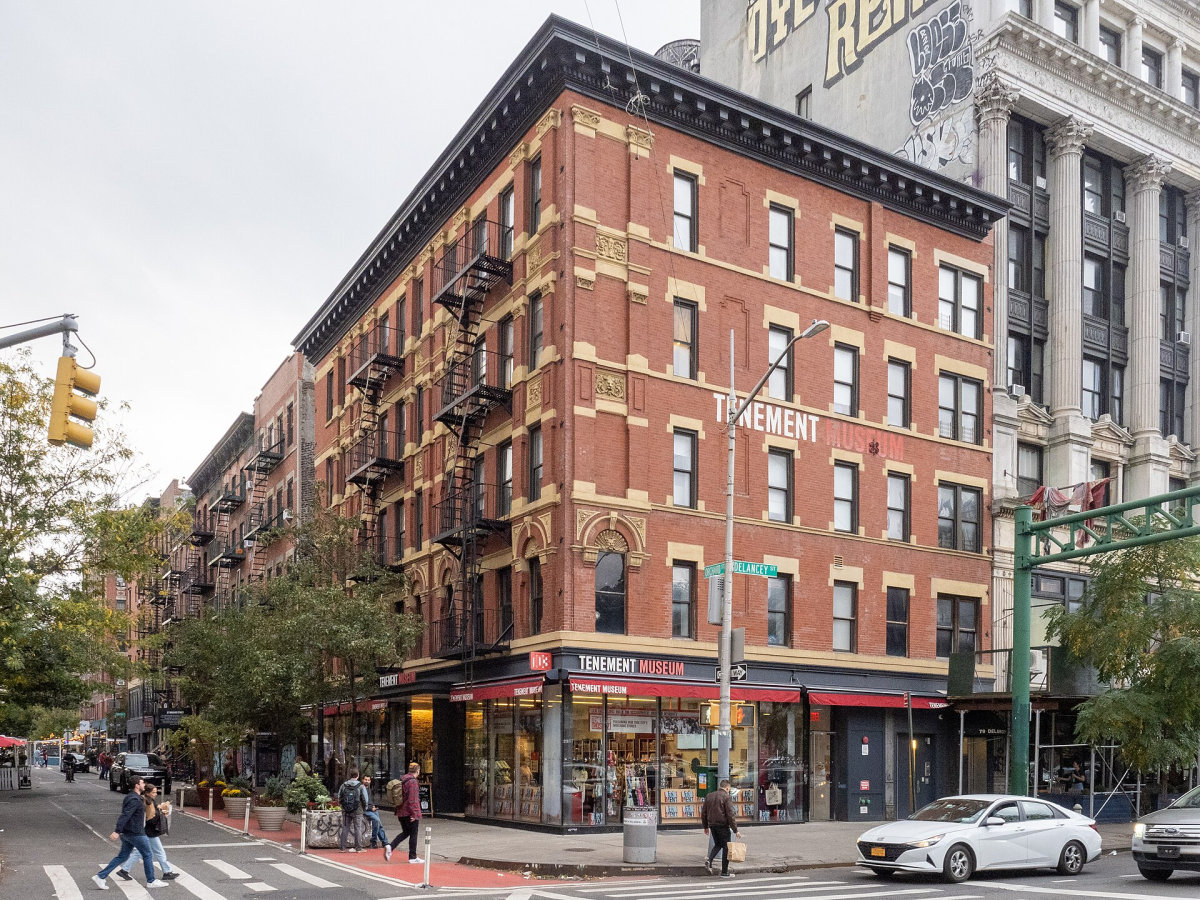
On the Lower East Side, the scale of a home can explain city history differently from a national monument. The Tenement Museum uses recreated domestic spaces and guided neighbourhood experiences to tell stories of immigrants, migrants and refugees. Its programmes focus on particular people and periods, so select the actual tour that interests you rather than assuming one ticket gives an unguided view of every building and apartment.
Read access, age and language arrangements for that programme before reserving. Place the tour in a wider neighbourhood visit with enough time for food and observation, but remember that present-day residents are not museum exhibits. Avoid photographing people through windows or treating a working business as a period set. The contrast between a guided historical interior and the streets outside can be especially useful: it shows both continuity and change. Use the current tour description as evidence, rather than assigning the same immigrant story to every nearby block.
Keep historical context connected to the living city
New York's cultural life is not confined to historic institutions. Language, food, music, religious practice and local businesses change across neighbourhoods and generations. Be cautious with descriptions that call one area the sole home of a community or reduce residents to stereotypes. A more useful visit begins with curiosity about the specific place and a willingness to ask respectful questions when an interaction is welcome.
Choose a current performance, exhibition or community-led programme to accompany a historical visit. Check who is presenting it and what experience is actually offered. A neighbourhood walk led by someone with a clear relationship to the area can add another perspective, but no tour speaks for everyone. For a short trip, connect two or three related interests rather than trying to summarise the entire city. Follow Responsible Travel for practical ways to visit shared streets and cultural spaces considerately.
Travel Tip:
Choose a historical question before choosing a route: government, migration, labour or everyday domestic life. Let that question decide which places deserve your time.
Sources and Current Checks
Editorial sources checked on 3 November 2026. Check current operating, booking and travel conditions for your dates.
Frequently Asked Questions
Was the current Federal Hall building where Washington was inaugurated?
The inauguration took place at the earlier Federal Hall. The Senate Historical Office explains that the original building was demolished and the later memorial occupies part of the site.
Does Ellis Island tell the story of every New York immigrant?
No. It presents an important period and set of experiences, while New York migration includes other routes, communities and eras.
Can I explore all Tenement Museum apartments independently?
Choose a specific current programme and read its description. The museum offers guided experiences rather than one unrestricted tour of every space.