USA · NEW YORK CITY GUIDE
New York City Museums: Choose Art, History or Science
A good New York museum day starts with the collection or subject you want to spend time with. The Met, MoMA and the American Museum of Natural History can each fill a substantial visit. Combining all three quickly usually means spending more attention on transfers and entrances than on what is inside.
Choose one main institution, then add a nearby walk or meal. The comparison below separates three strong but different choices, followed by practical ticket and access decisions. It is an editorial selection rather than an exhaustive list of the city's museums. For a smaller social-history experience, see the Tenement Museum discussion in History & Culture.
The Metropolitan Museum of Art: choose a few collection priorities
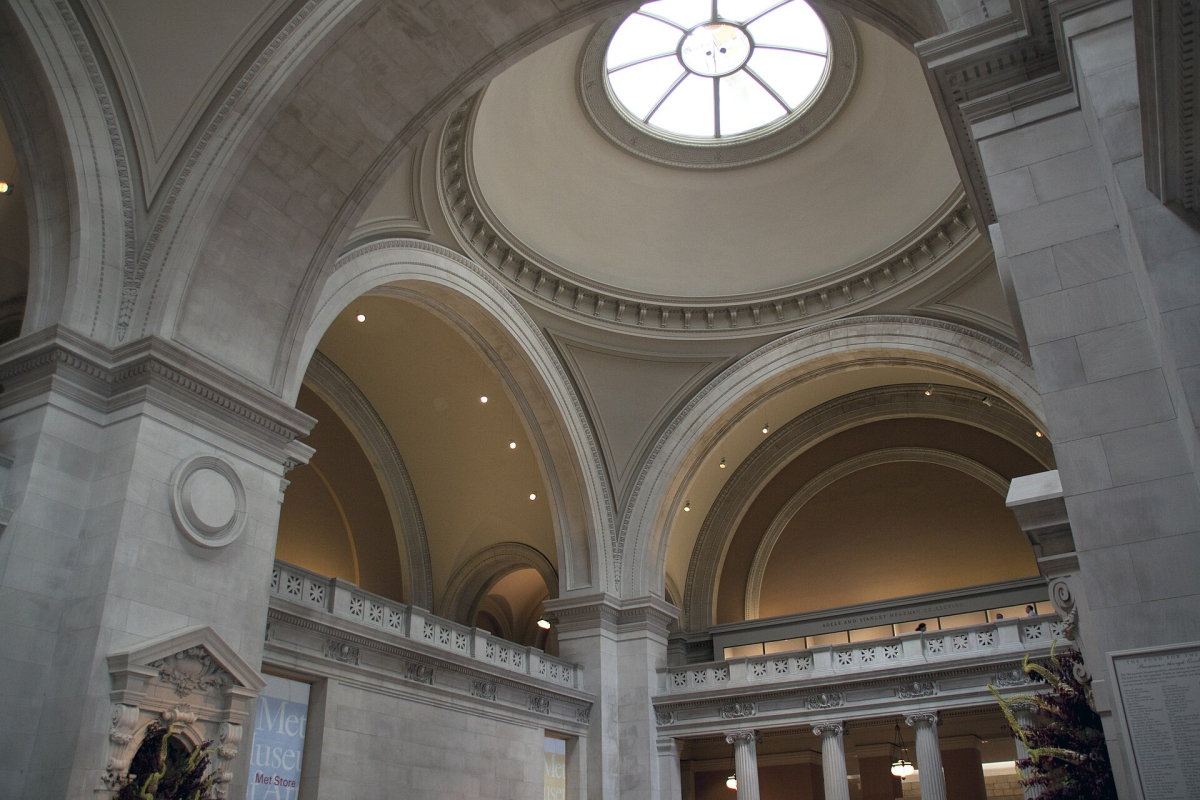
The Met suits visitors who want to move across periods and cultures, or devote time to a specific field of art. Its breadth is a reason to be selective. Before arriving, choose a few galleries or themes, then leave space for something unexpected. Trying to complete an entire large museum in one visit can leave less room for looking closely at a work that interests you.
The Fifth Avenue location can pair naturally with part of Central Park, but decide which side of the park you will use before leaving. The Met Cloisters is a separate location in northern Manhattan; it is not another wing reached by walking through the Fifth Avenue galleries. Confirm the location shown on any exhibition or programme you book.
Read the official admission conditions carefully. Resident and student eligibility rules do not mean every visitor can choose their own admission price. Gallery closures and special access arrangements can change the visit, so check your priority collection shortly before going. If a particular work is the reason for your journey, verify that it is currently on view rather than relying on a famous image in a guidebook.
MoMA: make a focused modern-art visit
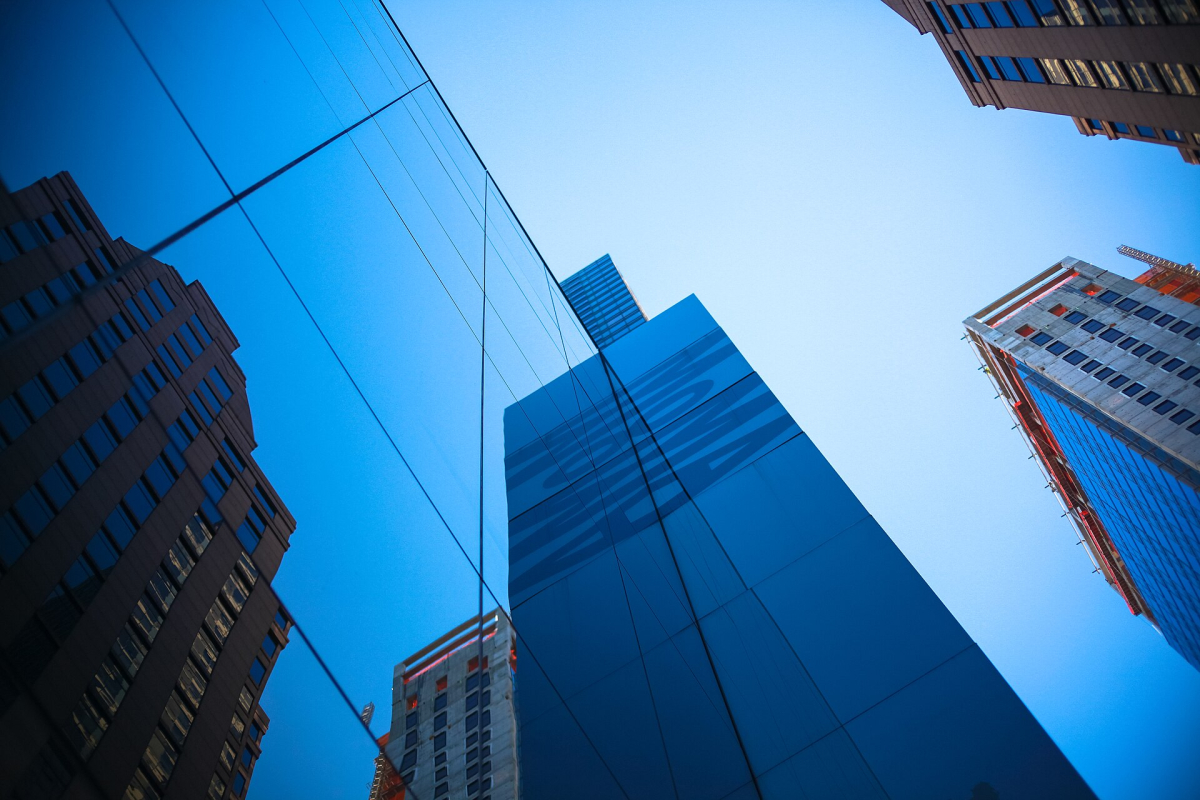
MoMA is a useful choice for someone drawn to modern and contemporary art, design, photography or film. The main Manhattan museum is on West 53rd Street, making it a practical Midtown indoor anchor. Keep time to revisit a room or compare works instead of treating the best-known pictures as a queue of photographic stops.
Distinguish the Manhattan museum from MoMA PS1 in Queens when planning a journey or exhibition. They are different locations with their own programmes. Read the actual date, venue and admission product; a search result showing the institution's name alone may not identify the place you intend to visit.
MoMA's visitor information lists admission categories, bag arrangements and current discounts. A local-resident offer should not be assumed available to an overseas visitor. Check whether the programme or film you want is covered by the ticket you select. A nearby meal or architecture walk is a sensible companion; a second major museum across town can turn an enjoyable focused visit into a rushed transfer exercise.
American Museum of Natural History: plan the admission product
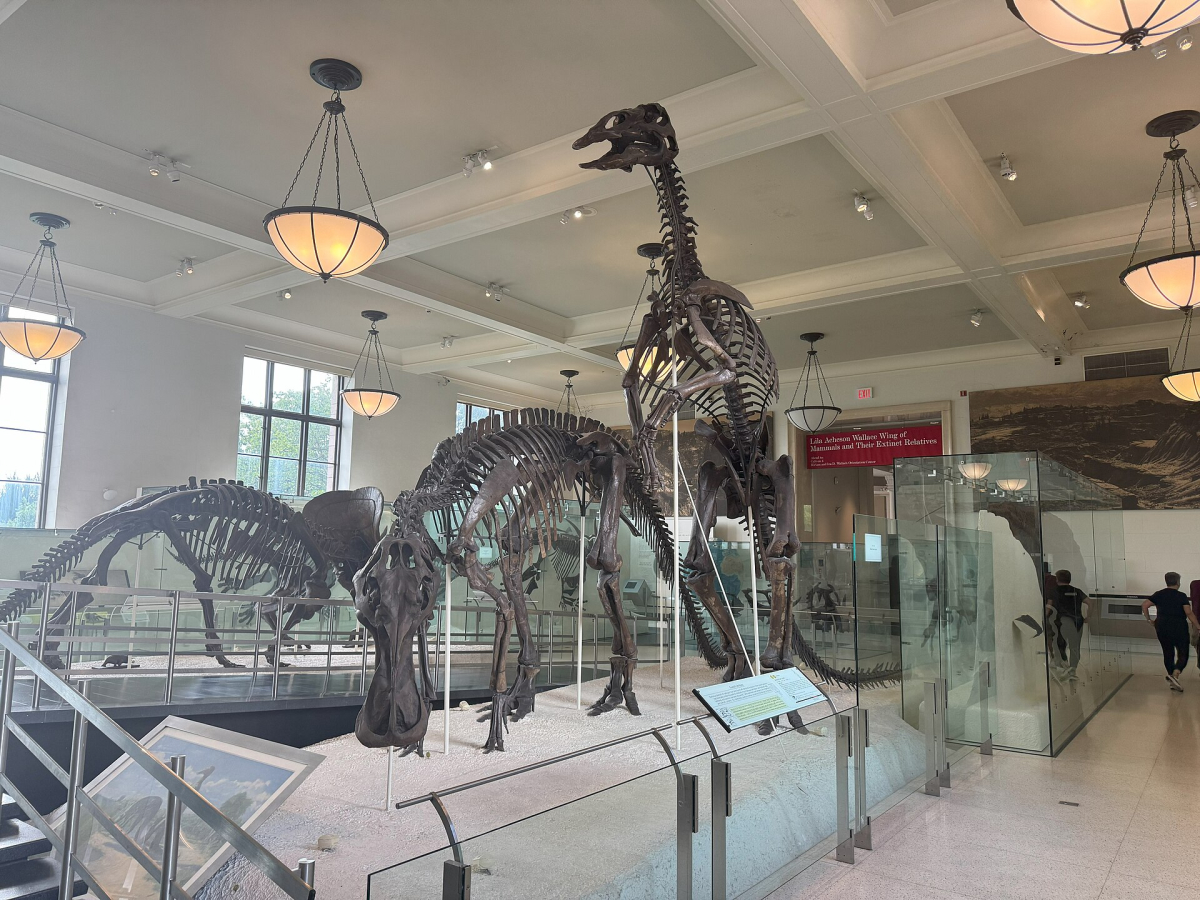
The American Museum of Natural History suits visitors interested in animals, fossils, space and the natural world. It can be particularly rewarding when a family chooses a few interests in advance rather than attempting every hall. Use the museum's own map to group those priorities and leave room for a break. A specific dinosaur interest and a space-show booking may lead to a different route through the museum.
Pay attention to the difference between general admission and ticketed exhibitions. The official visitor page explains that some experiences require a separate timed selection, and eligibility for pay-what-you-wish admission is limited. Do not assume that a discounted ticket or pass includes every extra experience. Read the conditions before promising a child a particular show.
The location by the west side of Central Park makes a short outdoor pause a practical companion, weather permitting. Keep the park section modest if most of the day's energy is already committed to the museum. For visitors with access or sensory needs, review the institution's specific resources and ask about the route or programme that matters, rather than relying on a general accessibility label.
Compare admission, passes and real eligibility
Start with the visits you actually want, then compare direct tickets with any sightseeing pass. Check the precise museum, location, admission level and validity period. A pass covering one general visit may not include a special exhibition, a timed show or every branch of an institution. The useful comparison is the total for your chosen plan, not the largest advertised percentage saving.
Read age, student, residency and accompanying-carer conditions separately. Free or reduced admission can still require a reservation or proof of eligibility. Avoid placing two major timed visits close together, especially when they are in different parts of Manhattan. Leave a buffer for queues, bag arrangements and the possibility that your first visit takes longer than expected. Use City Passes & Tickets to work through the wider comparison.
Plan comfort, access and a useful companion walk
A museum route is easier when the practical decisions are made before arrival. Check bag size, cloakroom arrangements, food policy and accessible entrances on the current visitor page. Download a map or save the relevant access details if mobile reception or data might be unreliable. For a wheelchair user or someone who needs frequent rests, the best entrance and lift route can matter as much as the address.
Give the visit a companion that adds variety: a short park walk, one nearby meal or an unhurried return to your accommodation. In poor weather, leave time to dry off and manage wet clothing before entering. If you want to photograph a work, follow the rules of that gallery or exhibition and keep other visitors' sightlines clear. An institution's general photography permission is not permission to use a flash, tripod or recording setup everywhere.
Travel Tip:
Choose the collection first, then the ticket. Confirm that any special exhibition or timed experience you care about is included in the exact admission product.
Sources and Current Checks
Editorial sources checked on 3 November 2026. Check current operating, booking and travel conditions for your dates.
Frequently Asked Questions
Which New York museum should I choose for one visit?
Choose by interest: the Met for broad art collections, MoMA for modern and contemporary art, or AMNH for natural history. One substantial visit is usually more rewarding than rushing through all three.
Is pay-what-you-wish admission available to everyone?
No. Eligibility differs by institution and can depend on residency or other conditions. Check the official current admission page.
Does a museum pass include every exhibition?
Not necessarily. General admission, special exhibitions and timed programmes may have different conditions.