USA · NEW YORK CITY GUIDE
Brooklyn Bridge Photography: Walkway and Waterfront Perspectives
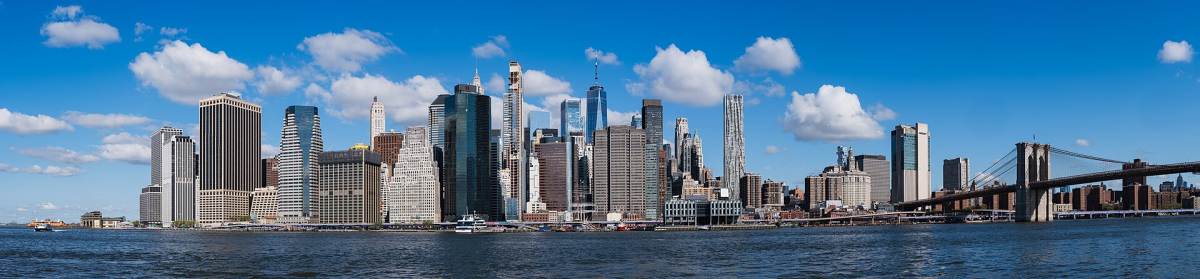
Brooklyn Bridge can be the route you walk or the subject you view from the riverfront. Those choices give very different photographs. Decide which is the main purpose before choosing your arrival station and the direction of the outing.
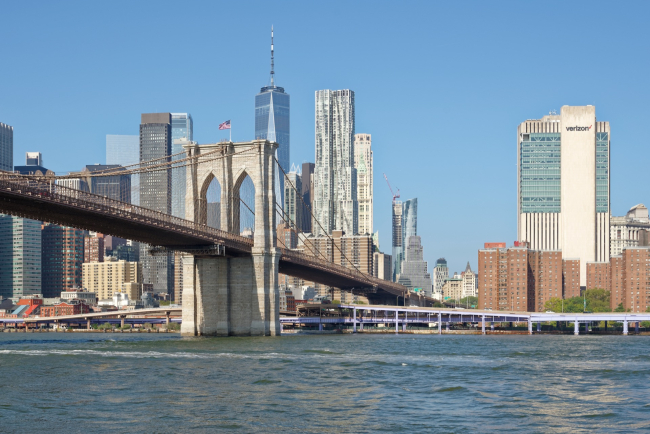
The accompanying view places the bridge beside Lower Manhattan from the Brooklyn side of the East River. It is a waterfront perspective, not a photograph made from the bridge's pedestrian promenade. Use it to understand the relationship between bridge, river and skyline rather than to infer one exact camera position.
Choose the crossing or the waterfront first
If you want the towers and suspension structure close around you, plan the pedestrian crossing. If the whole bridge and skyline matter more, start with the public waterfront on the Brooklyn side. A visit can include both, but they should not be treated as the same stop. The approaches add distance beyond the central span, and reaching the park from the bridge is another part of the route.
A practical short outing can begin with one chosen view and finish with a meal nearby. Keep the endpoint in mind: returning by subway, taking an available ferry and walking back over the bridge lead to different plans. Check current operator and park information rather than assuming the return will be obvious when you finish.
Make the bridge legible in the frame
From the waterfront, compare a broad composition that explains the river with a tighter view that gives the bridge more weight. Notice whether a pier, boat or foreground person adds scale or simply distracts. Keep the skyline horizon level and leave enough room around the bridge structure for its shape to read clearly.
On the promenade, the photographic problem is different: nearby cables and the flow of walkers can dominate. Find a safe place to pause, keep passage clear and avoid stepping backwards while looking through the camera. NYC DOT describes a pedestrian promenade and a separate protected bicycle path; old guidance showing them sharing one visitor route should not determine how you move today.
Leave room for the light and the return
Arrive before the period of light you hope to use, so you can compare positions without rushing. Overcast conditions can make a clear structural picture even when a sunset skyline is unavailable. Wind and an exposed riverside position also affect comfort and equipment handling.
Use the waterfront park plan for a longer visit. A small sequence with one broad bridge view and one genuine detail is more informative than many almost identical frames. Caption the actual location and perspective, and keep the date of a reference image separate from today's access conditions.
Travel Tip:
A bridge crossing and a waterfront photograph answer different aims. Choose the main one first, then add the other only if the distance and time suit your day.
Sources and Current Checks
Editorial sources checked on 3 November 2026. Check current operating, booking and travel conditions for your dates.
Frequently Asked Questions
Was this photograph made from the bridge walkway?
No. The accompanying view shows the bridge with Lower Manhattan from the Brooklyn side of the East River.
Do walkers and cyclists use one shared promenade?
NYC DOT describes a pedestrian promenade and a separate protected bicycle path. Follow current signs and routing.