USA · NEW YORK CITY GUIDE
New York City with Kids: A Practical Family Travel Guide
New York works well for families when the day has a clear centre and room to change pace. A child who loves experiments needs a different plan from a teenager choosing music, shops and a skyline view. Start with that interest, then choose one nearby outdoor break and a straightforward meal. The distance between activities often matters more than how many famous names appear in the plan.
This guide concentrates on family decisions: age, energy, tickets, wheels and returning comfortably to your accommodation. Use Itineraries for day-by-day geography and Museums for collection comparisons.
Choose the shape of the day before booking
With younger children, a substantial morning activity followed by lunch and a flexible afternoon can be more rewarding than a sequence of timed admissions. Build the day around the slowest walker and the person who needs the earliest break. Older children can help choose one priority, which gives a long museum visit or a journey into another borough a clear purpose.
Group activities by area. A Manhattan morning followed by a Bronx venue and a Brooklyn dinner can leave the family spending much of the day travelling. Two nearby activities with different rhythms usually make a better pair: focused indoor attention followed by open space, or an outdoor outing followed by a seated meal. Keep the last stop optional. The useful measure is whether everyone can enjoy the day, rather than whether every available hour is filled.
- Preschool ages: short journeys, predictable meals and a reliable rest option.
- Primary-school ages: one hands-on or strongly themed activity, with time to explore rather than rush.
- Teenagers: a meaningful choice of neighbourhood, performance, collection or food interest, with agreed meeting arrangements.
New York Hall of Science: a hands-on Queens day

The New York Hall of Science gives an exploration-led day a clear destination in Queens. Choose it when hands-on science is a real interest, rather than adding it as a brief stop between unrelated Manhattan attractions. Check the museum’s own visit page for the exact opening date and the difference between general admission and additional experiences. An available activity is more useful than a promise based on an old photograph or a previous season.
Plan the journey and meal break as part of the outing. Leave enough energy for children to engage with exhibits instead of arriving after a crowded morning elsewhere. The museum publishes sensory-sensitive visiting information; use that detail when a quieter environment would improve the day. A nearby outdoor break can be considered after the museum, with weather and energy deciding how long it lasts.
Bronx Zoo: give the visit its own time
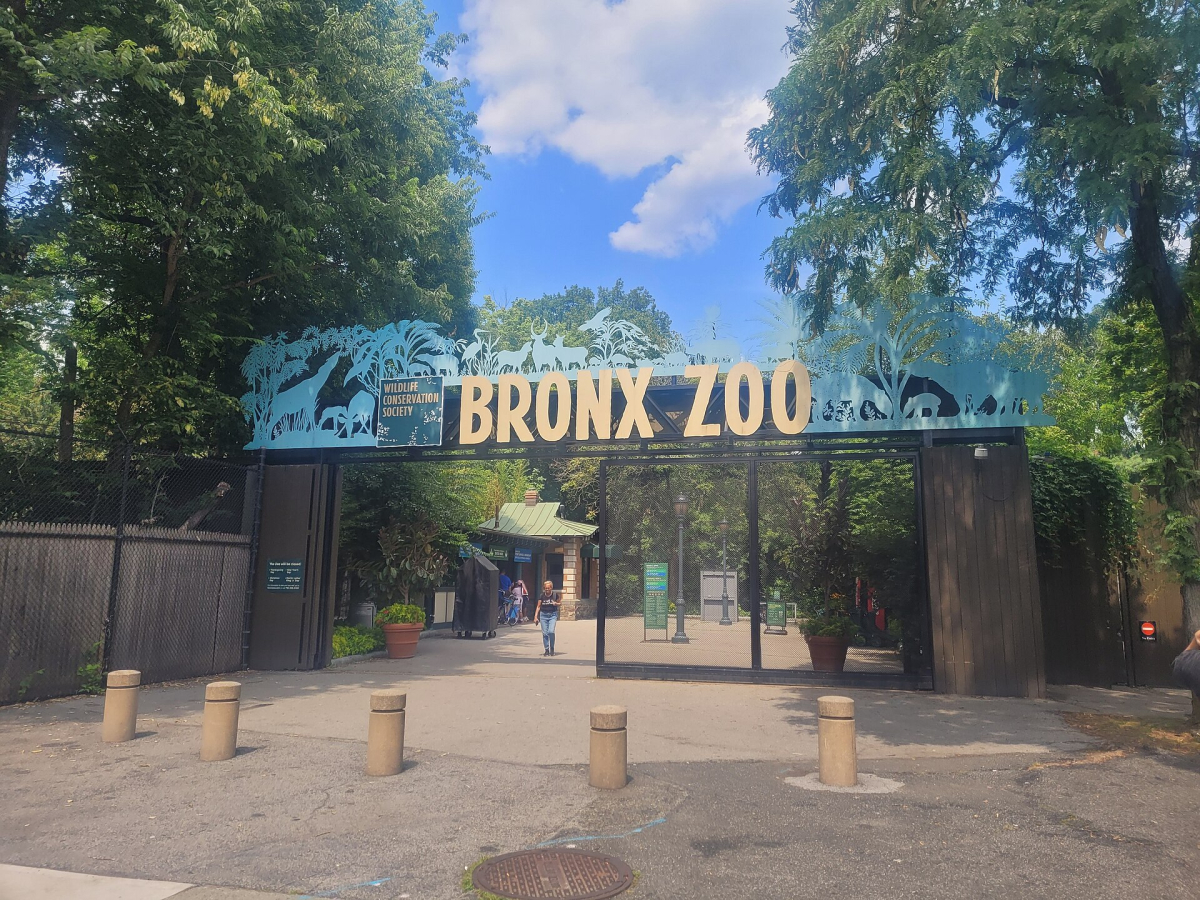
The Bronx Zoo is a substantial outdoor outing, so choose it as a main activity. Look at the zoo map before arriving and select a small number of priorities rather than expecting to cover every area. Match the visit to the weather and the family’s walking tolerance. A stroller or a mobility aid changes which entrances, paths and breaks will be most convenient.
Check the official admission conditions for your date. Special evening programmes can alter daytime entry: the zoo currently states that on Holiday Lights operating dates, daytime admission ends at noon. Seasonal closing times, holiday closures and individual exhibit conditions also matter. Buy for the visit you intend to make and keep the rest of that day flexible, rather than adding a distant timed reservation after an assumed finishing time.
Brooklyn Botanic Garden: a slower outdoor choice

Brooklyn Botanic Garden suits a family that wants to look closely rather than collect rides or landmarks. Give children a simple focus such as shapes, changing leaf colour or the difference between outdoor planting and conservatory environments. Choose a manageable part of the garden and leave time to pause. Seasonal photographs show what a place can look like; they do not promise blossoms on your dates.
Read the garden’s current access notes and rules before combining it with another Brooklyn stop. At the November 2026 check, the garden flagged temporary area restrictions during Lightscape installation. Check food arrangements, open entrances and any booked programme separately. A short, attentive visit can be a better choice than stretching it into an exhausting day. Nearby attractions should remain alternatives until the family’s energy is clear.
Make the transport work for your family
Check the exact station entrances and current elevator status when stairs would be difficult. A station with an elevator does not automatically provide a continuous step-free route to every platform. Allow time to find the correct entrance and platform direction, and save the accommodation address where each adult can access it. The Accessibility guide explains how to assess the route rather than rely on a general symbol.
For a stroller, choose routes with fewer transfers and enough time to board without rushing. Follow the transport operator’s current stroller instructions and keep aisles and doors clear. A taxi can simplify one difficult journey, but child-restraint arrangements need checking before the ride; do not assume a suitable seat will be waiting. Keep a lightweight rain layer, water and a small snack accessible without unpacking every bag on a busy pavement.
Rooms, meals and the real family budget
Compare the whole family’s accommodation cost and sleeping arrangements. A room photograph cannot establish the permitted occupancy, the number of actual beds or whether a cot is available. Confirm these details for the children’s ages before booking. A convenient return route and somewhere to sit during a rest period can matter more than a central-sounding neighbourhood name. Use Where to Stay to choose the base and Hotels to compare specific properties.
Calculate tickets for each person and each additional experience. Child rates and age limits differ, and a sightseeing pass only helps if it covers the visits the family will actually enjoy. Leave room in the budget for an unplanned indoor break or a simpler journey home. Ask about ingredients when dietary needs matter, carry required information clearly, and choose meals around the day’s geography rather than a distant reservation.
Travel Tip:
Choose one activity each child particularly wants, then protect the time around it with a nearby meal and an easy return journey.
Sources and Current Checks
Editorial sources checked on 3 November 2026. Check current operating, booking and travel conditions for your dates.
Frequently Asked Questions
How many attractions should we book each day with children?
Start with one main booked activity and an optional nearby companion. Add more only when the family’s energy, travel time and actual admission slots support it.
Is a sightseeing pass automatically cheaper for a family?
No. Compare the family’s real ticket total, age bands, included experiences and reservation rules against the price of the pass.
Can we assume subway stations are suitable for strollers?
No. Check the actual entrance, stairs, transfers and elevator status for the intended journey. A simpler route may be preferable to the shortest one on a map.