
NETHERLANDS · AMSTERDAM GUIDE
Amsterdam Food & Drink: What to Try & Where to Eat
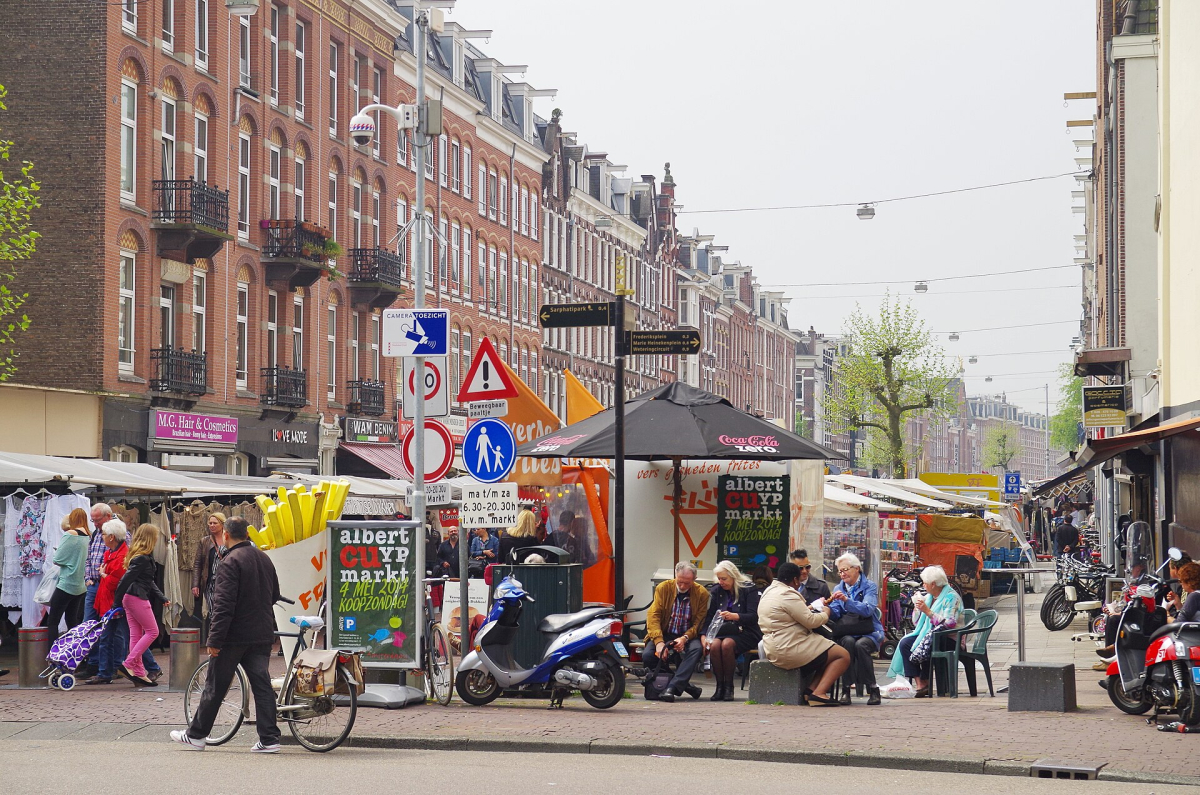
Amsterdam’s food scene combines everyday Dutch snacks with the cooking of a city shaped by migration and trade. A practical food plan might include a market lunch, a neighbourhood café and one reserved dinner. Choose places for the meal you want, not simply for a canal view or the longest queue.
| What you want | Where to start | Useful check |
|---|---|---|
| An informal snack | A market stall or specialist counter | Ingredients, payment and whether food is made to order. |
| A café break | Jordaan, De Pijp or a street near your route | A seat and a clear menu rather than blocking a narrow pavement. |
| Indonesian food | A restaurant whose menu fits your party | Rijsttafel size, spice levels and dietary substitutions. |
| A planned dinner | A chosen restaurant near the day’s last stop | Reservation, cancellation terms and a manageable return journey. |
Dutch snacks and simple meals
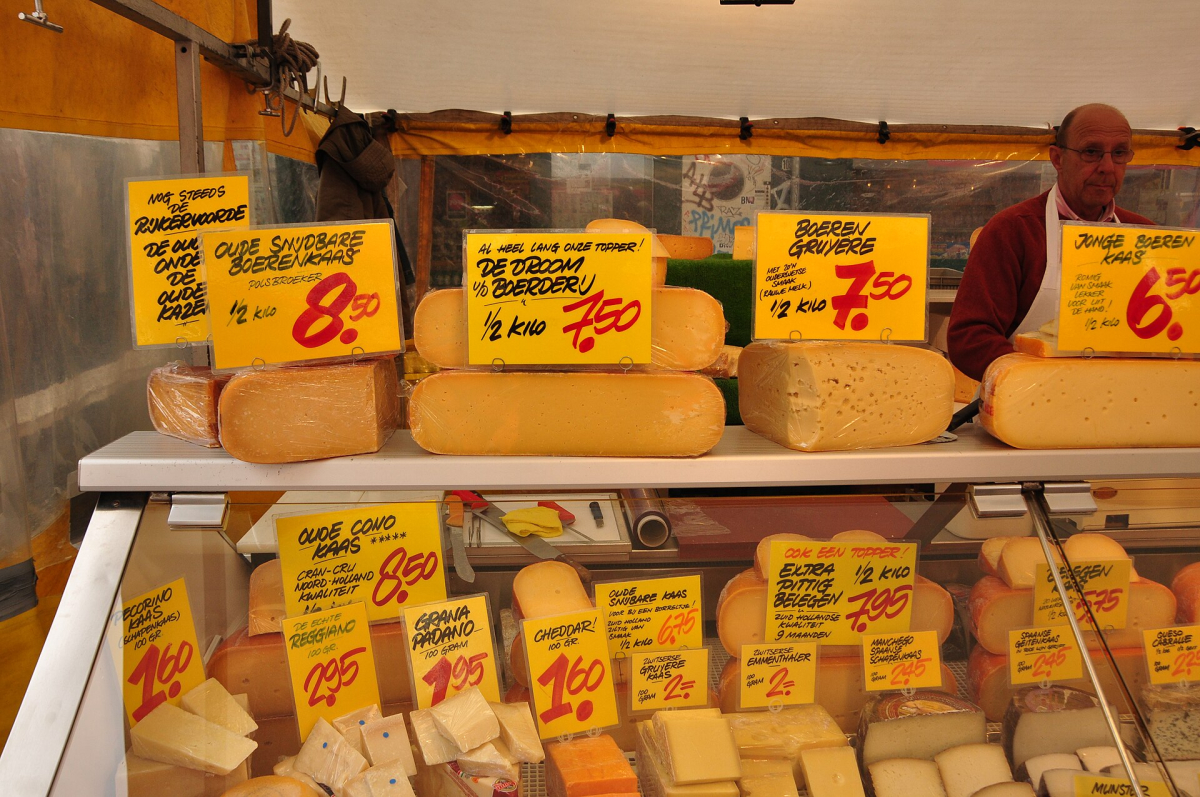
A warm stroopwafel is a compact sweet stop; cheese can be sampled before buying when a vendor offers it. Bitterballen are a common savoury café snack, and herring is sold in different serving styles. Ask what is in a dish, particularly if you avoid meat, fish, dairy, gluten or alcohol.
Use a market as a browsing and eating stop rather than planning a formal meal around an unverified stall. Albert Cuyp is useful during a trading day; Noordermarkt has its own weekly schedule. Opening details belong in Shopping so the same timetable is not copied across the guide.
Indonesian and other international kitchens
An Indonesian rijsttafel offers several small dishes, so ask how the menu is sized for your party and whether vegetarian or other substitutions are available. Do not assume a fixed set is suitable for every diet. Amsterdam also has many other international kitchens; choose a cuisine and neighbourhood that fit your day, then read the current menu.
For a limited stay, a researched dinner in De Pijp or another neighbourhood can be more rewarding than eating every evening on the busiest visitor route. Keep the final trip home simple, especially after a long museum day.
Two concrete places to start
Foodhallen, Amsterdam-West: the indoor food hall at Hannie Dankbaarpassage 16 works when your group wants different cuisines without a formal shared set menu. Its Amsterdam visitor page lists independent stands and describes walk-in seating rather than ordinary table reservations. Compare the individual menus and expect a social, busy setting; tell the actual trader about dietary requirements. It is a separate meal stop in De Hallen, rather than another name for Albert Cuyp market.
Restaurant Blauw, Amstelveenseweg 158–160: use the restaurant’s Amsterdam menu when you want a planned Indonesian dinner or rijsttafel. Choose the Amsterdam branch, read the current menu for your party and confirm your booking. This is a different proposition from grazing at several food-hall counters. These are specific starting points with different uses, not a claim of personal meals, a complete restaurant ranking or guaranteed availability.
Cafés, drinks and reservations
A brown café is a traditional café or bar setting, often useful for a relaxed drink and conversation. A venue described as a coffeeshop has a different meaning in Amsterdam; check the establishment and its rules rather than assuming it is an ordinary coffee stop. Respect age restrictions and local regulations.
Reserve ahead when a particular restaurant is central to the trip, especially on an event weekend. For a spontaneous meal, read the menu and prices before sitting down and check whether the kitchen is still serving. A busy terrace does not establish the quality, price or suitability of the food.
Dietary needs and families
Tell the restaurant about an allergy directly and ask how cross-contact is handled; a menu symbol alone may not answer the question. If the venue cannot explain the preparation you need, choose another option. For children, consider portion size, waiting time, space for a stroller and an earlier meal.
Carry water and a small suitable snack when a timed museum visit overlaps with a normal mealtime. Family Travel includes a slower daily rhythm, and Travel Costs & Money shows how to include food in the complete trip budget.


