
NETHERLANDS · AMSTERDAM GUIDE
Amsterdam History & Culture: Reading the Canal City
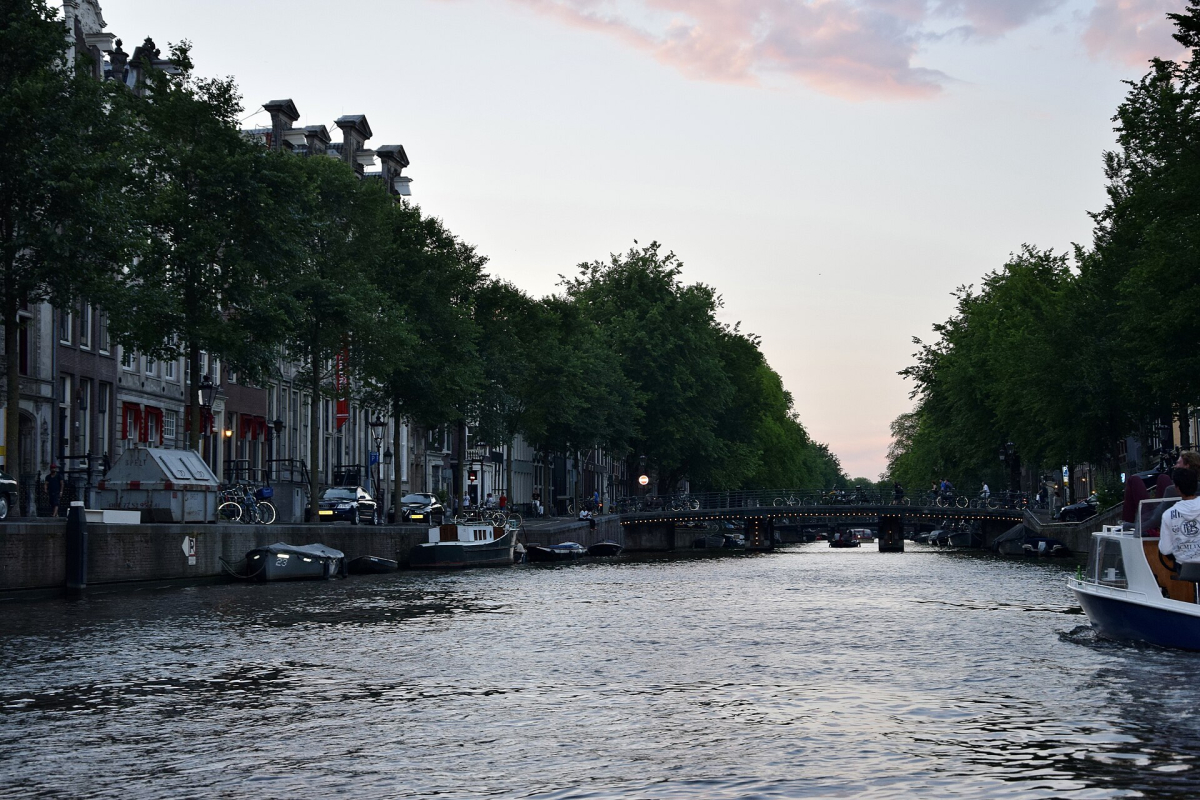
Amsterdam is the Netherlands’ capital and a city shaped by water, commerce and successive waves of urban growth. Its best-known image is the canal house, but a visit becomes more interesting when you look at how streets, plots, warehouses and public buildings relate to one another. This page explains that background; use Attractions for the practical choice of places to enter.
Read the city from the water
The Amstel and the IJ help explain the city’s orientation. The old centre sits south of the IJ; the canal ring wraps around it, while later neighbourhoods extend beyond. Canals once carried goods as well as structuring the city. Narrow frontages, deep plots and loading details reveal how domestic and commercial life overlapped.
The seventeenth-century canal ring within the Singelgracht is a UNESCO World Heritage property. Its significance lies in the planned urban landscape and surviving structure, rather than a claim that every attractive canal belongs to the same period. Look for the repeating rhythm of water, quay, trees, houses and cross streets.
Prosperity and its consequences
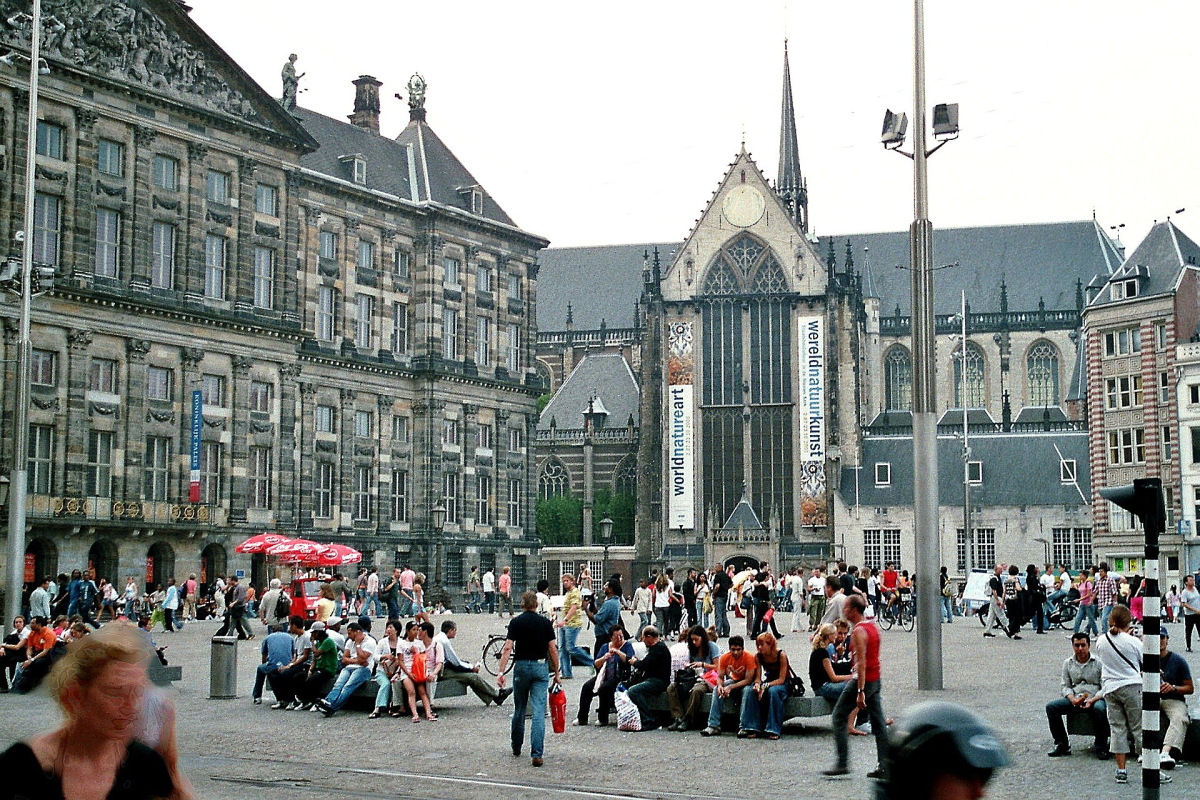
Amsterdam’s major expansion was connected to international trade. That history also includes colonial exploitation and slavery. Museum displays, collection labels and public interpretation provide ways to question who benefited from the wealth visible in the canal houses, and whose work and lives are less visible in the streetscape.
A useful cultural visit pairs architectural admiration with that wider context. Leave time to read interpretation instead of collecting only famous façades. The Rijksmuseum, city-history collections and the canal museums approach different parts of this story; choose the collection that matches the questions you want to explore.
How to read the canal streetscape
The concentric canal ring and the streets that connect its waterways are part of a planned expansion, rather than a city that grew entirely by chance. Stand at a bridge and compare the width of the water, the line of trees and the narrow house fronts. Then turn into a cross street: the change in scale helps explain the relationship between the formal canal frontage and the streets behind it.
Read a building in layers. Its gable, windows, entrance and upper loading point may come from different periods of use or alteration. A decorative façade does not prove that every room behind it survives unchanged. Compare several houses rather than treating one attractive exterior as a complete account of Amsterdam architecture. The UNESCO description of the canal ring explains why the wider urban ensemble matters.
Culture beyond the checklist
Art in Amsterdam ranges from historical painting to modern design, film, performance and temporary exhibitions. Two museums on Museumplein can offer very different visits. A specialist collection often works better than a second large museum when your time or attention is limited.
The city’s everyday culture also appears in markets, cafés, public transport and waterside public space. Notice how people move and make room for them: a bridge with an appealing view may also be a busy route to work. The Shopping and Food & Drink guides help you plan small, locally grounded stops.
Visit with context
Read a venue’s visitor information before going, especially for memorial sites, religious buildings and residential courtyards. Some spaces allow quiet access at set times; others require a ticket or may be unavailable for events. A public view from the street does not grant access to private steps, gardens or houseboats.
For a first visit, combine one museum with a walk through the surrounding area. Our Itineraries translate the city’s geography into realistic day plans; Photos & Photo Spots approaches the same streets through composition and light.

_15.jpg)
