
NETHERLANDS · AMSTERDAM GUIDE
Amsterdam Photos & Photo Spots: Canals, Bridges & Light
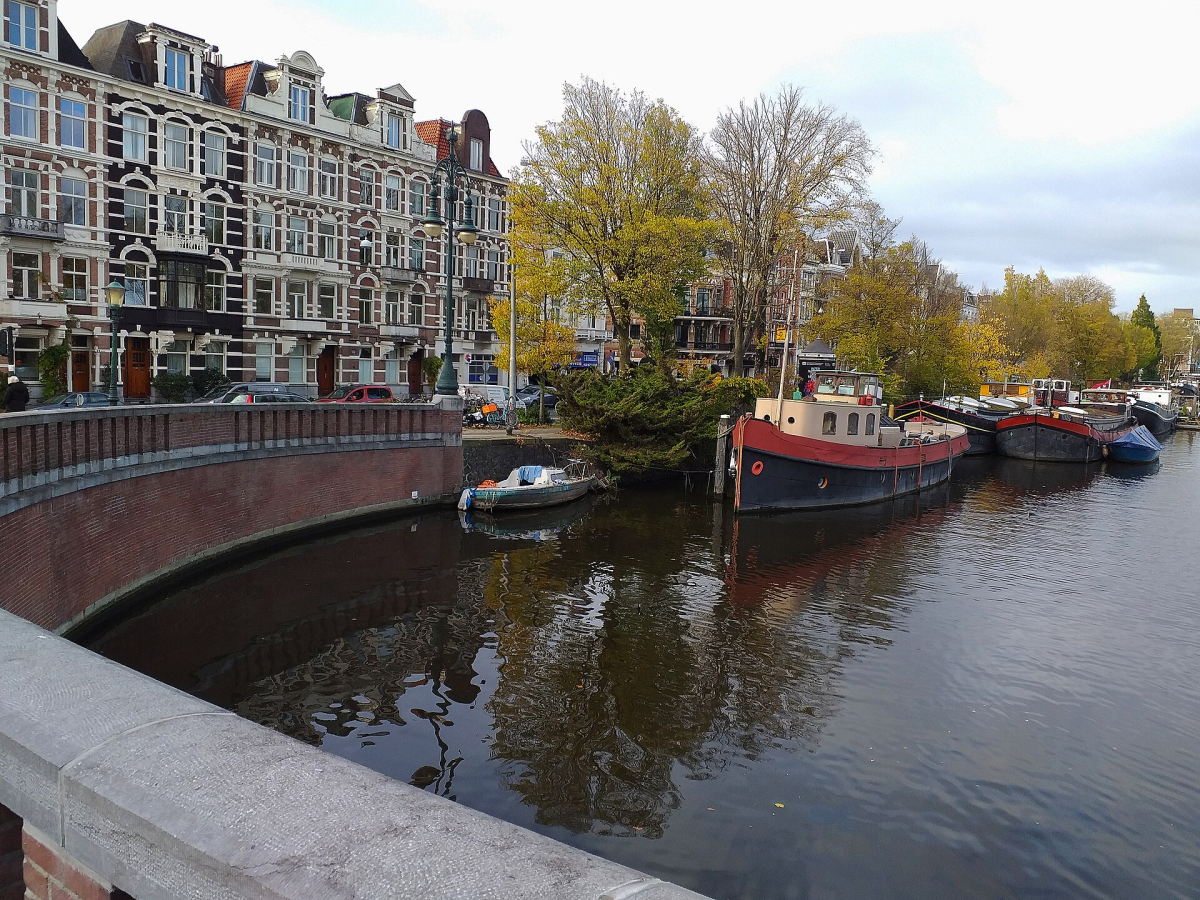
Amsterdam offers two very different photography settings: enclosed canals with close layers of bridges and houses, and broad water around the Amstel and IJ. Choose a small route with time to wait, rather than treating every attractive bridge as a separate destination.
| Setting | What to look for | Practical consideration |
|---|---|---|
| Canal ring | Gables, bridge lines, reflections and a repeating rhythm of façades | Keep pavements and entrances clear; boats and wind change reflections. |
| Amstel | Wider water, bridge silhouettes and layers of buildings | Check the light and keep a safe distance from the edge. |
| Damrak / old centre | Compressed house fronts and a dense urban backdrop | Crowds and active transport routes need patience. |
| IJ / Noord | Large water, ferries and contemporary architecture | Wind, moving boats and the correct return crossing. |
A manageable canal-and-river route
Begin with one old-centre view, continue toward the smaller canals around the Zuiderkerk area, then choose a section of the Amstel. Keep the exact route short enough to revisit a composition if the light changes. Use Map & Neighbourhoods to avoid spending the best light on a long transfer.
Work from public space. Do not step onto private doorsteps, climb onto a houseboat or block a bridge to recreate a photograph. A lens can compress a scene from farther back; it does not require standing in a cycle lane.
Across the IJ: change the scale
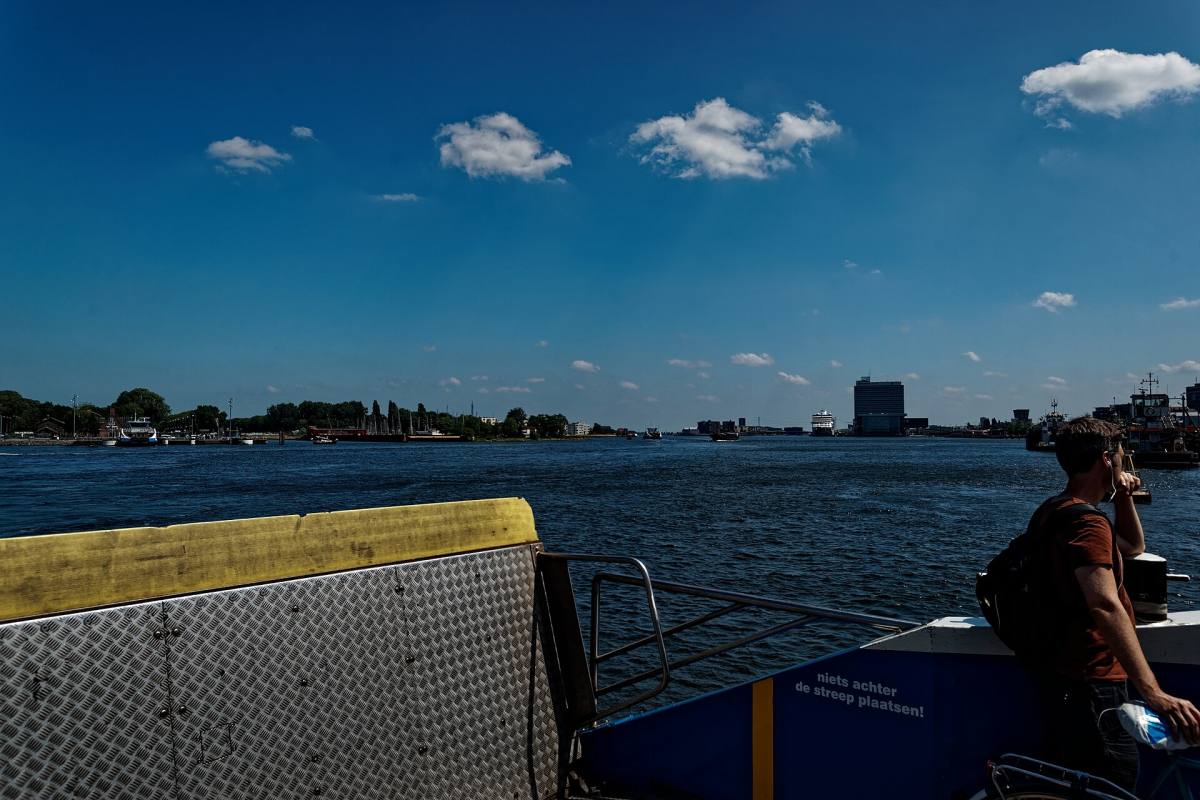
The IJ waterfront provides open sky, ferry movement and modern silhouettes. Choose the landing for the view and venue you want, then check the specific ferry’s return hours. Keep room for commuters when boarding and avoid placing a tripod in the flow of passengers.
Wind and changing boat positions can make a long exposure less predictable. Use a safe position on land, keep equipment under control and follow any posted restrictions. A cultural venue’s interior has its own photography policy; check it separately from the public waterfront.
Light, equipment and respectful photographs
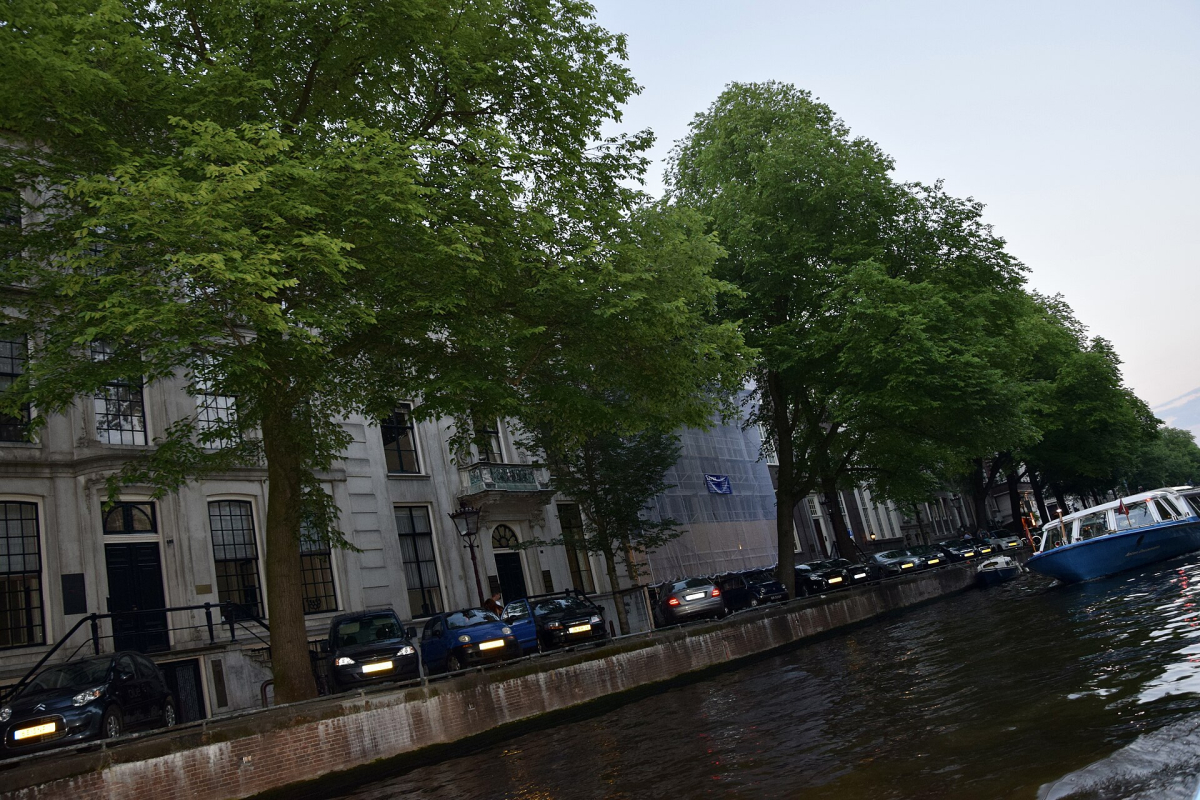
Early or late light can give façades and bridges more shape, while an overcast day can work for close architectural detail. Reflections depend on wind and water movement; do not promise mirror-like canals at a fixed hour. After rain, check footing before looking through the camera.
Ask before taking close portraits or photographing market traders at work. Follow museum, memorial and worship-space rules, including any ban on flash or tripods. Keep a small bag secure in crowds and avoid leaving equipment unattended beside a canal.



