
NETHERLANDS · AMSTERDAM GUIDE
Accessible Amsterdam: Transport, Routes & Visitor Checks
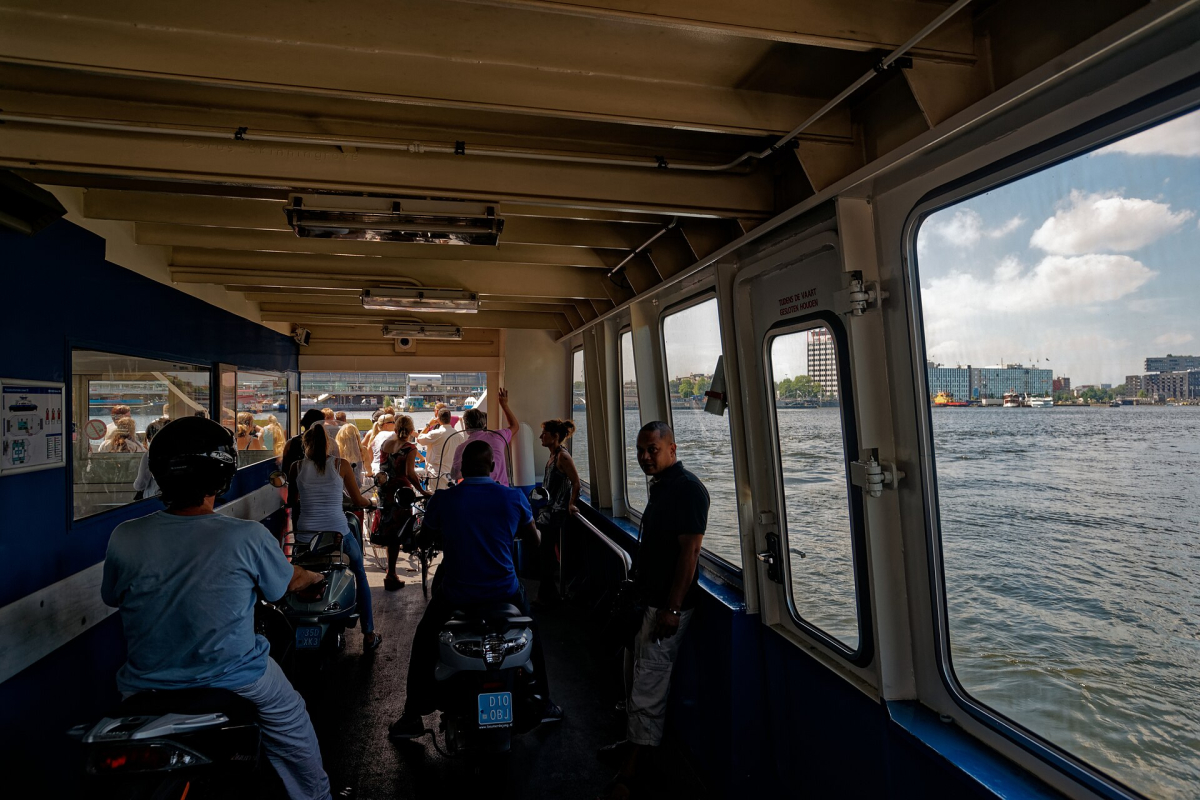
Amsterdam’s flat regional landscape does not mean every visitor route is easy. Historic bridges can be steep, paving can be uneven and a short route may contain steps or a narrow entrance. Plan access as a continuous journey from your accommodation to the actual entrance, including a toilet and a workable return.
| Part of the visit | What to verify | Where to confirm |
|---|---|---|
| Airport / train | Assistance, boarding route and mobility-equipment needs | Airline, Schiphol and rail operator before travel. |
| Metro / tram / bus | Stop access, vehicle and lift status | GVB’s accessibility information and live notices. |
| Walking route | Gradient, surface, kerbs and construction | Current local information plus the venue’s recommended approach. |
| Museum / activity | Entrance, lifts, toilets, companion policy and evacuation needs | The venue or operator directly. |
| Hotel | Pavement-to-room route, door widths, bathroom and bed access | Written confirmation for the exact room category. |
Public transport: check the whole connection
Use GVB’s accessibility information to plan a journey, then check current lift and escalator status. An accessible station label does not guarantee that a lift is working when you arrive or that every vehicle and platform gap suits your equipment.
For a tram or bus, confirm the stop as well as the vehicle. Allow extra time for boarding and for an alternative connection if needed. For airport rail assistance, contact the relevant operator in advance and follow its current booking procedure. Airports & Transfers helps you compare the complete arrival.
Bridges, paving and quieter routes
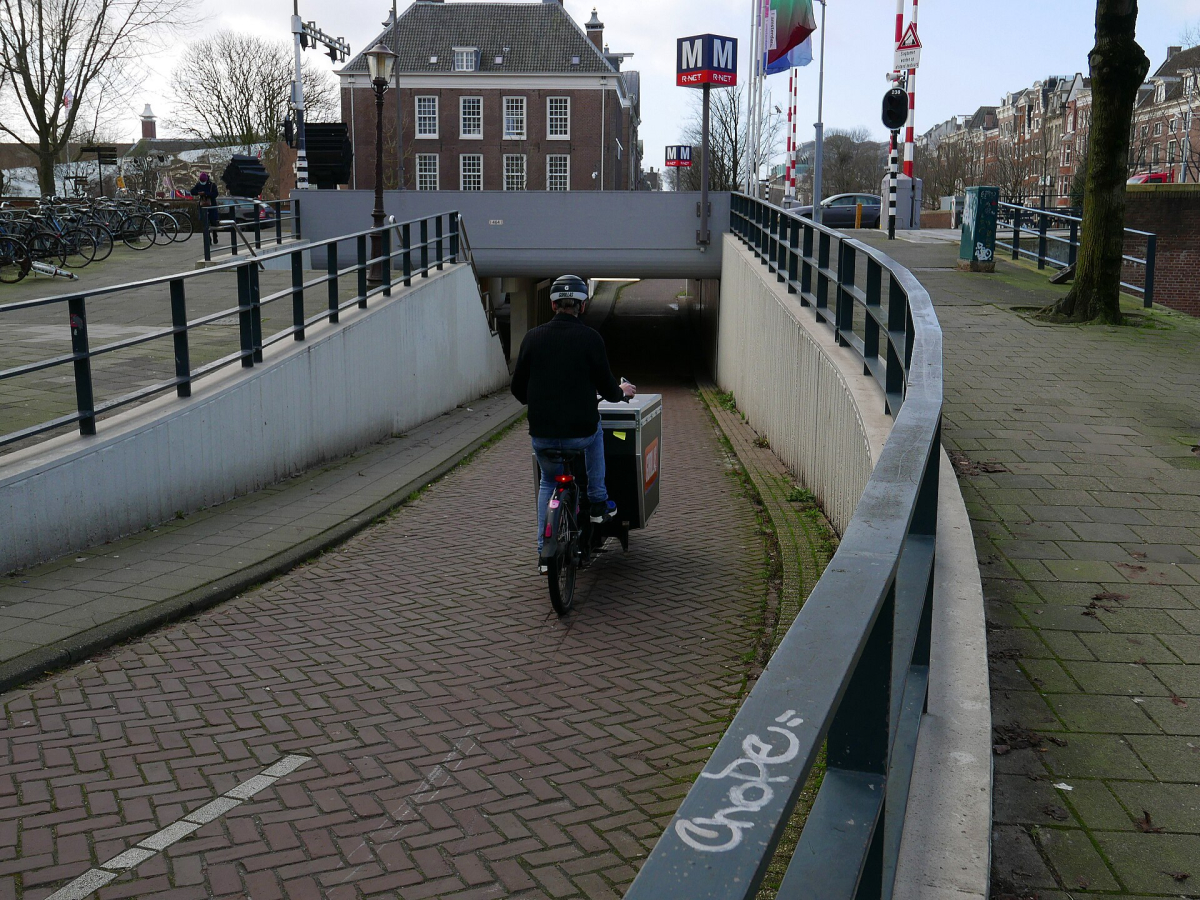
A bridge can add a gradient even on a short canal walk. Narrow pavements, parked bicycles and temporary works can change the usable width. Do not rely only on a route’s distance; ask a venue for the most suitable approach and consider a direct transfer when it solves a difficult link.
Keep a flexible route with rest stops. Avoid planning several timed appointments with no margin for a slower crossing or an unavailable lift. The city tourism organisation’s public-transport accessibility overview explains common barriers and transport features.
Museums and activities
NEMO gives a useful example of why these checks need to be specific. Its official access page describes lifts serving the exhibition floors and accessible toilets except on level three. It also warns that the approach is unsuitable for an unassisted visually impaired visitor, and that the central rooftop square is a large staircase with obstacles. Ask the museum for the approach and facilities that match your needs; indoor lift access does not establish an easy roof or street route.
Read each venue’s access page before buying. Confirm the entrance, accessible toilets, lift coverage and any restricted historic spaces. A museum may offer an accessible modern section while an older part has limitations; do not turn a partial description into a general guarantee.
For a cruise, ask about the specific boat, boarding steps, ramp, wheelchair space and toilet. “Canal cruise” describes the activity, not its access. For NEMO use its accessibility information; for other attractions follow the venue links from Attractions.
Hotel rooms and toilets
Give the hotel the practical requirements that matter: entrance steps, lift dimensions, door widths, shower arrangement, transfer space and bed height where relevant. Ask for written confirmation of the assigned room type and its route from the street. A generic “facilities for disabled guests” filter is only a starting point.
Plan a suitable toilet at a venue you will actually visit, and confirm opening times, access arrangements and any fee. Public-toilet maps and apps can help locate options, but the listing still needs to match your needs. Ask your hotel or the venue for current local advice rather than assuming every public toilet is accessible.
Sensory needs and assistance
Check whether a venue provides quieter times, sensory information, hearing support or an alternative format. Requirements for assistance animals and equipment should be confirmed directly with the transport operator and venue. Plan a quiet break and a simple route back if a busy environment becomes tiring.


