
NETHERLANDS · AMSTERDAM GUIDE
Getting Around Amsterdam: Transport, Walking & Cycling
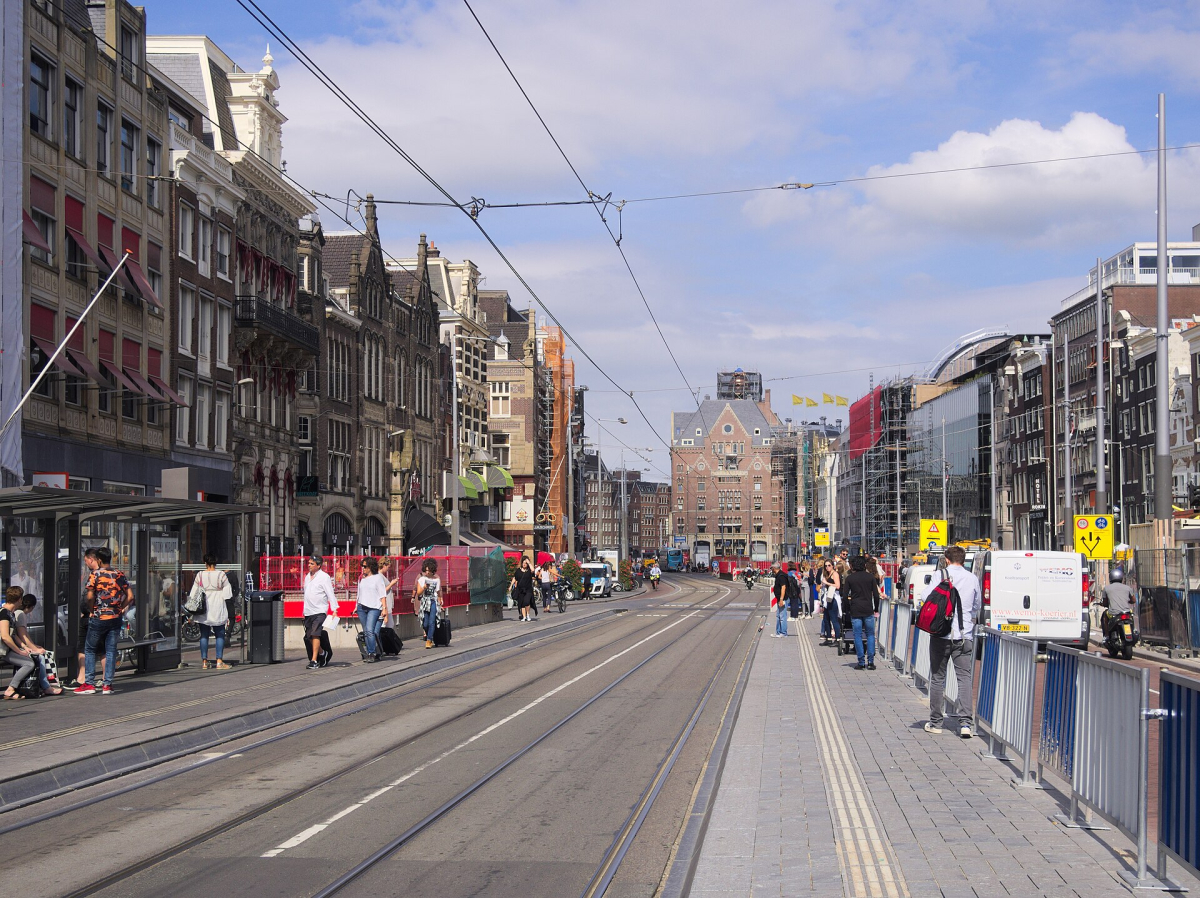
Walk within one neighbourhood and use public transport for the longer connections. That approach keeps a short Amsterdam visit manageable without a car. GVB runs the city’s trams, metro, buses and selected ferries; trains and regional services have their own operators and ticket conditions. Airport journeys are covered separately in Airports & Transfers.
| Mode | Useful for | Main decision |
|---|---|---|
| Walking | Canal ring, Jordaan and small local clusters | Bridges, uneven surfaces and the distance between clusters. |
| Tram | Street-level connections across central districts | Correct direction, accessible stop and any diversion. |
| Metro | Longer links, including Noord and south Amsterdam | Station exits and lift status; match the stop to the address. |
| Bus | Routes beyond the tram network and night connections | Operator, route and current timetable. |
| IJ ferry | Selected links across the IJ waterfront | Choose the correct landing; GVB routes F1–F7 are free. |
| Bicycle | Confident riders planning an appropriate route | Traffic skills, weather, parking and hire conditions. |
Paying with OVpay
GVB supports checking in and out with a suitable contactless debit card, credit card, phone or smartwatch. Use exactly the same payment method at both ends: the physical card and its phone-wallet version count as different methods. Remove the card you intend to use from your wallet to avoid presenting another one by mistake.
Each traveller needs a valid way to travel. Check the operator’s conditions for children or a group instead of assuming one bank card covers everyone. If your payment card is unsupported, use an appropriate ticket option from the operator. GVB’s payment page explains current choices and activation.
Single trips, day products and city cards
For a concrete reference, GVB’s published 2026 fares list a one-hour ticket at €3.40, a 24-hour day ticket at €10, 48 hours at €16 and 72 hours at €21.50. These are GVB products, not airport-rail tickets. Three separate one-hour tickets total €10.20; a €10 day product may therefore be worth comparing if those journeys cannot fit within fewer one-hour validity windows. OVpay uses its own fare calculation, so do not equate every contactless ride with a €3.40 ticket. Recheck fares and coverage before purchase.
Pay-as-you-go can suit a day with just a few rides. A time-based travel product may be useful for several journeys, but compare the operators and routes it covers. An attraction card and a transport ticket are separate decisions even when one product bundles them.
A GVB city product does not automatically cover an NS train from Schiphol or every regional bus. Our City Passes & Tickets guide explains how to compare the exact variant with your itinerary. Keep the purchase confirmation and read activation rules before the first ride.
Walking and cycling in real traffic
Cycle lanes carry moving traffic, sometimes in both directions. Look before crossing them, keep map checks on the pavement and avoid stopping in a bicycle lane for a photograph. At tram tracks, watch your footing; cyclists need a safe crossing angle rather than following a wheel along the groove.
Hire a bicycle if you already feel comfortable controlling it in traffic. Choose a quieter route and leave the busiest canal streets for walking if you are uncertain. Follow signs and signals, use the required lights and lock the bicycle in a permitted place. Local habits are not a substitute for the rules.
Late evenings and step-free routes
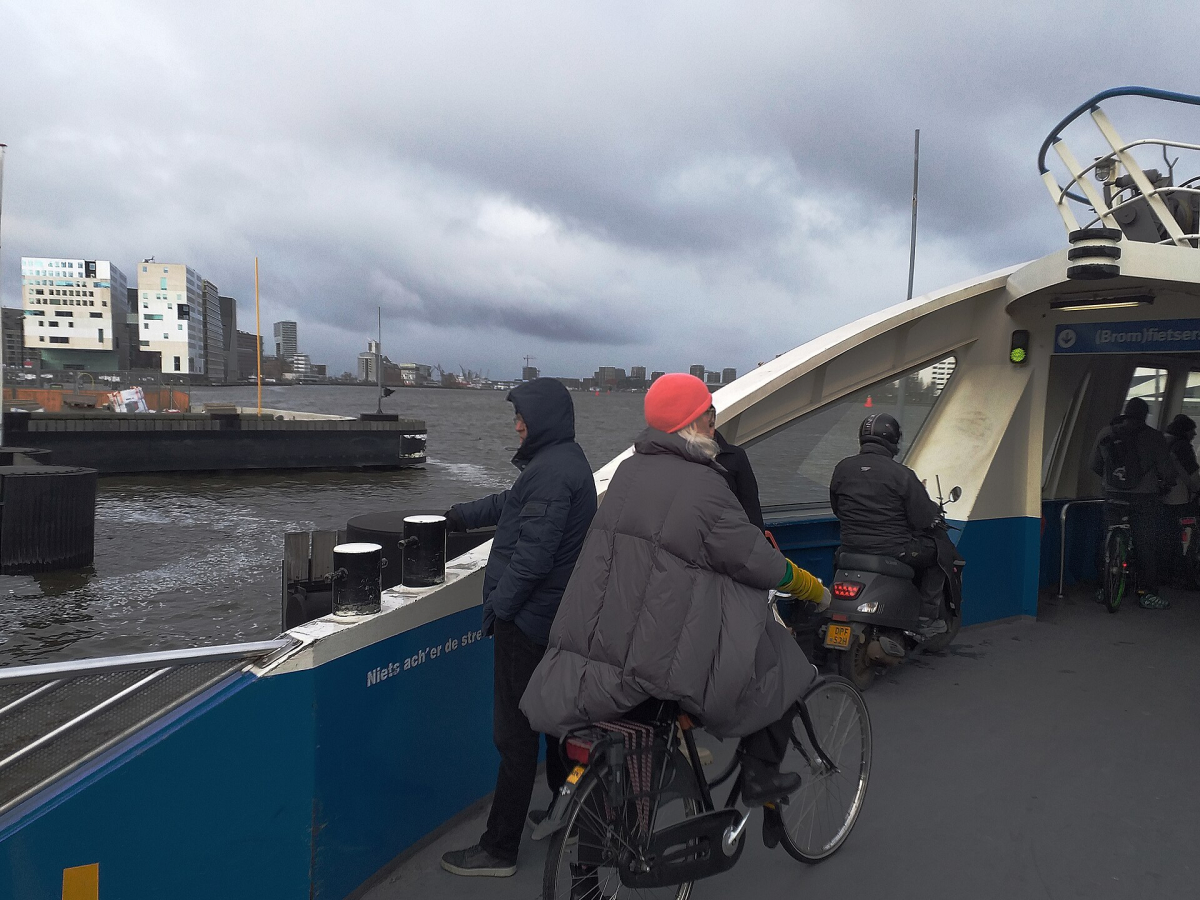
For orientation, metro 52 and the operator’s network maps connect useful planning points including Centraal Station, Rokin, Vijzelgracht, De Pijp, Europaplein and Zuid. The closest station on the map is only a starting point: use the correct exit and check the last surface-level walk. Keep a tram or direct transfer alternative if a required lift is unavailable.
Check the last convenient connection before an evening out, not when you leave the venue. A daytime route may not operate in the same form at night. Save the address of your accommodation and a fallback taxi or night-bus plan. For ferries, verify the specific route’s operating hours.
For a step-free journey, check station lifts, stop access and the vehicle. GVB’s current information and app can report lift or escalator outages; an accessible station designation does not remove the need for an on-the-day check. See Accessibility before planning a tightly timed transfer.
Plan with official information
Details checked on 15 October 2026. Recheck opening arrangements, transport and ticket conditions before travelling.


