
NETHERLANDS · AMSTERDAM GUIDE
Shopping in Amsterdam: Markets, Design & Local Finds
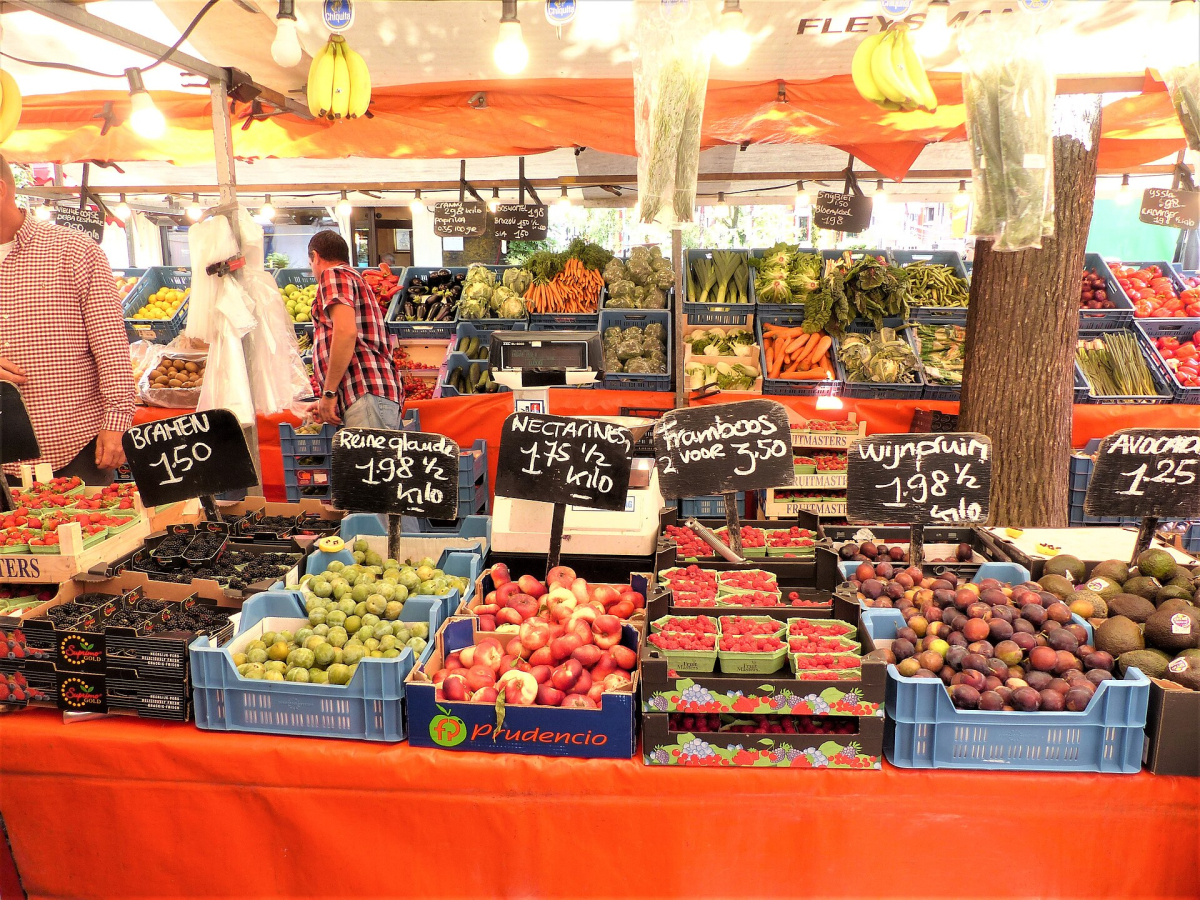
Amsterdam shopping works best when it fits the neighbourhood you are already exploring. Choose a type of purchase first: a small design object, a second-hand book, vintage clothing or an everyday item from a local market. A useful shopping day is more specific than a list of international brands.
| Area / market | Why go | Plan around |
|---|---|---|
| Nine Streets / western canal ring | Independent boutiques, design and browsing between canal walks | Individual shop hours and narrow residential streets. |
| Jordaan / Noordermarkt | Vintage, books, curios and market atmosphere | Noordermarkt operates on Monday and Saturday, with different emphasis. |
| De Pijp / Albert Cuyp | A mix of market goods and neighbourhood shopping | A Monday–Saturday market day; individual traders can vary. |
| Central shopping streets | Convenience and larger retail choices | Crowds and the actual store you need rather than a long detour. |
Choose a souvenir with a clear origin
Look for a maker, material and place of production that the seller can explain. Dutch design can include stationery, ceramics, textiles and practical household objects, but a souvenir sold in Amsterdam is not automatically made locally. Ask about care, fragility and packaging before buying.
For anything bulky or breakable, compare the cost and terms of shipping with carrying it yourself. Keep a receipt with a description of the item. Check your home country’s import rules before buying food, plants or bulbs; a shop display is not proof that an item can travel across your border.
Markets: use the right day
Noordermarkt is listed on Monday mornings and Saturdays. The Saturday market includes a food-oriented element alongside other goods; Monday browsing has its own character. Check the current Noordermarkt listing for hours and holiday changes before building a route around it.
Albert Cuyp operates Monday to Saturday in De Pijp. The market and the surrounding shops are separate businesses, so do not assume identical closing times. For the most reliable visit, go during the middle of a trading day rather than arriving as stalls pack up. The market’s own visitor page is the starting point for current arrangements.
Independent shops and second-hand purchases
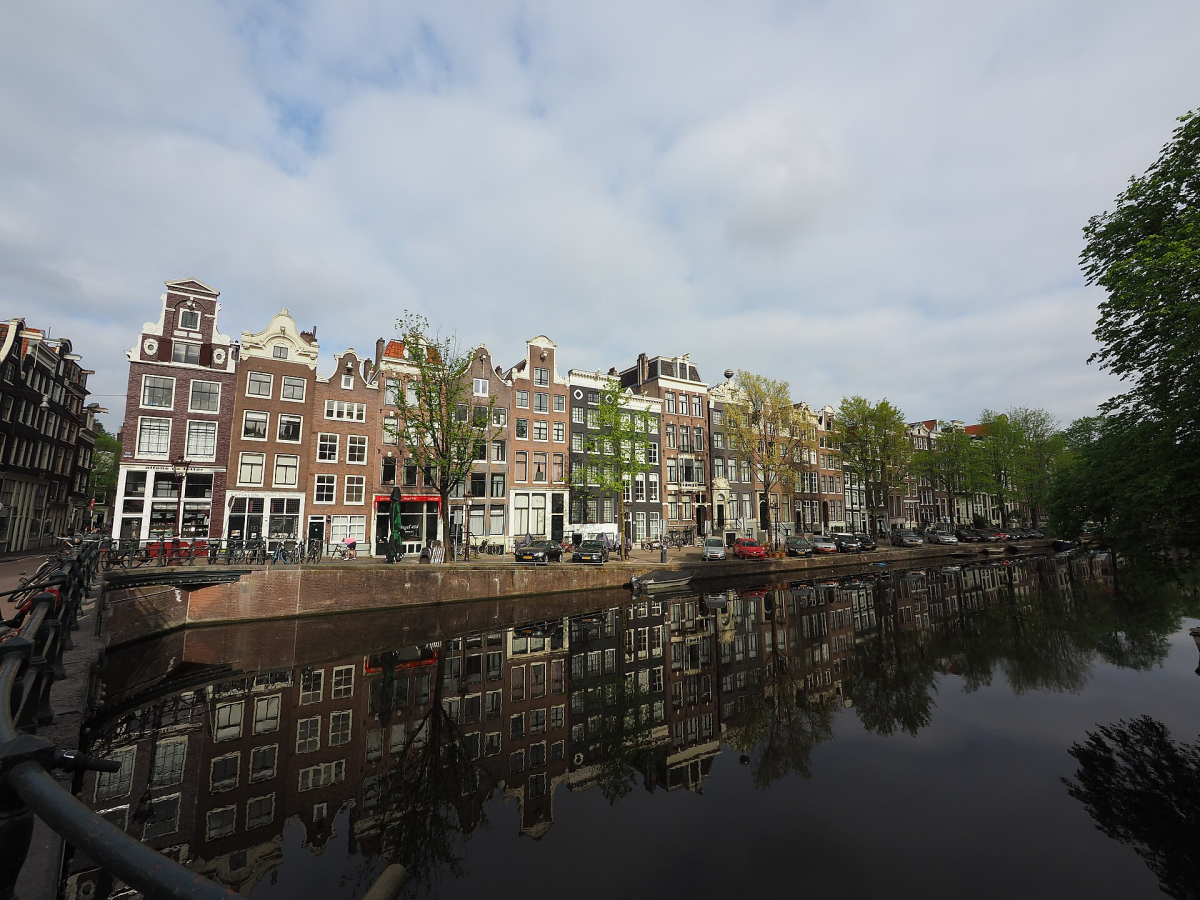
Give yourself time to examine quality, sizing and condition. For vintage clothing or an older object, ask about repairs or defects before paying. Returns, guarantees and shipping terms can differ from those of a large chain; get the relevant conditions in writing when the purchase is significant.
In small boutiques, ask before taking close photographs of merchandise. Keep bags clear of displays and step outside onto the pavement, away from bicycle traffic, if you need to reorganise purchases. Our Map & Neighbourhoods guide helps combine shopping with a sensible walk.
Payments and tax questions
Check the shop’s accepted payment methods before a large purchase. For any tax-refund scheme, use current official customs guidance for your residence and journey, and ask the retailer for the required documentation. Eligibility, minimum values and export procedures should not be inferred from a “tax free” sign. Travel Costs & Money covers payment and currency decisions.

.jpg)
