
RUSSIA · COUNTRY GUIDE
Safety in Russia: Health & Travel Advice


Russia's current travel risks require a decision before the usual questions about neighbourhoods or petty crime. As checked on 22 October 2026, the UK Foreign, Commonwealth & Development Office advises against all travel to Russia. The US Department of State lists Russia at Level 4, Do Not Travel. Read those advisories and your own government's guidance in full; their nationality-specific warnings and limits on assistance matter.
This page provides a framework for understanding the warnings and preparing for a necessary journey. It does not label a particular city, hotel or itinerary safe. Risks can change quickly, and a calm-looking street or functioning visitor attraction does not resolve detention, insurance, legal or exit concerns.
Current advice and the decision to travel
Begin with the FCDO Russia advice and the US Russia advisory. They describe serious risks and limited government assistance. Check the current version before making payments, again before departure and during any stay. An old booking or previous uneventful visit is not a current risk assessment.
If travel is not essential, the warnings are a reason to reconsider or postpone. If you need to travel, identify the specific purpose and reduce unnecessary movements. Confirm entry, accommodation, funding, communication and the exit route independently. A hotel, airline or local host cannot guarantee the absence of government restrictions or security disruption.
Travel insurance may be invalid or limited when travelling against government advice. Ask the insurer about Russia, the purpose of travel, medical treatment, evacuation and disruption. Obtain clear confirmation of relevant coverage and exclusions. An insurance certificate without destination-specific terms does not establish that an emergency would be covered.
Detention, local law and personal circumstances
Foreign nationals face risks that cannot be addressed through ordinary precautions against theft. The official advisories discuss arrest or detention, questioning and limited consular access. Read the parts that apply to nationality, professional activity, public statements and personal history. Do not assume that conduct lawful at home is lawful in Russia.
People who hold Russian citizenship, or may be considered Russian citizens, need specific advice on their status. Russian authorities may treat them solely as Russian citizens, limiting foreign consular assistance. Military-service and exit restrictions can be relevant. Carrying another passport does not automatically remove those issues or ensure that departure will be permitted.
Avoid political demonstrations and activities that may be regarded as political. Current FCDO guidance warns about laws affecting public statements and online content. Do not photograph political activity or assume that sharing material privately is outside local law. This guide does not provide legal advice or a method of avoiding lawful checks.
Security incidents and disruption
The FCDO safety page describes terrorism, security incidents and unpredictable changes affecting transport. Drone attacks and air-defence activity can lead to airport restrictions, delays, diversions or cancellations. These concerns are not limited to places immediately beside a border.
Monitor official notices and your provider's communications. Keep a realistic plan for delayed arrival or departure, including extra accommodation and a working payment method. Separate tickets may leave you responsible for a missed onward connection. A buffer night reduces schedule pressure but cannot guarantee operation of an airport or route.
Do not approach an incident, damaged infrastructure, security operation or unexploded object for photographs. Move away from danger and follow official instructions. A social-media report may be incomplete or misleading; verify practical changes through the responsible authority or provider. Keep trusted contacts informed without broadcasting sensitive details of your movements publicly.
Health preparation before departure
Consult the official Russia health guidance and a qualified travel-health professional for your own circumstances. Check routine vaccinations and destination-specific advice in good time. A short city visit, remote outdoor trip and extended stay can have different medical needs; a general packing list is not an individual health assessment.
If you take medication, check whether it can be brought into Russia, what documentation is required and how much is permitted. Carry it in appropriate labelled packaging with the relevant prescription or medical documentation. Do not assume that a medicine available at home is lawful or easily replaceable locally, particularly where ingredients are controlled.
Plan for storage, refrigeration or charging requirements before choosing accommodation. If a mobility device or medical appliance is essential, verify power compatibility, transport handling and support. Keep enough practical information for an emergency, including allergies, medication names and an insurer's assistance number, accessible offline without exposing unnecessary personal information.
Medical care and an emergency plan
Identify how you would obtain help in the actual place you are staying. Services and language support vary, and a remote location can be far from suitable treatment. Do not assume that a hotel receptionist, tour guide or consulate can arrange immediate evacuation. Ask the insurer which assistance channel to use and what authorisation is required when circumstances allow.
For an immediate emergency, call 112. Give the city, street, building, entrance and the nature of the problem as clearly as possible. Save the accommodation address in Russian and know a nearby recognisable landmark. If travelling with others, agree who calls for help and who stays with the person needing assistance.
On small screens, scroll the table horizontally to read both columns.
| Situation | Practical preparation |
|---|---|
| Urgent illness or injury | Have the exact location, essential medical information and emergency contact ready; use emergency services for immediate danger. |
| Lost passport or immigration document | Contact your own consular service and the relevant authorities through official channels; keep copies separately. |
| Cancelled departure | Contact the transport provider, accommodation and insurer; check the effect on lawful stay rather than simply buying extra nights. |
| Payment failure | Use only a previously confirmed lawful backup; an unavailable foreign card cannot be treated as emergency cash. |
| Communication failure | Use offline addresses and numbers and an agreed check-in plan with a trusted contact. |
Everyday city precautions
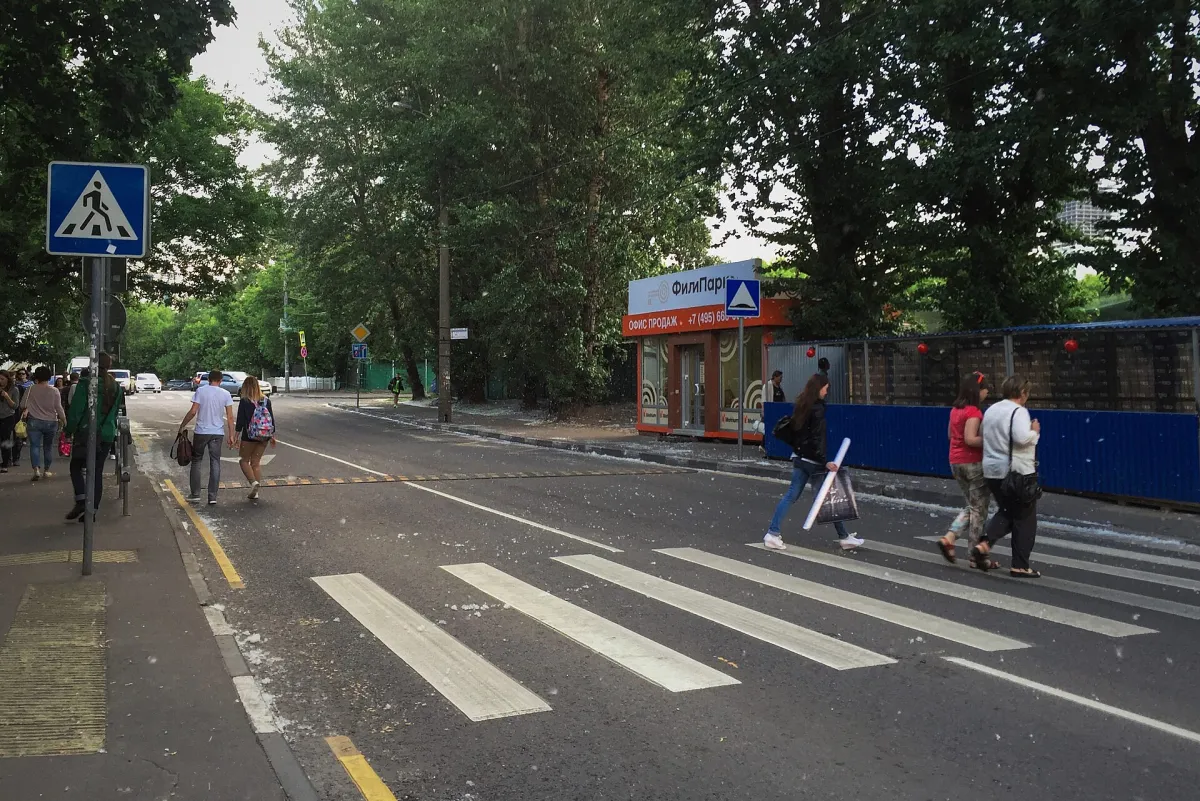

Protect documents, money and devices in crowded places and on transport. Keep essential items accessible but secure, and avoid displaying large amounts of cash. Verify an accommodation or provider's contact through an official channel before acting on a payment request. A message that knows your reservation details is not automatically genuine.
For a vehicle transfer, confirm the pickup point and provider in advance. Avoid unsolicited offers in arrival areas. Know the destination address and how the fare is calculated or confirmed. If an app or mobile service is unavailable, use the arrangements you verified beforehand rather than improvising with an unknown intermediary.
At night, plan a straightforward return and avoid becoming dependent on an unconfirmed last service. Alcohol can impair judgement and complicate communication. A quiet evening near the accommodation may be more manageable than crossing a large city after a performance. Read Nightlife for venue and return-route questions.
Outdoor, water and winter risks

Cold water and exposed shores require judgement even during a warm spell. Do not enter water because a photograph shows other swimmers. Check designated bathing areas, local restrictions and current conditions. A beach can have uneven access, sudden depth changes or limited assistance; scenic appearance is not a safety rating.
Do not walk or drive onto lake ice without current authorised arrangements and competent assessment. A weather forecast, visible vehicle track or photograph from a previous winter does not establish safe ice. Remote walking also requires current permits, fire restrictions, weather, communication and a return plan. No park label or guidebook route removes those responsibilities.
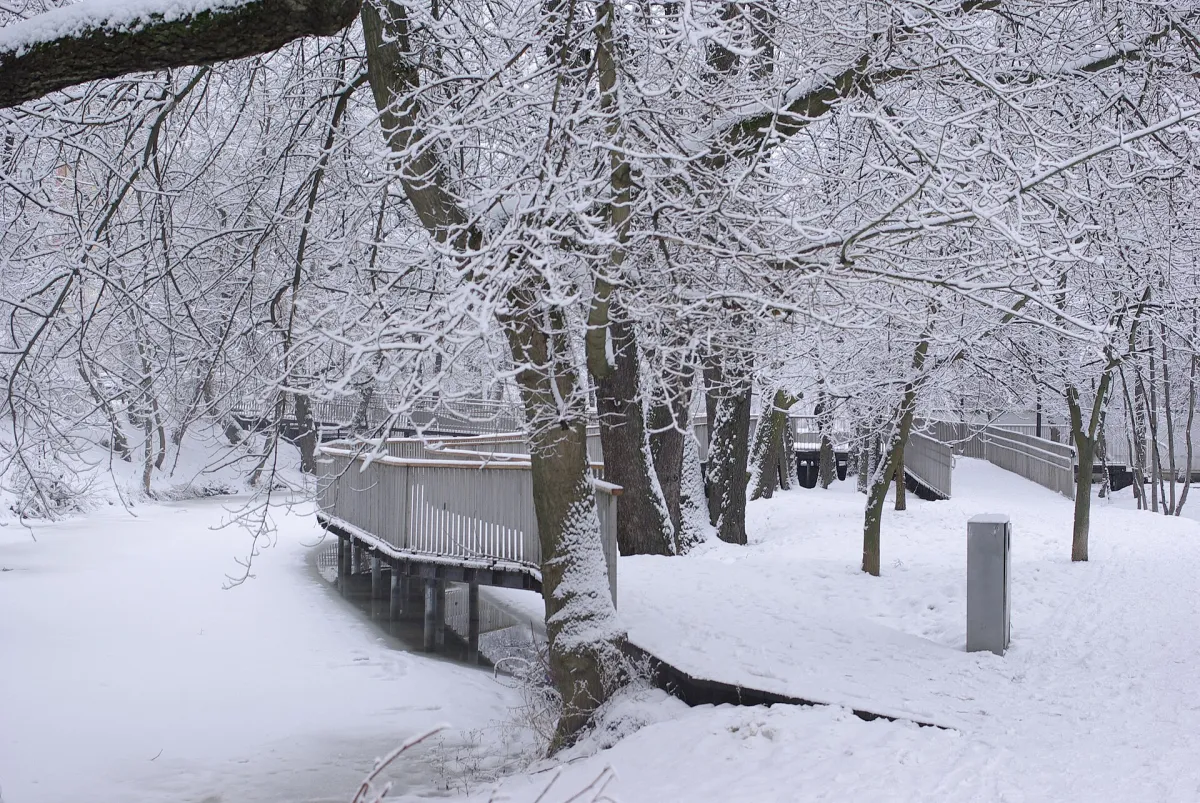
In cities, ice, slush and snow can make short walks difficult. Choose footwear and a route suited to the surface, allow extra time and use indoor breaks. Ask accommodation staff about the actual entrance and cleared approach. Travellers with limited mobility should confirm assistance rather than assuming that a familiar distance remains equally manageable in winter.
Photography and restricted places
Do not photograph military establishments, strategic infrastructure or security activity. Restricted areas can exist beyond an obvious fence or sign. A public-looking road, waterfront or observation point is not universal permission. Museum interiors, performances and worship also have their own rules; check the current instructions at the actual site.
Drone use requires separate legal and local checks and is not recommended here as a casual photographic activity. Do not use a map or scenic image as permission to fly, enter a controlled area or approach naval facilities. The photo guide concentrates on composition from authorised positions and explains the limits of what an image proves.
Keep support expectations realistic
Consular services cannot guarantee release, entry, medical evacuation or a flight home. Use the current FCDO getting-help page or your own embassy's official instructions for contact details and service limits. Save those details offline before a problem occurs.
Recheck the essentials before each move: lawful stay, transport operation, accommodation reception, payment and communication. If a critical arrangement becomes unavailable, simplify the plan and seek the appropriate official or provider assistance. Travel Essentials & Contacts brings the document and contact checks together; the existence of that checklist is not a guarantee that every difficulty can be resolved.