
RUSSIA · COUNTRY GUIDE
Museums & Culture in Russia
Choose a museum by the collection you want to understand, then identify the correct building. Russia’s art, decorative objects, science, ethnography and regional history need different amounts of time and different approaches. This selection complements Things to Do and avoids treating every institution as the same kind of indoor stop.
Read current travel advice before making commitments. UK advice is against all travel to Russia; the US advisory is Level 4. Entry, insurance and payment access are separate from whether an institution or service is operating.
Match the collection to your interests
On small screens, scroll the table horizontally to read both columns.
| Interest | A useful starting point |
|---|---|
| Russian painting | Tretyakov in Moscow or the Russian Museum in Saint Petersburg; choose the period and current building. |
| International art | Pushkin Museum or a focused Hermitage collection. |
| Decorative objects | Kremlin Armoury; select the actual admission and collection. |
| Science & technology | Museum of Cosmonautics; check interpretation and age suitability. |
| Peoples & material culture | Ethnographic collections in Saint Petersburg, Kazan and Ulan-Ude; read dates and provenance. |
| Domestic history | Irkutsk house museums; check the exact house and internal access. |
Moscow
Tretyakov Gallery
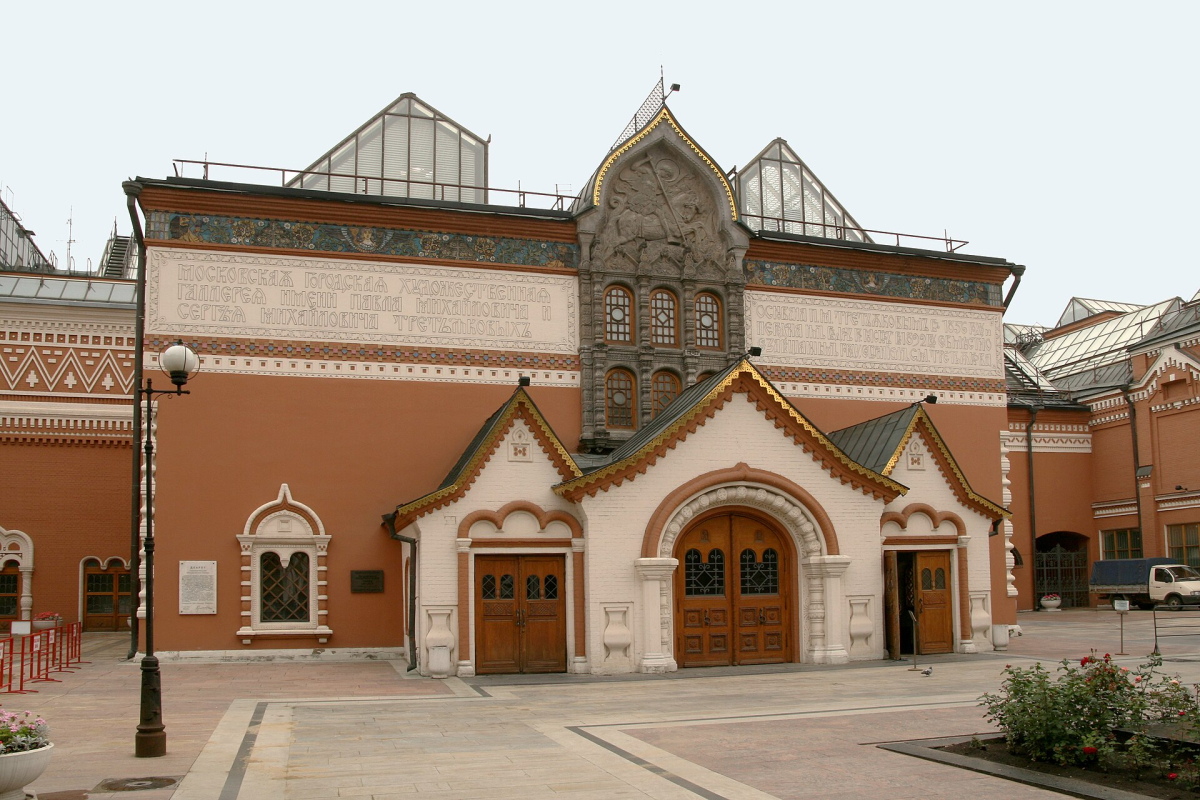
The Tretyakov is a strong choice for a visit focused on Russian art, but its collections and exhibitions use different buildings. Historic painting and icons call for a different plan from a modern-art exhibition. Choose a period or a small number of themes rather than trying to cover every gallery in one session.
Use the Tretyakov Gallery to identify the current collection, building and ticket. A photograph of the Lavrushinsky façade does not establish the location of a temporary show. Ask about lifts, seating and the actual accessible entrance if these determine the visit.
Pushkin State Museum of Fine Arts
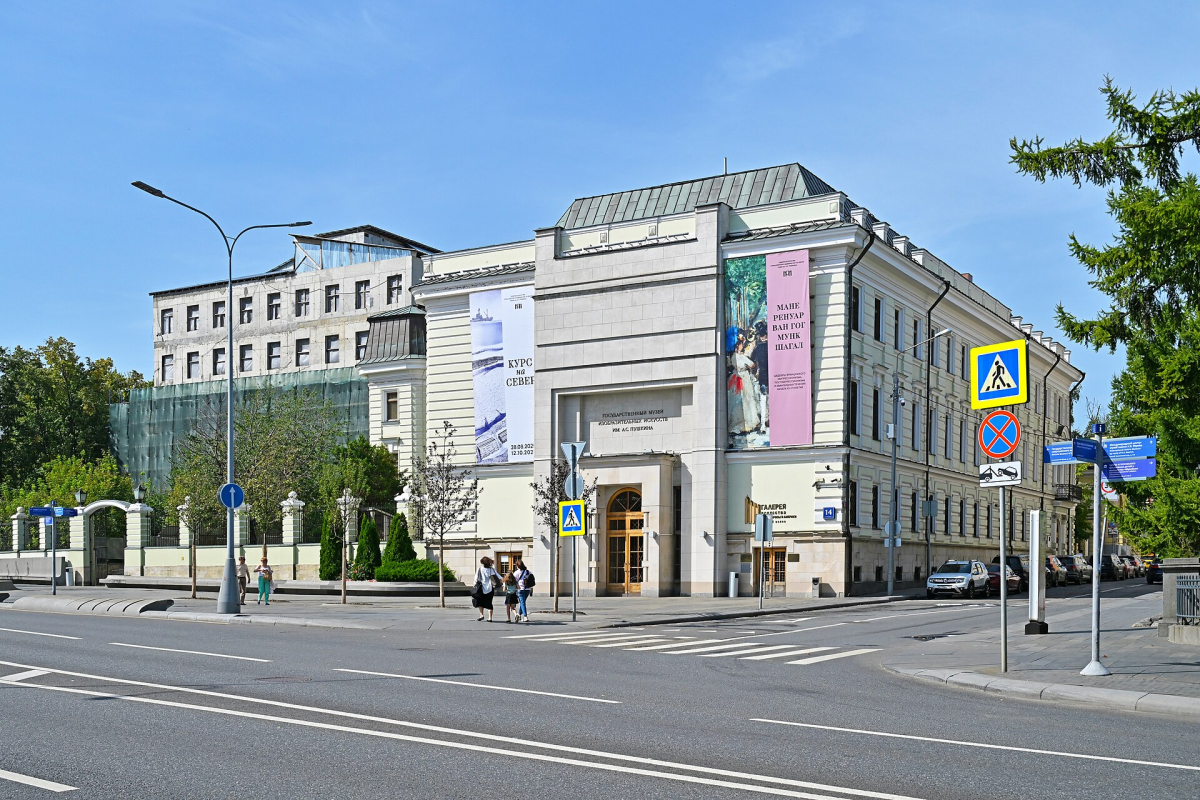
Choose the Pushkin Museum for international art, antiquities and the history of collecting. The Main Building and the Gallery of European and American Art are distinct choices, and the institution also has other sites. The name refers to a fine-arts museum, not simply a museum about the writer.
The official museum identifies buildings, exhibitions and visitor access. Select the actual collection before buying; do not assume a temporary exhibition or another building is included. Combine a measured visit with a nearby meal rather than a second large museum across Moscow.
Kremlin Armoury and cathedral collections

The Armoury’s ceremonial objects, precious metalwork, textiles and regalia offer a decorative-arts perspective. The cathedral collections provide a different religious and architectural focus. Decide which interests you; the Kremlin is not a single museum room that can be covered casually between other appointments.
Check the Kremlin Museums for entrance, ticket type and current visitor rules. Admission does not provide access to government offices, every palace interior or every associated collection. Photography restrictions and security checks are specific to the space.
Museum of Cosmonautics
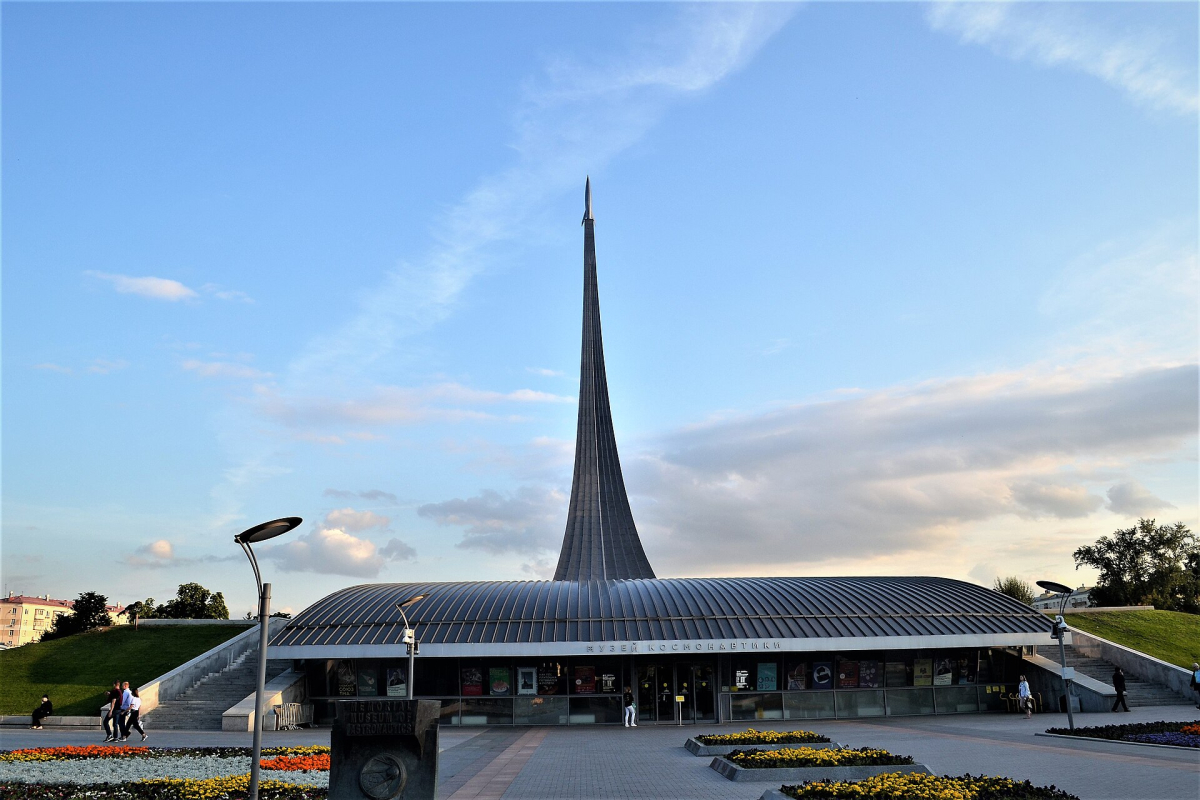
The Museum of Cosmonautics connects technological objects with the history and human experience of space exploration. Its setting beneath the Monument to the Conquerors of Space makes the outside architecture part of the visit. It can suit families and visitors who prefer material history to a long sequence of paintings.
Use the museum for its current programme and practical information. Ask about the language of interpretation and the suitability of a specific activity for children. A general admission ticket should not be assumed to include a workshop, guided programme or simulation.
Garage Museum of Contemporary Art
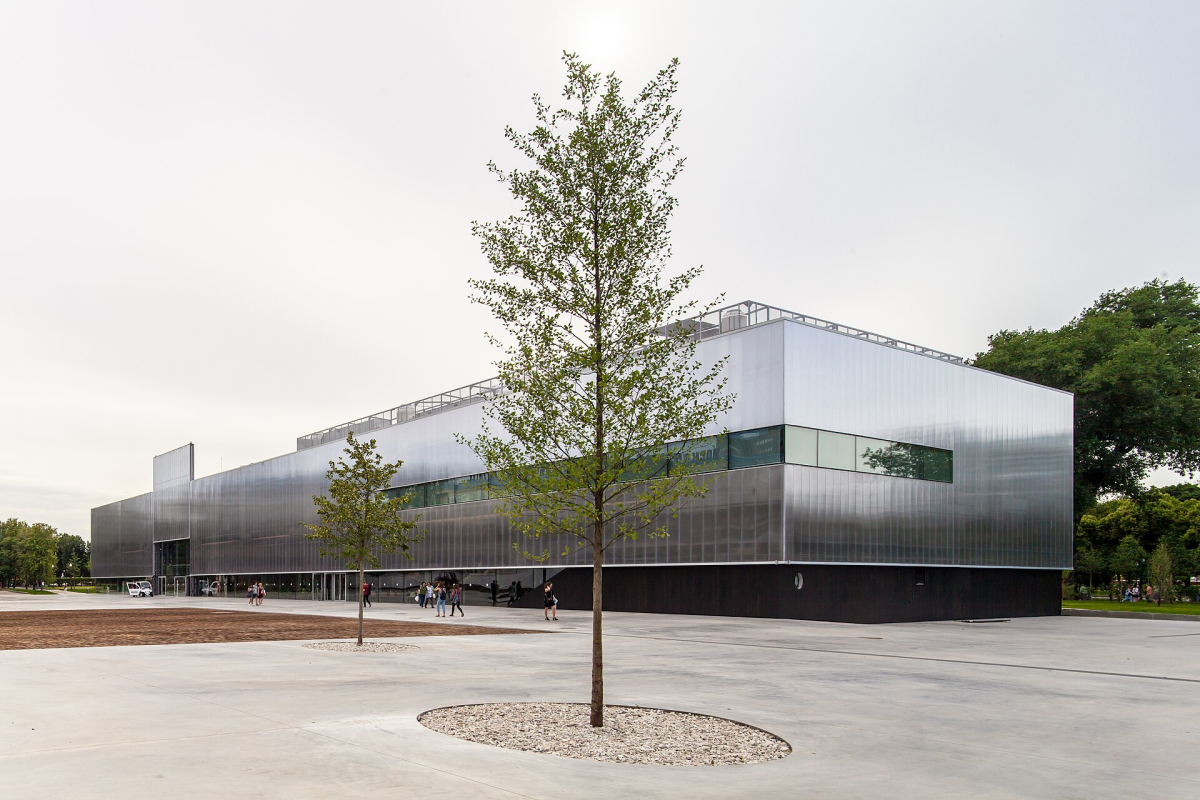
Garage provides a contemporary-art and cultural-programme perspective in the Gorky Park setting. The building and surrounding public space can be of interest alongside whatever exhibitions or educational activities are actually announced. This is a programme-led choice rather than a promise of one permanent blockbuster display.
Check Garage for the present format, open spaces and current events before arranging the day. A historical exhibition review is not a current listing. Leave time for the park approach and a rest, and verify what is accessible without a ticket.
Saint Petersburg
Hermitage
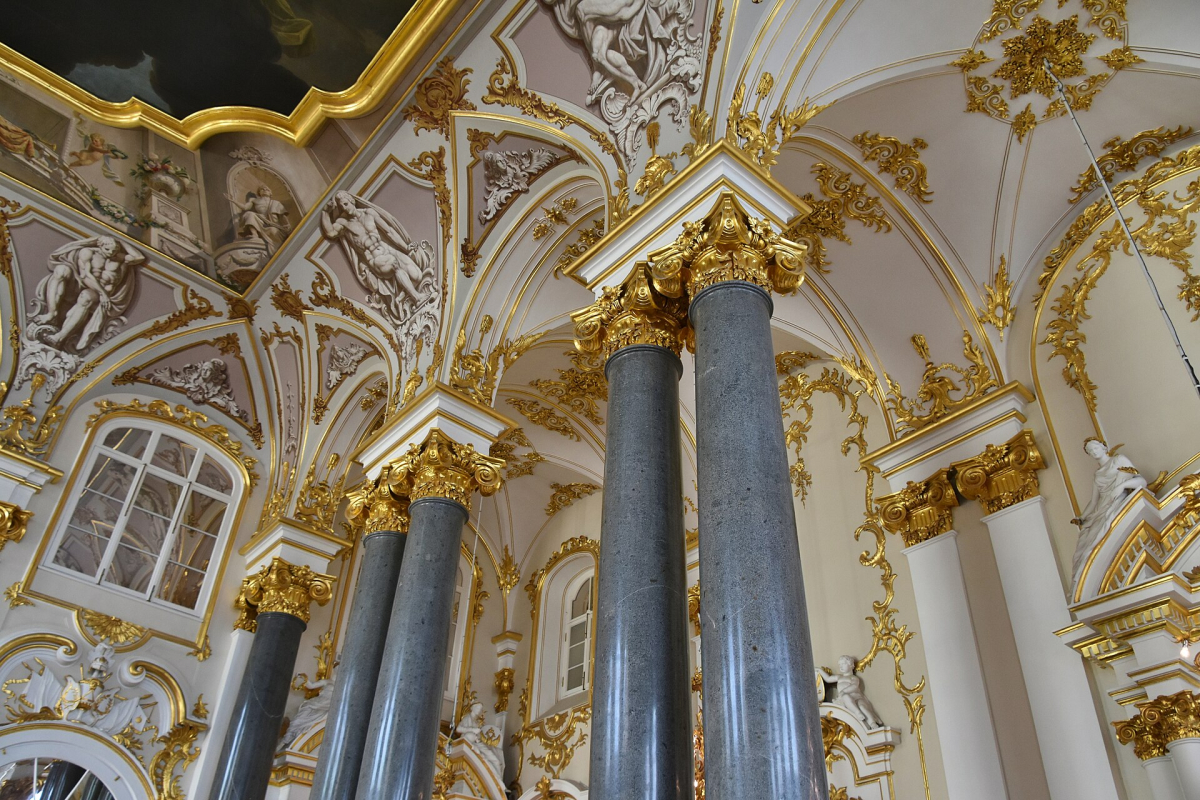
The Hermitage combines a palace setting with collections too broad to treat as one short stop. Choose a theme—European painting, antiquities, decorative objects or the architecture of the main complex—and work out a manageable route. The General Staff Building is a separate location and can suit a different art-focused day.
The Hermitage is the source for current collection locations, ticket types and entrances. Historic interiors and long room sequences can be tiring; plan seats and breaks, and ask for the actual accessible route. One ticket should not be described as universal admission to every branch.
Russian Museum
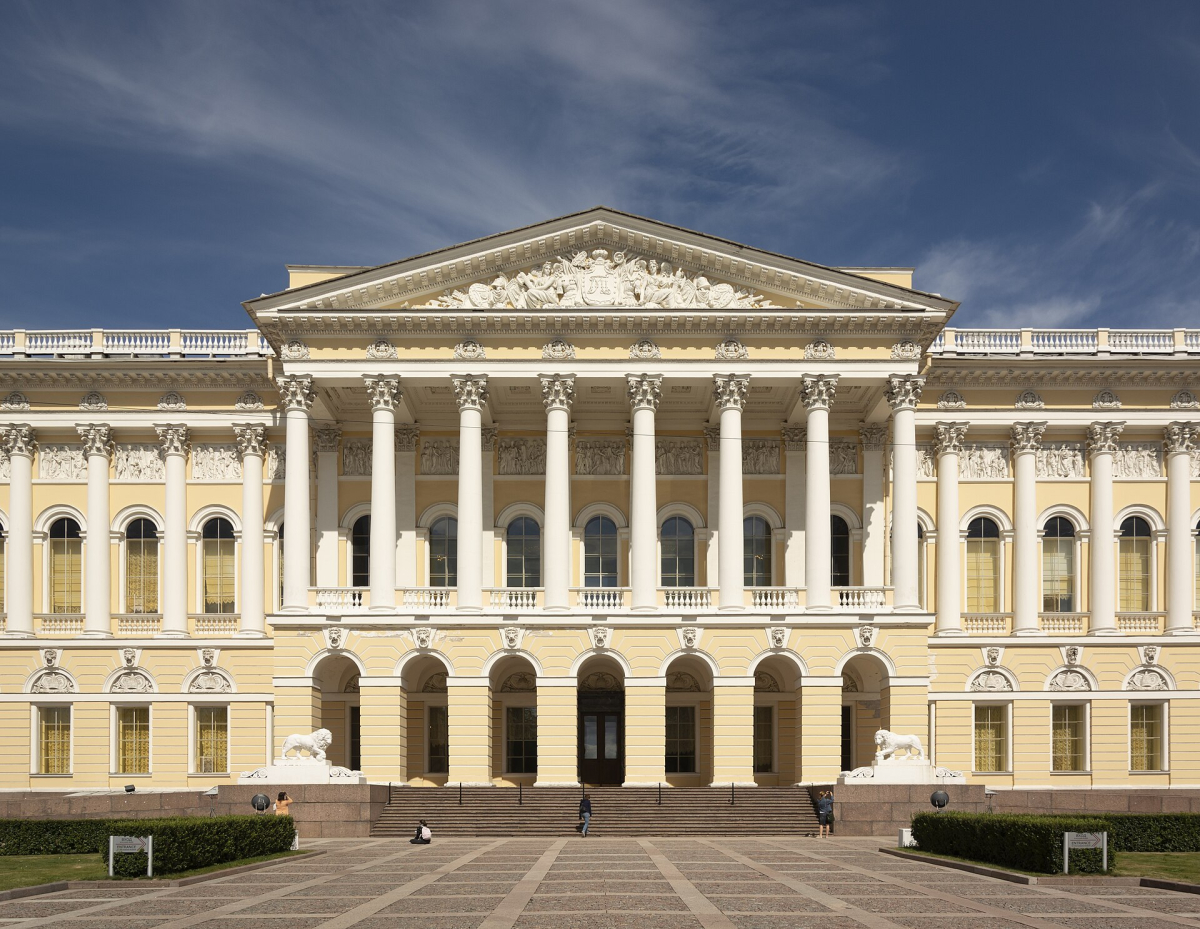
The Russian Museum offers a concentrated way to explore national art across periods, with different palace and gallery sites. The Mikhailovsky Palace and Benois Wing are useful names to distinguish when selecting a collection or temporary show. Other branches have their own architectural and exhibition character.
Use the Russian Museum to match the chosen exhibition to its building. Do not describe every show as being in the main palace. For a shorter day, select one period and leave a nearby garden or café as an optional break.
Kunstkamera
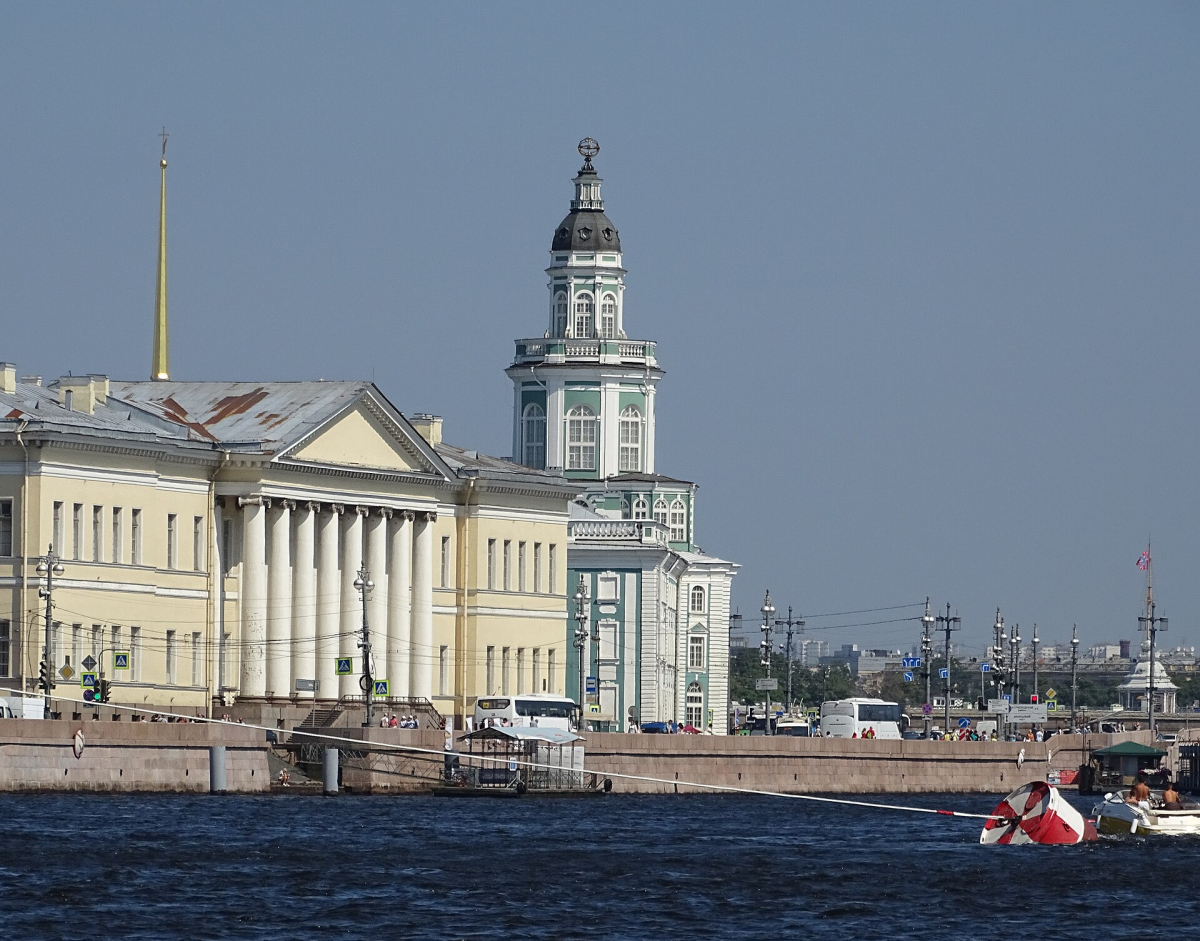
The Kunstkamera’s anthropology and ethnography collections invite a visit about different societies, collecting practices and the history of scientific institutions. It is more useful to approach the interpretation critically than to present the museum only as a collection of curiosities. The riverside building is a separate architectural point of interest.
Check the Kunstkamera for its current exhibitions, language options and visitor rules. Some material can be sensitive or unsuitable for younger children. Avoid photographing human remains or culturally sensitive objects unless explicitly permitted, and follow the museum’s restrictions.
Russian Museum of Ethnography
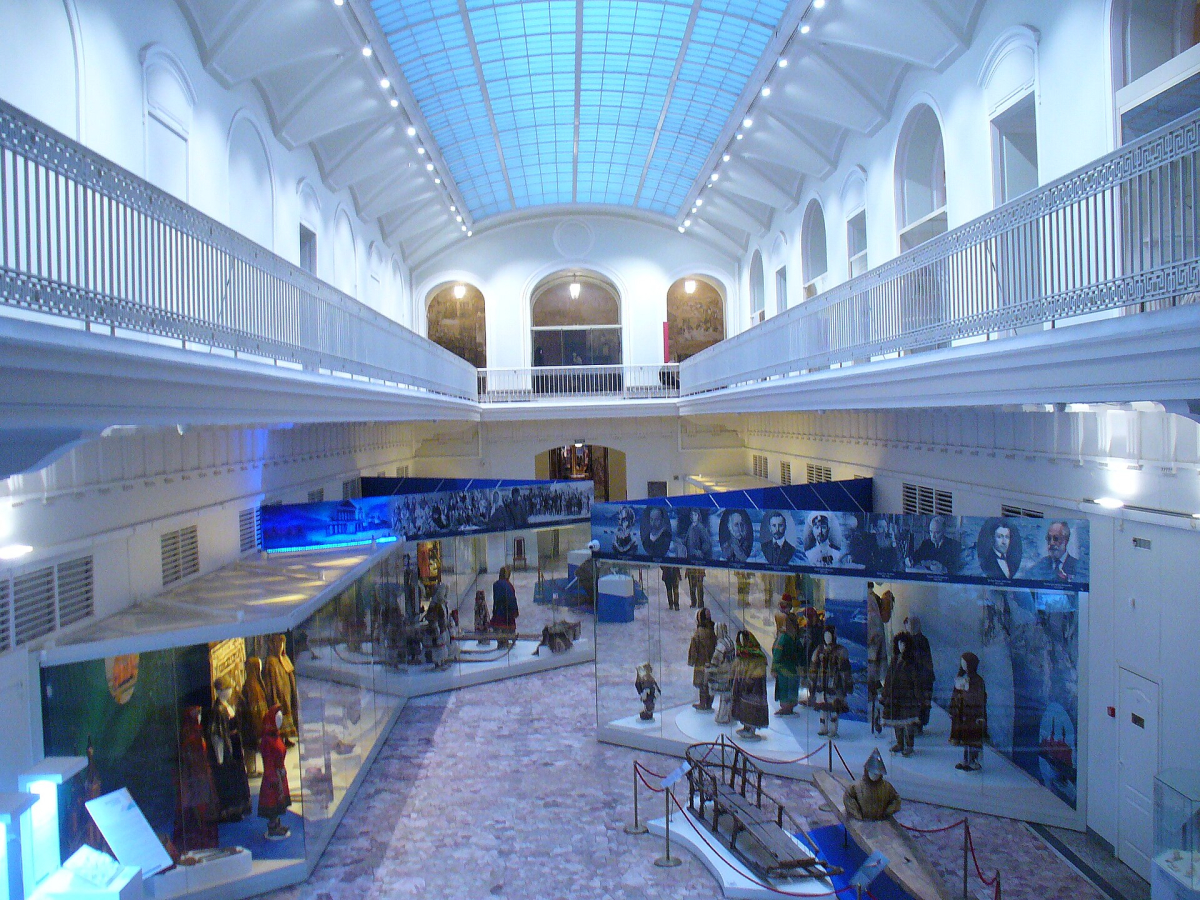
The ethnographic museum offers material culture, clothing and domestic-life interpretation across many peoples and regions. It is a good complement to an art museum because it changes the questions: how objects were used, who made them and how curatorial categories describe living communities.
Use the museum for current halls and visitor information. Avoid presenting every community as a single timeless tradition. Read object dates and provenance, and allow time for interpretation rather than treating the displays as costume photographs.
Regional collections
National Museum of the Republic of Tatarstan, Kazan
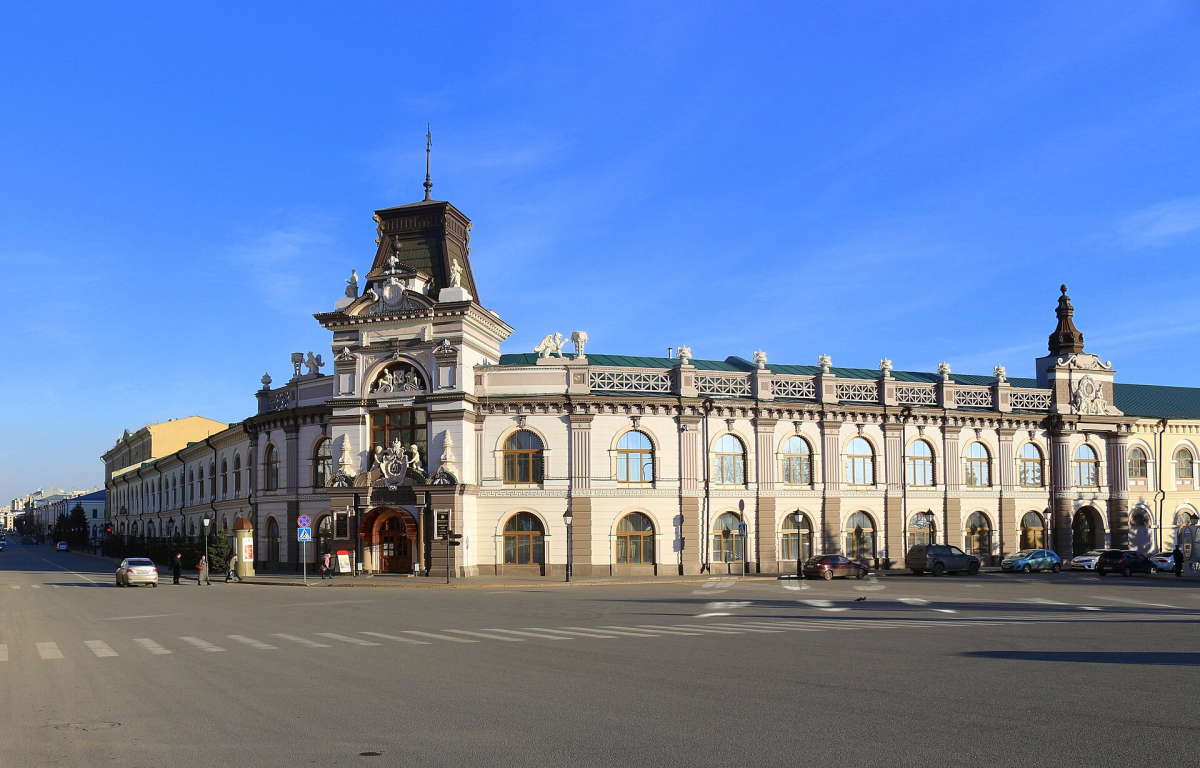
This museum adds historical and archaeological context to a Kazan visit, helping connect the city’s architecture with the wider region. It suits visitors who want more than a kremlin panorama and a pastry stop. Choose a period or theme that relates to the rest of your trip.
Use the National Museum to confirm the current exhibition address and admission. A regional collection and the museums inside the Kazan Kremlin are not one interchangeable ticket. Keep space for a meal and a short old-town walk rather than adding both as rushed extras.
Decembrist house museums, Irkutsk
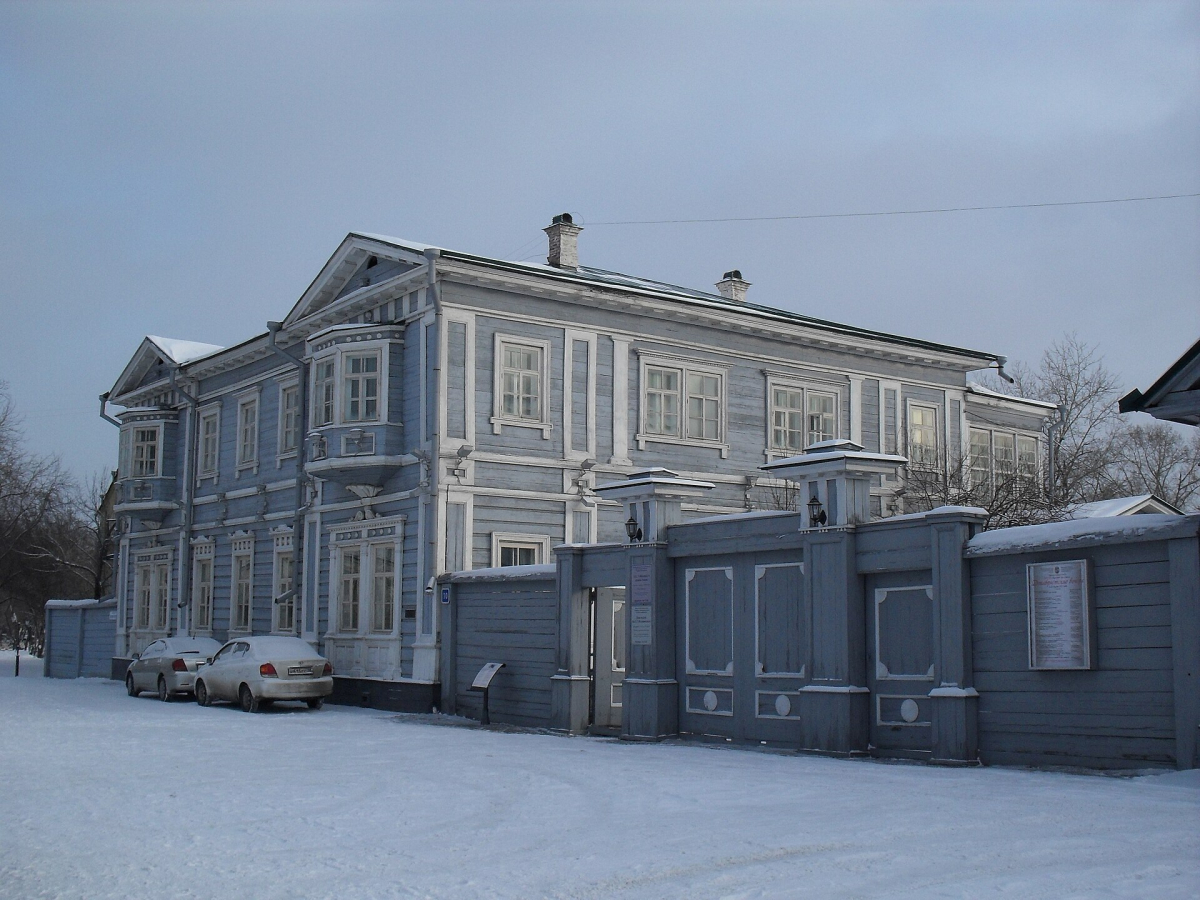
The Decembrist museum houses provide a domestic setting for exploring exile, family life and cultural history in Siberia. A house museum works at a different scale from a national art collection: rooms, personal objects and their interpretation matter more than the size of the building.
The Irkutsk Decembrist Museum identifies its actual houses and programmes. Check which house your ticket or tour covers. Historic rooms may involve stairs and limited circulation; ask about access rather than assuming a small museum is easier for everyone.
Transbaikal ethnographic museum, Ulan-Ude
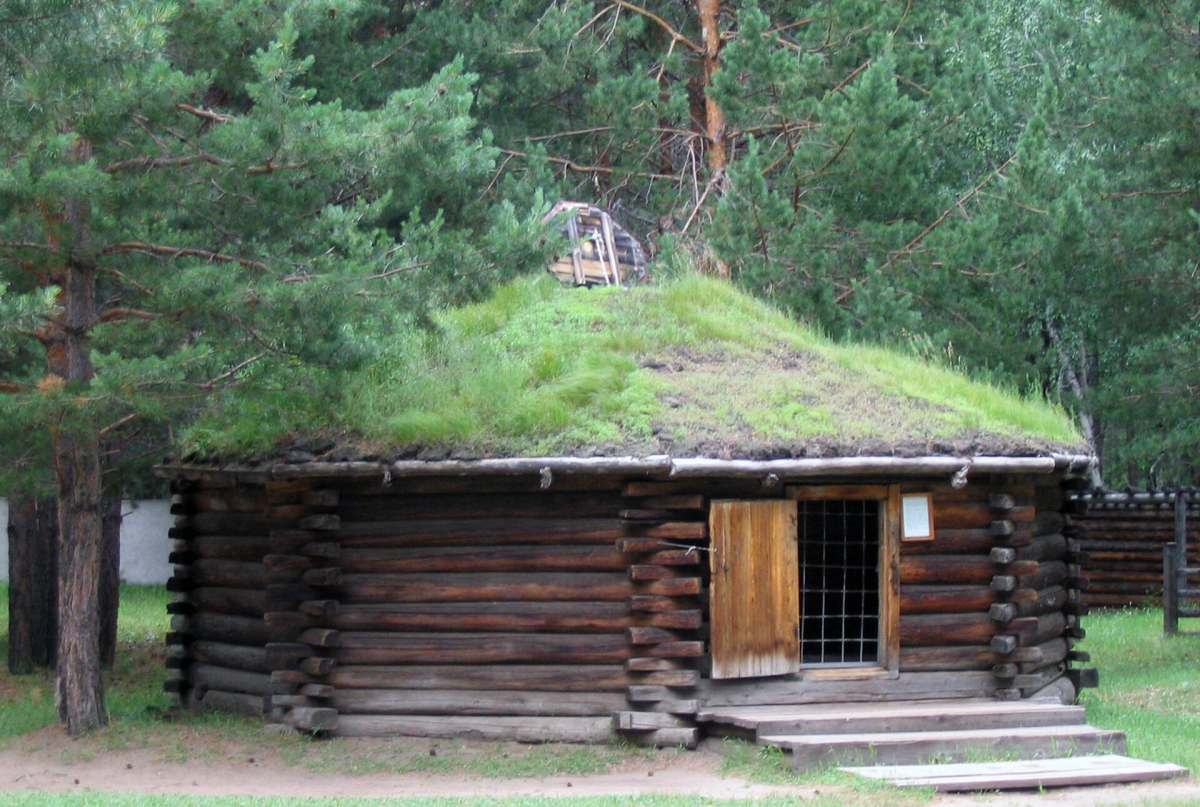
The open-air ethnographic museum near Ulan-Ude can place architecture and material culture in a broader regional context. It is particularly useful when a trip includes Buryatia and the eastern Baikal region. The outdoor layout means that walking, weather and rest stops are central to the experience.
Use the museum to check areas, events and the approach. Read the date and original setting of buildings; a reconstructed or relocated structure is not evidence that every community lived in the same way. Transport from the city is a separate arrangement.
Tickets, buildings and time
Begin with the collection or exhibition, then check the actual building, entrance, local date and admission type. Museum branches, temporary shows, guided visits and performances can be separate products. Avoid a tightly timed second collection across a large city. One substantial visit plus a nearby meal and short walk usually leaves more room to absorb what you have seen.
Opening patterns, room closures and payment methods can change. Use the institution’s current visitor page and retain confirmation offline. No fixed opening hours, universal museum pass, ticket availability or queue-skipping guarantee is asserted here.
Families, mobility and photography
For children, pick a theme and a realistic attention span: a small group of objects, one room sequence or an announced age-appropriate activity. Ask about toilets, coats, bags, pushchairs and where a seated break is possible. An impressive staircase in a photograph may not be the accessible route.
Travellers with mobility or sensory needs should request the route from drop-off to entrance, lifts, internal steps, accessible toilets, seating and any booking requirement. Ask about a specific room or auditorium rather than accepting a general “accessible” label.
Photography rules distinguish personal handheld pictures, flash, tripods, commercial use and sensitive exhibits. Permission in a public room is not permission to photograph every object or other visitors. Follow conservation rules and keep circulation clear.
Make room for cultural context
Look at object dates, makers, provenance and the institution’s interpretation, including what may be missing or contested. Religious art, ethnographic objects and material linked to repression require more care than a decorative photo backdrop. Do not infer a whole community’s present-day life from an old display.
For performances, see Nightlife and Festivals & Events. For conduct at worship sites, local craft purchases and protected landscapes, use Responsible Travel.



