
Check current travel advice, entry permission, insurance and payment access before making commitments. UK advice is against all travel to Russia; the US advisory is Level 4. These are cultural and geographical research ideas, not a safety endorsement.
Core city and heritage destinations
Moscow and the western cities
Moscow: Red Square, museums and neighbourhoods
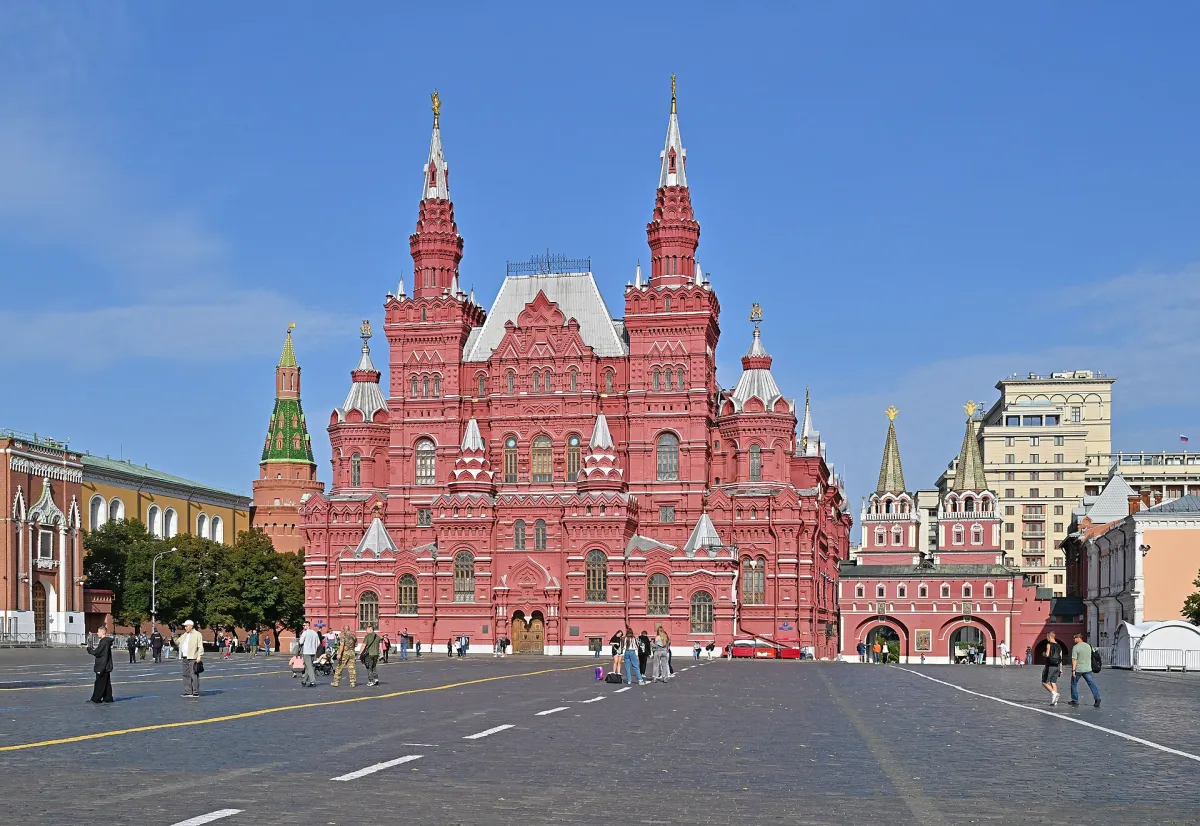

Moscow suits travellers interested in how medieval, imperial, Soviet and contemporary city layers meet. The Kremlin and Red Square World Heritage site provides historical context, but the square, cathedral interiors and museum admissions are not one universal ticket. Check the actual site and entry conditions for each visit, including security restrictions around the central area.
Pair a selected central visit with nearby streets instead of adding several distant museums. A separate day around the Tretyakov collection gives art its own time and avoids treating a major gallery as a quick stop between photographs. The existing Moscow guide is a related city resource; its availability does not mean every detail there has been rechecked in this Russia update.
Saint Petersburg: a city of separate collections


Saint Petersburg offers an unusually concentrated setting for art and architectural history. Palace Square and the Hermitage Main Museum Complex make a coherent first focus. The General Staff Building, smaller Hermitage sites and suburban palaces have their own access arrangements. Consult the Hermitage's official visitor information and select the collection and building you actually want.
The city's rivers and canals create visual connections that are not always short walking routes. Leave time for bridges, weather and indoor breaks. A city day can combine one museum with a nearby waterfront area; Peterhof needs a separate transport and seasonal check. In the White Nights period, extended light is an opportunity for a slower evening, not a reason to schedule continuous sightseeing.
Veliky Novgorod: medieval context beside the Volkhov
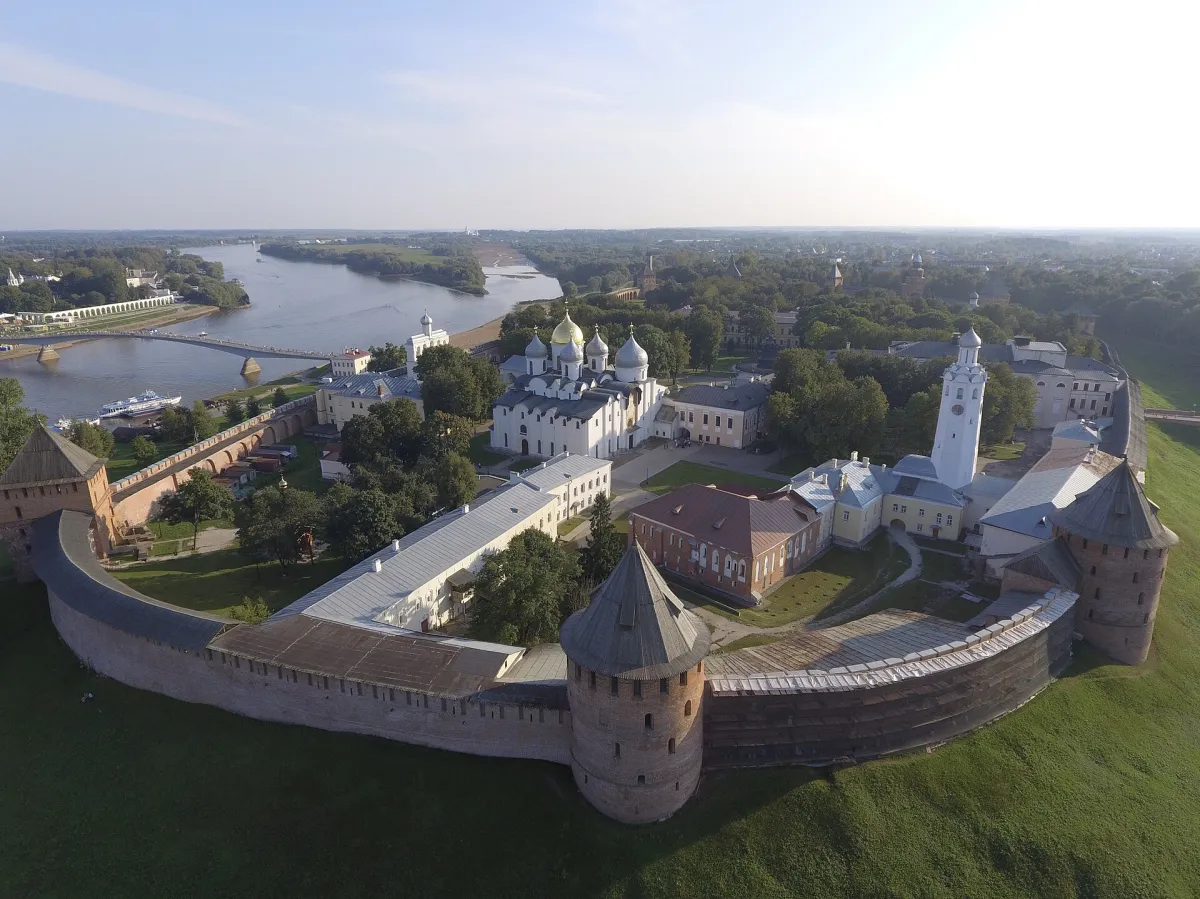

Veliky Novgorod is useful for readers interested in medieval religious and civic history beyond the two largest visitor cities. The kremlin area and nearby riverfront form a manageable focus, while churches outside the core need more travel. UNESCO's Novgorod property description explains the wider group of monuments; inscription does not mean every component shares one opening schedule or ticket.
Verify that your transport is to Veliky Novgorod, not Nizhny Novgorod on the Volga. If using Saint Petersburg as an approach, check both outward and return services before committing to a day trip. An overnight stay can reduce pressure for people wanting several sites, but it also adds a hotel move. In winter, surfaces and daylight can make a smaller selection more appropriate.
Suzdal: a slower architectural stay


Suzdal works as a compact historic-town stay rather than another large-city museum day. Church silhouettes, river views and wooden buildings are best appreciated with time to walk between them. The White Monuments of Vladimir and Suzdal give context for the region's stone architecture; individual museums and religious sites have separate visitor rules.
Many travellers approach through Vladimir and continue by road. Confirm the final transfer instead of searching for a direct train to Suzdal. Group the kremlin area, a nearby meal and a manageable wooden-architecture visit; do not assume a path across a field is a maintained public route. Two nights allow a full day between arrival and departure, with room for poor weather or a slower pace.
The Volga and northern lakes
Kazan: Tatar heritage and a distinct city base


Kazan adds a different regional perspective through Tatar culture, food and its fortified historic core. The Kazan Kremlin includes monuments with different religious and historical roles. A mosque or cathedral is a place of worship as well as a visitor interest, so check dress, visiting times and photography rules at the actual entrance.
Pair the kremlin area with a measured walk along nearby central streets rather than trying to cover the entire city at once. A separate food-focused outing can introduce echpochmak and other Tatar dishes without turning a cultural visit into a list of restaurants. Kazan deserves its own transport and accommodation decision; adding it between Moscow and Saint Petersburg means another substantial move.
Kizhi: wooden architecture on Lake Onega
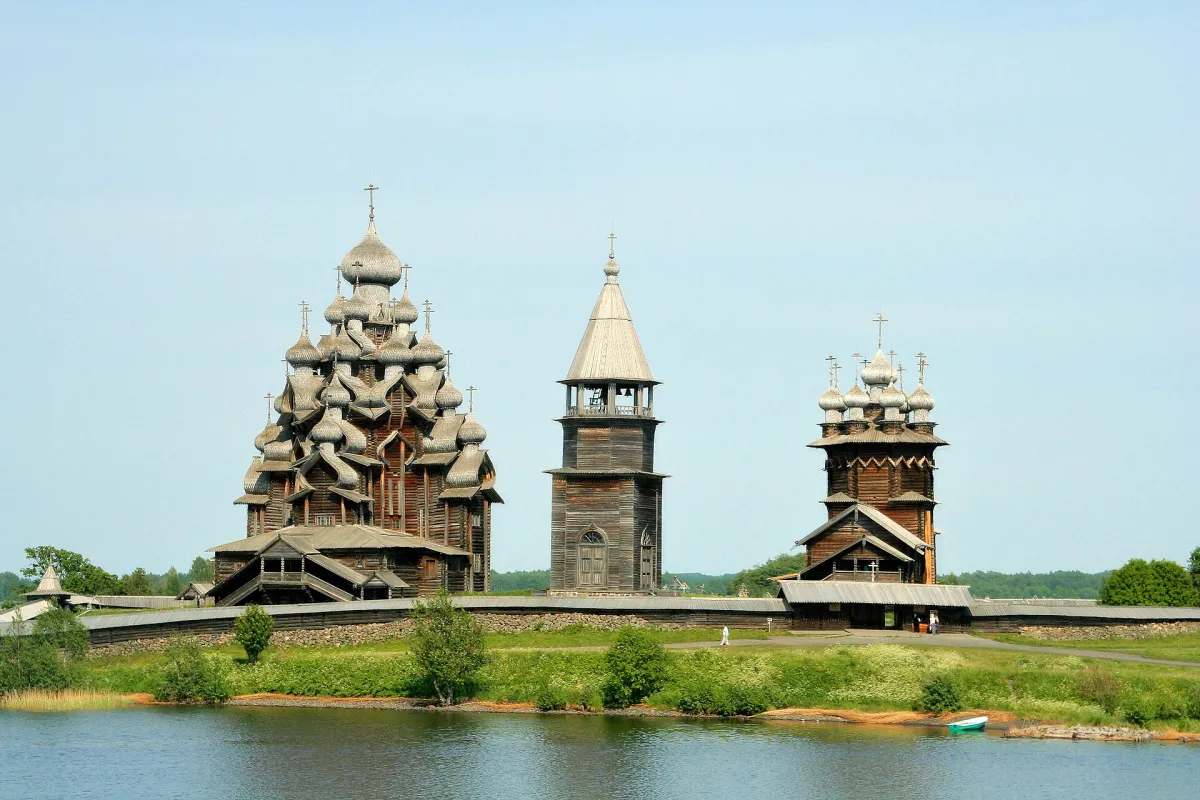

Kizhi Pogost is on an island in Lake Onega, not Lake Baikal. Its wooden churches and bell tower are the focus of the UNESCO property, within a wider museum landscape. The distinction matters when looking at maps, travel packages and photographs: a picture labelled only as a Russian lake does not identify the access point.
Check the Kizhi Museum and the transport operator for the actual season, departure point and return. Wind and operating changes can affect an island outing. Allow for walking on the island and verify assistance if needed; do not assume the boat or heritage buildings are universally accessible. Keep a mainland alternative and avoid making the island return a tight connection to a critical departure.
Siberia and the Pacific
Lake Baikal: choose a shore before a hotel


Baikal is a large lake and a diverse region, not a single village that can be covered in an afternoon. UNESCO identifies its exceptional freshwater ecology and long geological history. Irkutsk can serve as an urban approach; Listvyanka, Olkhon and other shores involve different roads, services and seasonal conditions. Choose the base around the experience and available transport rather than a generic lake-view promise.
Summer shore visits and winter ice excursions are fundamentally different. A photograph of blue ice is not evidence of a safe route or current authorisation. For a first necessary visit, a modest shore plan with a confirmed return may be more manageable than a remote crossing. Read Baikal's World Heritage context and confirm practical access with the responsible local operator or protected-area authority.
Vladivostok: a Pacific city with steep approaches


Vladivostok suits a separate regional trip focused on a maritime urban setting. Hills, bays and bridges shape both the views and the effort required to reach them. A short straight-line distance can mean a climb, steps or a long road approach. Compare the accommodation's actual walking route and transport connections rather than choosing solely for a panoramic photograph.
Parts of the wider region have military, border or other access restrictions. Do not photograph naval activity or strategic infrastructure simply because it is visible from a public-looking place. A lighthouse or coastal viewpoint needs a current access and weather check, including the return. The city is not a quick extension of a western Russia week; reaching it and returning are major itinerary commitments.
Moscow & the Golden Ring
Vladimir


White-stone architecture and a compact historic core make Vladimir a useful contrast to Moscow. The Dormition and Saint Demetrius cathedrals are distinct visits, while the Golden Gate area has its own restoration and access conditions. Choose a full local day if architectural history is the purpose.
Vladimir is the rail-side gateway for a road continuation to Suzdal, not the same town. Keep luggage and that onward connection separate from sightseeing; do not promise access inside every monument. Vladimir-Suzdal Museum Reserve publishes its sites and visitor information.
Yaroslavl
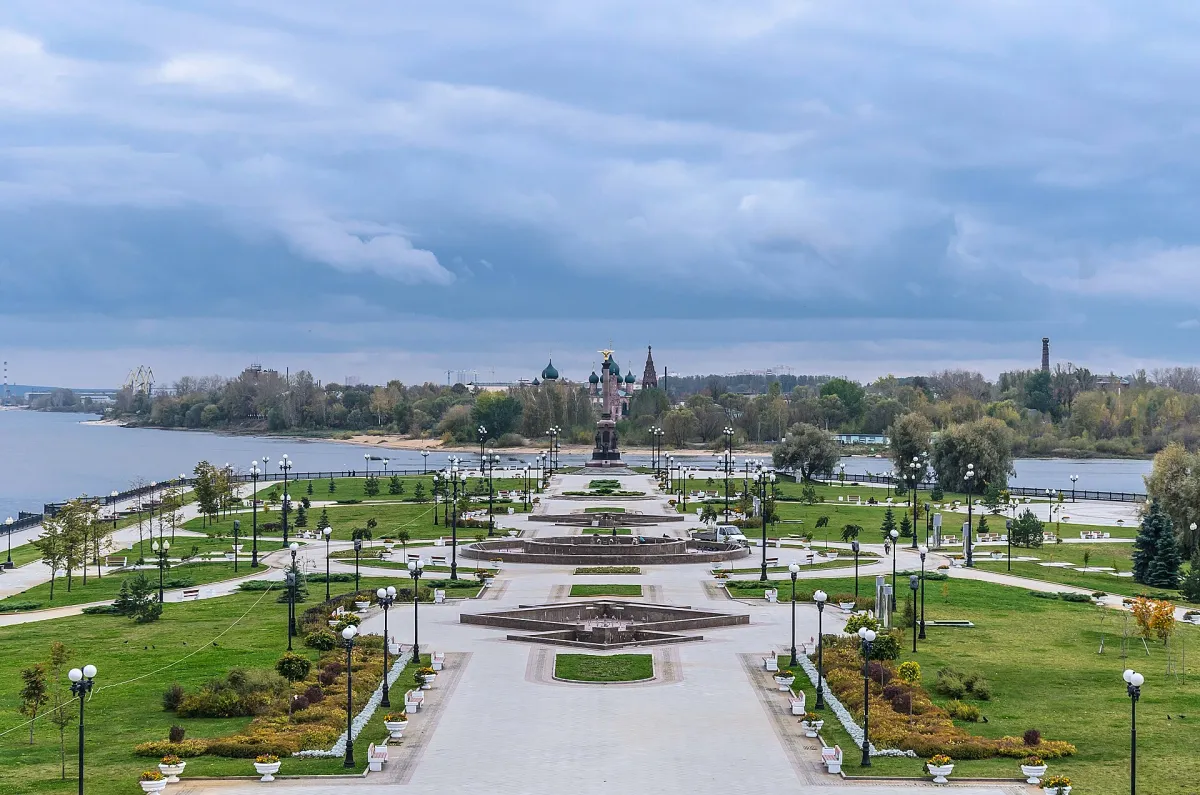

Yaroslavl combines the Volga embankment, the Strelka river confluence and an extensive historic street plan. It suits travellers who want a walkable urban heritage base rather than a succession of short coach stops. The churches and museums reward selecting a few interiors instead of attempting every façade.
Stay centrally if walking is the priority, but check the slope between upper streets and the waterfront. A rail arrival can support a two-night stay with a full day; adding Rostov requires a separate transport plan. UNESCO explains the historic-city significance.
Rostov Veliky


Rostov Veliky is the smaller Golden Ring town beside Lake Nero, not Rostov-on-Don. Its kremlin ensemble is associated with the former metropolitan residence, and the enclosed courtyards provide a concentrated architectural visit. It is particularly appealing for visitors interested in church architecture and enamel craft.
The lake edge, museum buildings and town streets have different surfaces; towers or galleries may involve steps. Pair the town with Yaroslavl only when the actual connection leaves time for both. Use the Rostov Kremlin museum for current areas and exhibitions.
Sergiev Posad


The Trinity-Sergius Lavra is an active Orthodox monastery as well as a major historic ensemble. This destination suits visitors interested in religious life, art and architecture who can approach worship with patience and respect. The main interest is the monastery precinct rather than an extensive city-break itinerary.
Allow for the approach from the station and ask about visitor access during services. Dress and photography rules apply by space; do not treat worshippers as a staged attraction. UNESCO provides the ensemble’s heritage context.
Pereslavl-Zalessky
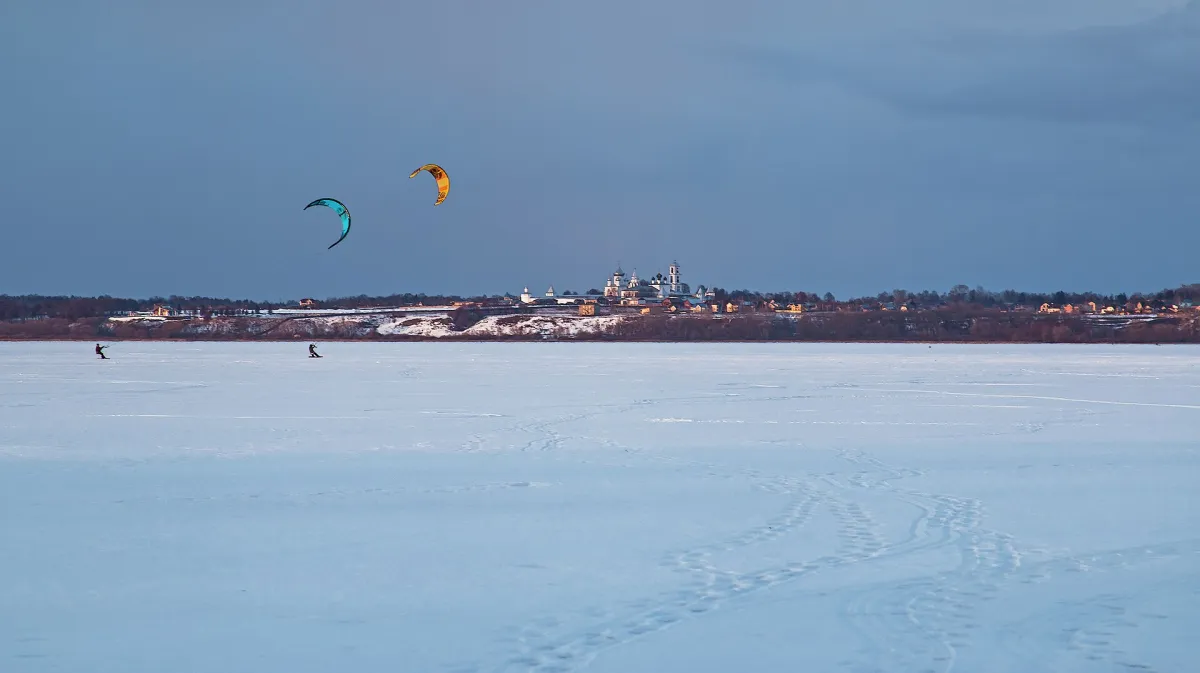

Pereslavl-Zalessky is a lake-and-small-town choice around Lake Pleshcheyevo, with monastic sites and separate museums spread beyond a single central square. It can suit a slower road-based Golden Ring stay, particularly when one full day is devoted to the lake landscape and selected buildings.
A lake view is not evidence of safe bathing or permitted shore access. Without a car, check the exact town-to-site journey rather than assuming every museum is on the same walk. Pleshcheyevo Lake National Park is the relevant starting point for its managed land and access.
Kostroma
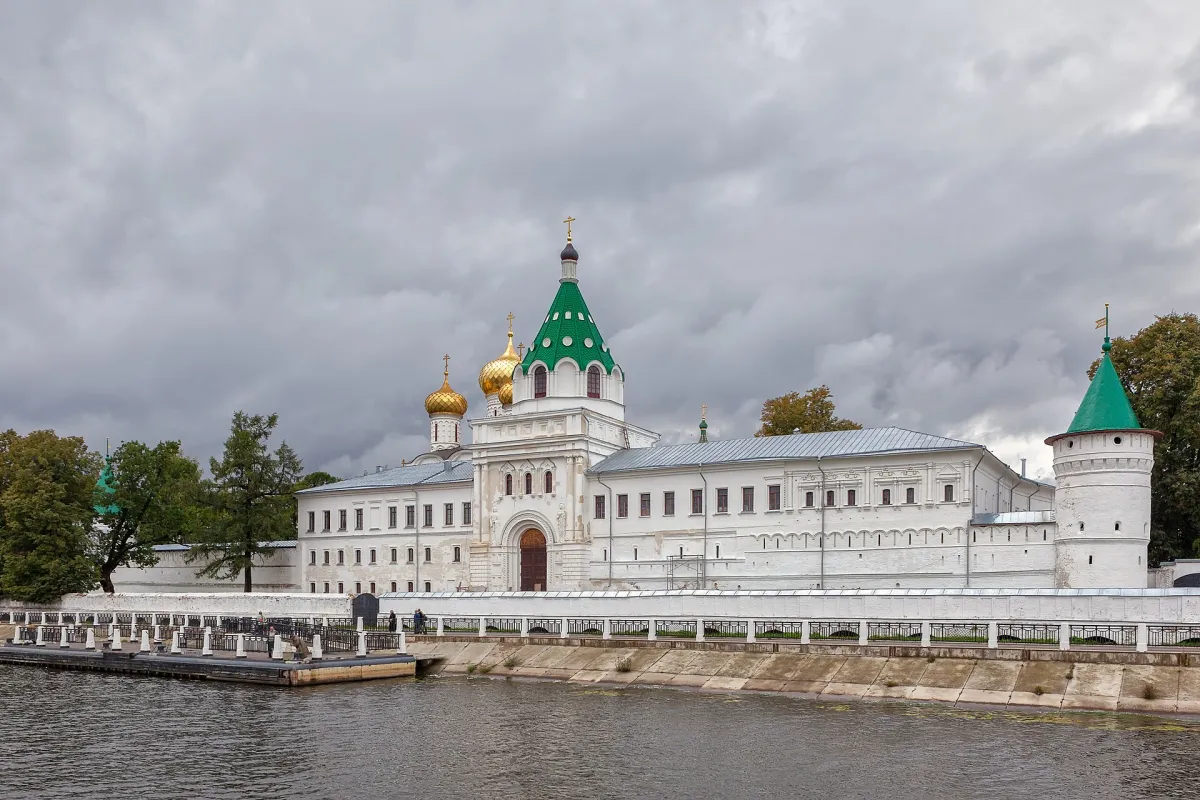

Kostroma offers a different Volga-city setting: trading rows, a central historic plan and the separate Ipatiev Monastery area. It suits travellers who want to spend time in a smaller regional city rather than simply collect another Golden Ring name. River views and commercial architecture are as much part of the visit as a famous building.
The monastery is outside the immediate trading-row core, so plan the approach and return. A two-night stay makes a more useful regional stop than a rushed addition after several other towns. Use the Kostroma Museum Reserve for its actual exhibition sites.
Saint Petersburg & the northwest
Peterhof
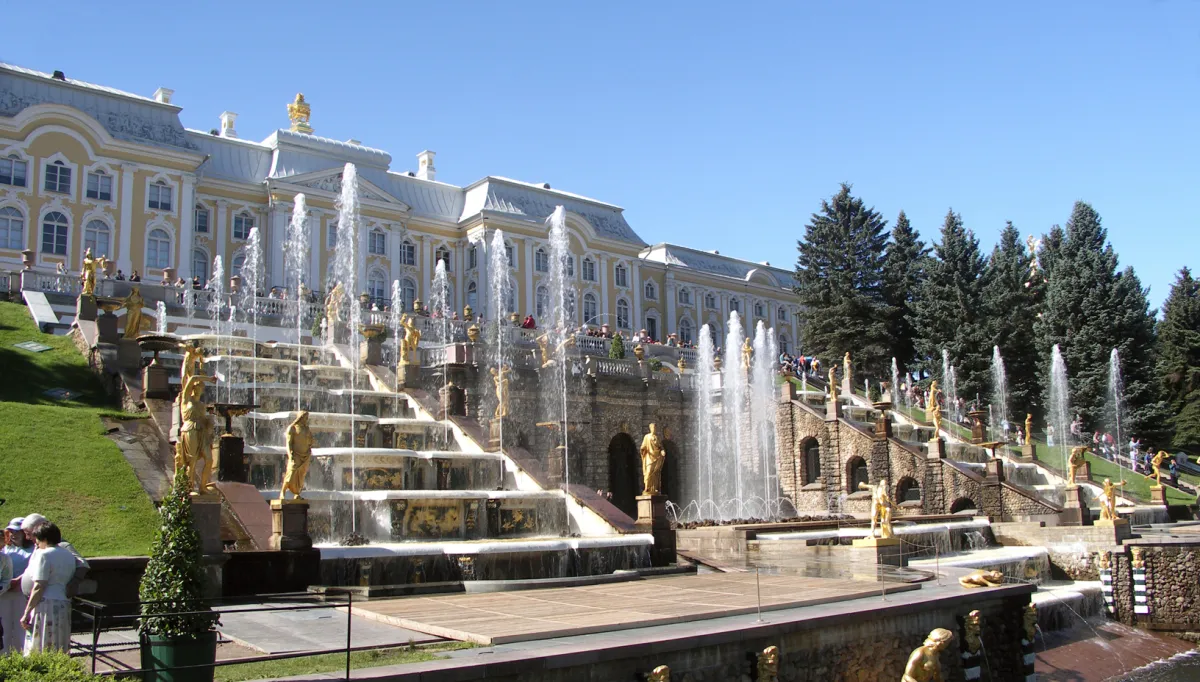

Peterhof is a palace-and-garden destination on the Gulf of Finland, especially distinctive for the formal relationship between terraces, the Grand Cascade and the sea. It suits garden and architecture interests; a winter garden visit is a different experience from the operating fountain season.
The Lower Park, Grand Palace and smaller museums have separate admission and opening arrangements. Decide what you are actually visiting before selecting transport. A seasonal boat is not a guaranteed return connection. Peterhof Museum publishes current park, fountain and museum information.
Pushkin / Tsarskoye Selo


Pushkin, the town containing the Tsarskoye Selo museum reserve, combines the Catherine Palace with a much larger garden landscape. It suits travellers who want decorative interiors and time outdoors in one destination. A palace slot and an unhurried park visit should be planned as related but distinct parts of the day.
Do not assume a park ticket includes the palace or a particular room. Allow for transport from Saint Petersburg, the last approach and the return; combining Peterhof and Pushkin in one ordinary sightseeing day leaves little margin. Check the museum reserve directly.
Pskov


Pskov’s riverside kremlin and medieval churches offer a different historical perspective from imperial Saint Petersburg. The destination is strongest for visitors interested in compact religious architecture, river confluences and the history of the northwest. Several heritage churches remain active religious spaces.
Pick a central route around the Pskova and Velikaya rather than treating all sites in the wider region as neighbouring stops. Border-region travel and onward excursions require separate current checks. UNESCO’s Pskov churches listing identifies the inscribed group.
Vyborg
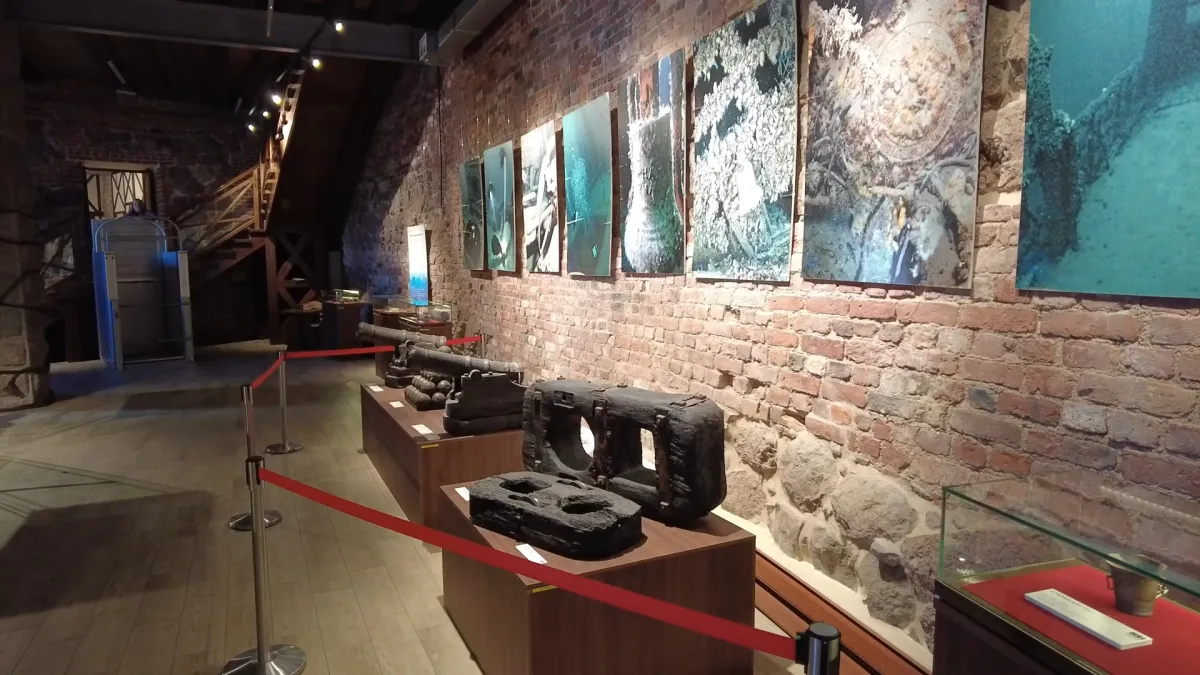

Vyborg brings together a castle, an old-town street pattern and buildings reflecting several historical periods around a northern harbour. It can suit architecture and urban-history visitors who want a destination distinct from Saint Petersburg’s central avenues. Mon Repos is a separate landscape-park visit.
Old streets can be uneven and castle access may involve stairs or restoration restrictions. Check the exact site entrance and your return service before adding a distant park. Vyborg museum reserve is the starting point for its castle and museum visitor information.
Karelia & the Russian North
Petrozavodsk


Petrozavodsk is an urban base beside Lake Onega with an embankment, regional collections and everyday services. It can be useful before or after a separately arranged Kizhi visit, but the city itself deserves time if Karelia’s history and culture are the interest.
Kizhi boat arrangements are seasonal and weather-dependent; a hotel night does not include island access. Keep a city-based alternative and avoid a critical onward departure immediately after an island return. Kizhi Museum provides the relevant island information.
Solovetsky Islands


The Solovetsky archipelago combines a monastic complex, northern maritime landscapes and sites connected with forced labour and repression. It calls for a thoughtful multi-day stay, with time for both religious heritage and difficult historical interpretation. It is not a quick detour from an ordinary city route.
The approach, season and island transport need advance confirmation, and sea or flight disruption can change the stay. Some places require guided or specifically permitted access. Solovetsky Museum and UNESCO provide distinct visitor and heritage context.
Arkhangelsk


Arkhangelsk offers a Northern Dvina waterfront setting and a gateway to regional wooden-architecture heritage, including the separately located Malye Korely museum. It suits visitors interested in northern trade, timber buildings and the relationship between a port city and its hinterland.
Malye Korely is a road outing rather than part of an uninterrupted central walk. Daylight, weather and the return deserve attention outside summer. Use Malye Korely for the museum’s actual visitor arrangements; the wider north is not a single interchangeable excursion area.
Volga & Tatarstan
Nizhny Novgorod


Nizhny Novgorod’s defining geography is the meeting of the Oka and Volga below a high historic centre. The kremlin, upper embankment and Strelka occupy different levels and sides of the rivers. It suits visitors who enjoy urban panoramas, historic streets and the relationship between trade and river transport.
The Chkalov staircase is a landmark, but it is also a substantial climb. Plan a transport-supported alternative for limited mobility, heat or ice. A cable-car ride, where operating, is a separate transport experience rather than access to all sights. Check the regional visitor portal.
Samara
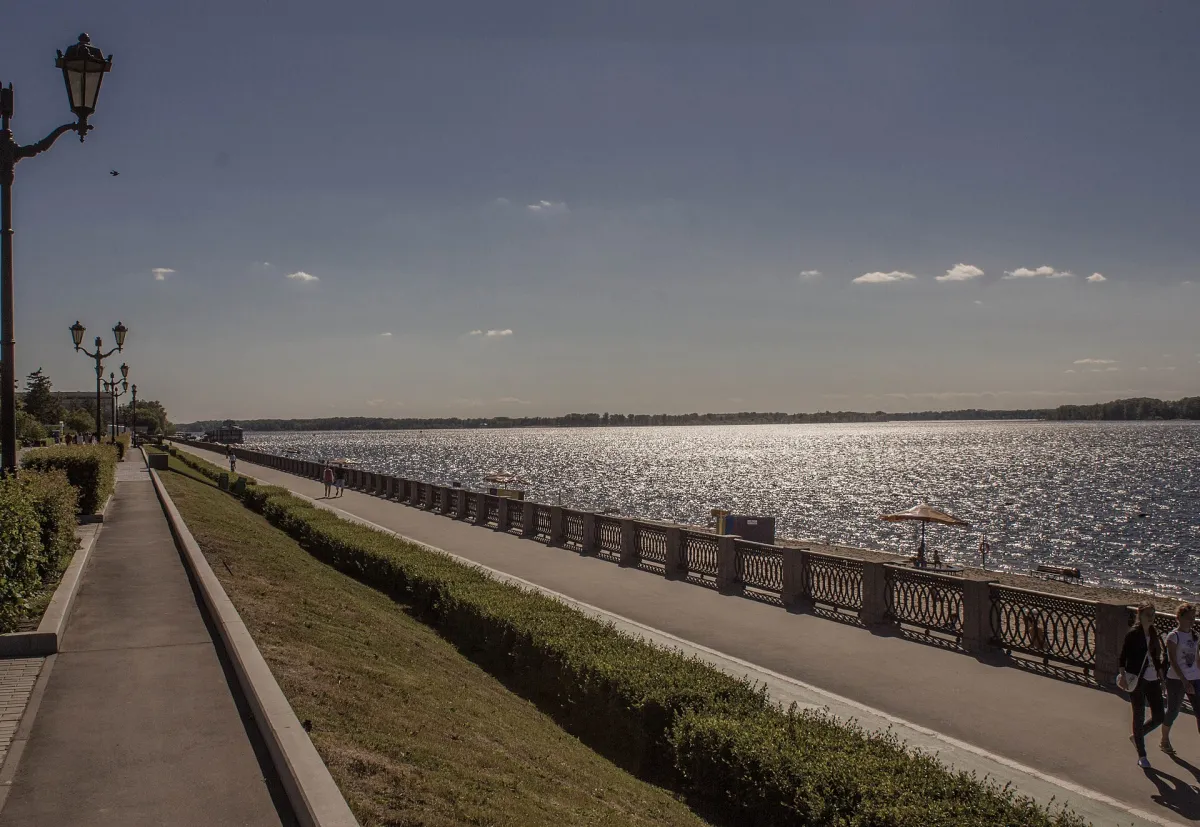

Samara’s long Volga embankment gives the city a different rhythm from the compact kremlin towns. Choose it for riverfront promenades, urban architecture and a regional-city stay. The Zhiguli landscape across and around the river belongs to a larger regional plan.
A central waterfront base reduces some daily travel, but a national-park or river excursion needs its own verified transport. In winter, the embankment is a cold-weather walk rather than a beach setting. The Samara regional tourism portal provides destination context.
Bolgar


Bolgar is an archaeological and religious heritage destination connected with Volga Bulgaria and the history of Islam in the region. It offers a different experience from Kazan’s urban kremlin: open ground, reconstructed interpretation and surviving historic structures. It is most useful for visitors with a focused interest in regional history.
Allow for the journey from Kazan and time exposed to weather on site. River services, when available, are seasonal and should not be assumed. Use the museum reserve and UNESCO to distinguish historic components from later additions.
Sviyazhsk


Sviyazhsk combines a small settlement and monastic heritage in a distinctive waterside setting west of Kazan. The Assumption Cathedral’s frescoes are a focused reason to visit; simply reaching the town does not mean entry to every church or collection. It can suit a measured cultural day rather than a hurried extra stop after Bolgar.
Confirm the actual approach by road or a current seasonal service, then the return. Respect worship and conservation limits on photography and interiors. UNESCO explains the significance of the monastery and cathedral.
Baltic & Black Sea
Kaliningrad


Kaliningrad combines a reconstructed and transformed urban landscape, the cathedral on Kant Island and a separate amber-history focus. It is an exclave destination with its own arrival implications, not a road detour on a mainland Russia itinerary. Museum, waterfront and coastal visits can form distinct days.
Do not infer an available land-border crossing from the map. Choose the city for museums and services, and a coastal town for repeated sea walks. Kaliningrad regional tourism provides local destination and attraction information.
Svetlogorsk


Svetlogorsk is a Baltic resort town with wooded slopes, historic villas and an elevated town above the shore. It can appeal to travellers who want a quieter coastal base rather than the museum concentration of Kaliningrad. The promenade and town streets provide different experiences from a broad sandy bathing beach.
The slope matters: check stairs, lifts where operating and the actual beach approach for your address. Coast works and weather can alter usable shore sections. Compare Russia’s beaches before selecting the town solely for swimming.
Sochi


Sochi spreads along a long Black Sea coast; the historic centre, Adler and the mountain resort area are separate bases. The seaport and central promenade suit an urban-coastal visit, while a mountain stay serves a different daily programme. Avoid treating the whole coastline as one walkable neighbourhood.
Pebble shore access, busy transport corridors and seasonal heat affect the choice of address. Mountain transport, trails and weather require separate checks, and proximity to an airport does not mean a quiet room. Use the Sochi visitor portal for local destination information.
Urals & western Siberia
Yekaterinburg


Yekaterinburg combines an Iset waterfront centre, industrial-era history and modern cultural institutions. It suits visitors interested in a regional city that cannot be reduced to a single Europe–Asia boundary marker. Museums, architecture and an ordinary central walk can fill a coherent city stay.
A countryside boundary monument or Ural nature outing adds road travel and should be selected for a real interest, not simply to add a photograph. Compare a central base with your actual station or airport transfer. The city visitor portal provides local context.
Perm
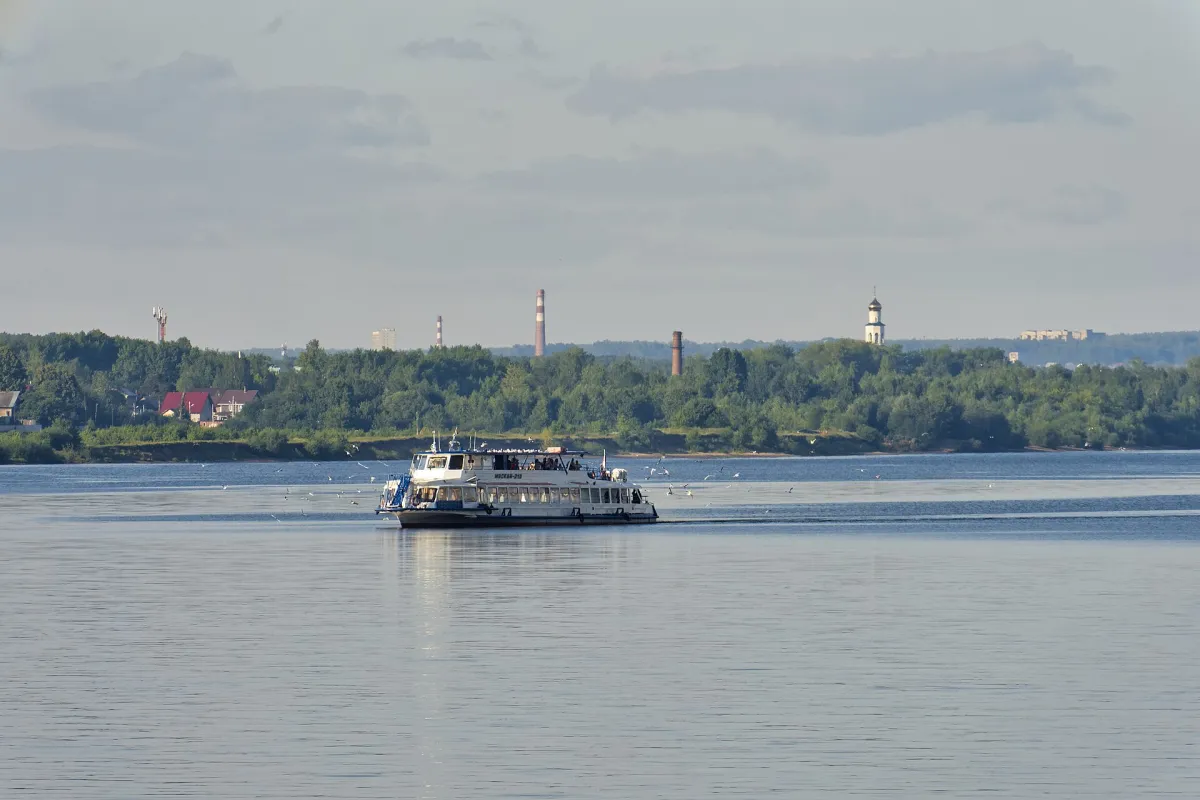

Perm’s setting on the Kama and its strong performing-arts tradition make it a cultural-city choice. The city is also associated with Permian-period geology, but geological sites, museums and regional landscapes are separate visits. It can suit travellers who enjoy regional collections and a less familiar urban setting.
Check current museum addresses: collections and exhibition venues can move during building works. A distant excursion should not be described as part of a short central walk. Use the Perm regional tourism portal for current destination context.
Krasnoyarsk


Krasnoyarsk offers a large Yenisei-city setting with a separate protected-rock landscape at Stolby. It suits a trip combining an urban arrival day with a fully planned outdoor day, rather than adding a national park between long transfers. The river’s scale and surrounding relief are defining features.
Stolby trails vary in effort and conditions; the name does not imply a universal easy walk. Choose a route using Krasnoyarsk Stolby National Park and check the approach and return before leaving the city.
Novosibirsk
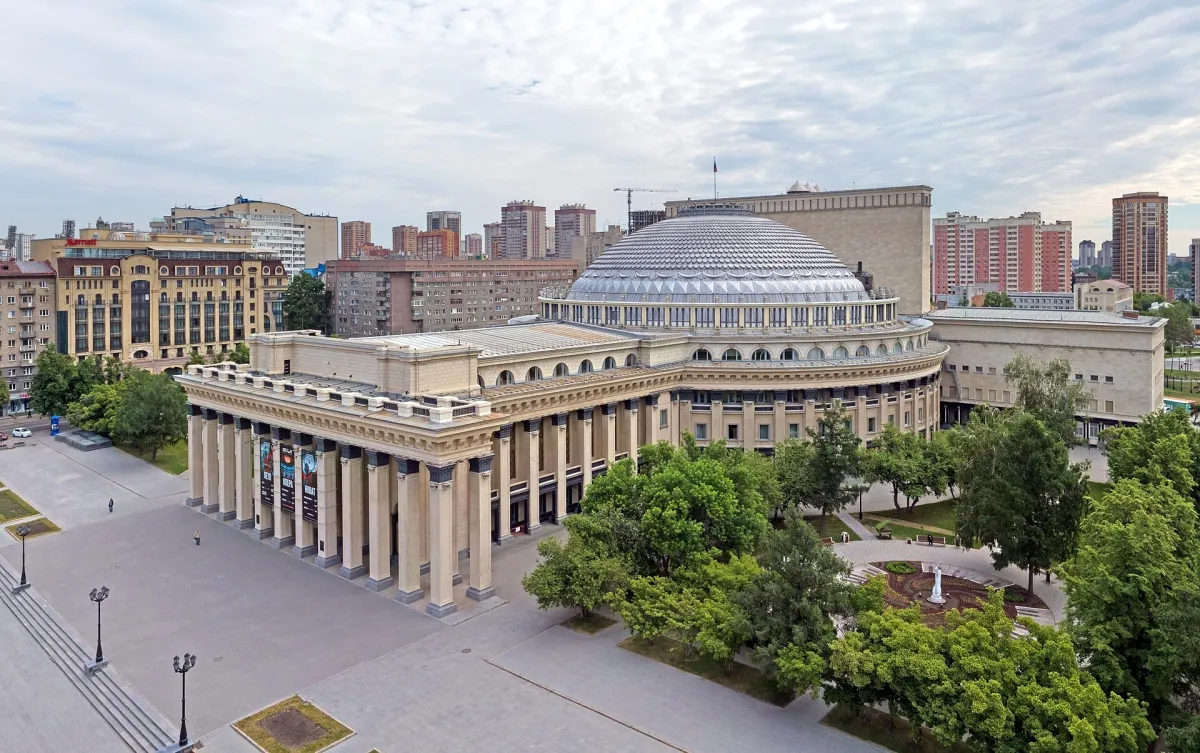

Novosibirsk is a major Siberian city whose opera theatre, regional collections and broad urban scale provide a different focus from older wooden towns. It can serve a transport or business itinerary with cultural time built in. Akademgorodok is a separate district and purpose for a visit.
Allow for cross-city travel and choose the actual performance or museum building. A stop on a long railway journey is not automatically a full sightseeing day. Check the Novosibirsk Opera and Ballet Theatre for its programme rather than relying on the building’s landmark status.
Tomsk


Tomsk is especially rewarding for wooden-house architecture, university-city streets and the contrast between decorated timber façades and substantial civic buildings. It suits travellers willing to slow down and look closely at details rather than move between only headline monuments. Many attractive houses remain homes or working buildings.
Keep to public streets and avoid entering courtyards without permission. Rail and air connections need their own plan; Tomsk is not simply an automatic platform stop on every main Trans-Siberian service. Tomsk regional museum provides historical context and exhibition information.
Baikal, Altai & the Far East
Altai / Katun Valley


The Altai’s river valleys and mountain landscapes support a very different journey from a city pair. The Katun corridor can provide a geographical focus, while Lake Teletskoye and high mountain areas involve other approaches. Choose a valley and level of activity before selecting accommodation.
A dramatic road photograph does not establish rental permission, weather suitability or access to a remote trail. Borders, protected areas and remote services require specific checks. UNESCO’s Golden Mountains of Altai describes the protected heritage components, not an all-purpose driving itinerary.
Ulan-Ude & Buryatia
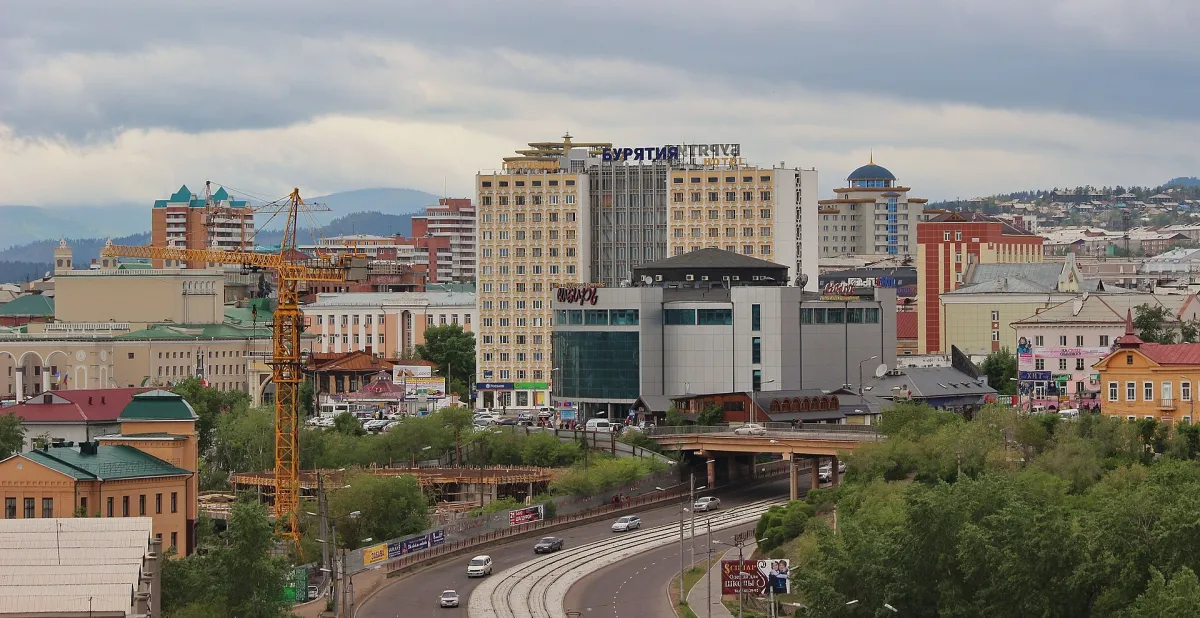

Ulan-Ude offers a Buryat cultural context, regional museums and a different gateway to the eastern side of the Baikal region. Ivolginsky Datsan is a separate religious-site visit outside the city. This destination is strongest when Buryat history, Buddhism and regional food are part of the purpose.
Do not treat Ulan-Ude, Irkutsk and all Baikal shores as neighbouring city sights. Plan the actual rail, road or air connection and shore base. Respect worship rules and ask before photographing rituals. Buryatia’s tourism portal provides regional context.
Kamchatka
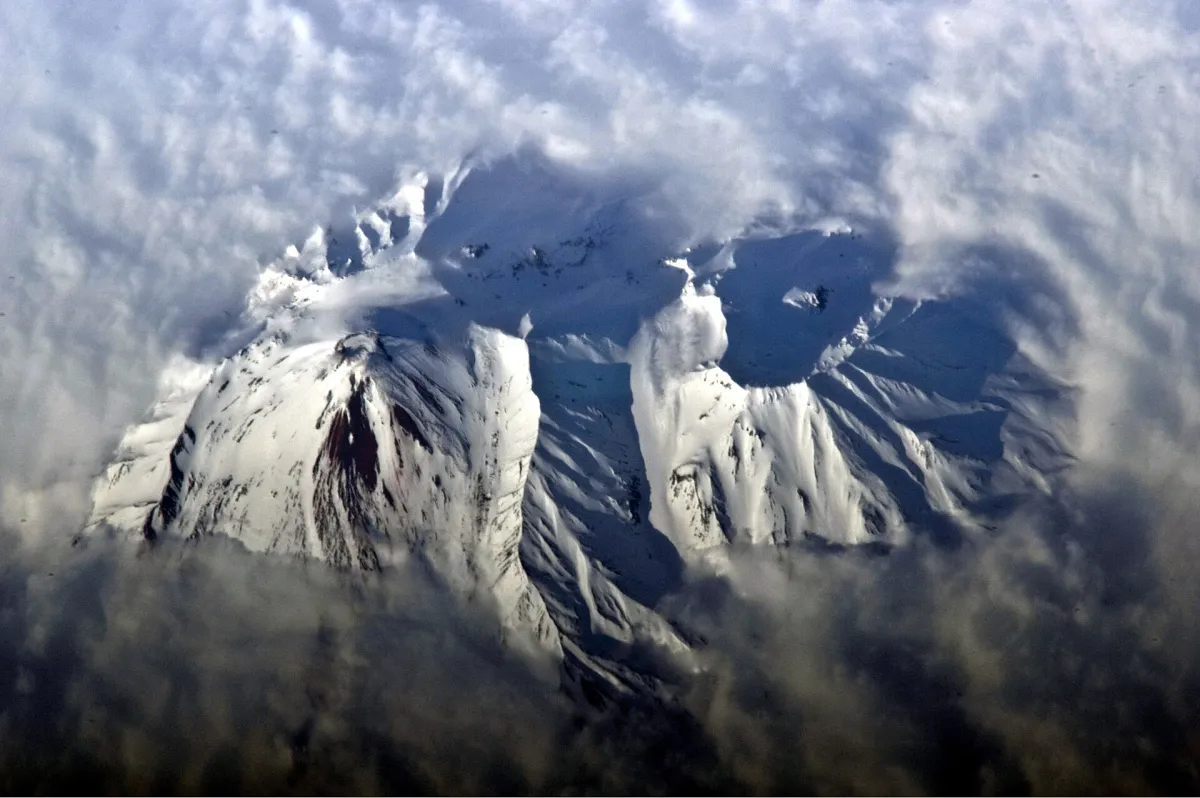

Kamchatka’s volcanoes and Pacific landscapes are a specialist regional journey, not an add-on day to Vladivostok. Petropavlovsk-Kamchatsky is an arrival base; particular volcanoes, protected areas and wildlife locations require different logistics. The appeal is geological scale and a remote maritime environment.
Weather, permits, volcanic conditions, guide arrangements and emergency support can determine whether an outing operates. No wildlife sighting or access is guaranteed. UNESCO describes the volcanic heritage; consult the actual protected-area authority and authorised operator for a proposed visit.
Sakhalin
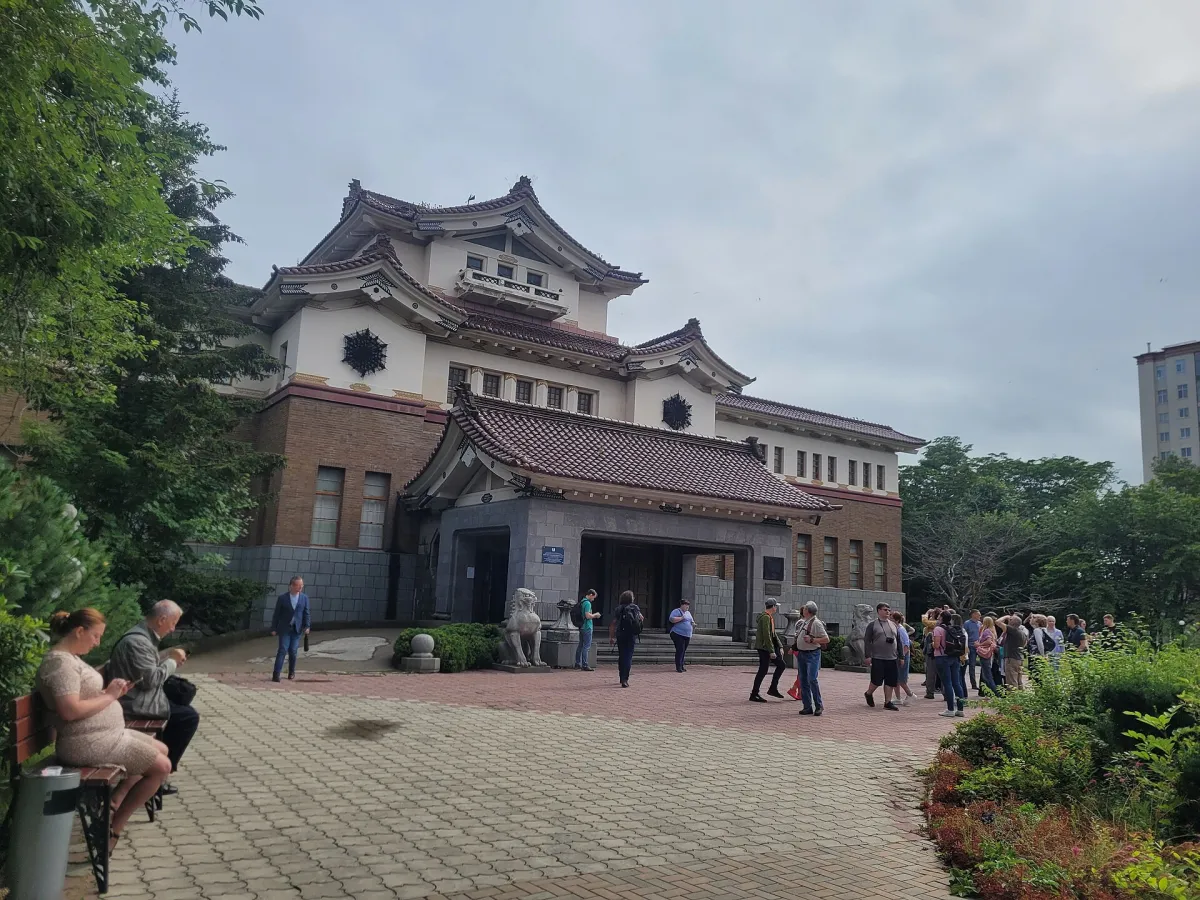

Sakhalin is an island destination with a distinct regional history, a city base at Yuzhno-Sakhalinsk and widely separated coastal landscapes. It suits a dedicated island visit with time for weather and road conditions, rather than a brief extension described only by an attractive lighthouse photograph.
Some coastal outings involve rough roads, boats or controlled areas. Select the actual place and access arrangements; do not infer a bookable excursion from an image. The Sakhalin regional museum provides a useful historical starting point in the city.
Chukotka / Anadyr
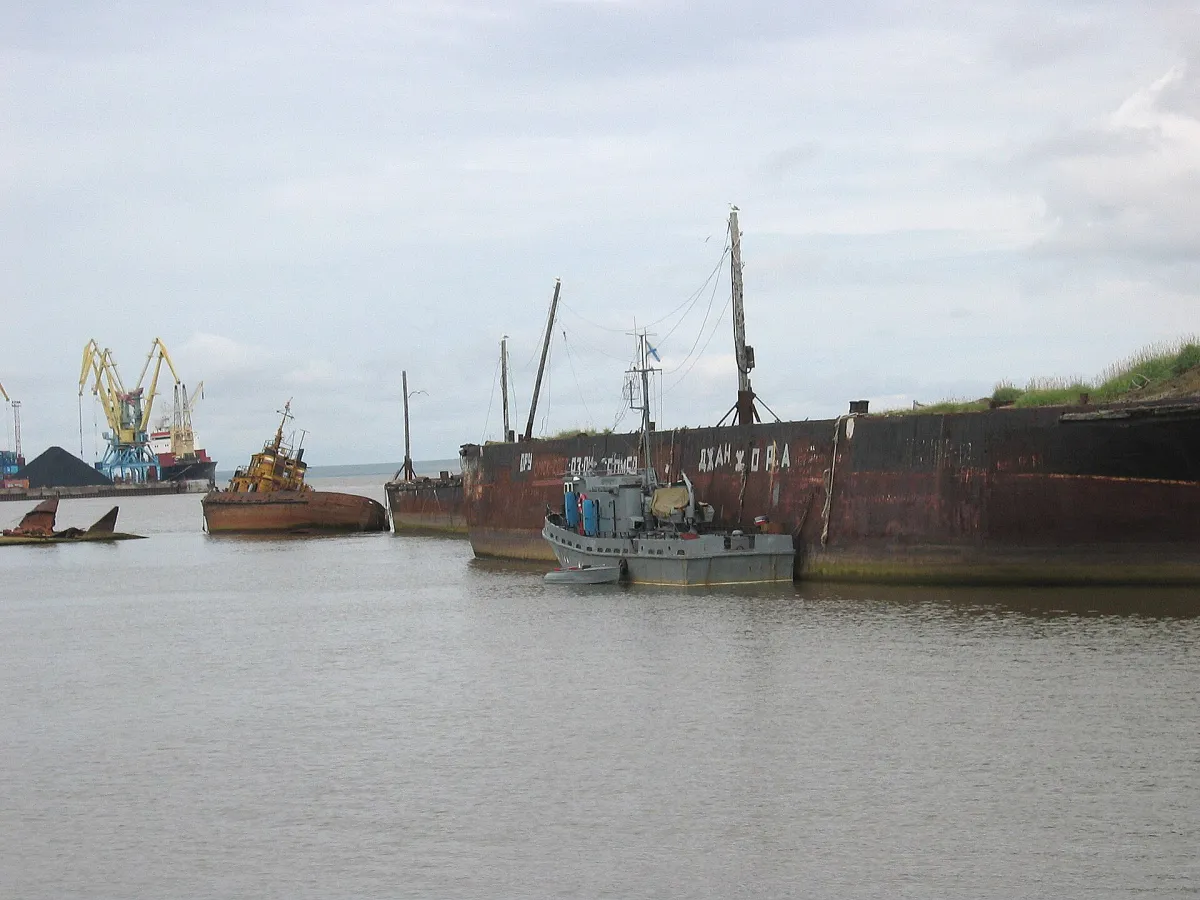

Chukotka is included to show Russia’s far-eastern extent across the 180-degree meridian, not as an easy independent-travel suggestion. Anadyr’s Arctic settlement context is very different from Moscow, Baikal or a conventional resort. A trip here needs a specific purpose and specialist preparation.
Foreign-visitor permissions, controlled areas, transport and weather can be decisive. Confirm eligibility and access before any payment; do not turn a map label into permission to enter. Beringia National Park is a source for its own protected areas, not permission for all of Chukotka.
Choose destinations that belong in the same trip
On small screens, scroll the table horizontally to read both columns.
| Focus | Coherent approach |
|---|---|
| Moscow & Golden Ring | Choose one or two towns with real overnight/transfer time; do not string every town into a day. |
| Saint Petersburg & northwest | One city base plus selected palace days; Pskov, Karelia and islands need separate travel time. |
| Volga & Tatarstan | Choose city pairs using actual rail/road services; Bolgar and Sviyazhsk are separate excursions. |
| Baikal or Altai | A regional trip with a named valley/shore base and weather margin. |
| Far East & Arctic | Dedicated journeys; permissions, transport and emergency support come before optional sightseeing. |
Use the map to understand the complete country, Things to Do to choose experiences, and Where to Stay to compare actual bases.
Other regions and specialist journeys
Use the northern, Siberian and Far Eastern sections above to choose a dedicated regional journey. A specialist operator’s proposed route still needs named arrival and return arrangements, access permissions and appropriate local support. Keep distant regions as separate trip decisions rather than adding them to a western-city circuit.
Destination planning checklist
Choose the purpose and geographical focus first. Name the arrival city, each overnight base and every transfer day; then verify actual transport, current local access and a workable return. Compare documents, insurance, lawful payment and accommodation registration separately. Leave a weather alternative and enough time to change plans before committing to optional sights.