
RUSSIA · COUNTRY GUIDE
Russia Fast Facts & Travel Essentials
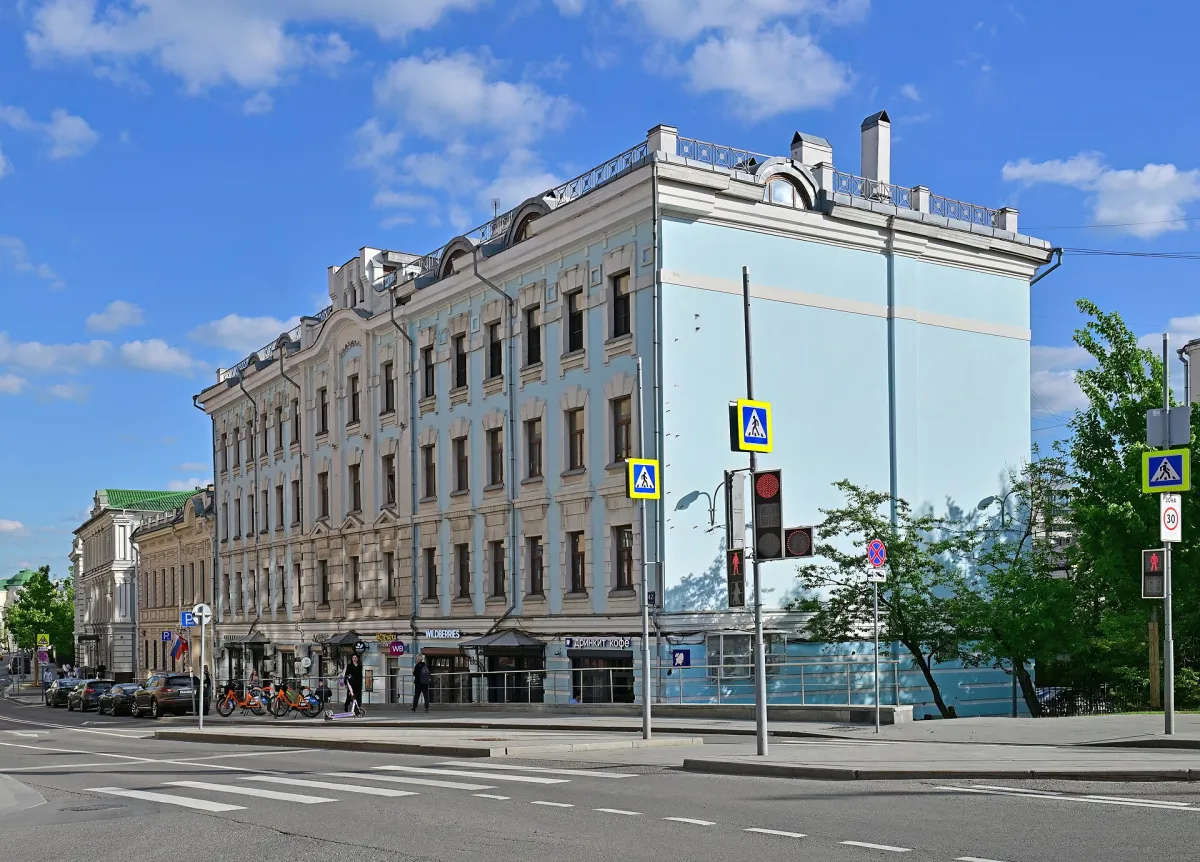

Practical preparation for Russia starts with documents, communication and a workable way to pay. This page brings together fast facts and the checks that determine whether a necessary journey can proceed. Nationality matters: a rule for a British passport holder is not automatically the rule for an American, an EU national or a person who also holds Russian citizenship.
The UK advises against all travel to Russia and the US classifies it as Level 4, Do Not Travel. Read current FCDO advice and the US advisory, alongside your own government's guidance. Information was checked on 22 October 2026. Check again before paying and before departure.
Russia fast facts
On small screens, scroll the table horizontally to read both columns.
| Subject | Practical meaning |
|---|---|
| Capital | Moscow; it is not the country's only major international arrival point. |
| Currency | Russian rouble, RUB. Compare and record prices in the currency actually charged. |
| Language | Russian uses Cyrillic. Save addresses and station names in Russian as well as a translation. |
| Time | Russia spans eleven time zones. Read the local date and time on each ticket instead of extending Moscow time across the country. |
| Geography | European Russia and Asian Russia are connected over immense distances; an overnight train is not a shortcut to every region. |
| Electricity | Common sockets are types C and F, with 220 V/50 Hz supply. Check appliance compatibility and earth requirements. |
| Emergency assistance | 112 is the general emergency number. A working device, service and precise location remain important. |
| Payment | Foreign-issued Visa and Mastercard do not work at Russian shops or ATMs. Confirm any other method directly. |
Administrative names, street names and transliterations can vary across maps and tickets. Save the exact destination supplied by your host, including entrance and apartment number. A map pin alone may place you on the wrong side of a large block or inside a closed courtyard. When asking for help, show the Russian text rather than relying only on an English pronunciation.
Visa and entry: check your own passport
The Russian authorities decide entry and visa rules. Begin with the Russian Ministry of Foreign Affairs e-visa portal or the relevant Russian consulate. Eligibility is nationality-specific. Do not infer that being resident in the EU, having a Schengen visa or travelling with an eligible companion gives you the same permission.
At the time checked, the unified e-visa portal describes a single-entry visa valid for 120 days from issue, with a permitted stay of up to 30 days within that validity. Arrival and departure days both count. It accepts applications no earlier than 86 days and no later than four days before expected entry. Use the portal's own calculator and instructions; a 120-day validity period does not mean a 120-day visit.
Only listed nationalities and designated border crossing points qualify. The United States and United Kingdom are not listed as eligible for this unified e-visa at the time checked. Check the live list rather than relying on an agency's nationality selector. A traveller who needs a regular visa must follow the correct consular route, including supporting documents and biometrics where applicable. The e-visa application rules do not remove those requirements for another visa category.
The e-visa portal states that an invitation or hotel booking confirmation is not required for its application. That statement concerns the application category, not a general exemption from accommodation registration or questions at the border. Check passport validity, medical-insurance requirements, the purpose allowed by the visa and any restrictions on the places you intend to visit.
The FCDO entry page is expressly written for British citizen passport holders. It currently specifies passport validity extending at least six months beyond visa expiry and warns about immigration enforcement and questioning. Other passport holders should use their own consular and Russian-authority sources instead of adopting that nationality-specific rule without checking.
Arrival, immigration documents and registration
Prepare for questioning and biometric procedures. Keep your itinerary, accommodation confirmation, return or onward arrangements and an offline contact for your host accessible. Read the current instructions for your arrival point; do not assume that a previous visit establishes today's procedure. Your name and passport details should match the documents used for all transport and accommodation bookings.
Keep any migration or immigration document issued at the border and check that the recorded details are correct. The receiving accommodation normally has a role in migration registration; ask what it will do, what proof it provides and what changes when you move. A private apartment host's willingness to rent a room does not demonstrate that the registration arrangements are satisfactory.
Visa-free entry, an e-visa and a regular visa are different bases of stay. Some pre-arrival or experimental registration measures concern particular traveller categories and dates. Check the current Russian-authority instructions for your own category instead of applying a blanket rule from social media. Do not treat a portal account or app registration as an issued visa.
Dual nationality and travel with children
People with Russian citizenship or a possible claim to it need specific advice before travel. Russian authorities may treat them solely as Russian citizens, which can limit foreign consular assistance. Military-service and exit restrictions can be relevant. A foreign passport does not automatically remove those obligations or ensure departure.
For children, check each child's passport, visa, nationality and any required consent documents. Requirements can differ on leaving Russia and on entering the next country. Do not assume that sharing a surname or appearing on a parent's booking resolves the documentation. Seek the relevant official guidance where citizenship or family circumstances make the case complicated.
Travel costs and money
The practical constraint is access to funds, not only the advertised price of a room or meal. The FCDO confirms that foreign-issued Visa and Mastercard cards do not work at Russian shops or ATMs. An international card accepted by an overseas intermediary does not establish that it will work after arrival. Ask the actual hotel or provider how it accepts payment, in which currency, and how refunds are returned.
Build a short-trip budget from real quotes rather than a national daily average. Include the room, transfers, local transport, meals, admissions and an emergency margin. Keep international travel, visas and insurance separate so that a cheap daily estimate does not conceal large upfront costs. If you cannot lawfully and reliably fund the journey and an unplanned extension, the budget is not ready.
On small screens, scroll the table horizontally to read both columns.
| Budget item | What to compare before committing |
|---|---|
| Accommodation | Total for the actual guests and nights; breakfast, cancellation, deposits and payment timing. |
| Arrival and departure | Exact airport or station, terminal, luggage, vehicle capacity and a late-arrival alternative. |
| Local travel | The complete trip to the destination, including last approach and return, rather than one advertised rail fare. |
| Food and admissions | A realistic combination of ordinary meals and selected visits; check each building or performance separately. |
| Contingency | Additional accommodation, changed exit transport and communication if the original arrangements fail. |
Russia uses roubles for ordinary domestic transactions. Check current customs rules for cash, including declarations and export restrictions, and any sanctions that apply to you. Do not rely on informal currency exchange or an online suggestion for bypassing banking restrictions. Legal availability, technical payment acceptance and consumer protection are separate questions.
For an extended visit, read Longer Stays & Costs. It deals with deposits, utilities, cooking and recurring expenses; those are different decisions from a short sightseeing budget. This guide does not provide investment, exchange-rate or sanctions advice.
Communication, mobile service and offline preparation
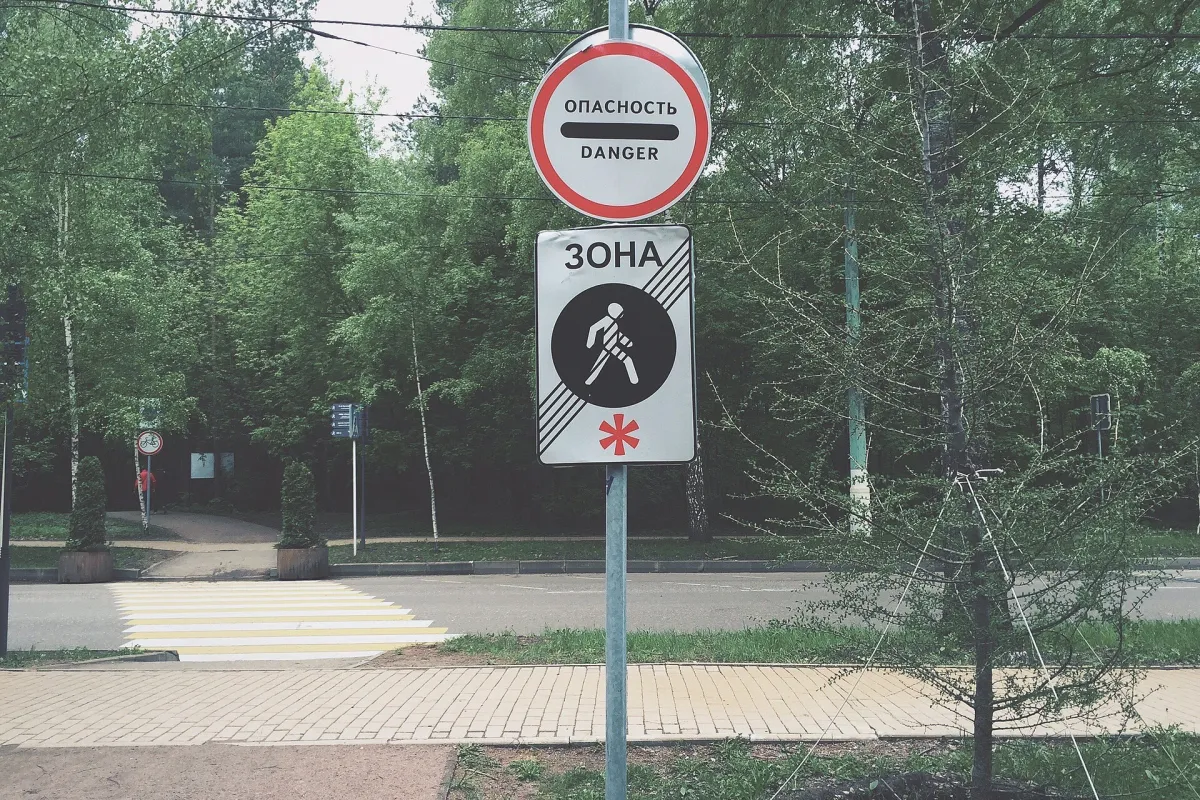

Do not make a working mobile-data connection the single point of failure for your arrival. Current FCDO guidance warns of restrictions affecting foreign SIM cards, and obtaining local mobile service can involve identity and biometric requirements. Check your provider's roaming support and the current local process before assuming that buying a SIM at the airport will be simple.
Save the accommodation address, transfer instructions, ticket barcodes, a basic map and important telephone numbers offline. Carry a charged power bank where airline rules permit it. Establish a check-in arrangement with a trusted person at home and agree how you will respond if data or messaging is unavailable. A phone number and a familiar meeting point can be more useful than another app.
Some websites and services are blocked or unreliable. Download essential booking records before departure and keep a separate copy of key documents. Access controls and local law still apply; do not assume that a connectivity product makes restricted activity lawful. Avoid storing unnecessary sensitive material on a device used for travel.
Family travel and accessibility
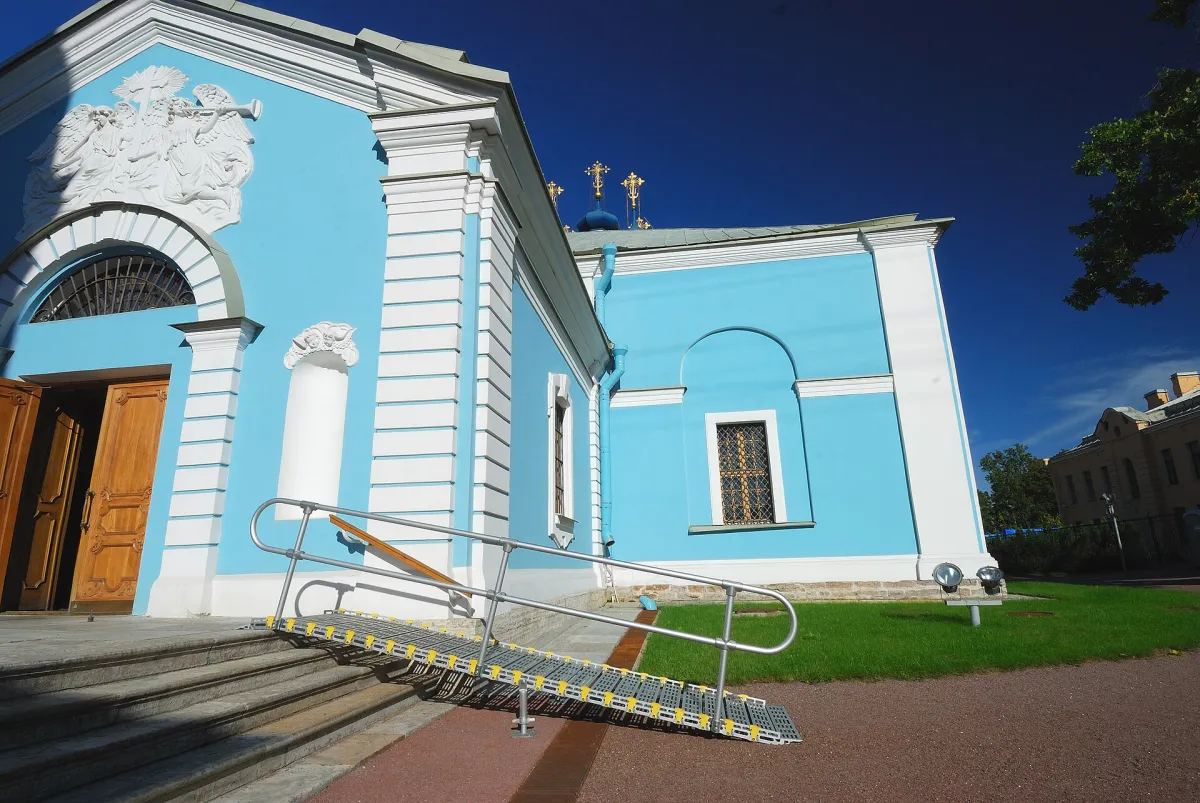

Ask about the actual route from street to room: entrance steps, lift dimensions, stairs after the lift, doorway width and bathroom arrangement. A listing described as central or modern does not answer those questions. In historic buildings, the accessible entrance may be separate or require staff assistance. Obtain written instructions rather than relying on a general accessibility icon.
For public transport, check the station entrance, interchange and exit, not simply whether the network has lifts somewhere. Deep metro stations and lengthy corridors can be difficult with luggage, a pushchair or limited stamina. An arranged vehicle may simplify a particular transfer, but confirm the vehicle and assistance available. Allow extra time without promising that every obstacle can be removed.
Families benefit from fewer hotel changes, shorter museum selections and predictable meal breaks. Confirm bedding, child occupancy and car seats directly with each provider. Keep children away from unprotected waterfront edges, construction and icy steps. If medication, a restricted diet or a mobility device is essential, arrange the supply, storage and support before travel rather than expecting a local purchase to solve the problem.
Useful contacts and getting the right help
On small screens, scroll the table horizontally to read both columns.
| Need | Start here and what to have ready |
|---|---|
| Immediate emergency | Call 112. Give city, street, building, entrance and the nature of the emergency as clearly as possible. |
| British consular assistance | Use FCDO getting help, which lists the current contact route and limits of support. |
| US citizen assistance | Use the US Russia advisory and its embassy links for current arrangements. |
| Entry or visa question | Use the Russian MFA portal or the consulate responsible for your nationality and visa type. |
| Rail journey | Contact Russian Railways through the booking record or official site; have train, date, station and passenger document details ready. |
| Hotel arrival or registration | Contact the accommodation through a verified number from its official site or confirmed booking. Have the Russian address and reservation reference ready. |
For a non-emergency problem, identify who can actually resolve it. A museum cannot alter a visa, an embassy cannot guarantee admission, and a hotel cannot promise that a flight will run. Keep reservation references and a short account of the problem so that you can explain it without repeatedly sharing unnecessary personal data.
A final document check
Before leaving, compare passport and visa details against every booking, confirm the first night's reception and payment method, and check the exit route. Keep an offline record of your insurance assistance contact and its Russia-specific terms. Recheck the official advice even if the journey was arranged months earlier.
On each move, allow time for check-out, station or airport procedures and registration at the next accommodation. Keep migration paperwork accessible and retain relevant receipts. A necessary journey is easier to manage when administrative steps are part of the itinerary instead of tasks postponed until departure day.