
RUSSIA · COUNTRY GUIDE
Responsible Travel in Russia
Responsible travel in Russia starts with an honest decision about whether to travel, who benefits from a purchase and how a visit affects a living place. A low-waste packing list does not resolve the wider security and ethical context. Use this page for practical conduct, cultural respect and conservation decisions alongside current official advice.
Read current travel advice before making commitments. UK advice is against all travel to Russia; the US advisory is Level 4. Entry, insurance and payment access are separate from whether an institution or service is operating.
Decide before you book
Read your own government’s current advice, consider the purpose and necessity of travel, and check whether insurance and consular support fit the actual journey. A hotel, museum or tour being available is not evidence that travel is advisable. For dual nationals or people with particular legal exposure, generic travel content cannot settle the decision.
Understand the supplier, contracting party, payment route and applicable restrictions before committing. Do not use an unfamiliar intermediary to evade a provider restriction or a legal requirement. If reliable information is missing, postponing an optional outing or visit is a legitimate choice.
Heritage buildings are living places
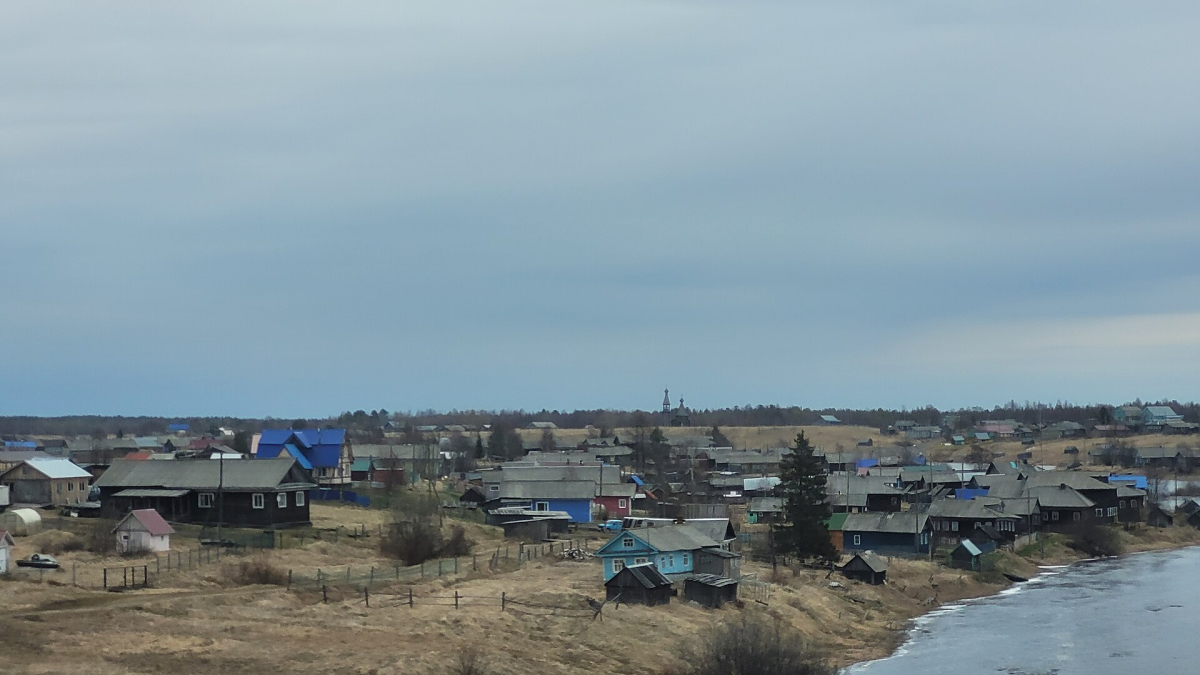
Churches, monasteries, Buddhist sites, village chapels and old residential streets are not simply visual attractions. Observe worship without blocking entrances, follow dress and shoe requirements, and ask before photographing ceremonies or individuals. A ticket to a museum in a religious ensemble does not create access to every active worship space.
In timber villages and historic streets, keep to public paths and ask before entering a courtyard. Do not lean on fragile structures, remove objects or stage a photograph with somebody’s property. Read interpretation about relocation, reconstruction and restoration instead of presenting every building as untouched or in its original place.
Photograph people and sensitive places carefully
Ask people before making close portraits, particularly children, workers, worshippers or members of small communities. Explain the intended use where that matters. Permission for a personal photograph is not automatically permission for commercial publication or a staged performance.
Follow local rules around transport, borders, military and security facilities. Do not assume drones are permitted because a landscape is open or a photograph was made there years ago. Indoor museums distinguish handheld photography, flash, tripods and commercial use; obey the actual signs and staff instructions. See Photos & Photo Spots for setting-specific research.
Keep protected landscapes intact
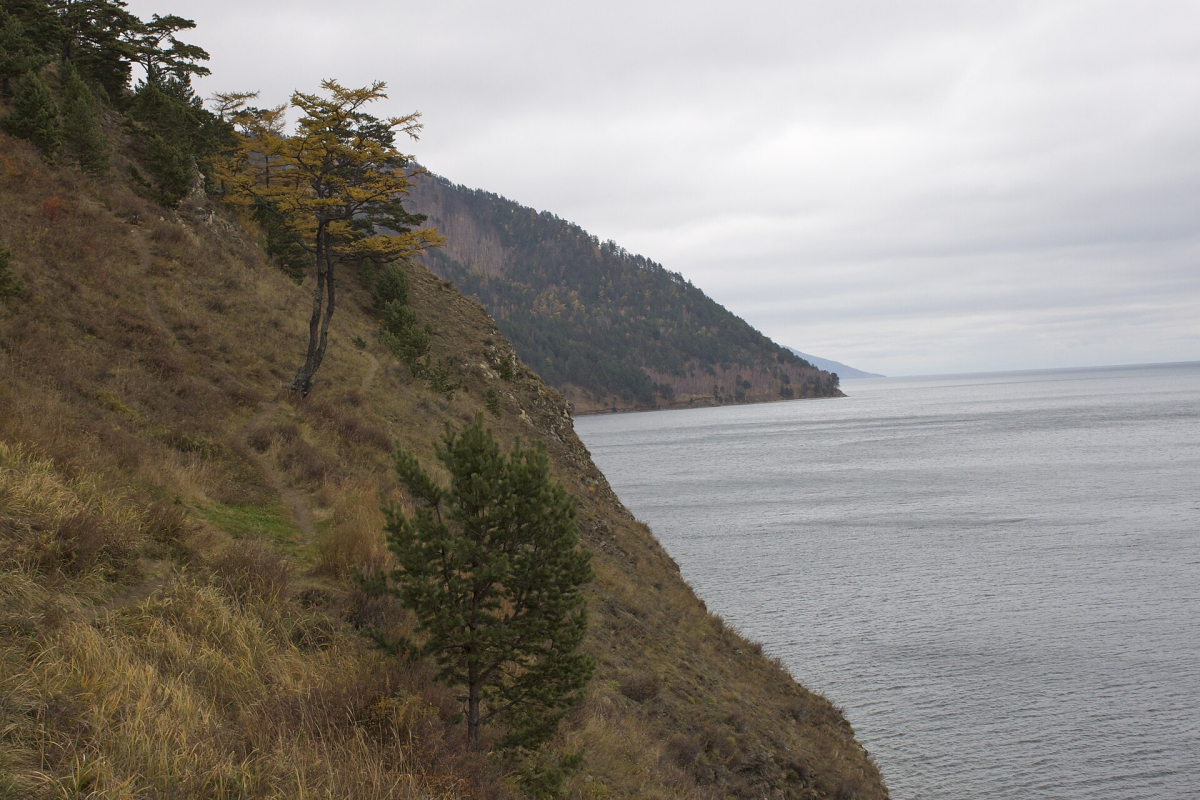
Use marked authorised routes, keep to boardwalks on dunes and avoid widening a trail to get around mud. Fragile soil and slow-growing vegetation can be damaged by a single shortcut. A national-park boundary does not mean unrestricted hiking, camping, fishing or driving.
Check the authority for the actual area and date. Baikal has several different jurisdictions; a permit from one does not cover the whole lake. Fire controls, seasonal closures and visitor quotas can change the plan. Follow the Walking & National Parks guide to identify the relevant authority rather than copying another region’s rules.
Water, waste and the Baikal shore
Carry waste out, including food scraps and small packaging, and use proper sanitation facilities. Do not wash dishes, yourself or clothing directly in a lake or river using detergent. A product described as biodegradable is not a reason to put it into water. Ask accommodation how drinking water, wastewater and rubbish are actually managed rather than accepting an unsupported eco label.
Bring a reusable bottle where safe drinking-water refill is available, but confirm water safety instead of assuming every clear spring or lake is potable. Stay away from closed or eroding shore sections. Cold water and ice access are safety questions as well as conservation questions; a scenic shore is not automatically suitable for swimming.
Wildlife is not a promised encounter
Do not feed, bait, touch, follow or crowd wildlife. Keep food secure and follow the protected-area authority’s distance and guide rules. A viewing operator should be able to explain how visits avoid disturbing the animals, what happens when conditions are unsuitable and why a sighting cannot be guaranteed.
Avoid purchasing products made from protected species or objects with unclear legal origin. A market stall or souvenir label is not proof of export permission. In remote areas, use a competent authorised operator where required and choose activities that do not depend on forcing close encounters.
Buy craft for the maker and the method
Ask who made an object, where and by which method. Regional painted wood, ceramics, textiles and other craft can be meaningful purchases when the seller can explain the maker and origin. A familiar place name on a label does not prove local production, handwork or an antique’s legitimacy.
Choose manageable items with appropriate packaging and a receipt. Check export/import rules for art, antiques, food and natural materials before buying; do not rely on a seller’s verbal assurance. Avoid bargaining that becomes disrespectful, photographing a workshop without permission or treating a maker’s working time as free entertainment.
Make transport and stays more deliberate
Choose a compact geographical area and fewer transfers when the purpose of the trip allows. Compare actual rail, road and air services rather than claiming every rail journey or a particular hotel is automatically sustainable. A longer stay in one base can reduce repeated travel, but safety, access and the necessity of the journey still come first.
At accommodation, ask about a usable kitchen, laundry, heating/cooling and the repeated local journey. Use resources sensibly, respect residents’ quiet hours and follow registration requirements. Do not describe a property as carbon-neutral, energy-efficient or community-run without evidence.
Respect difficult history and contemporary lives
Sites connected with repression, war, exile or human remains call for restraint and attention to interpretation. Avoid celebratory posing, trivialising captions and staged images that disregard the people connected with the place. Read more than a single display when historical interpretations differ.
Use the names and descriptions communities use for themselves where you can verify them. Do not present Russia’s many peoples and regions as one uniform culture or assume an old costume display represents everybody’s present-day life. Practical respect means listening, asking and accepting when access or photography is declined.
A useful check before each outing
On small screens, scroll the table horizontally to read both columns.
| Question | Practical action |
|---|---|
| Is the visit appropriate now? | Recheck official advice, necessity, insurance and legal restrictions. |
| Is access actually permitted? | Use the responsible institution or protected-area authority. |
| Who benefits from the purchase? | Identify the supplier, maker and contracting party. |
| What could the visit disturb? | Protect worship, residents, fragile surfaces and wildlife. |
| What if the plan changes? | Leave a modest local alternative and a realistic return. |
This is a decision framework, not certification of any supplier. A responsible-looking photograph, label or itinerary is not proof of present conditions.


