
RUSSIA · COUNTRY GUIDE
Things to Do in Russia
Choose an experience for what you want to spend time doing, not simply for a famous name. A focused art visit, a seasonal boat outing and a day among wooden buildings involve different levels of walking, booking and transport. This page compares five experiences and then explains the separate checks for walking and national parks. Top Destinations covers the places themselves.
Read current travel advice before considering a journey. The UK advises against all travel to Russia and the US advisory is Level 4, Do Not Travel. These researched ideas are not a statement that travel is safe or covered by insurance. Confirm the entry, payment and exit arrangements before booking optional activities.
Choose an experience
| Experience | Suits which interest and what to check |
|---|---|
| A focused Tretyakov Gallery visit | Art and cultural history. Select the correct collection and building, then check current admission and photography rules. |
| Saint Petersburg from the water | Urban form and waterways. Verify the actual operator, landing, season, weather policy and return point. |
| Suzdal's wooden architecture | Buildings and rural-history interpretation at a slower pace. Check museum access and the road connection. |
| A Mariinsky performance | Music, opera or ballet. Choose the production and exact venue, with a workable evening return. |
| A modest Baikal shore day | Landscape and freshwater context. Choose the actual shore base and keep the route within current authorised access. |
Five experiences with different planning needs
Study a selected Tretyakov collection
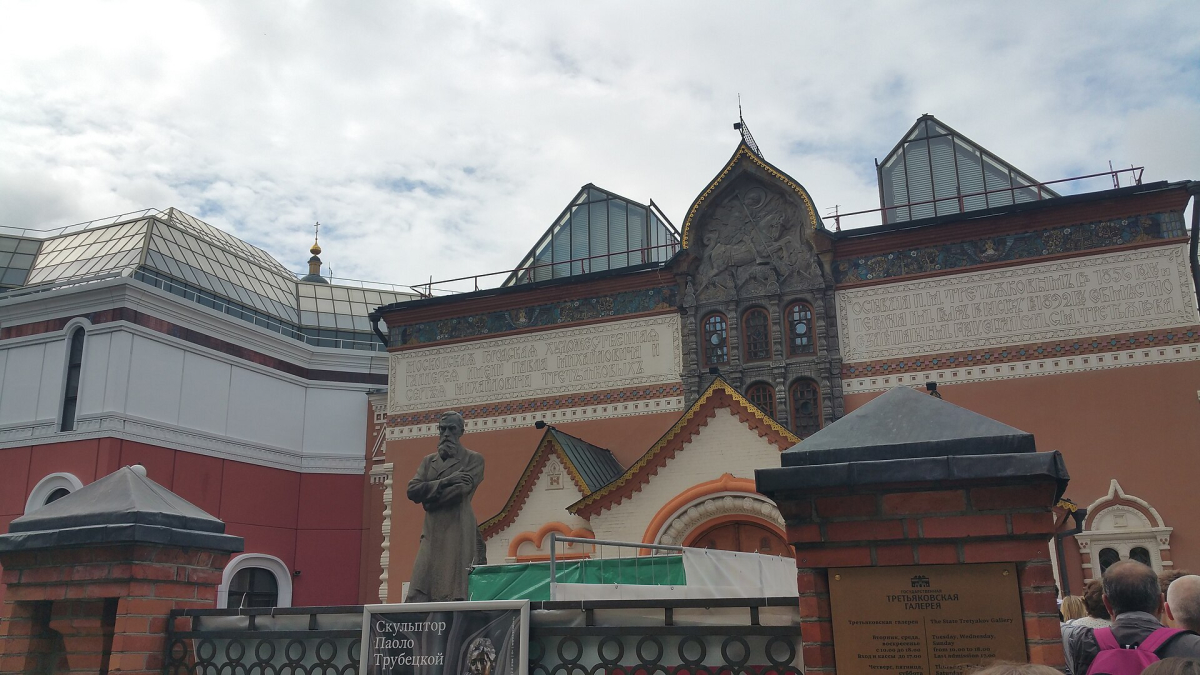
The Tretyakov Gallery offers an opportunity to spend time with a particular period or artistic question rather than rushing through a general museum checklist. Choose the works or collection focus that interests you, then identify the relevant building on the official gallery site. The main historic gallery, New Tretyakov and other sites are not interchangeable entrances for every exhibition.
Allow a focused half-day as an editorial planning estimate, adjusting for your interest and stamina. Pick a small number of rooms or themes, take a break and leave nearby streets as an optional extension. Families may prefer a short selection with one discussion or drawing activity rather than trying to see the full collection. Confirm the accessible route and assistance directly if needed.
Check the current ticket category, exhibition inclusion, security and photography rules. A collection description does not guarantee that an individual work is on view. In poor weather, the gallery can be an indoor anchor, but the approach and queues still matter. Do not attach a tightly timed second museum across the city to an open-ended art visit.
See Saint Petersburg's waterways from an operating boat
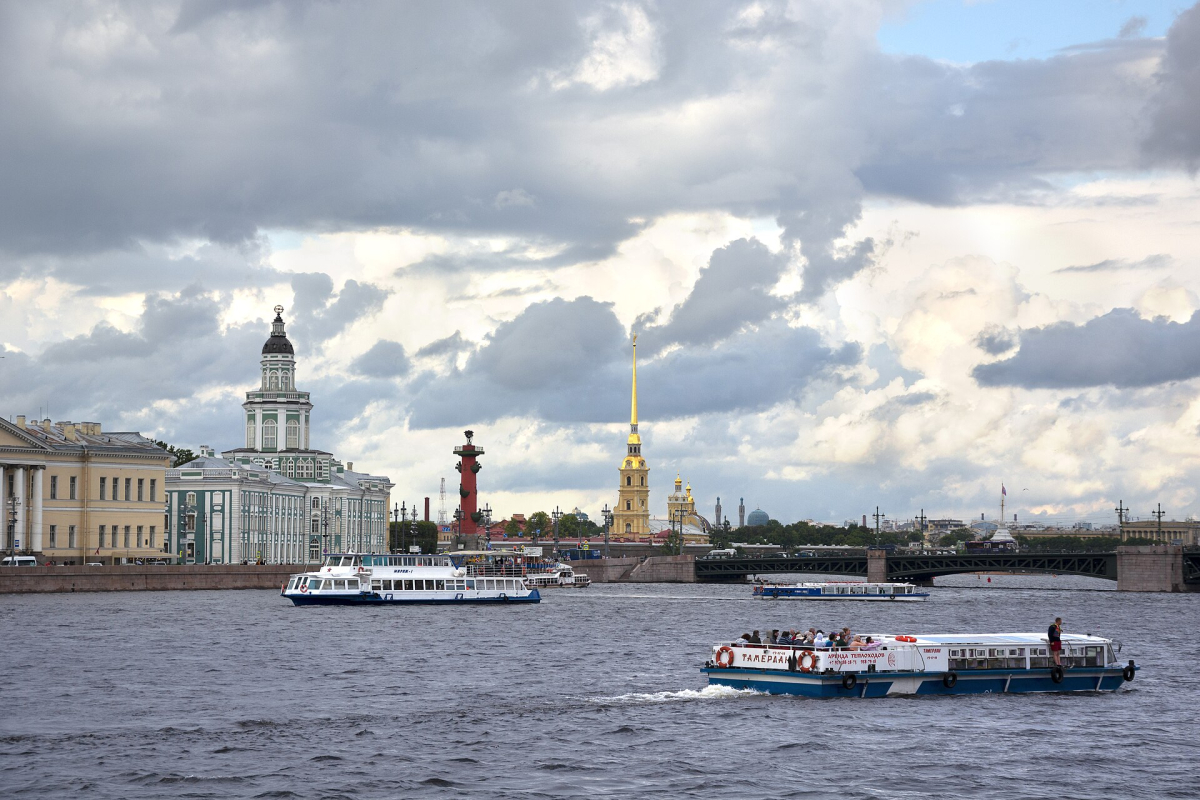
A boat outing can reveal the relationship between embankments, bridges and large building ensembles from a different angle. It is a transport-based activity with an actual operator and landing, not a guaranteed extension of any waterfront walk. The photograph shows pleasure boats on the Neva; it does not identify a current departure, included route or reserved product.
Before paying, confirm the departure and return locations, language, vessel, duration and weather cancellation terms. Check whether the route uses canals, the Neva or another waterway, and whether it returns to the same point. Seasonal navigation and operating restrictions can change the offer. A nearby quay on a map is not proof that your boat departs there.
Ask about steps, boarding assistance, seating, toilets and exposure to wind if those affect the decision. Families should check child policies and required safety equipment. Keep a land-based alternative such as a short embankment walk and an indoor visit if the outing cannot operate. Use the operator's current route and ticket terms to identify the departure you are considering.
Explore wooden architecture in Suzdal
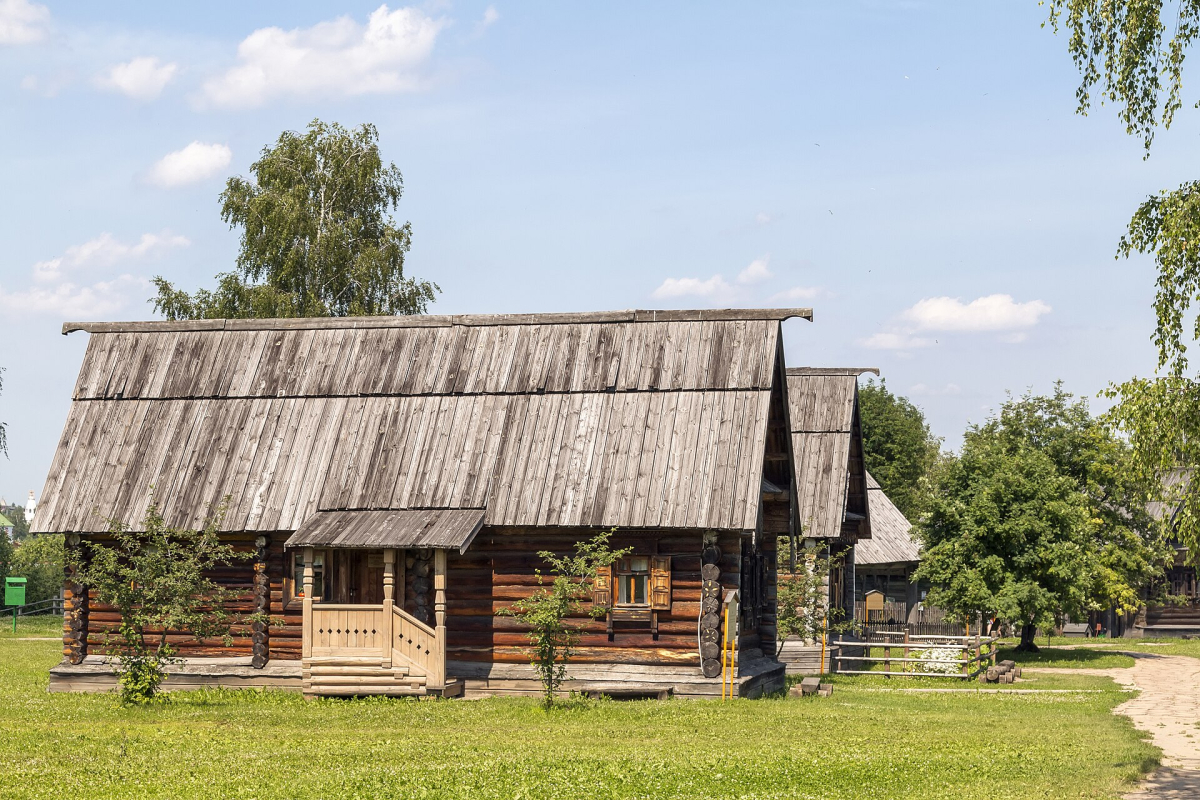
Suzdal's wooden-architecture museum setting can make construction, domestic space and rural-history interpretation more tangible than another sequence of city façades. Look at how the buildings are assembled, how roofs and entrances respond to their function, and what the museum explains about their original setting. Do not assume that every building now stands in its original location.
Check the Vladimir-Suzdal Museum Reserve for current sites, admission and opening arrangements. Plan a manageable selection and allow time for uneven ground or steps. The photograph illustrates one wooden house in the museum; it is not proof that its interior or every building is currently open. Avoid presenting an open-air site as universally accessible.
The journey is part of the day. Confirm the road connection from Vladimir and the return or overnight stay in Suzdal. A two-night base gives a full day without combining arrival, the museum and departure into one rushed sequence. In wet, icy or very hot conditions, shorten the walking portion and retain a nearby meal or indoor break.
Choose a Mariinsky performance by production and venue
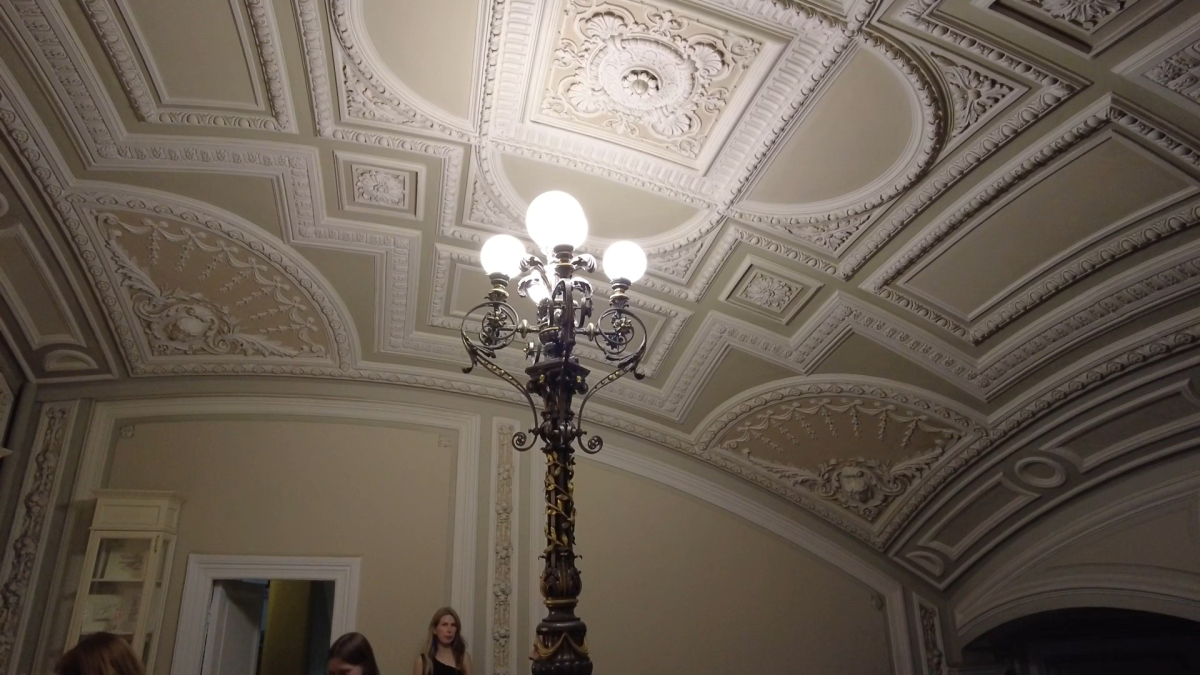
A performance is most rewarding when the production itself interests you. The Mariinsky organisation operates different venues, and a ticket can be for the historic theatre, Mariinsky II or the Concert Hall. Use the official playbill to confirm the production, date, building and any programme changes. The historic name alone does not identify the entrance.
Read language, surtitles, running-time and age guidance where available. A long opera may be a poor fit for a child or traveller who needs an early return, while a concert can have different seating and interval arrangements. Ask about accessible seats and the actual route to them before buying; the building's reputation does not establish the suitability of every seat.
Plan dinner and the journey home around the performance, with time for admission and the cloakroom where applicable. In Saint Petersburg, consider your side of the river and current late-night crossings. The photograph shows an interior ceiling in the main building, not the view from a selected seat or the venue of every performance. Check the ticket rather than inferring the auditorium from the image.
Keep a Baikal shore day modest and local
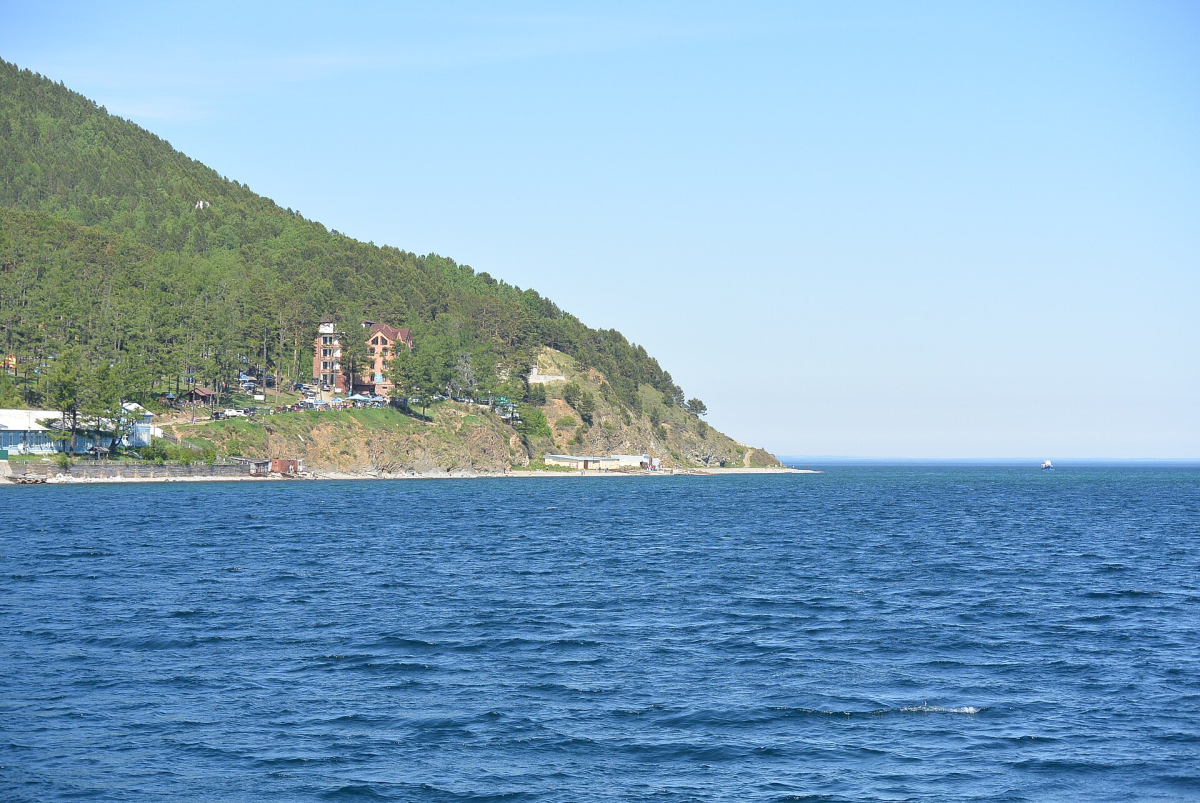
A shore day near Listvyanka can focus on the scale of the lake, changing light and freshwater context without attempting a remote expedition. Choose a short authorised route from the actual base, with a meal or indoor alternative nearby. The photograph is regional shore context; it is not a mapped walking route or a promise that every visible stretch is publicly accessible.
Confirm the approach and return with the accommodation or responsible operator. Listvyanka is not a shortcut to Olkhon or every Baikal viewpoint. Wind, cold water and seasonal conditions can change what is appropriate on the day. Do not join a long road return directly to a critical flight or assume that a brief scenic stop represents a full ecological visit.
For children or limited stamina, choose a short level section only after checking the actual surface and road crossings. Do not infer accessibility from a distant photograph. In winter, stay off ice without current authorised specialist arrangements; a shore walk and an ice excursion are different activities. See Beaches & Lake Shores for the water-specific cautions.
Walking and national parks
Russia has many protected landscapes, but a national-park label is not permission to walk anywhere within a boundary. Access, permits, conservation restrictions, fire controls and seasonal closures are managed by the responsible authority. Confirm the specific trail and date, the approach, communication and the return. Do not convert a general landscape image into a route recommendation.
For the Baikal region, identify whether your intended place falls within a managed park or reserve and use the authority responsible for it. The Zapovednoe Pribaikalye authority is a starting point for its own managed areas; it does not cover every shore of the lake. Karelia, the Urals and other regions require separate research rather than copied permit assumptions.
A city or village walk can be a more manageable choice for a short necessary visit. Group nearby stops, check surfaces and daylight, and know where to turn back. A route suitable for a fit walker in dry weather may be unsuitable with ice, a pushchair or limited balance. No distance alone establishes difficulty or accessibility.
Arrange the day before adding more stops
Confirm the main experience first: the correct museum building, operator, landing, performance venue or authorised route. Then add the last approach, food, a rest and the journey back. Treat nearby stops as optional. A paid ticket does not necessarily include transport, another building or a guide, and separate tickets do not protect a connection.
Use Where to Stay to choose a base and Getting Around for transport. If weather or access changes, replace the exposed portion with something close to the accommodation. The aim is a day with a clear purpose and workable return, rather than the longest possible list of activities.



