
RUSSIA · COUNTRY GUIDE
Restaurants in Russia
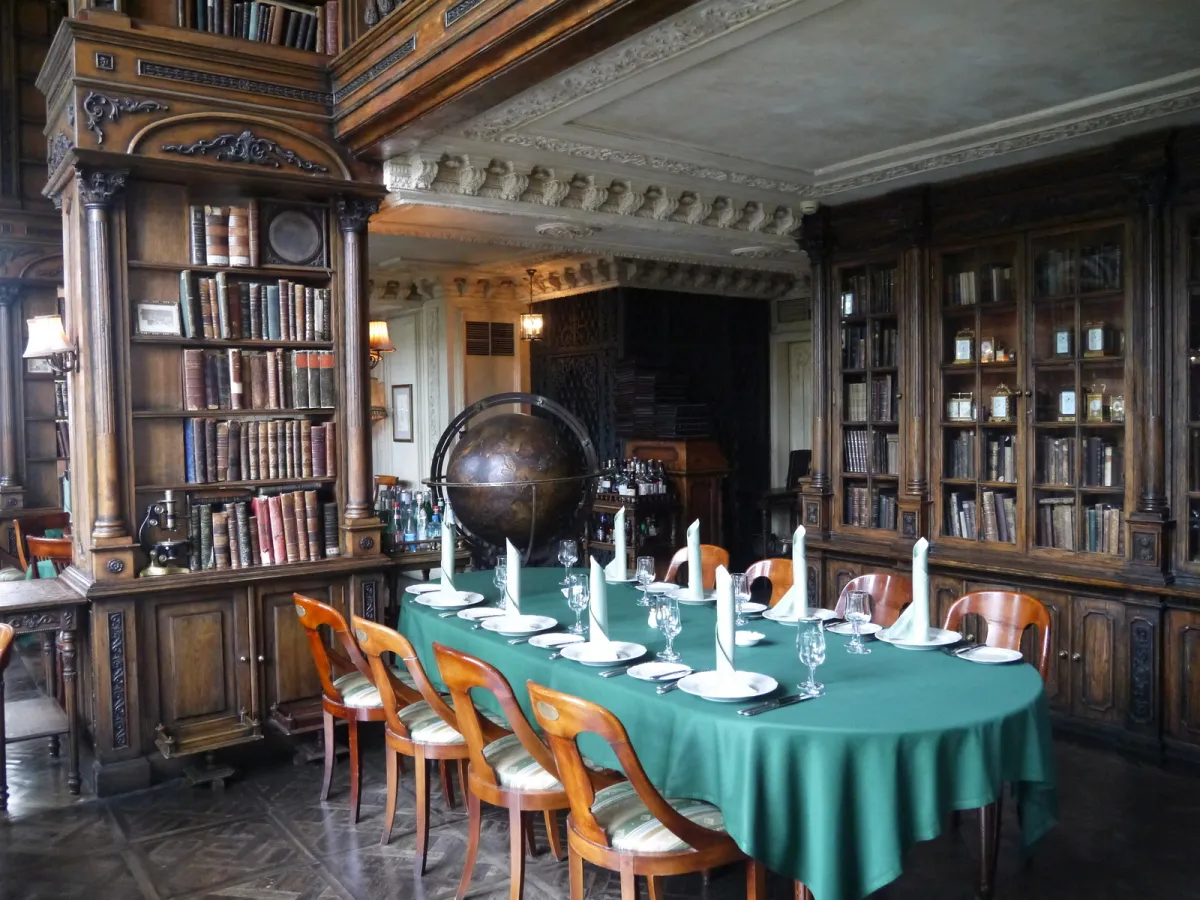

Choose restaurants in Russia by the meal you need: a quick lunch between visits, a regional-food introduction, a café break or a longer formal dinner. The setting, reservation conditions and payment method can matter as much as the menu. A famous name is useful only if the actual branch, address and meal format suit your day.
The Food & Drink guide explains dishes and ingredients. This page focuses on choosing a venue, with two verified examples in Moscow and Saint Petersburg and a framework for other places. Current UK advice is against all travel to Russia and the US advisory is Level 4, Do Not Travel; read Health & Safety before making travel commitments.
Compare dining settings
On small screens, scroll the table horizontally to read both columns.
| Setting | When it helps and what to verify |
|---|---|
| Bakery or café | A shorter stop or light meal. Check filling, portion, seating and whether table service changes the price. |
| Canteen-style dining | A practical lunch where dishes can be selected individually. Confirm ingredients and the final total rather than assuming a set meal. |
| Regional restaurant | A chance to explore a particular cuisine. Ask about the kitchen's actual dishes, dietary assurances and portion sizes. |
| Historic or formal restaurant | A longer meal where atmosphere is part of the choice. Confirm the room, dress guidance, reservation terms and payment. |
| Hotel dining | Useful for a late arrival or planned evening if service is confirmed. Being a hotel guest does not automatically include every meal or venue. |
A venue category does not establish quality or suitability. A simple café may be a better fit before a train than a long formal lunch. Conversely, a dinner chosen for its setting needs enough time to enjoy it without risking the last connection home. Start with the day's geography and schedule, then choose the meal.
Moscow example: Café Pushkin
Café Pushkin's official site identifies a Russian-cuisine restaurant at Tverskoy Boulevard 26A. It is a useful example of a destination meal where the interior and service setting form part of the choice. Do not confuse the Moscow restaurant with similarly named businesses elsewhere or assume that a historical atmosphere means the business itself dates from the period represented.
Use the official restaurant website to check the current menu, room and reservation contact. Ask whether the booking is for the dining setting you want, what the meal format includes and how long to allow. A lunch offer, pastry counter and formal dinner can be different products with different conditions. No fixed price or universal opening time is promised here.
Its central location can fit a Tverskoy-area day, but compare the actual walk and the next commitment. Avoid placing a long meal immediately before a timed museum or performance across the city. If accessibility matters, ask about entrance steps, the route to the booked room and toilets. A photograph of the façade cannot answer those questions.
Saint Petersburg example: Eliseyev Emporium
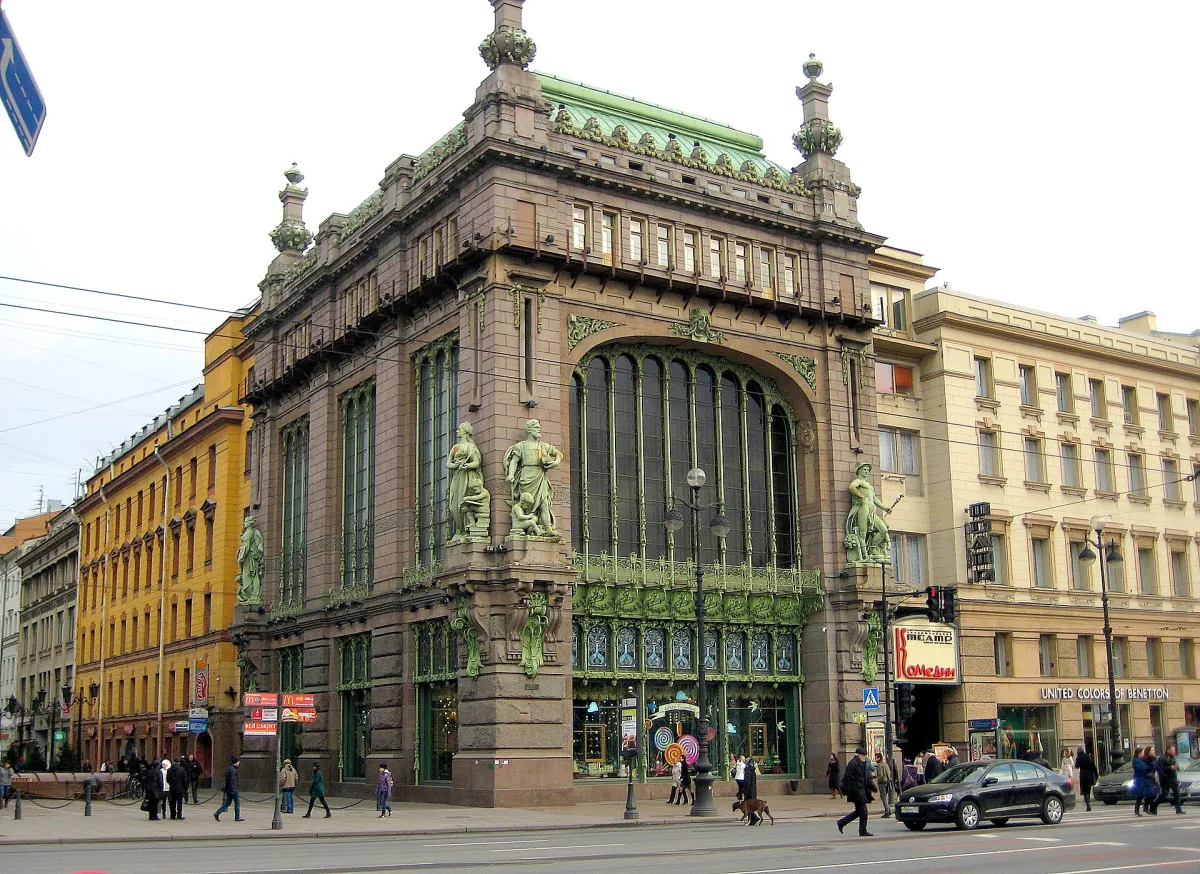

Eliseyev Emporium is at Nevsky Prospekt 56, in a distinctive historic commercial building. It is primarily useful here as a food-shop and café-setting example rather than a substitute for every kind of restaurant meal. The building, retail counters and any dining or tasting offer should be understood separately. A visitor can be interested in the setting without needing a full dinner there.
Check the official emporium site for current services and contact information. Confirm what is available for the intended time: takeaway products, seating, a café order or a specific event are not automatically the same offer. The photograph shows the building, not a current menu, included tasting or reserved table.
For a Nevsky-area day, a shorter stop can be easier to combine with a museum or walk than a distant restaurant booking. Check ingredients, storage and packaging if buying food to carry. If the purchase is a gift for travel abroad, verify customs restrictions at the destination rather than assuming that a retail sale establishes permission to import the product.
Find regional food without relying on a national ranking
In Kazan, look for a kitchen that actually serves the Tatar dishes you want to try, then check its current address and menu. A regional name on the sign is not proof of a particular recipe or halal assurance. Ask about ingredients and preparation, and distinguish a bakery snack from a full-service meal. The food guide provides the dish context.
In Irkutsk or a Baikal village, the available choice can depend strongly on the season and exact base. Confirm evening food before arriving at a distant property. A lake-view hotel is not evidence of nearby restaurants, and a shore excursion may return after a kitchen closes. If a meal is included in an outing, ask what, where and when it is served.
For Suzdal or another smaller base, check which places are open on the actual day and whether advance arrangements are needed. Avoid a list copied from an old guide without verifying operation. A simple confirmed meal near the accommodation can be more useful than an elaborate recommendation that requires an unverified transfer.
Reservations and the exact venue
When reserving, state the date, local time, number of adults and children, dietary needs and any mobility requirement. Ask which room or branch the reservation covers. A chain or large historic building may contain several settings, and the best-known photograph may not show the one you booked. Keep the confirmation and a verified telephone number offline.
Check deposits, cancellation conditions and any minimum-spend or event arrangement before accepting. Do not assume that a table reservation includes a show, tasting or transport. If the meal is before a performance, tell the restaurant the real departure time and leave a margin. A provider's willingness to take the booking does not guarantee that your wider schedule is realistic.
Ingredients, translation and dietary needs
Use a clear written explanation for a serious allergy or dietary requirement. Ask about broth, fillings, sauces and garnish as well as the main ingredient. A mushroom dish may include meat stock, and a vegetable salad may contain egg or dairy. A translated menu can omit details that matter to you.
Ask whether the kitchen can verify cross-contact controls. If it cannot, do not treat a general reassurance as a certification. For a serious medical requirement, prepare with a qualified professional before travel and keep necessary medication accessible. No restaurant in this guide is described as universally allergen-free, vegan or suitable for every diner.
Payment and the bill
Foreign-issued Visa and Mastercard cards do not work at Russian shops or ATMs, according to current FCDO entry guidance. Confirm the actual payment method with the venue before ordering. A card logo, an online reservation or a previous successful payment abroad does not establish that your card will work at the table.
Read the menu units and ask whether a price is per portion, weight, glass or bottle. Check what is included in a set meal and whether optional extras are charged separately. When the bill arrives, compare it with the order and ask calmly about anything unclear. Keep the receipt, especially if the payment forms part of a broader accommodation or event arrangement.
Tipping and service arrangements vary by business. Check whether a service charge is included before adding anything, and do not treat an online percentage as a universal rule. The useful principle is to understand the actual bill and follow the venue's stated arrangement, while using a lawful payment method you have confirmed in advance.
Families, accessibility and the return journey
For children, check seating, portion flexibility and the likely length of the meal. A formal dinner may be less useful than an earlier café or restaurant visit with a predictable break. Do not assume that a children's menu resolves allergies or that a high chair is available without asking. Keep the meal within a manageable day's route.
For accessibility, ask about the entire route from street to table and toilet, including steps and narrow passages. A beautiful historic interior can involve levels that are not obvious in photographs. Confirm assistance and the actual table location where relevant. Being near a metro station does not establish a step-free journey to the restaurant door.
Plan the return before an evening meal, especially if it follows a performance or crosses the Neva. Keep the accommodation address and transport contact offline. If weather, fatigue or disruption changes the day, a nearer confirmed meal is a sensible alternative. The aim is a useful dining decision with clear terms, rather than a claim that a handful of venues represents the best food in the whole country.
Moscow: more dining choices
White Rabbit
A contemporary Russian-cuisine restaurant with a panoramic city setting at Smolenskaya Square 3. It suits a planned destination meal when the food format and setting are part of the evening, rather than a quick café stop between museums.
Use the White Rabbit Family listing for the current property, menu and reservation channel. Confirm tasting versus à la carte format, dietary handling, seating and total terms. Historical rankings or awards are not presented as a current Michelin recommendation.
Selfie
Selfie offers a different contemporary menu and setting from White Rabbit even though both appear in the same restaurant group. It can suit visitors who want a planned modern-cuisine meal and are willing to make the specific restaurant the focus of the evening.
The official group identifies the Novinsky Boulevard location and current contact route. Check the exact branch, menu format and allergy accommodation; shared ownership does not mean identical dishes, prices or reservation terms.
Dr. Zhivago
Dr. Zhivago offers a central restaurant option associated with the National Hotel setting and a Russian-cuisine theme. It can fit a carefully planned central meal, but the landmark location should not replace checking the actual menu and atmosphere you want.
Use the National Hotel restaurant links to reach current information. Confirm the restaurant reservation separately from a hotel stay, and ask about the selected seating, ingredients and payment. Do not infer that a hotel booking includes a meal here.
Saint Petersburg: more dining choices
Palkin
Palkin at Nevsky Prospekt 47 offers a formal dining setting with a Russian-cuisine focus. It is a different proposition from a quick bakery or casual pre-theatre meal: the room, service format and time spent at the table are part of the choice.
Use Palkin for current menu and reservation information. Tell the restaurant about dietary needs and the actual theatre finish/start constraint. A photograph of the historic interior does not establish a reserved table or current menu.
Eliseyev Emporium café / food hall
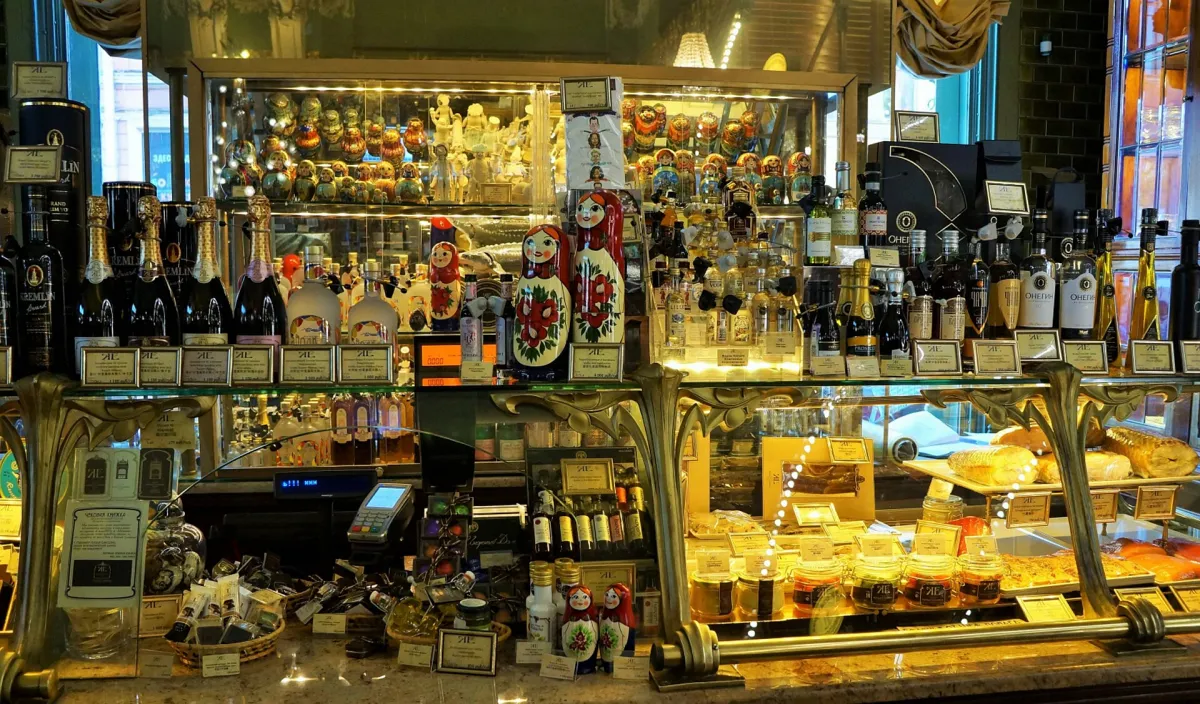

The Eliseyev setting at Nevsky Prospekt 56 combines an ornate food-shop interior with café and retail choices. It can suit a shorter stop for a drink, pastry or packaged purchase rather than a long formal restaurant meal. Ask which part of the venue you are using.
Use Eliseyev for current information. Seating, service and a retail purchase are different arrangements. Check ingredients and packaging, and do not assume an ornamental shop is a museum with unrestricted photography.
Café Claret and Marius at Helvetia
Helvetia’s official site distinguishes Café Claret from Marius, two dining spaces at the Marata Street property. This can be useful for visitors who prefer to choose a meal near a confirmed hotel or station-area plan rather than cross the city late in the evening.
Use the hotel’s dining information to select the actual venue and current format. A hotel room reservation does not reserve a restaurant table. Ask about access, atmosphere and the menu rather than assuming the two spaces are interchangeable.
Kazan & regional kitchens: more dining choices
Tatar meal in central Kazan
Choose a kitchen that identifies its pastries, meat dishes and sweet preparations clearly, and use the meal to compare specific Tatar foods. A central location around Bauman Street can simplify the evening, but a local-sounding name is not proof of origin, halal certification or ingredient handling.
Ask about the actual menu, preparation and branch. Use the regional food guide to prepare questions. The photograph illustrates the named food or setting shown in its caption; it is not evidence of a current meal at an unverified restaurant.
Suzdal hotel restaurants: choose the actual room
A hotel complex can offer several distinct restaurants, each with a different setting and menu. Pushkarskaya Sloboda is an example where a named dining space should be selected rather than treating the entire property as one restaurant. This can be useful for a town stay with a manageable evening return.
Use the property to check its current restaurants, reservation and access. Confirm whether non-residents can book and whether an event changes the menu. A room rate does not automatically include a restaurant dinner.
Baikal & the Pacific: more dining choices
Buryat dumpling kitchen, Ulan-Ude
A focused buuz/pozy meal can be a useful regional choice when visiting Ulan-Ude. Ask about the filling and steaming method, and begin with a realistic portion; hot broth inside the dumplings changes how they are eaten. This is a cuisine choice rather than a claim that every kitchen has the same standard.
Choose a currently operating venue through the accommodation or a verifiable local source, then check ingredients and payment directly. The image illustrates the dish, not a particular restaurant’s current plate. A regional label is not a hygiene or allergy guarantee.
Zuma, Vladivostok
Zuma’s official description identifies a pan-Asian and seafood-led dining focus in Vladivostok. It can suit a planned meal around Pacific ingredients rather than a generic “Russian food” stop. Choose the actual menu and dining format that interests you.
Use Zuma for current contact and menu information. Ask about species, preparation and whether seafood is priced by weight or portion. The regional seafood photograph is illustrative and is not claimed to be a current Zuma dish.
Ogonek, Vladivostok
Ogonek identifies a Far East and farm-food focus at Partizansky Avenue 42B. It provides another named comparison for visitors interested in the region’s ingredients, with an address distinct from a central waterfront café.
Use Ogonek for the actual menu and reservation. Confirm the complete return and dietary handling. A supplier’s farm/local language is not independent environmental certification, and no sustainability claim is made without evidence.
Supra, Vladivostok
Supra is a Georgian restaurant group with several Vladivostok branches. It can suit a sociable meal built around Georgian dishes, which should be identified as Georgian rather than described as originating in Russia. Different branches can have different approaches and waiting arrangements.
The official branch list includes Admirala Fokina 1B and other addresses. Select the exact branch, check reservations or queues, and ask about the actual menu. Do not substitute a similarly named restaurant or an old address.
Choose the meal format before the famous name
On small screens, scroll the table horizontally to read both columns.
| Format | What changes the decision |
|---|---|
| Formal destination meal | Time at table, menu format, dietary accommodation and cancellation terms. |
| Hotel restaurant | Exact dining room, access for non-residents and whether a room rate includes anything. |
| Food hall / café | Seating versus retail, ingredients, queue and practical packaging. |
| Regional kitchen | Specific dishes, preparation and origin; do not infer certification from a cuisine name. |
| Seafood-led meal | Species, cooking method, lawful origin and weight-versus-portion pricing. |
The named venues are researched examples, not a universal ranking or a claim of current table availability. Reconfirm the exact address, menu, accepted payment and access before making the evening depend on a reservation. No purchase or paid reservation was made for this guide.