
Turkey Travel Tips
Turkey Travel Tips
Plan your Turkey trip: Where to go · When to visit · Where to stay · Getting around · Visa & entry · Safety
Turkey is generally easy to travel independently, but a few practical details can make the experience smoother. This guide covers money, cards, connectivity, tipping, etiquette, electricity, transport habits and common tourist issues.
Currency
The currency is the Turkish lira (TRY). Exchange rates can change quickly, so avoid relying on old price examples from travel blogs. ATMs are widely available in cities and resort areas.
Cards and Cash
Credit and debit cards are widely accepted, but cash is still useful for small shops, markets, local transport and rural areas. Carry more than one payment method and keep them separately.
ATMs and Currency Conversion
When an ATM or card terminal offers to charge you in your home currency, compare the conversion carefully. Dynamic currency conversion can be less favorable than allowing your own bank or card network to process the exchange.
Tipping
Tipping practices vary by venue. Small tips are common in restaurants, cafes and hospitality settings when service is good, but travelers should not assume the same percentage-based culture used in every other country.
SIM Cards and eSIMs
Mobile data is useful for navigation, transport apps and reservations. Physical tourist SIMs and international eSIM options are available. Compare data limits and validity rather than buying the first package offered at the airport.
Wi-Fi
Hotels and cafes commonly provide Wi-Fi, but quality varies. Use caution when accessing financial accounts over open public networks.
Electricity
Turkey uses 230V electricity at 50Hz, commonly with Type C and F plugs. Visitors from countries with different plug systems should carry an adapter.
Tap Water
Tap water is treated in many urban systems, but visitors often prefer bottled or filtered water for drinking because taste and local infrastructure vary. Ask your accommodation for local guidance.
Language
English is common in major tourism areas but less reliable elsewhere. A few Turkish phrases can help with taxis, restaurants and smaller businesses.
Dress and Mosque Etiquette
Dress is generally flexible in tourist areas, but religious sites require more respectful coverage. Remove shoes when instructed and avoid walking in front of people who are praying.
Bargaining
Bargaining is expected in some tourist bazaars and carpet shops but not in supermarkets, malls or normal fixed-price stores. Keep the interaction friendly and walk away if you do not want to buy.
Common Tourist Scams
As in many heavily visited destinations, travelers may encounter inflated bills, unofficial guides, aggressive sales tactics or taxi disputes. Check menus and prices, use official services and avoid accepting unsolicited “special deals” from strangers.
Emergency Number
The national emergency number is 112. Save it before travel along with your accommodation details and travel insurance information.
Money and Valuables
Carry only what you need for the day. In crowded transport, markets and nightlife districts, keep phones and wallets secure.
Transport Planning
Turkey is larger than many first-time visitors expect. Domestic flights, buses and trains each make sense on different routes. See the Turkey Transportation Guide.
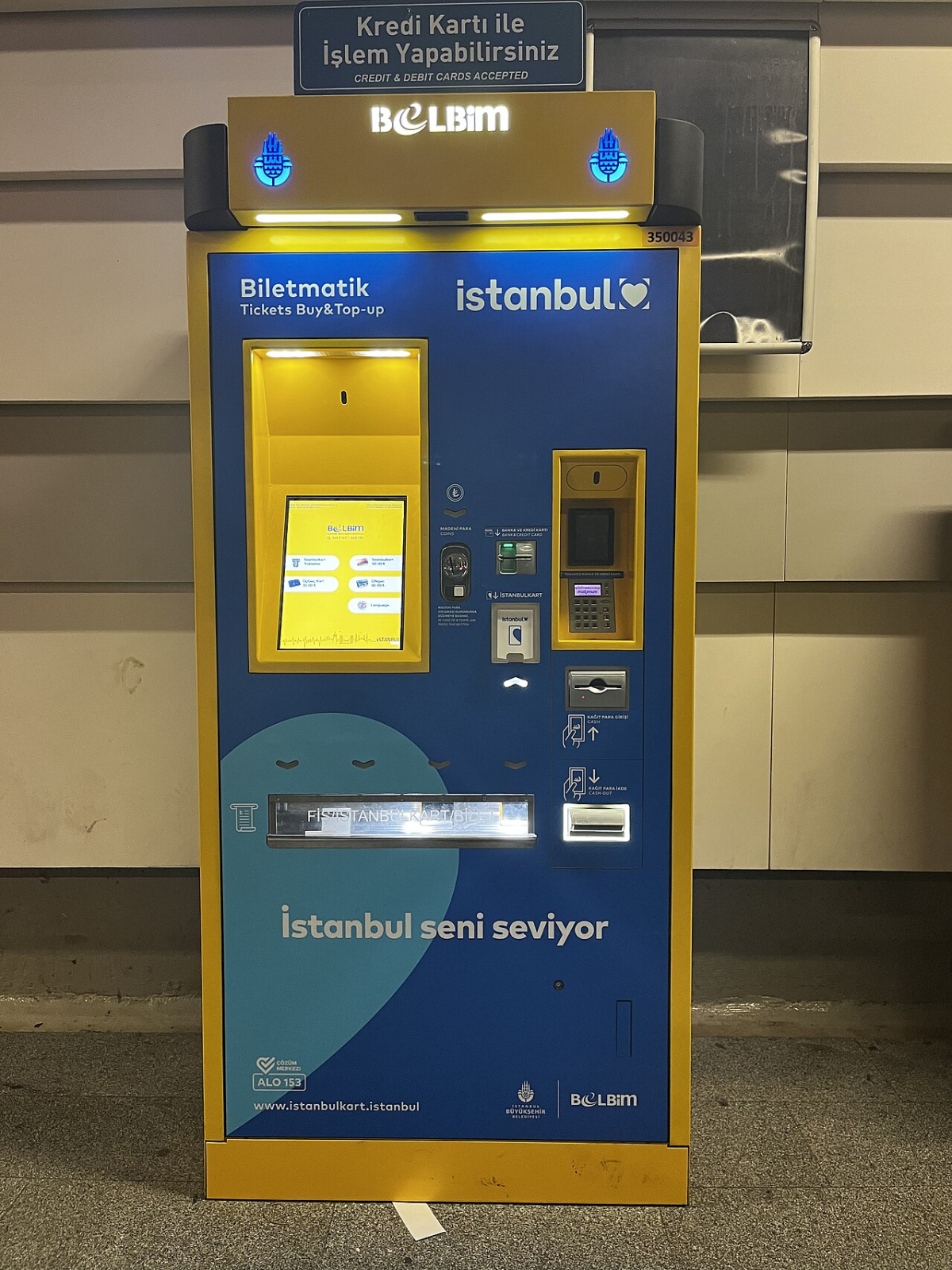
An Istanbulkart ticket machine, November 2022. Screen prices and available payment options may have changed. Photo: Kurmanbek / Wikimedia Commons. CC BY-SA 4.0. Resized for display.
Visa and Entry
Entry rules depend on nationality and passport type. Do not rely on social-media posts or old screenshots; check official rules close to travel and read Turkey Visa & Entry Requirements.
Safety
Use normal precautions, pay attention to local conditions and review official travel advice for your nationality before departure. See Is Turkey Safe? for a fuller discussion.
Travel Tip :Keep a small offline travel folder on your phone with your passport copy, insurance details, hotel address, essential tickets and emergency contacts. It is useful when mobile data fails.
Restaurant Bills
Check whether bread, water or service has been added to the bill, particularly in tourist areas. If a menu has no visible prices, ask before ordering expensive seafood or specialty dishes.
Pharmacies
Pharmacies are common in towns and cities and are marked with the word eczane. Opening hours vary, and duty pharmacies operate outside normal hours. For serious symptoms, seek medical care rather than relying only on over-the-counter advice.
Public Toilets
Public toilets are common at transport hubs, attractions and mosques; some charge a small fee. Carrying tissues and a small amount of cash can be useful.
Photography
Ask before taking close photographs of people. Photography restrictions may apply at museums, military areas, religious spaces and archaeological sites. Follow posted rules.
Travel During Religious Holidays
During major holiday periods, domestic transport can fill quickly and family-oriented destinations may become busy. Book intercity travel earlier than usual and expect altered business hours.
Travel Apps and Offline Maps
Download offline map areas before long drives or rural trips. Save hotel names in Turkish characters where possible; this can help when showing an address to a taxi driver or local resident.
Before You Go
For quick-reference facts, open Turkey Fast Facts. For broader planning, return to the Turkey Travel Guide.

