
Turkey Travel Guide
Turkey Travel Guide
Plan your Turkey trip: Where to go · When to visit · Where to stay · Getting around · Visa & entry · Safety
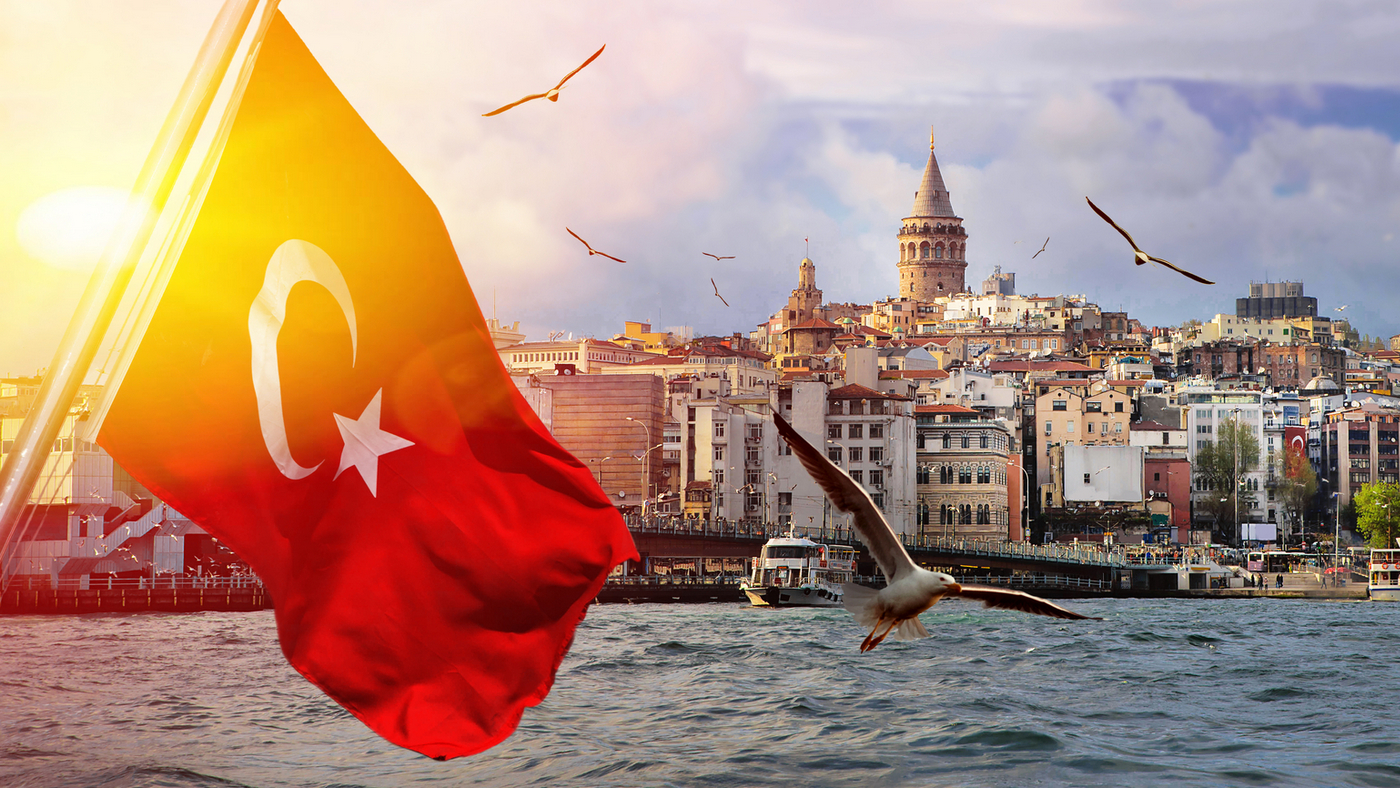
Turkey, officially known as Türkiye, is one of the world’s most varied travel destinations: a country where ancient cities, Mediterranean beaches, mountain landscapes, lively modern cities and deeply rooted food traditions sit within a single itinerary. Istanbul stretches across Europe and Asia, Cappadocia is shaped by volcanic valleys and rock-cut settlements, the Aegean and Mediterranean coasts are lined with archaeological sites and beaches, while central and eastern regions reveal a very different side of the country.
This travel guide is designed as the main planning hub for Photos4Travel’s Turkey coverage. Use it to understand where to go, when to visit, how to move around, what to eat and which practical details deserve attention before departure. For a quick reference to currency, language, emergency numbers and other essentials, see our Turkey Fast Facts page.
Why Visit Turkey?
Few destinations combine major world heritage sites, long coastlines, city breaks, outdoor landscapes and a strong culinary identity as naturally as Turkey. A first trip can be built around Istanbul and Cappadocia, while longer journeys may add Ephesus, Pamukkale, Antalya, Fethiye, Bodrum, Izmir, the Black Sea or central Anatolia.
The country also works for very different travel styles. History-focused visitors can spend days among Greco-Roman, Byzantine, Seljuk and Ottoman sites. Beach travelers can base themselves along the Turkish Riviera. Food travelers can explore regional dishes far beyond the best-known kebabs. Independent travelers can use domestic flights and intercity buses, while road trips offer more flexibility in coastal and rural areas.
Top Places to Visit in Turkey
Istanbul
Istanbul is the country’s largest city and a natural starting point for many international visitors. The Historic Peninsula contains landmarks such as Hagia Sophia, the Blue Mosque, Topkapı Palace and the Basilica Cistern, while Beyoğlu, Karaköy, Kadıköy and the Bosphorus show a more contemporary side of the city.
Cappadocia
Cappadocia is known for its fairy-chimney landscapes, cave churches, underground cities and sunrise balloon flights. Göreme, Uçhisar, Ürgüp and the surrounding valleys make the region one of Turkey’s most distinctive destinations.

Cappadocia at sunrise, photographed in August 2018. Photo: Leventtuncay / Wikimedia Commons, CC BY-SA 4.0. Resized for display.
The Aegean and Mediterranean Coasts
Antalya, Fethiye, Bodrum, Marmaris, Kaş, Çeşme and nearby resort areas offer very different combinations of beaches, marinas, nightlife, ancient ruins and small-town atmosphere. Our Beaches in Turkey guide explains the main coastal regions in more detail.
Ancient Sites and Natural Landmarks
Ephesus is one of the country’s most important archaeological destinations, while Pamukkale combines travertine terraces with the ancient city of Hierapolis. Other significant sites include Troy, Pergamon, Aphrodisias and the archaeological landscapes of southeastern Anatolia.
For a fuller destination breakdown, see Top Destinations in Turkey.
Best Things to Do in Turkey
Turkey rewards travelers who combine famous attractions with local experiences. Walk through Istanbul’s historic neighborhoods, take a Bosphorus ferry, explore Cappadocia’s valleys, visit an archaeological site before the midday heat, spend an afternoon in a traditional hamam, join a regional food tour or drive along the Mediterranean coast.
Outdoor options include hiking sections of the Lycian Way, sailing along the southwest coast, exploring national parks and visiting mountain areas in the Black Sea region. Our Things to Do in Turkey guide brings together the country’s strongest experiences by travel style.
When Is the Best Time to Visit?
Turkey’s climate varies considerably by region. Spring and autumn are often comfortable for city sightseeing and archaeological travel. Summers are hot and dry across much of the Aegean and Mediterranean coast, which is ideal for beach trips but can make inland sightseeing tiring in the middle of the day. Winters are mild and wetter on parts of the coast, colder inland and snowy in many higher areas.
Because conditions differ between Istanbul, Cappadocia, Antalya and eastern Turkey, check our detailed Turkey Weather guide before choosing dates.
Getting to and Around Turkey
Turkey has extensive international air connections, with Istanbul serving as the principal long-haul gateway and Antalya, Izmir, Dalaman and Bodrum particularly useful for leisure travel. See Getting to Turkey and our Turkey Airports guide for arrival planning.
Within the country, domestic flights are useful for long distances, intercity buses connect a wide range of cities and towns, and high-speed rail serves selected major corridors. Local transport varies from metro and tram systems in large cities to minibuses and ferries. If you plan to combine smaller coastal towns or rural areas, read our Car Rentals in Turkey guide. For a complete overview, use the Turkey Transportation Guide.
Where to Stay
Accommodation ranges from city hotels and hostels to coastal resorts, boutique properties and Cappadocia cave hotels. Location matters as much as hotel category: staying near Sultanahmet suits first-time Istanbul sightseeing, while different coastal bases work better for beach trips, nightlife or quiet family holidays.
Affiliate disclosure: Photos4Travel may earn a commission if you book through the Booking.com link below.
Read Hotels in Turkey for regional advice, or search accommodation on Booking.com.
Turkish Food and Drink
Turkish cuisine changes noticeably from region to region. Breakfast spreads, meze, grilled meats, seafood, pide, mantı, vegetable dishes, baklava and regional sweets are only the beginning. Tea is part of daily life, Turkish coffee remains an important ritual, and local markets reveal ingredients that rarely appear on tourist menus.
See our Turkish Food & Drinks guide for dishes to try, regional specialties and practical dining advice.
Travel Tips, Visa and Safety
Travelers should confirm entry requirements before departure because visa rules depend on nationality and passport type. Our Turkey Visa & Entry Requirements page explains the planning process and links to official sources.
For money, cards, tipping, SIM cards, electricity, etiquette and emergency information, use our Turkey Travel Tips. For destination-specific precautions and practical risk awareness, read Is Turkey Safe?.
Plan a More Responsible Trip
Turkey’s popularity places pressure on historic centers, coastal environments and heavily visited landmarks. Small choices can improve the trip: travel outside peak hours, support locally owned businesses, follow site-protection rules, reduce single-use plastics and respect fragile landscapes. Our Sustainable Tourism in Turkey guide offers more practical ideas.
Turkey is easiest to enjoy when it is treated not as a checklist but as a collection of regions with distinct identities. Start with your priorities—history, food, coast, nightlife, nature or road travel—and use the guides above to build a route that fits your pace.
How Long Should You Spend in Turkey?
A long weekend can work for Istanbul alone, but a country-wide itinerary needs more time. Around one week is best treated as a focused trip: Istanbul plus Cappadocia, or Istanbul plus one coastal region. Ten to fourteen days allows a more relaxed combination of Istanbul, Cappadocia and the Aegean or Mediterranean coast. Travelers with two or three weeks can add slower road trips, Black Sea destinations or southeastern cities without making every day a transfer day.
First-Time Turkey Itinerary Ideas
A classic first itinerary might begin with three or four nights in Istanbul, continue by air to Cappadocia for two or three nights, then finish on the coast. A history-focused route could combine Istanbul, Troy, Pergamon, Ephesus and Pamukkale. A coastal route could link Bodrum, Datça, Marmaris, Fethiye and Kaş, with a rental car used only after leaving the large cities.
Budgeting for a Turkey Trip
Travel costs vary dramatically by region, season and exchange rate. Istanbul, Cappadocia and high-end resort areas generally cost more than smaller inland cities. Accommodation prices rise sharply during popular summer weeks and major holidays. Because the lira can move quickly against foreign currencies, use current prices when budgeting rather than relying on fixed amounts published months earlier.
What Makes a Good Turkey Itinerary?
The strongest itineraries avoid unnecessary backtracking. Turkey is large enough that geography should shape the route. Use flights for long jumps, rail where it is efficient, buses for broad regional coverage and a rental car only where it adds genuine flexibility. Leave unscheduled time for markets, neighborhood walks and long meals; these are often the parts of a trip that feel most distinctly Turkish.