
TÜRKİYE · COUNTRY GUIDE
Beaches in Turkey: Coastal Bases, Access and Swimming Plans
Turkey’s Aegean and Mediterranean coastlines include resort beaches, small coves, long sandy stretches and dramatic bays beneath mountains. The right beach destination depends on whether you want nightlife, family facilities, water sports, archaeology or a quieter base.
Ölüdeniz
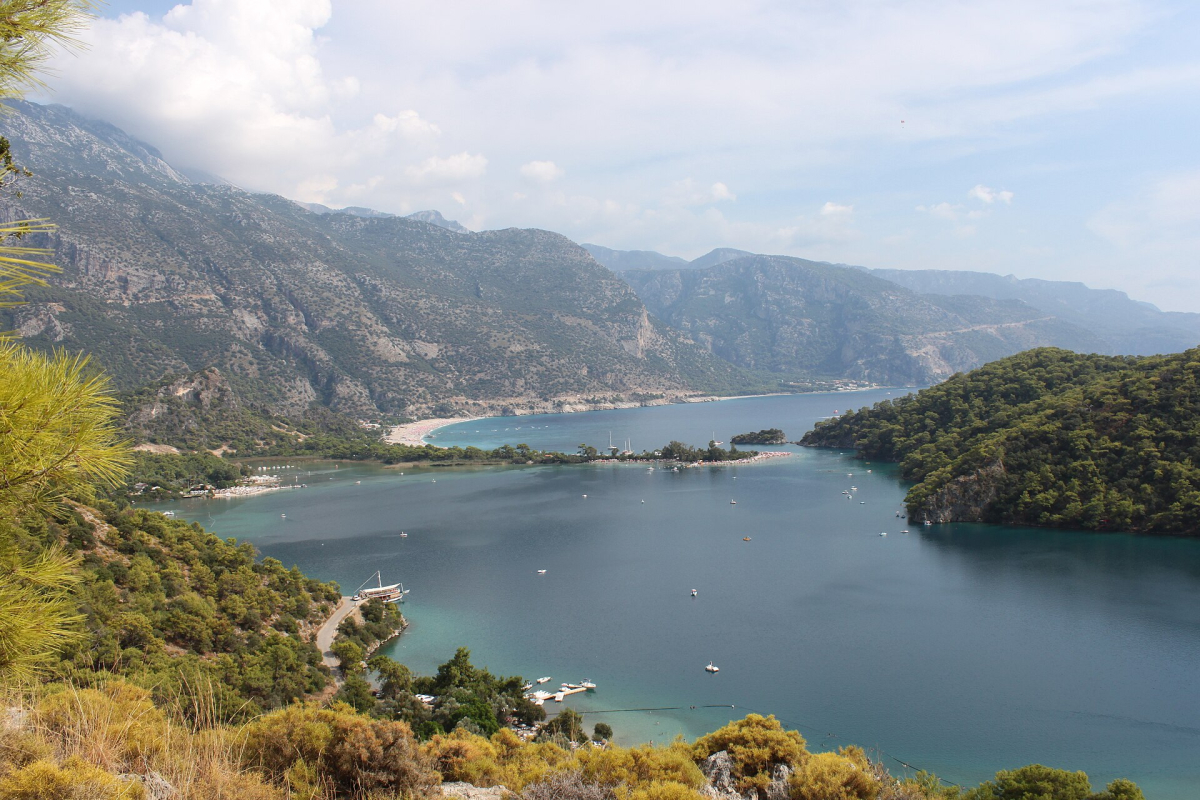
Ölüdeniz near Fethiye is one of Turkey’s most recognizable coastal settings, known for blue water, surrounding mountains and nearby paragliding. It is highly popular, so visit early or outside peak periods if you prefer a calmer atmosphere.
Patara Beach
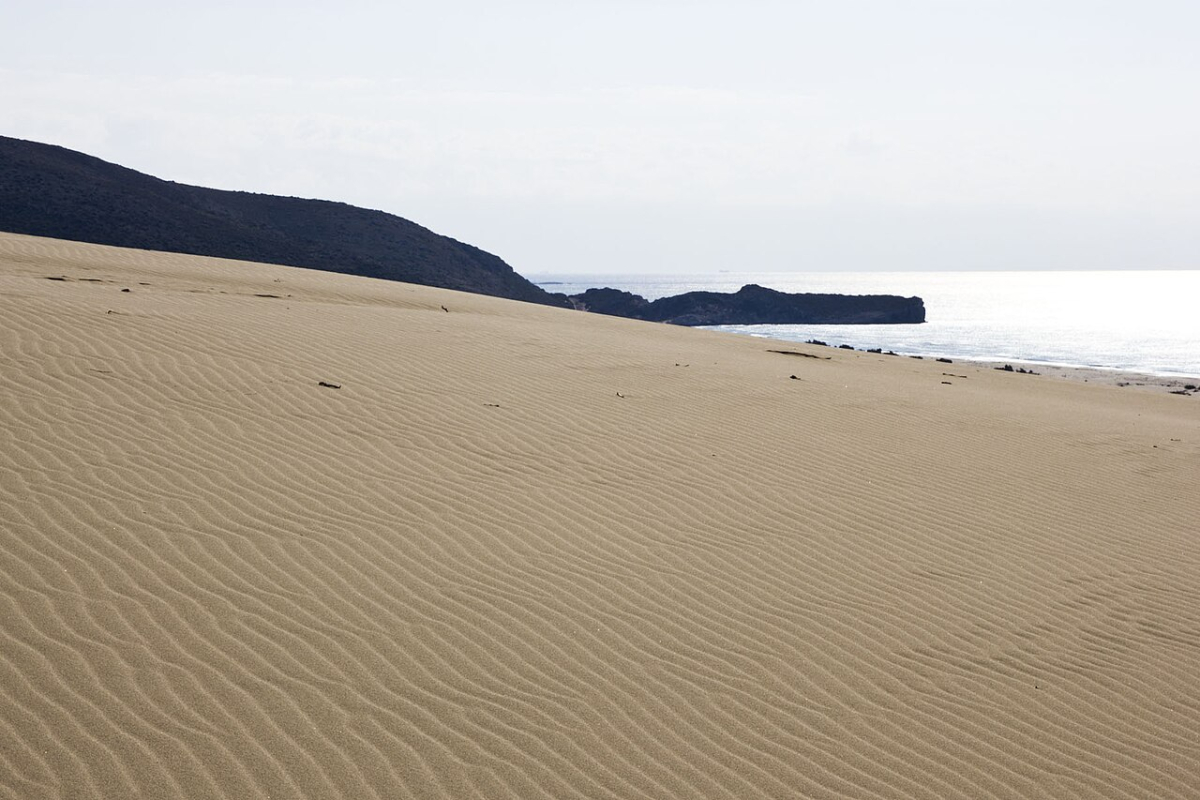
Patara combines a long sandy beach with an important ancient Lycian site nearby. Parts of the beach are environmentally sensitive, and visitors should respect access restrictions and conservation rules.
Kaputaş Beach
Kaputaş lies below a steep coastal road between Kaş and Kalkan. Its compact setting and vivid water make it photogenic, but parking and crowding can be challenging in high season.
Antalya Beaches
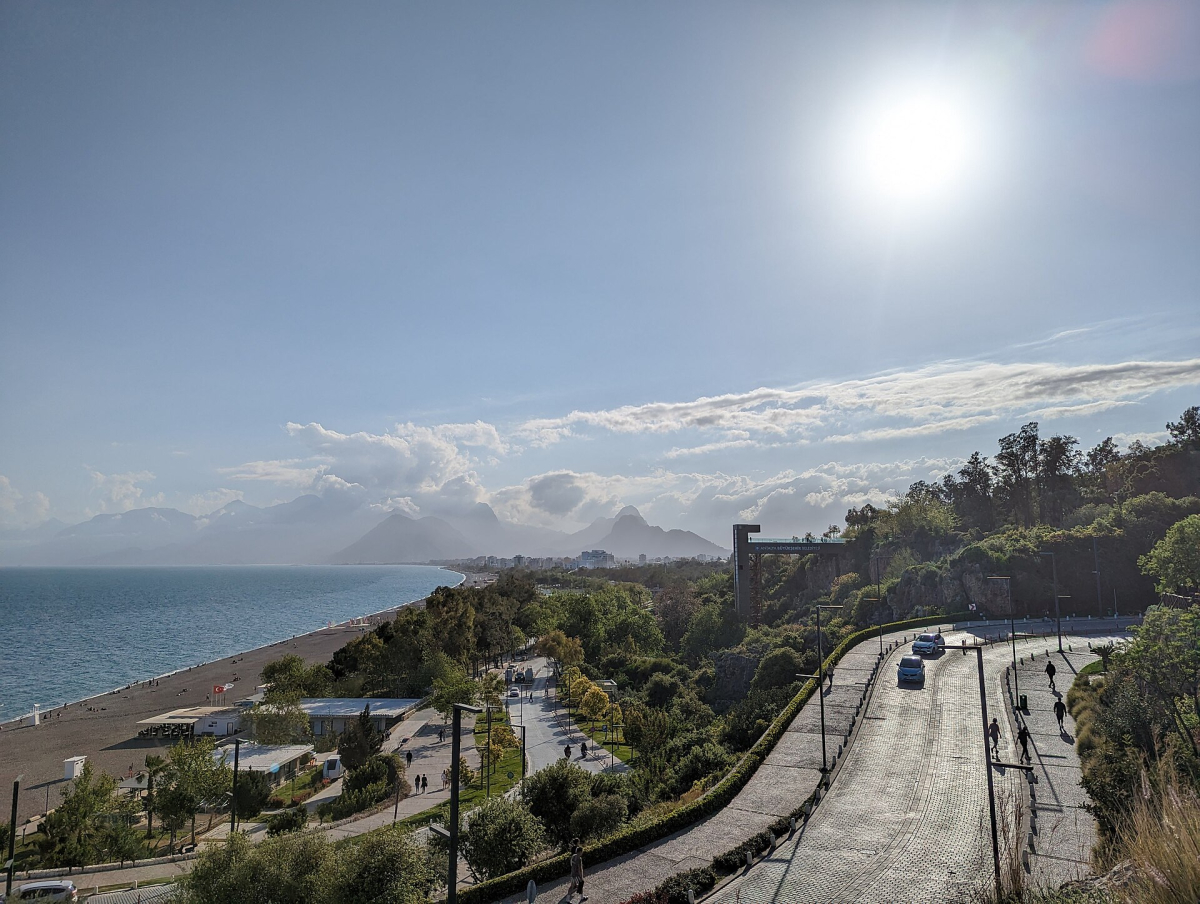
Konyaaltı is convenient from Antalya city, while Lara is associated with a long beach and resort development. Farther along the coast, Kemer, Side, Belek and Alanya offer different combinations of beaches, hotels and entertainment.
Kaş and the Lycian Coast
Kaş has access to small beaches, swimming platforms and boat trips. It works well for travelers who want diving, coastal scenery and a smaller-town atmosphere.
Fethiye and the Gulf of Göcek
Boat trips reveal coves and islands that are difficult to appreciate from the road. Göcek is especially associated with sailing and marina culture.
Bodrum Peninsula
The Bodrum Peninsula offers a wide choice, from lively beach clubs to quieter bays. Different villages have very different atmospheres, so hotel location matters.
Çeşme and Alaçatı
This Aegean area is known for beach clubs, windsurfing and summer nightlife. Wind conditions make some beaches especially popular with water-sports travelers.
Datça and Bozburun
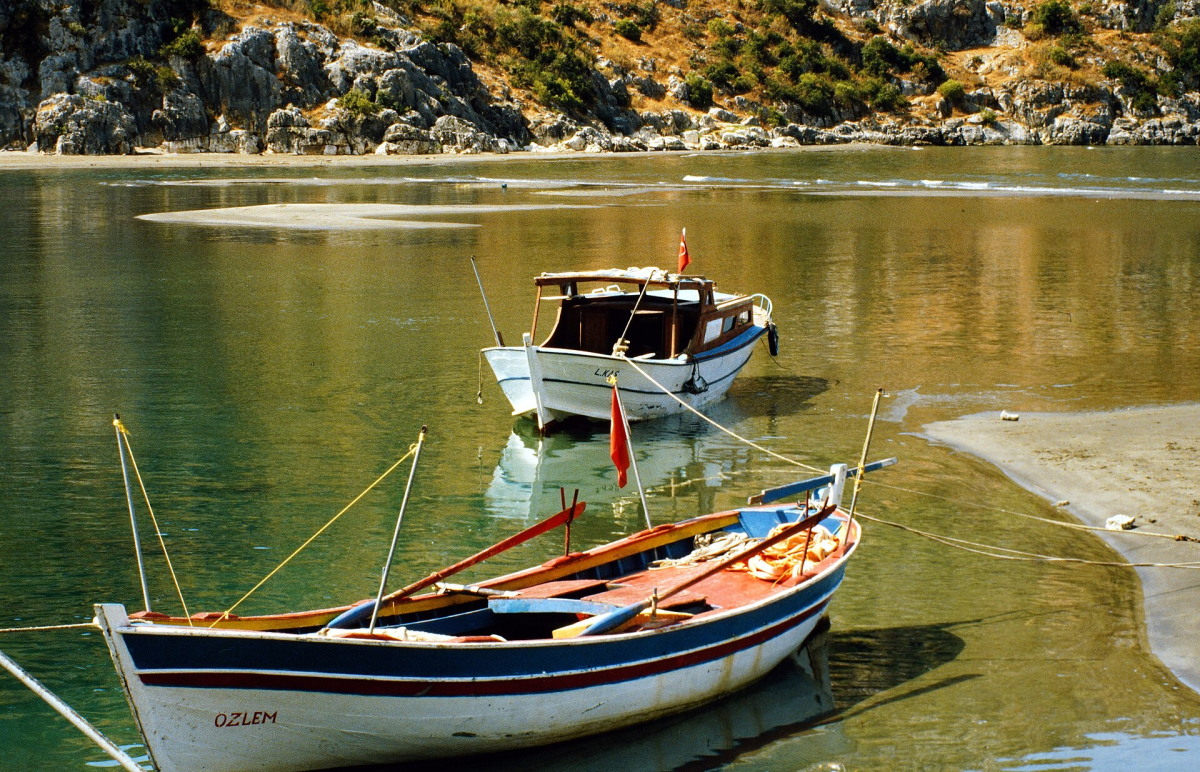
Travelers looking for a slower coastal trip may prefer the Datça and Bozburun peninsulas, where development is generally more dispersed and scenic drives are part of the experience.
When to Visit the Coast
The main beach season runs through the warm months, but late spring and early autumn can provide a good balance of pleasant weather and lighter crowds. Southern areas often remain warm later into the season than northern Aegean destinations.
See Turkey Weather for seasonal differences.
Choosing a Coastal Base
Antalya is convenient for large resorts and historical excursions; Fethiye for Ölüdeniz, boat trips and outdoor activities; Bodrum for nightlife and peninsula variety; Kaş for a smaller-town atmosphere; and Çeşme/Alaçatı for Aegean style and wind sports.
Affiliate disclosure: Photos4Travel may earn a commission if you book through the Booking.com link below.
Compare accommodation options in Hotels in Turkey or search coastal stays on Booking.com.
Protecting the Coast
Use marked access paths, avoid leaving waste and respect protected nesting or dune areas. For more ideas, see Sustainable Tourism in Turkey.
For broader coastal planning, continue to Top Destinations in Turkey.
Family-Friendly Beaches
Families often prefer gently shelving beaches with nearby facilities, shade and easy access rather than remote coves reached by steep paths. Resort areas around Antalya and selected Aegean towns provide the broadest range of organized services.
Snorkeling and Diving
Kaş and parts of the southwest coast are especially popular for diving. Visibility and marine conditions vary, so choose licensed operators with clear safety procedures and equipment standards.
Beach Clubs vs. Public Beaches
Some coastal areas mix public beaches with private or semi-private beach clubs. Clubs may charge admission, minimum spend or sunbed fees. If you prefer a simple public beach, check access details before traveling.
Sea Conditions
Even on calm-looking days, wind and currents can change. Follow lifeguard instructions and local warning flags. Do not assume every small cove has rescue services.
Beach Road Trips
A rental car can be useful for discovering smaller beaches, but summer parking near famous coves is often limited. Consider buses or minibuses when a destination is known for congestion.
Choose the Shore That Matches the Day
| Area | Main appeal | Practical trade-off |
|---|---|---|
| Ölüdeniz | A famous lagoon and a settled beach area | Demand, paid services and summer congestion |
| Patara | A broad sandy landscape with nearby archaeology | Sun exposure and conservation restrictions |
| Kaputaş | A small cove below a dramatic road | Steps, limited space and parking |
| Konyaaltı | A city waterfront with a mountain backdrop | Pebbles and conditions at the actual swimming point |
| Kaş | Small coves and boat-based outings | Platforms and rocky access rather than a continuous sandy shore |
| Çeşme Peninsula | Aegean beaches and water-sports settings | Wind and different access rules between venues |
A Public Beach and a Beach Club Are Different Choices
Find out what the fee covers before choosing a lounger or entering a managed venue. Entry, a minimum food-and-drink spend, parking and a sunbed package may be priced differently. Ask for the current terms rather than relying on an old photograph of empty chairs. If you want a simple swim, establish where lawful public access is available and what facilities you need to bring.
For a family visit, shade, toilets, a manageable entrance and supervision matter more than an image of bright water. Ask whether a lifeguard is on duty for the actual date and section. A shallow-looking shore is not a guarantee of safe conditions. With mobility needs, confirm the path, steps and surface directly; a nearby road does not establish step-free beach access.
Kaputaş and Small Coves Need an Access Plan
Kaputaş is below the coastal road, so include the descent and climb back when judging suitability. Do not leave a car on a dangerous roadside location to get a quick photograph. In a small cove, arriving early may help with space, but it does not override restrictions or warning flags. Bring only what you can carry comfortably and leave a realistic return option if using a regional minibus.
Some bays around Göcek and the southwest coast are reached most conveniently by boat. A swim stop on an excursion does not always provide a beach, changing facilities or easy access for a non-swimmer. Read the itinerary and ask the crew about boarding and re-entry to the boat. A private or shared trip may change its route with wind; do not book another fixed appointment on the assumption of an exact return time.
Conservation at Patara, İztuzu and Çıralı
Follow the posted nesting, dune and access rules. Keep to designated approaches and do not move markers, dig into protected areas or use bright lights around sensitive nesting habitat. Current instructions at the entrance are more useful than an older image showing people in a particular place. Leave shells, plants and wildlife where they belong, and carry waste to appropriate disposal points.
Beach access can be seasonal and may change during conservation or emergency work. Check locally before making a remote beach the only activity of the day. For nature-focused alternatives and responsible walking, use Walking & National Parks. An afternoon in a coastal town can be a better choice when the beach is closed or conditions are poor.
Weather, Water and Equipment
Check the forecast, local warnings and the conditions visible at the beach. Wind can make the shore uncomfortable and the water unsafe even under a clear sky. Respect lifeguard instructions and avoid swimming alone at an unfamiliar unguarded cove. A snorkelling or diving trip needs an appropriate operator and equipment, and insurance should cover the activity. A photograph of a dive site does not establish that it suits every experience level.
Bring water, sun protection and footwear that fits the surface. Pebble beaches, rocky platforms and sandy dunes require different preparation. For early or late season, ask whether showers, restaurants and return transport are operating. A warm air temperature can coexist with colder water. Choose your dates using regional seasonal advice rather than one national beach-season label.
Make the Coast a Base, Not a Daily Transfer
Choose one area and spend enough nights to use several local options. A hotel close to the beach can reduce transport but may be less convenient for a working town's shops and restaurants. Fethiye and Ölüdeniz, for example, offer different daily routines; Bodrum's bays can be far apart by road. Compare these choices in Where to Stay before judging a room solely by its coastal photograph.
If driving, use designated parking and leave daylight for the winding return. If travelling without a car, confirm the final service before settling in for sunset. A well-planned beach day includes food, water, shade and the trip back, not only the outward journey. Keep a quieter alternative available when wind or crowding changes the plan.



