
TÜRKİYE · COUNTRY GUIDE
Best Time to Visit Turkey: Seasons and Regional Weather
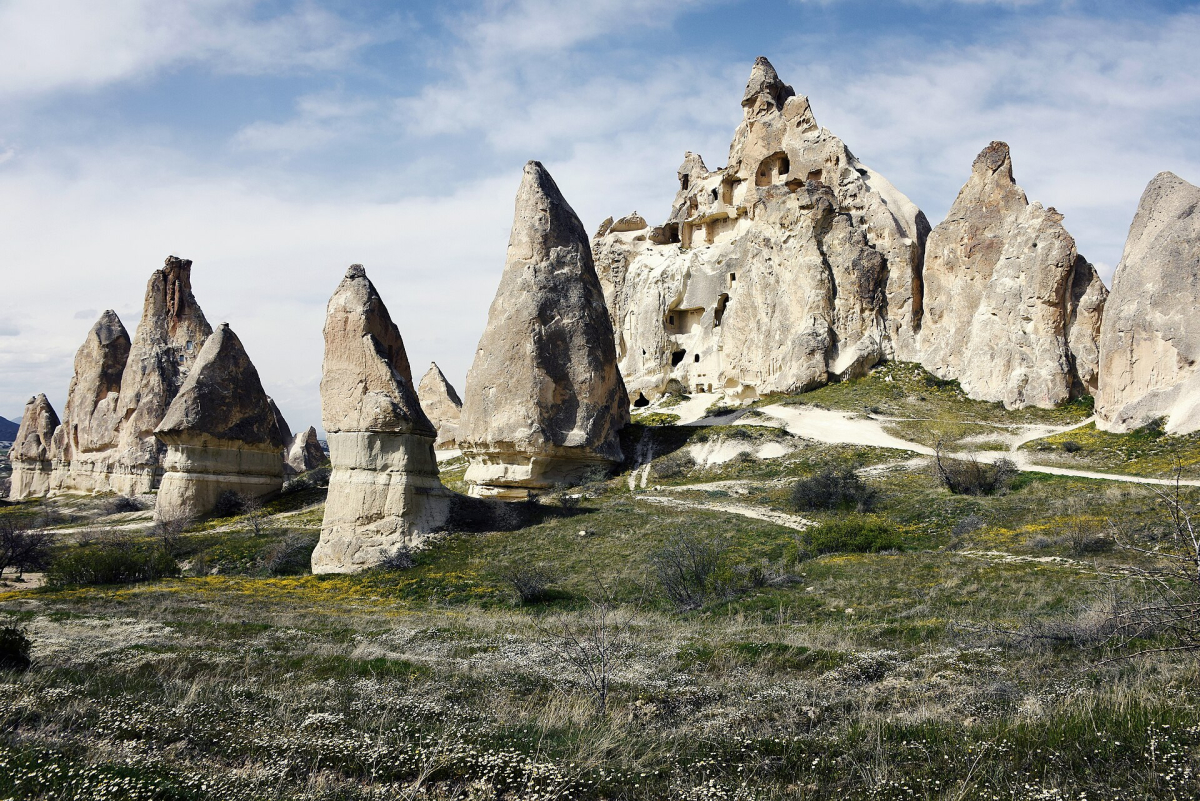
Turkey’s weather varies greatly because the country spans several climate zones, long coastlines, high plateaus and mountain ranges. A beach forecast for Antalya tells you little about conditions in Cappadocia or the Black Sea, so the best time to visit depends on both region and travel style.
Best Time to Visit Turkey
For many first-time itineraries, spring and autumn offer the best balance. Days are often comfortable for walking, archaeological sites and city travel, while temperatures are less intense than in midsummer. These seasons also work well for routes combining Istanbul, Cappadocia and western Turkey.
Summer is the natural choice for beach holidays along the Aegean and Mediterranean coasts, although inland archaeological sites can become very hot. Winter suits travelers who prefer fewer crowds in major cities and cultural destinations, but snow and colder conditions are possible in central and eastern areas.
Spring: March to May
Spring brings gradually warmer weather across the country. Istanbul can still be changeable in March, with rain and cool evenings, but April and May are often pleasant for city exploration. Cappadocia warms more slowly and nights can remain cold.
On the southern coast, beach towns begin to feel lively before the peak summer season. Sea temperatures may still be cool early in spring, but hiking, sightseeing and road trips are often comfortable.
Summer: June to August
Summer is hot and generally dry across much of western and southern Turkey. Antalya, Bodrum, Fethiye and Marmaris are in full season, with long sunny days and warm sea temperatures.
Istanbul can be hot and humid, while central Anatolia is often hot during the day but drier. At exposed archaeological sites such as Ephesus, early-morning visits are much more comfortable than midday sightseeing.
If your priority is the coast, see Beaches in Turkey.
Autumn: September to November
September remains summery on much of the Mediterranean and Aegean coast, while October often combines warm days with thinner crowds. Istanbul and Cappadocia are generally attractive in early and mid-autumn, though evenings become cooler as the season advances.
By November, rainfall becomes more common in western regions and conditions are more variable. This can still be a good month for cultural trips if you pack layers and accept shorter daylight hours.
Winter: December to February
Winter varies dramatically by region. Coastal areas are relatively mild but wetter, Istanbul can experience cold rain and occasional snow, and central Anatolia may be freezing. Cappadocia under snow can be visually striking, but outdoor plans may be affected by weather.
Eastern Turkey often experiences more severe winter conditions and significant snowfall. Travelers planning road trips in mountain areas should check local forecasts and road conditions carefully.
Weather in Istanbul
Istanbul has four recognizable seasons. Summers are warm and can be humid; winters are cool, wet and sometimes snowy. Spring and autumn are usually the most comfortable periods for extensive walking.
Weather in Cappadocia
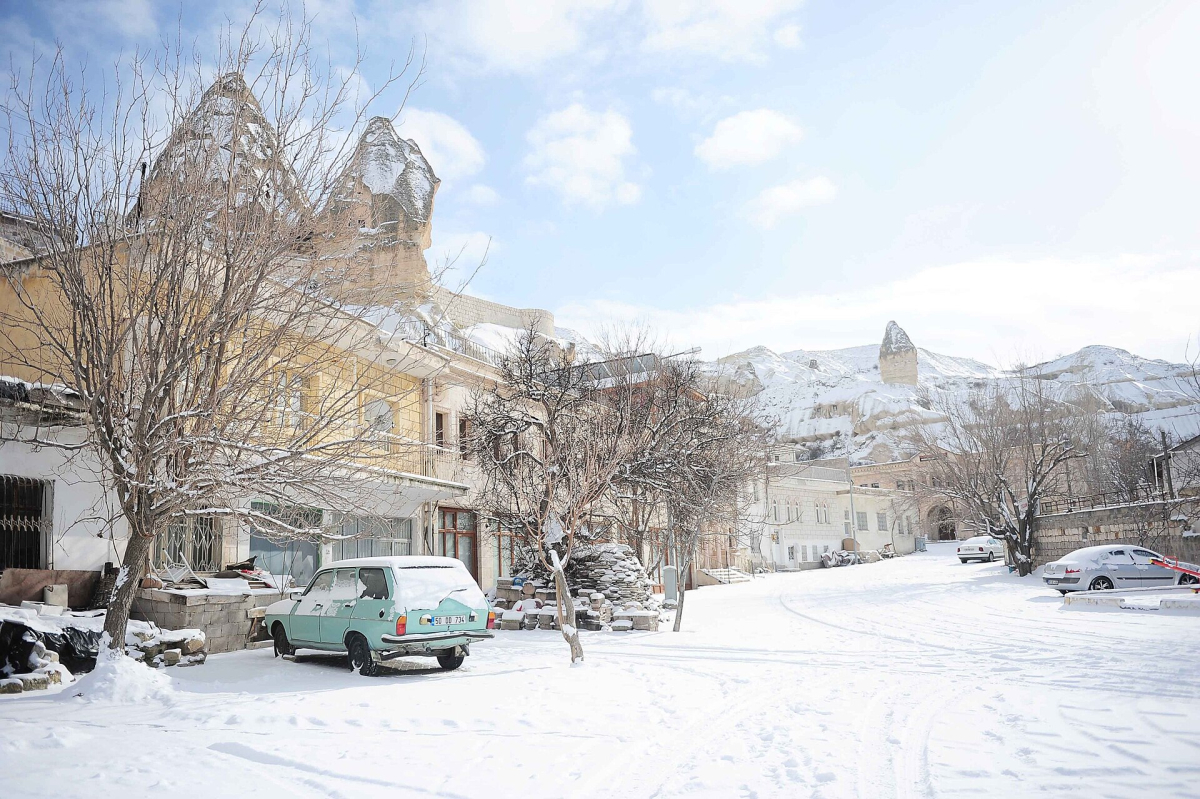
Cappadocia’s inland elevation creates strong temperature differences between day and night. Summers are hot and dry, while winters can be cold and snowy. Balloon flights depend on wind and weather safety, so cancellation is possible in any season.
Weather on the Mediterranean Coast
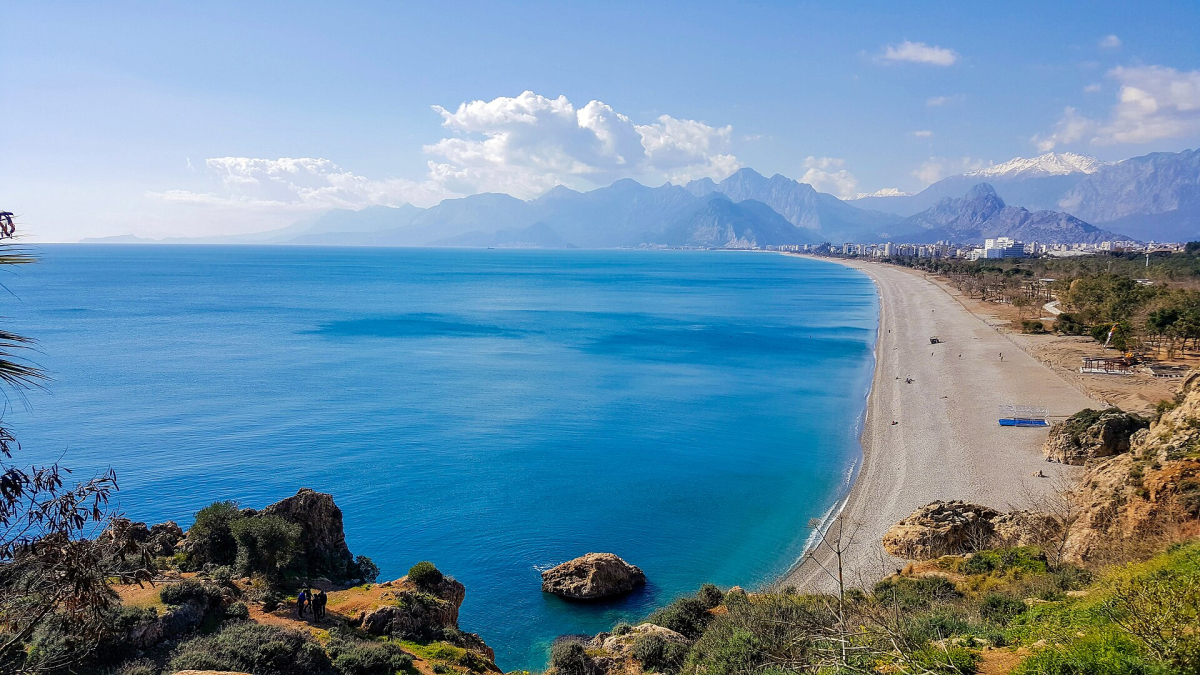
Antalya and the Turkish Riviera have long, hot summers and mild, wetter winters. The main beach season extends well beyond the peak months, especially in the southern coastal areas.
Weather on the Aegean Coast
The Aegean coast is also hot and dry in summer, though local winds can make some areas feel more comfortable. Spring and autumn are excellent for combining seaside towns with historical sites.
Black Sea Climate
The Black Sea region receives more rainfall than much of the country and supports lush vegetation. Weather can be cloudier and more changeable, especially near the mountains.
Check the Forecast for Your Stops
Seasonal descriptions are a planning guide, not a forecast. Check the Turkish State Meteorological Service city forecasts for each overnight stop shortly before travel. A forecast for Istanbul does not describe conditions in Cappadocia or on the coast. Reconfirm weather-dependent activities with the operator.
What to Pack
Pack according to route rather than country. A multi-region trip may require both light summer clothing and a warm layer. Comfortable footwear is essential for historic streets, ruins and uneven paths. For mosque visits, carry clothing that allows respectful coverage.
Month-by-Month Planning
March and April
These months can be excellent for city and cultural travel, but weather remains variable. Carry layers and rain protection, especially in Istanbul and inland regions.
May and June
Late spring and early summer are strong all-round months. Coastal areas are warming, daylight is long and many inland destinations remain comfortable for sightseeing.
July and August
These are peak beach months. Expect heat in the south and west, stronger demand for coastal hotels and very warm conditions at exposed ruins.
September and October
Sea temperatures often remain pleasant while daytime heat becomes easier to manage. This is one of the best periods for combining coast and culture.
November to February
Winter is better suited to city travel, food trips, museums and selected snow destinations than to a classic coastal holiday. Travelers should prepare for rain, wind and short daylight hours.
Weather and Hot-Air Ballooning
Cappadocia balloon flights depend on safe wind and visibility conditions. A calm-looking morning does not guarantee operation because aviation authorities consider conditions across the flight area. If ballooning is a priority, schedule it early in your stay so there is time to rebook after a cancellation.
Weather and Archaeological Sites
Ancient sites often have limited shade. In warm months, arrive close to opening time, carry water, wear sun protection and avoid planning the most exposed site for the hottest part of the afternoon.
Plan Around the Season
Weather should influence not only what you pack but also where you stay and how you travel. Compare regions in Top Destinations in Turkey, then use the Turkey Transportation Guide to plan connections.
Match the Season to the Main Reason for Travelling
| Priority | Useful period to compare | Compromise |
|---|---|---|
| City walking and ruins | Spring and autumn | Rain remains possible; inland evenings need layers |
| Coastal swimming | Late spring to early autumn | Water temperature and resort operations vary by bay and month |
| Southwest hiking | Cooler spring and autumn dates | Check heat, fire restrictions and water availability |
| Black Sea landscapes | A region-specific summer or shoulder-season plan | Rain and mountain cloud can occur during a summer trip |
| Winter culture | A city or focused inland itinerary | Short daylight and snow can alter transfers |
Sea Temperature Is a Separate Decision
A warm afternoon does not necessarily mean comfortable swimming, particularly early in spring. Compare the exact coast and hotel facilities rather than buying a country-wide “beach season” promise. For a family stay, ask whether pools are heated, when outdoor services operate and whether the beach has lifeguards at your travel dates. Late autumn can work for a coastal walk even when it no longer suits the swimming holiday you imagined.
Leave a Weather Alternative in Each Base
In Istanbul, use a wet day for indoor cultural visits and a long meal, then leave the waterfront walk for better visibility. In Cappadocia, reserve several mornings if a balloon flight is important, but keep a ground-based plan you would enjoy without flying. Along the coast, do not schedule a boat departure as the only way to reach the next accommodation. Wind can affect a sea trip even when the hotel terrace feels pleasant.
The Turkish State Meteorological Service provides official city forecasts. Check alerts and local instructions as well as the temperature. A city-centre forecast cannot establish the conditions on an exposed mountain ridge. For a route involving several regions, pack one adaptable set of layers and confirm your accommodation's heating or air conditioning where it matters.
Plan the Day around Light and Heat
In the warmest months, separate an exposed ruin from the longest walk. Visit the principal outdoor site early, allow a sheltered midday break and keep the afternoon flexible. Winter requires the opposite discipline: place longer road legs and unfamiliar paths within daylight rather than assuming a summer-length day. Our photo planning guide explains how light and access affect the choice of a viewpoint.



