
TÜRKİYE · COUNTRY GUIDE
Things to Do in Turkey: Experiences and Visit Planning
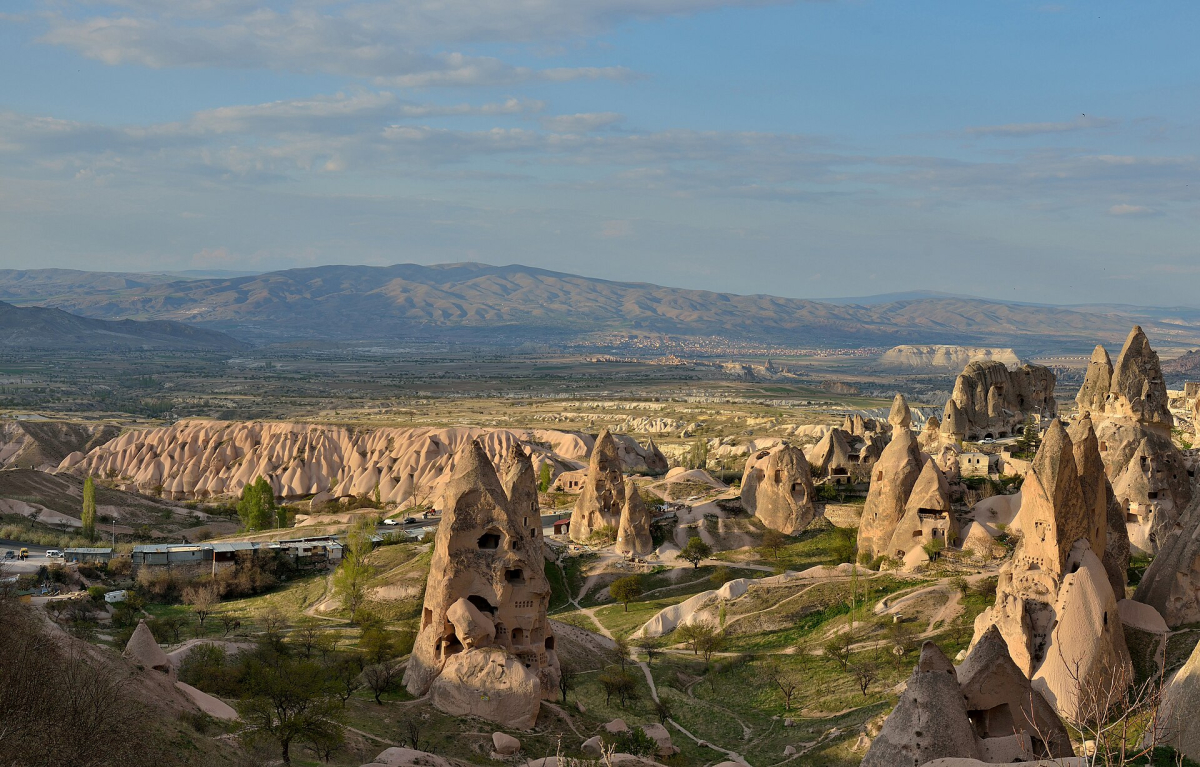
Choose one main experience for a day and leave room for transport, meals and the surrounding neighbourhood. The descriptions below distinguish a public outing from an optional booked activity. Times, access and ticket inclusions should be checked with the actual operator.
The best things to do in Turkey range from world-famous landmarks to simple local experiences: riding a ferry across Istanbul, walking through an ancient city, eating breakfast slowly, hiking a valley in Cappadocia or swimming from a quiet Mediterranean beach.
Explore Istanbul’s Historic Peninsula
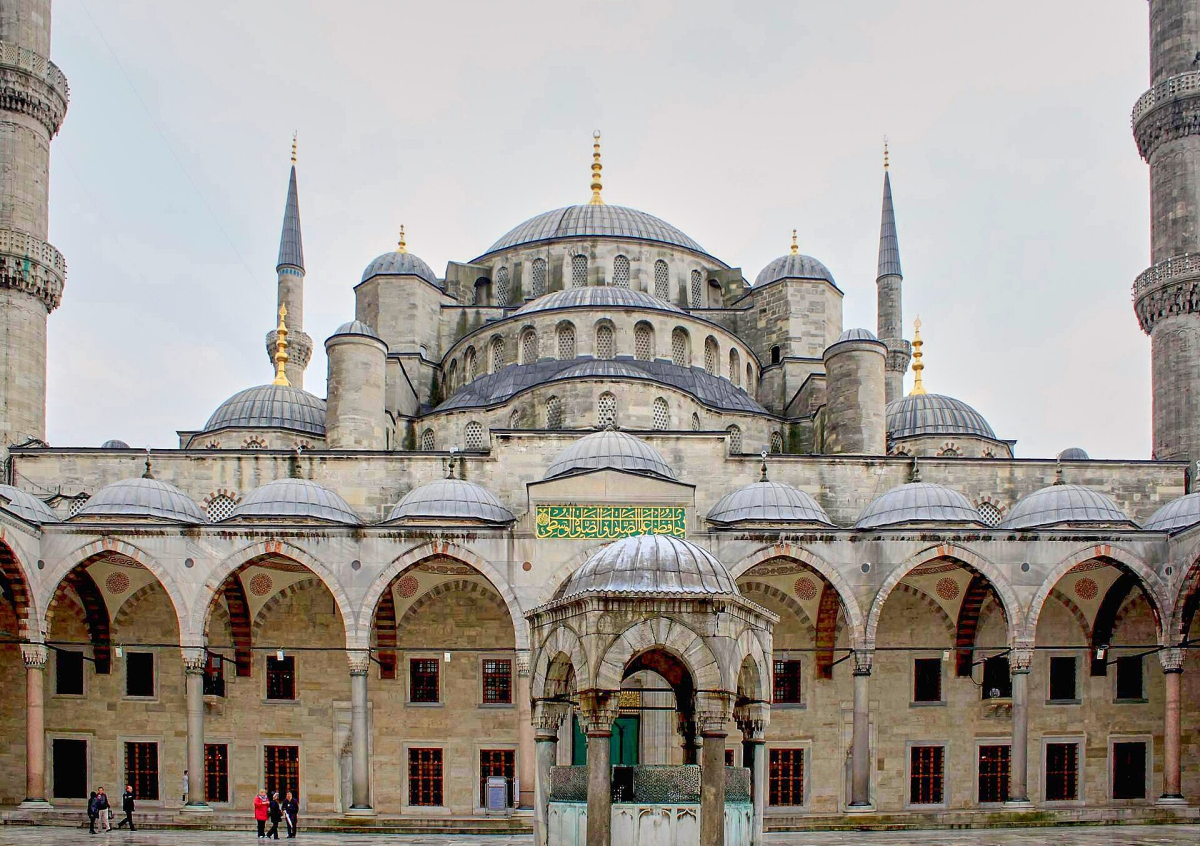
Group the visits into a walkable day, with one principal ticketed monument and room for the streets between it and the next stop. A palace, an active mosque and a cistern have different admission arrangements. Check the operator for current tickets and opening hours. At religious sites, follow staff directions about clothing, prayer and photography. A guided visit can add historical context, but it does not automatically include every monument mentioned in a tour title.
Hagia Sophia, the Blue Mosque, Topkapı Palace and the Basilica Cistern are among Istanbul’s defining landmarks. Arrive early, dress appropriately for active religious sites and leave time to walk between monuments rather than treating them as isolated stops.
Take a Bosphorus Ferry
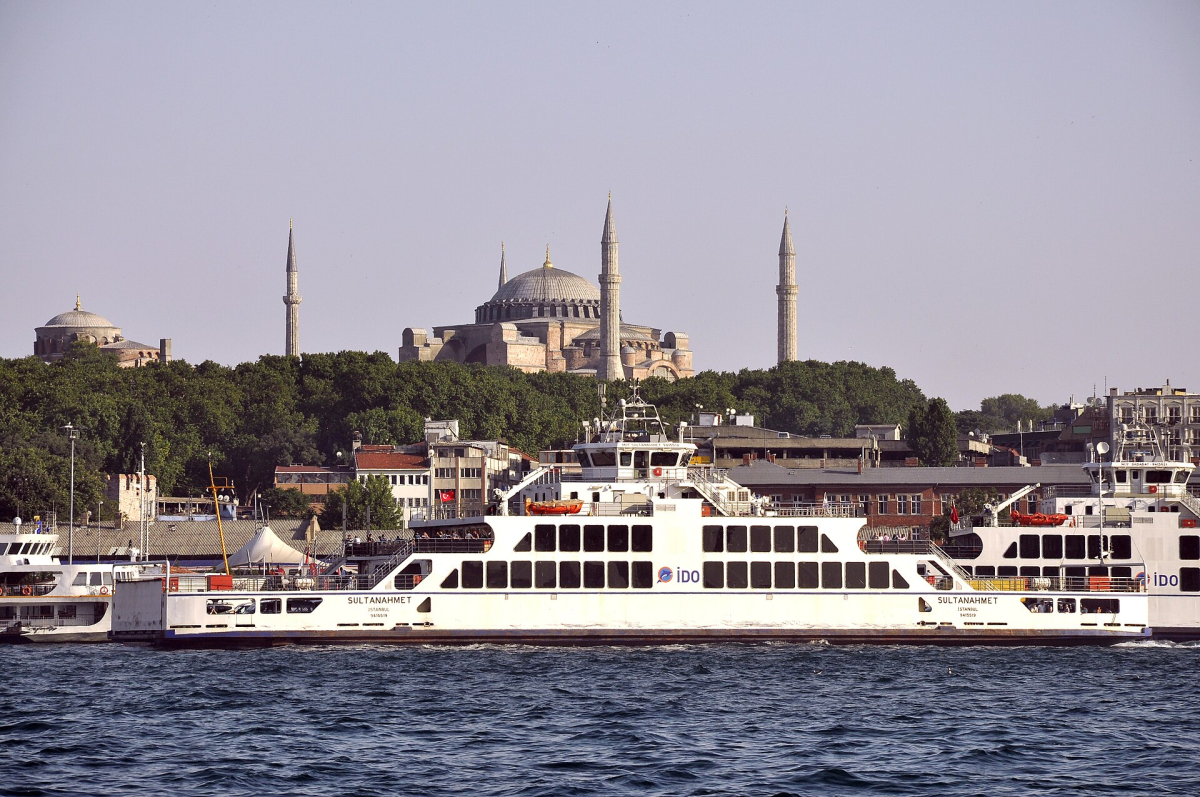
Choose a crossing when you want to travel between neighbourhoods, or a dedicated tour when the aim is a longer view of the strait. Check the exact pier and return with Şehir Hatları. Public commuter services and a private yacht cruise have different routes and inclusions. On a sightseeing cruise, read the duration, departure point and cancellation terms. Keep the evening transfer back to the hotel separate from the time advertised aboard the boat.
A public ferry is one of the easiest ways to appreciate Istanbul’s geography. The journey reveals palaces, waterfront neighborhoods, mosques, bridges and the divide between Europe and Asia.
Compare an optional Bosphorus sunset yacht cruise
We may earn a commission if you book through our GetYourGuide links.
Walk the Valleys of Cappadocia
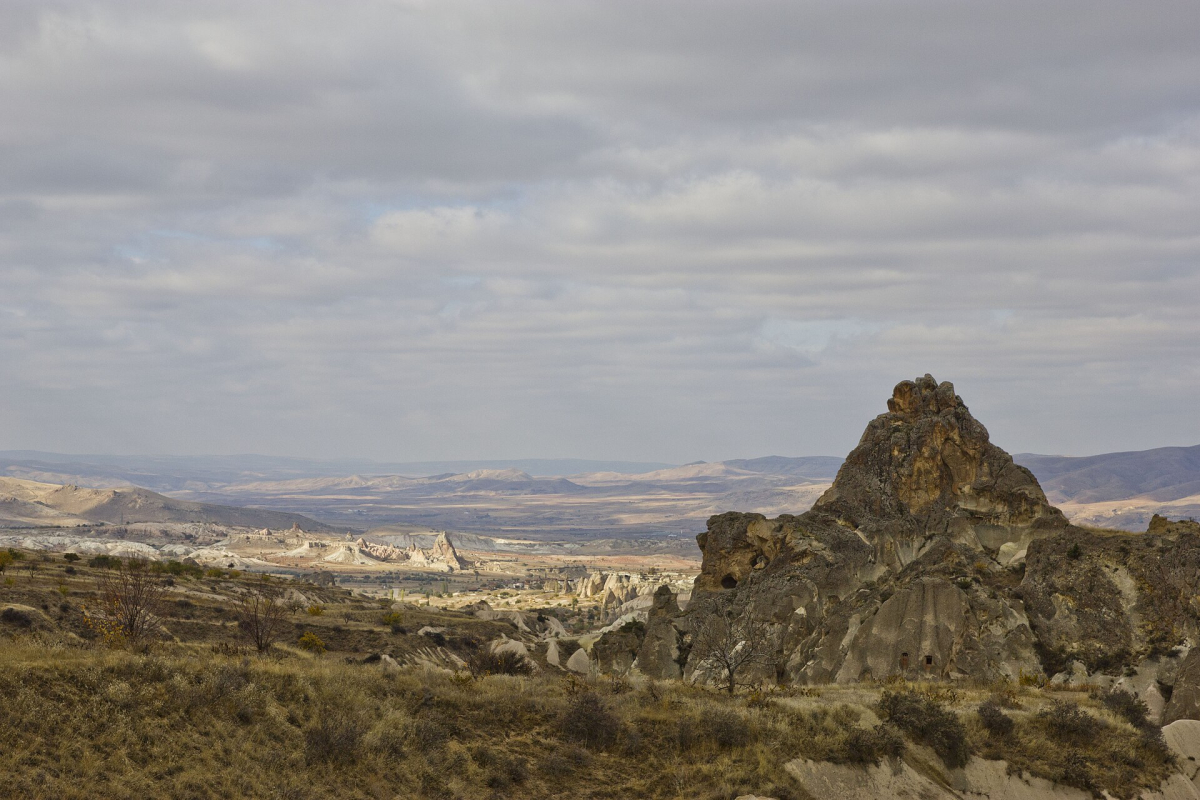
Choose a current, described trail that suits your footwear and fitness, and leave daylight for the return. Dry-looking ground can be loose, while rain can make some surfaces slippery. Carry water and an offline map; do not follow an unmarked shortcut into a rock-cut structure. A locally guided valley outing can help with navigation and interpretation. A tour combining Ihlara and Selime is a separate full-day journey, not a substitute for every walk near Göreme.
Cappadocia is not only about balloon flights. Rose Valley, Red Valley and other walking routes reveal rock formations, cave structures and viewpoints that are easy to miss from a vehicle.
Compare an Ihlara Valley full-day guided tour
We may earn a commission if you book through our GetYourGuide links.
See Cappadocia from the Air
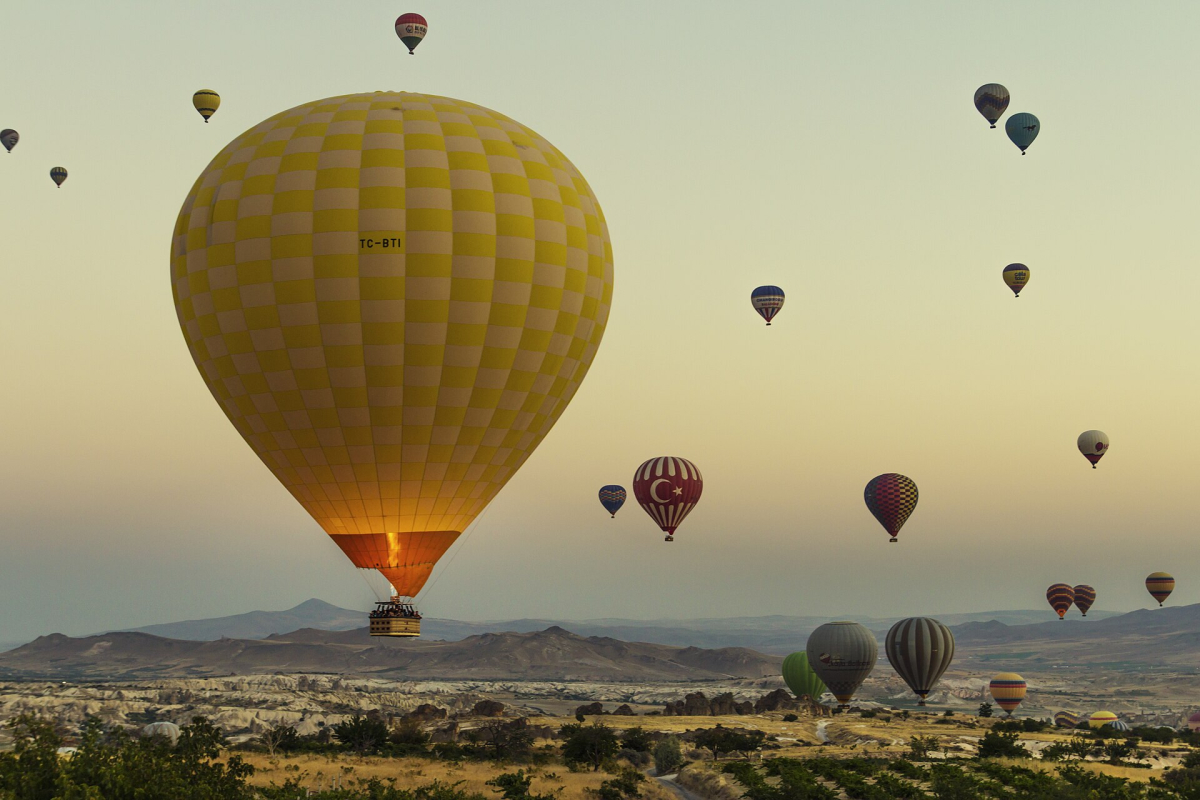
Arrange the flight early in a stay of several nights, so a cancellation does not automatically eliminate the possibility of flying. Confirm the actual launch region: a flight advertised under the Cappadocia name does not always use the same valleys. Read transfer arrangements, passenger restrictions and refund conditions. Ground views remain worthwhile if aviation conditions prevent departure. Do not treat a hotel rooftop image as evidence that balloons will fly over that terrace every morning.
Hot-air ballooning is one of Turkey’s best-known experiences. Flights depend on weather and aviation safety, so build flexibility into your schedule rather than booking a single early morning with no backup day.
Visit Ephesus
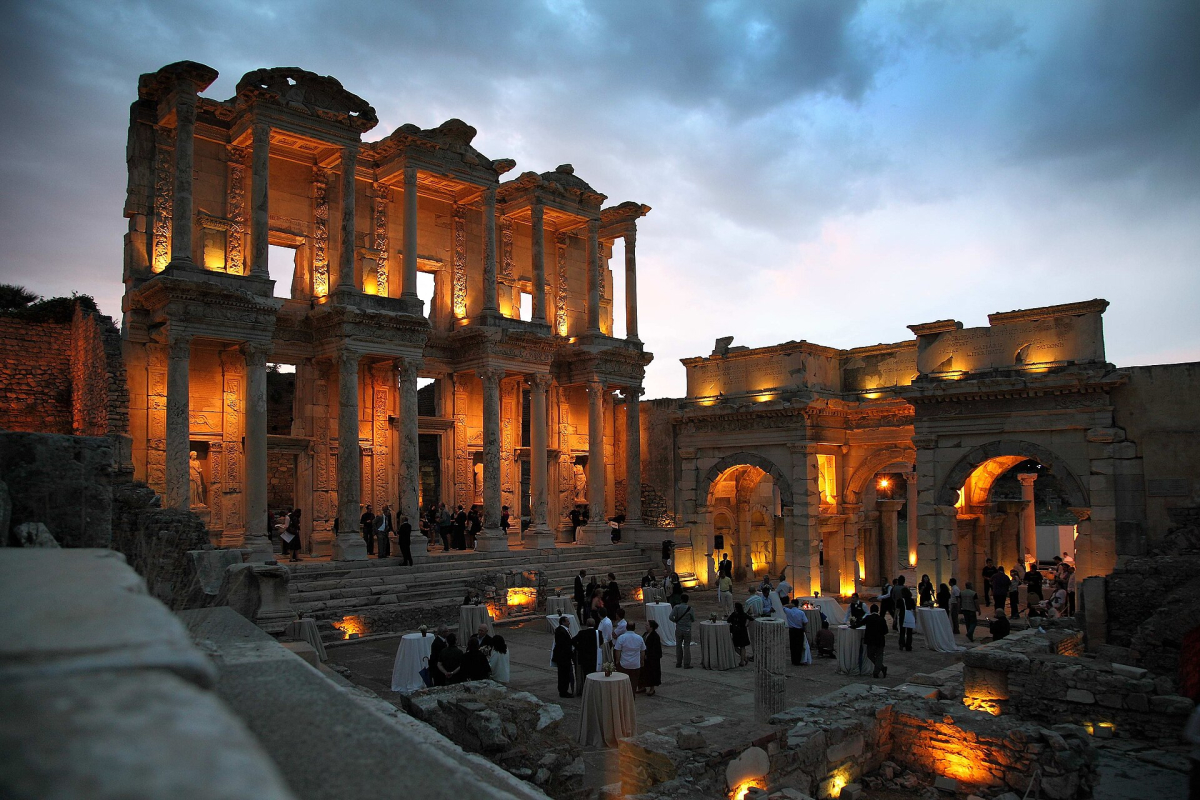
Choose the walking direction and entrances with the official site information and your transport arrangement in mind. Bring water and suitable shoes, and allow a quieter indoor or shaded break afterwards in warm weather. Check which optional sections are included in the ticket. A visit from Selçuk is different from an excursion starting far away in a coastal resort. Compare the actual driving day, not only the time spent inside the ruins.
Ephesus offers one of the country’s most impressive archaeological walks. Go early in warm months, carry water and allow enough time to appreciate the broader site rather than rushing between photo stops.
See Pamukkale and Hierapolis
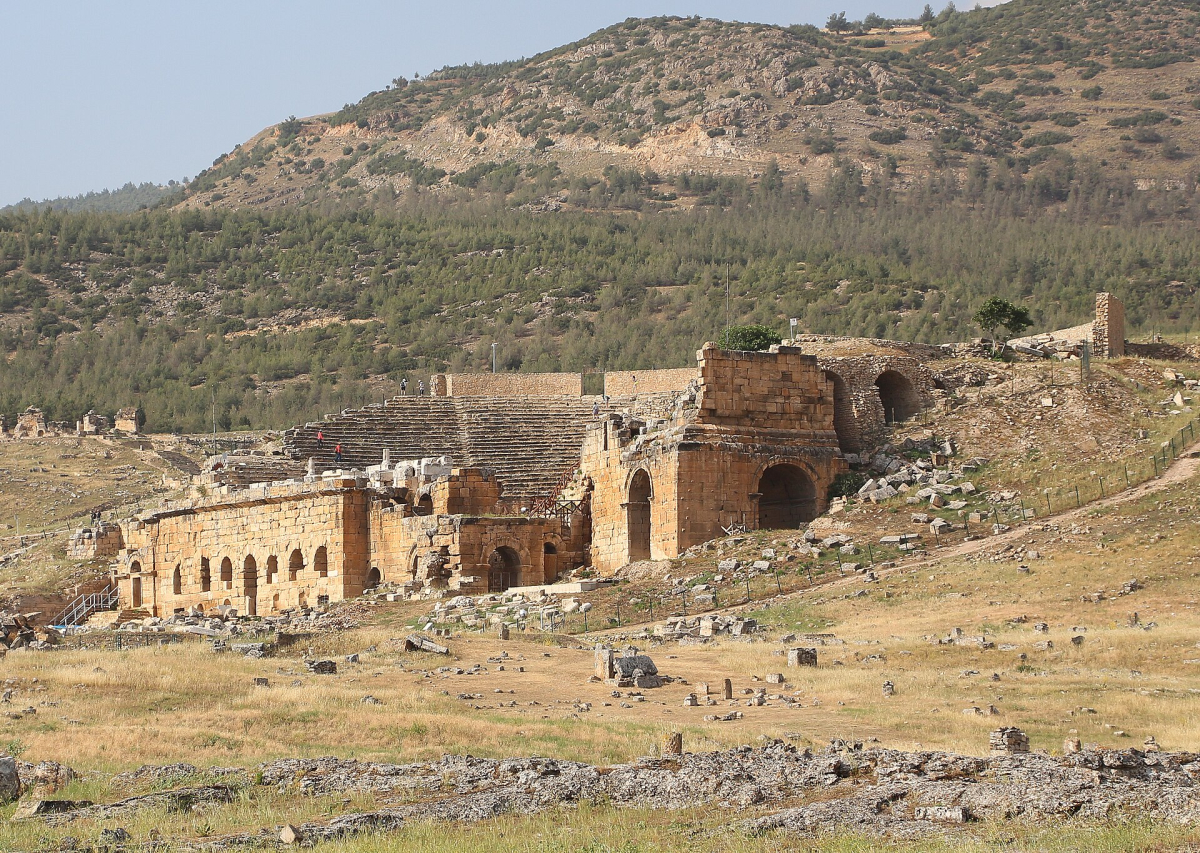
Use the permitted visitor route and follow instructions intended to protect the terraces. The ancient city involves additional walking and is worth planning alongside the natural formations. Check current admission and whether optional experiences are operating before booking. Terrace appearance varies, so avoid purchasing a visit on the expectation of one exact photograph. A night nearby can simplify arrival, particularly if the alternative is a long return drive after an exposed outdoor day.
The white travertines of Pamukkale and the ruins of Hierapolis create an unusual combined natural and historical destination. Respect access restrictions designed to protect the formations.
Spend Time on the Turkish Coast
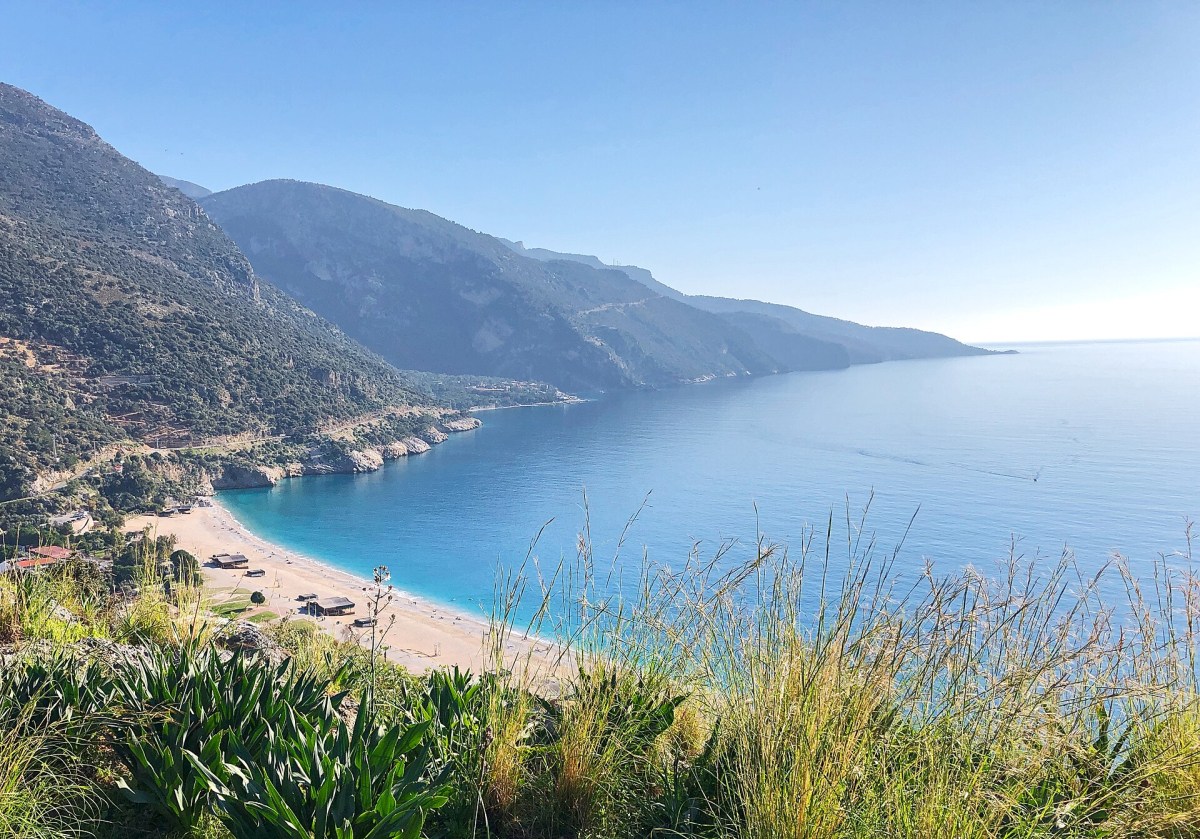
A coastal day can be a swim, a waterfront walk or time at a settled base; it need not include several beach transfers. Choose the bay for surface, shade and access rather than its colour in a photograph. Public access and beach-club services are different questions. Check conditions at the beach itself, and allow time to return before the last bus if you are travelling without a car.
The Aegean and Mediterranean coasts offer resort beaches, small coves, boat trips and historic towns. Fethiye, Kaş, Antalya, Bodrum and Çeşme suit different travel styles. See Beaches in Turkey for detailed coastal ideas.
Hike a Section of the Lycian Way
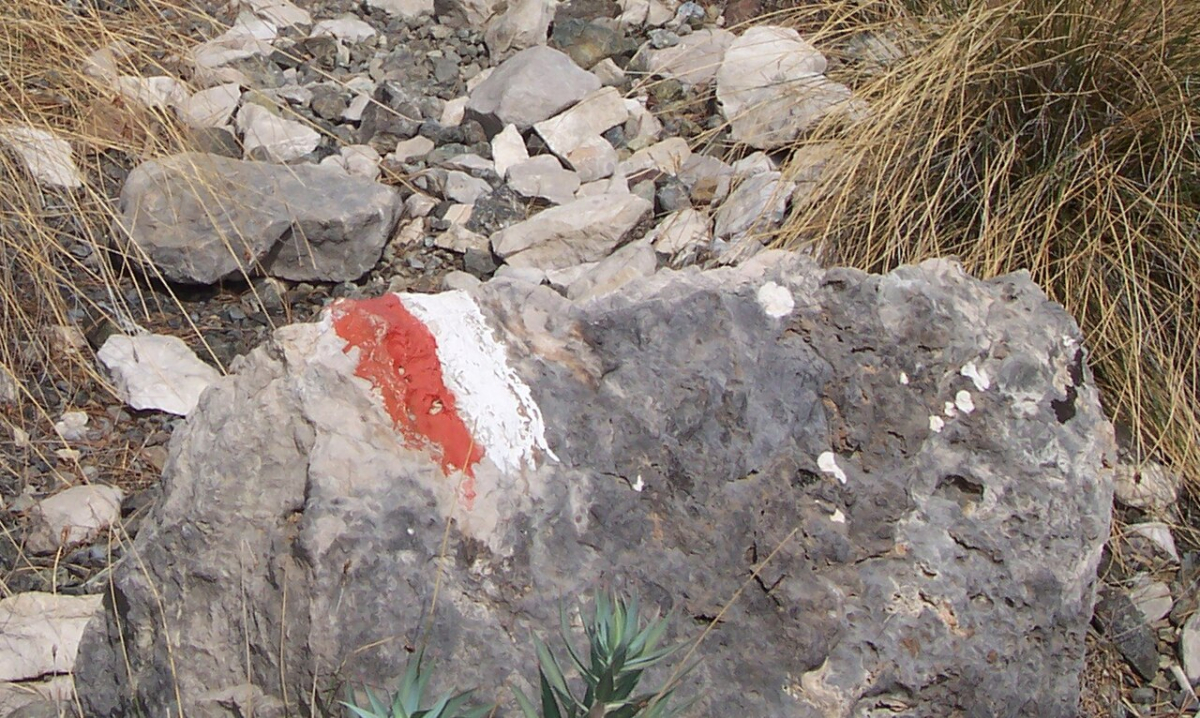
Select the particular start, finish and terrain before deciding the day is an easy outing. Ask about water, local closures and return transport. The long-distance route is not a single uniform path: a coastal section can be exposed and uneven. Leave a realistic buffer for the final connection and turn back when conditions deteriorate. See the Walking & National Parks section for the distinction between a short selected walk and a multi-day trekking trip.
The Lycian Way follows sections of the southwest coast through historic landscapes and coastal scenery. You do not need to hike the entire long-distance trail; day walks and short sections can fit into a normal itinerary.
Experience a Turkish Hamam
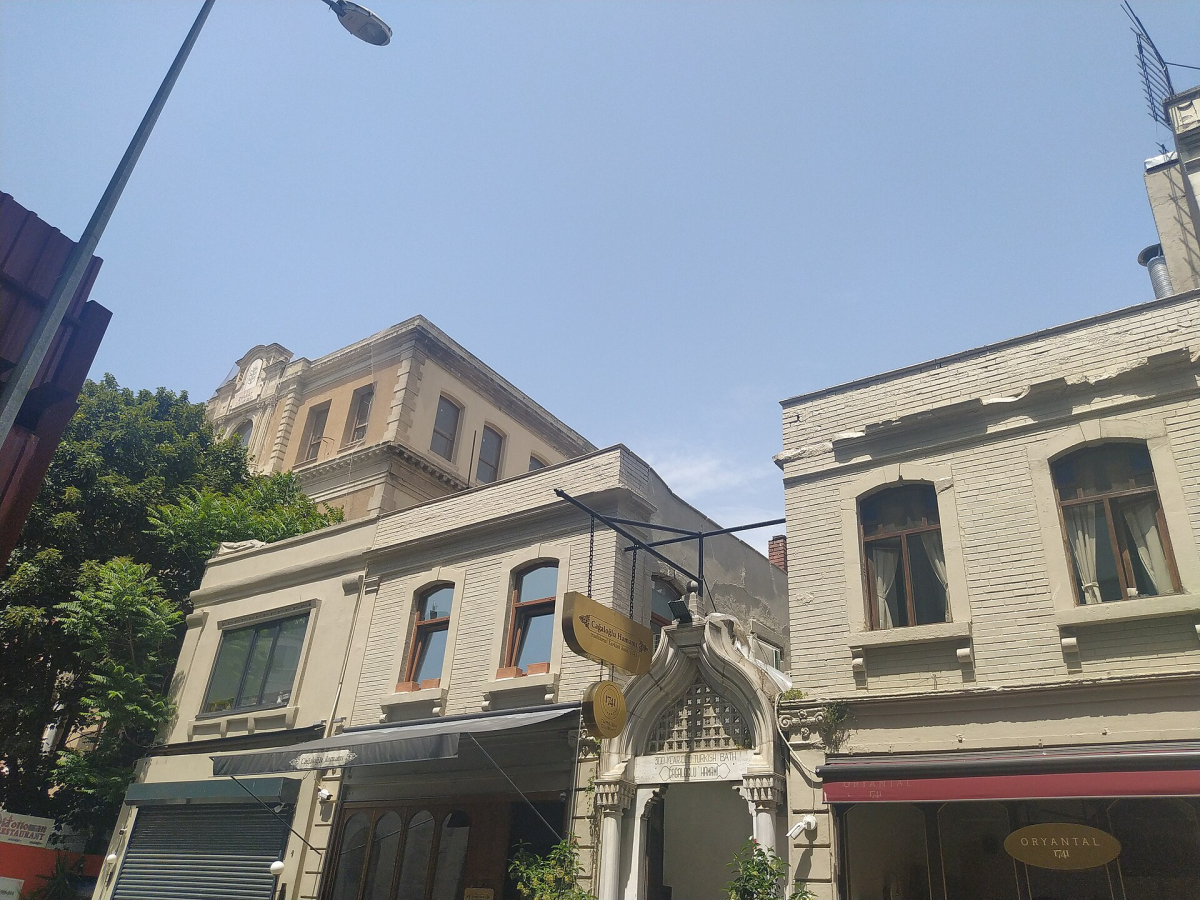
Choose the bath by the treatment and setting you want, then confirm booking, session arrangements and what is included. A basic entry, a scrub and a massage are different services. Check suitability with a qualified clinician if heat or treatment poses a concern for you. Follow staff instructions and leave valuables securely stored. Photography inside a bath raises privacy concerns; an exterior picture can be the appropriate record of the visit.
A traditional hamam can be both cultural and restorative. Historic baths in Istanbul and other cities range from local establishments to carefully restored visitor-oriented experiences.
Eat Beyond the Tourist Menu
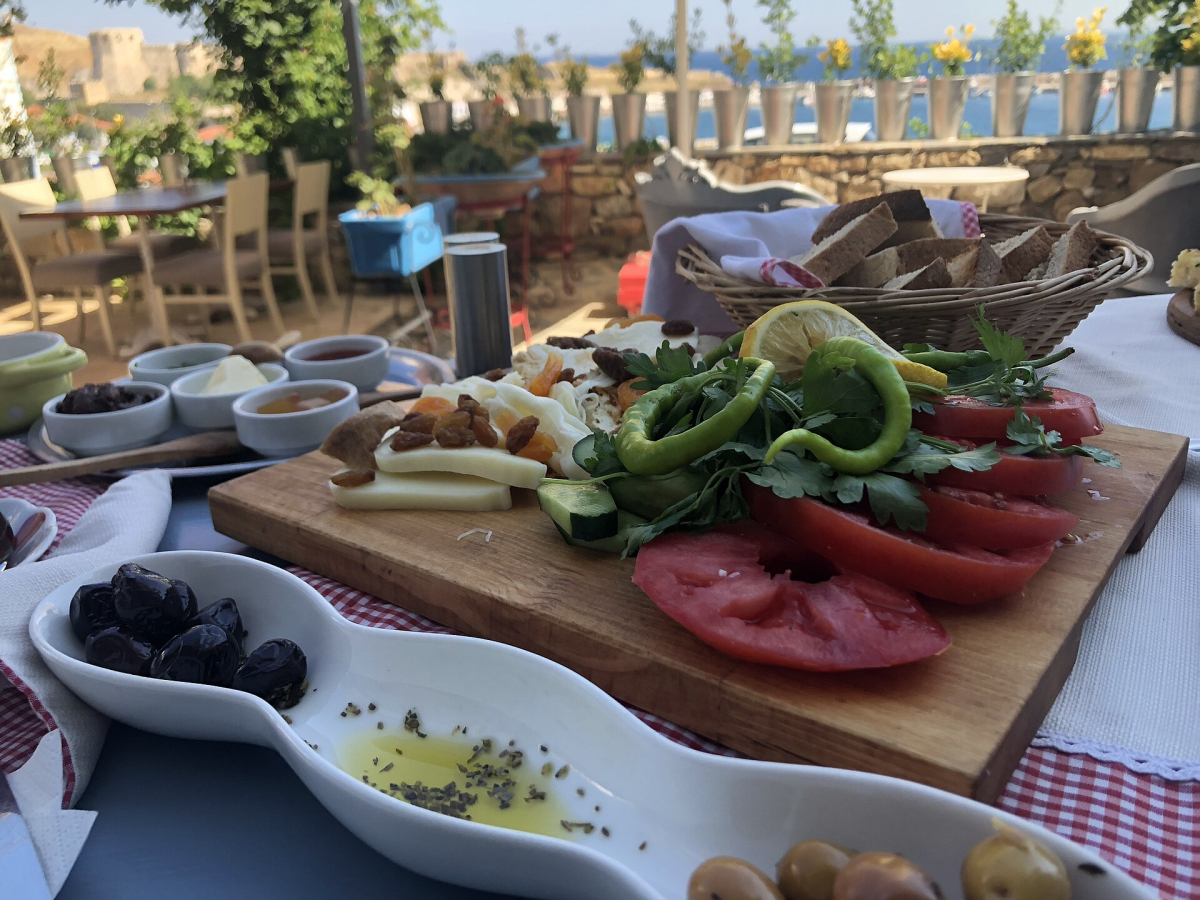
Make one meal a regional choice rather than ordering the same dish in every city. A lokanta can offer prepared home-style dishes; a meyhane creates a longer shared-table evening; a specialist pide restaurant serves a different need. Ask about portion size and ingredients, and use a written allergy explanation when necessary. A food tour is optional and should specify the neighbourhood, stops, language and what the ticket includes.
Try regional breakfast dishes, meze, pide, mantı, seafood, vegetable dishes, local desserts and market foods. The Turkish Food & Drinks guide explains what to look for.
Shop in Bazaars and Local Markets
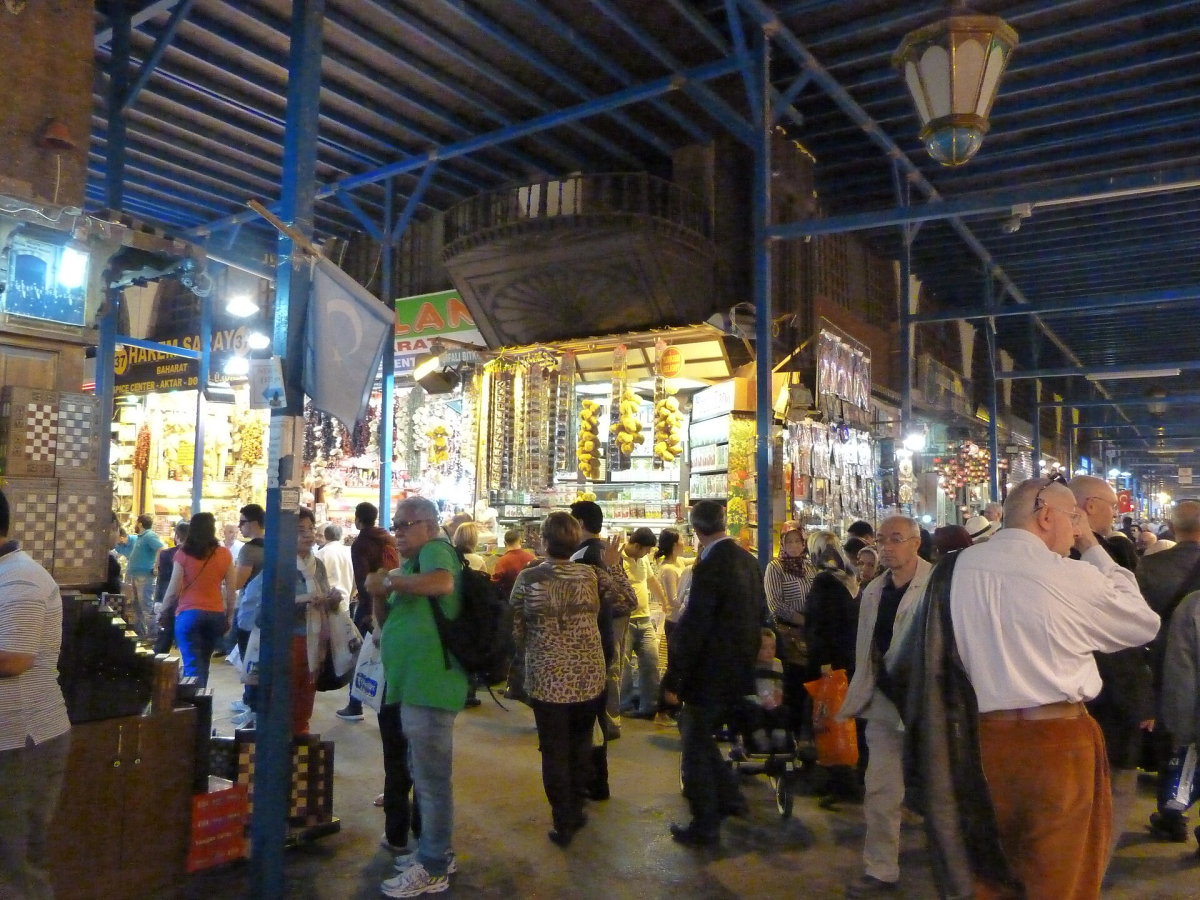
Set aside time to browse before making a high-value purchase. Compare materials and documented origin, and distinguish a contemporary craft from an old object that may have export restrictions. Ask whether prices are fixed or negotiable. Keep written shipping terms for bulky purchases and check customs rules for food gifts. A market walk is useful even without buying, provided you respect sellers and do not block ordinary trade for photographs.
Markets are useful not only for souvenirs but also for understanding local ingredients, textiles and crafts. Bargaining may be expected in some tourist-oriented settings but not in ordinary fixed-price shops. See Shopping in Turkey.
Visit Lesser-Known Archaeological Sites
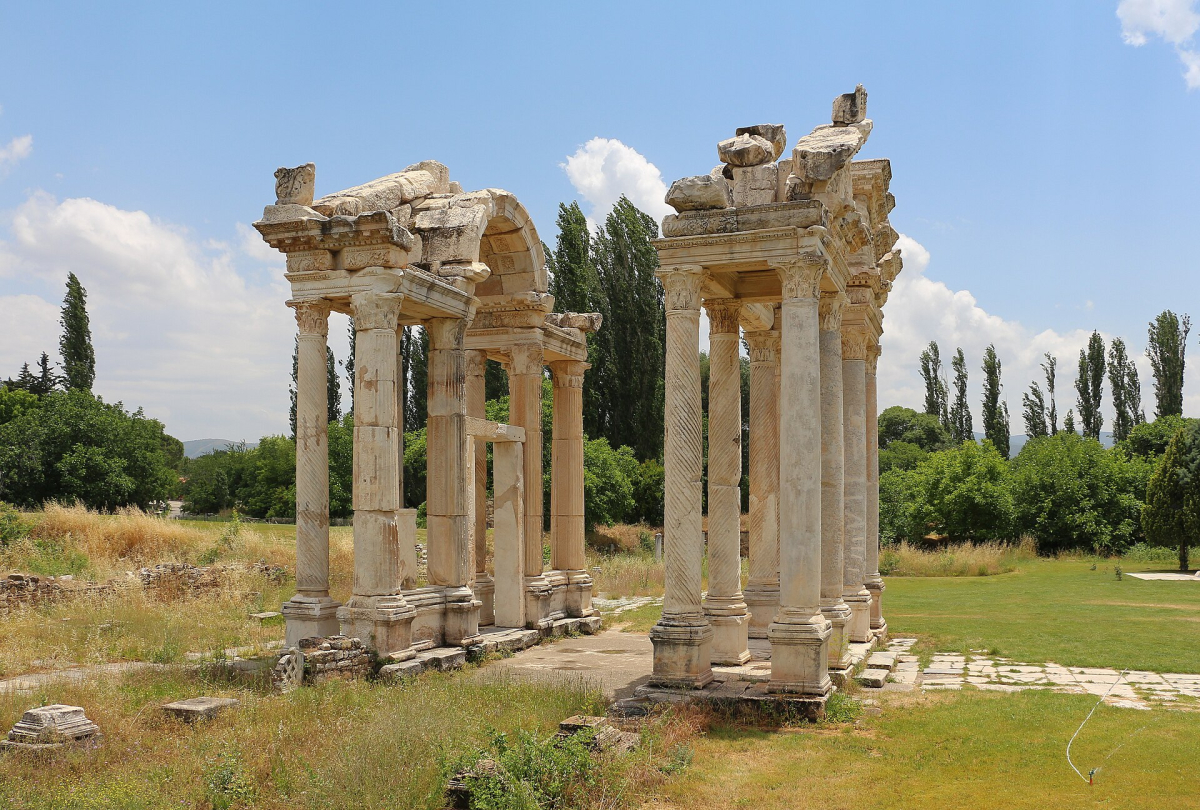
Choose one site that fits the route rather than adding several widely separated ruins. Aphrodisias, Pergamon and Troy have distinct histories and visitor arrangements. Check official opening hours, admission and transport for the actual site. A rental car can improve access but does not remove the need for rest, water and a safe return. Use heritage interpretation to appreciate what survives instead of comparing each place only with Ephesus.
Beyond Ephesus, Turkey contains an extraordinary concentration of archaeological places, including Pergamon, Aphrodisias, Troy and many smaller sites. Travelers with a car often have more flexibility to reach them.
Take a Coastal Boat Trip
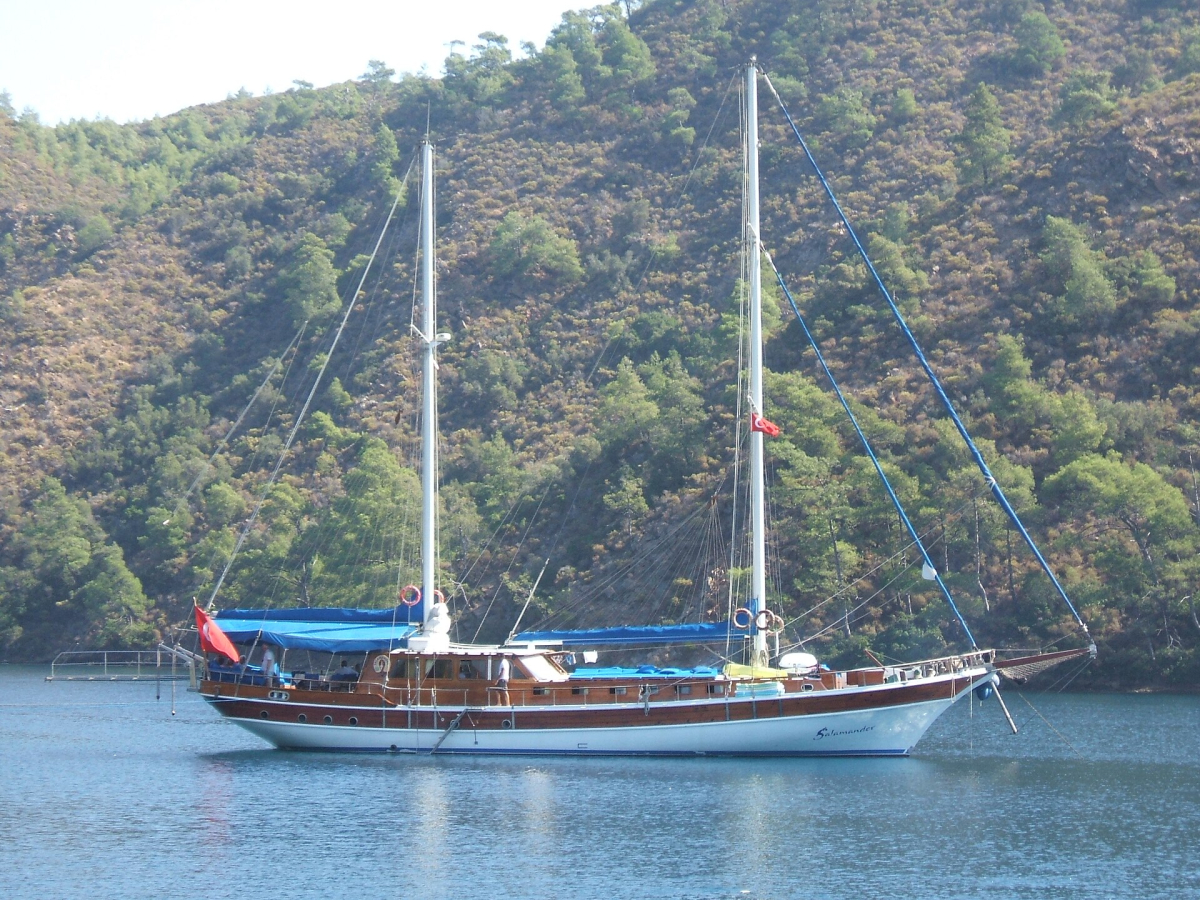
Read the proposed stops and distinguish a day excursion from a multi-night gulet itinerary. Ask about maximum passengers, shade, meals, swim access and what happens if wind changes the route. Do not assume every stop is suitable for children or non-swimmers. Follow the crew’s instructions and keep waste aboard until proper disposal. A protected bay is part of the landscape, not permission to disturb wildlife or archaeological remains.
Day cruises and multi-day sailing trips operate from many southwest coastal towns. Choose operators that explain safety procedures and environmental rules clearly.
Explore Contemporary Turkey
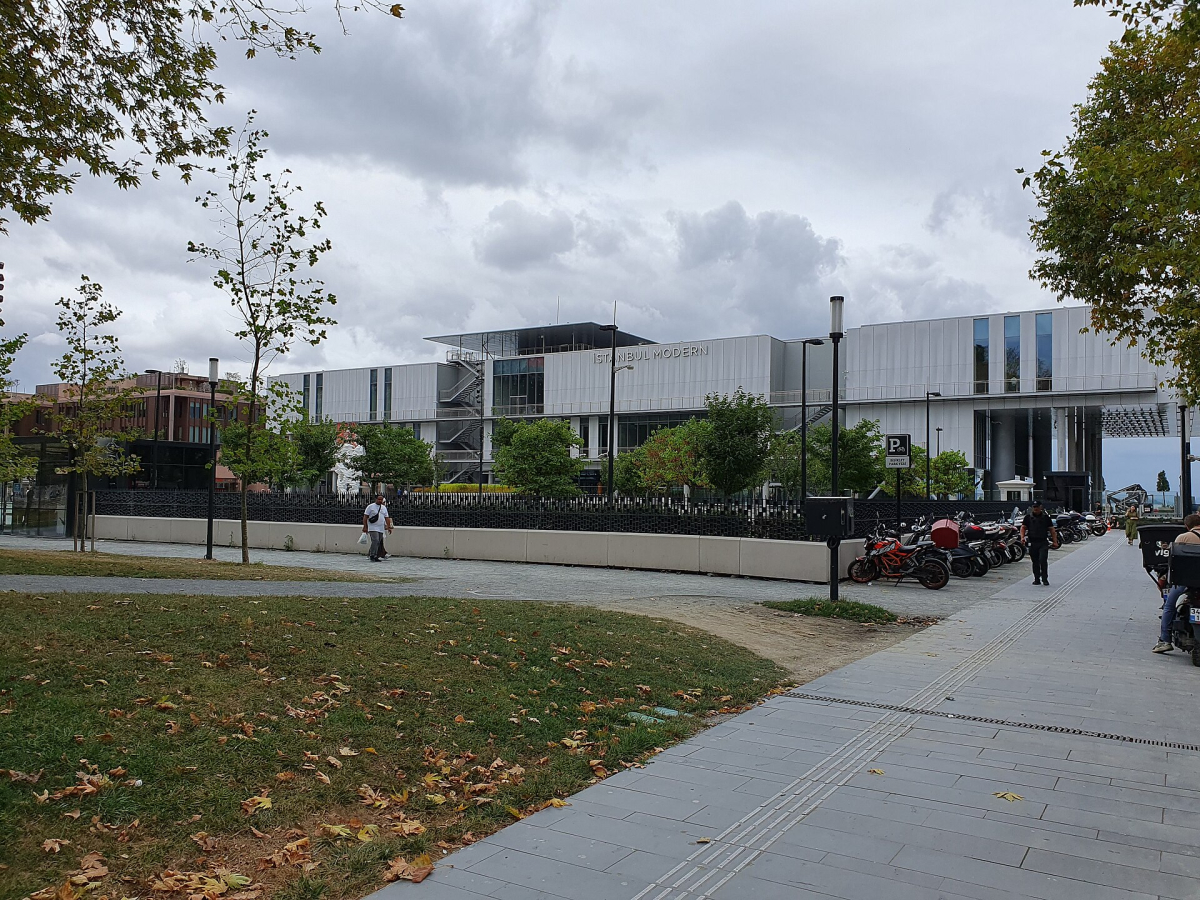
Pair a museum or gallery with a neighbourhood walk and meal rather than filling the day with unconnected institutions. Check the actual exhibition and opening programme with the operator. A building photograph does not establish what is currently on display. Istanbul Modern, for example, belongs to a contemporary cultural day, while Ankara’s archaeological collections support a different subject. Keep travel between venues realistic and leave time for the area surrounding them.
Do not limit a trip to ancient monuments. Istanbul, Izmir and Ankara have contemporary art spaces, design districts, music venues and modern food scenes that show present-day Turkey.
Visit a Local Market
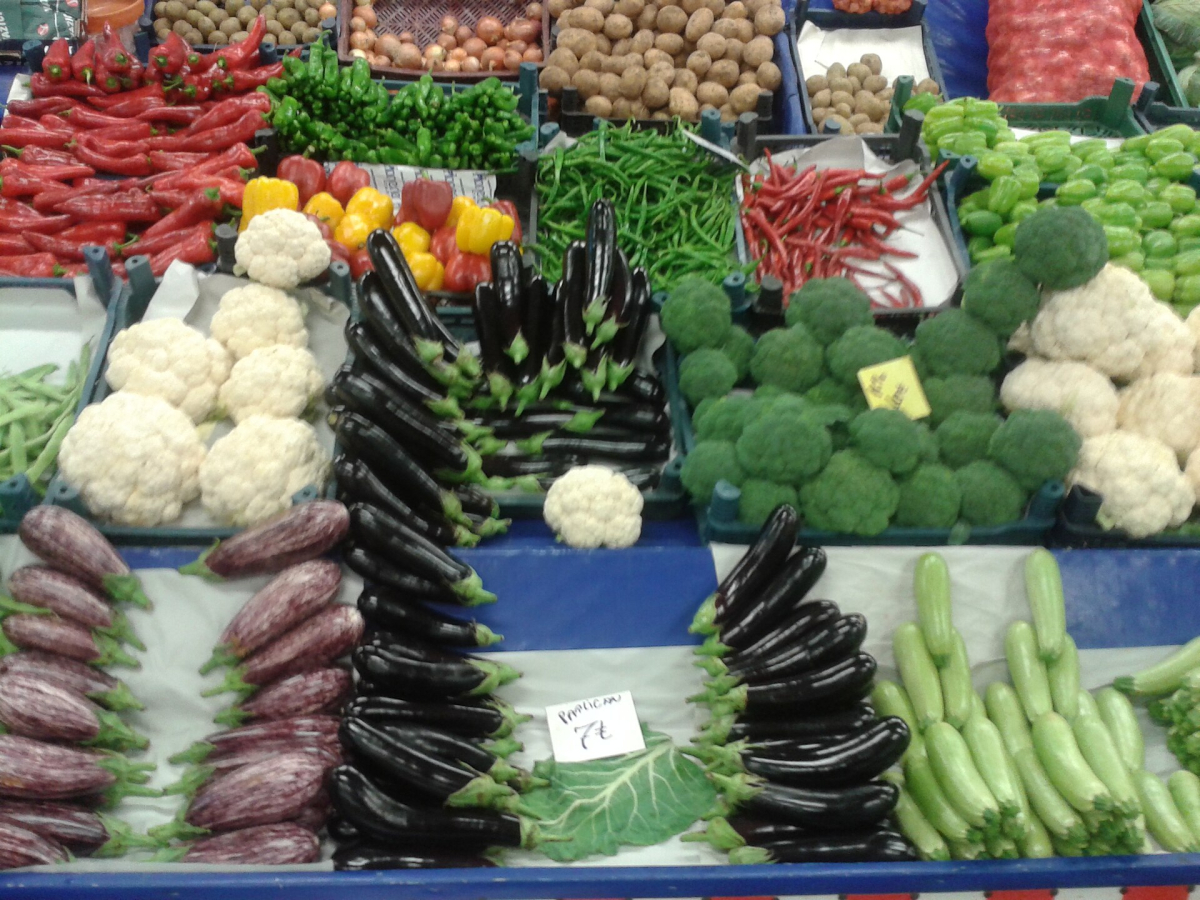
Ask which market operates on your intended day, then go to see local ingredients and ordinary shopping as well as souvenirs. Check the price basis before buying produce and ask before photographing people closely. Markets can be crowded, so keep belongings secure and avoid obstructing stalls. Food purchases need sensible storage for the rest of the day. If you are staying longer, a kitchen and nearby grocer make this experience more practical.
Weekly produce markets reveal regional ingredients, seasonal fruit, cheeses, olives and everyday shopping habits. They are often more informative than souvenir bazaars and can be good places to assemble a picnic.
Take a Cooking Class
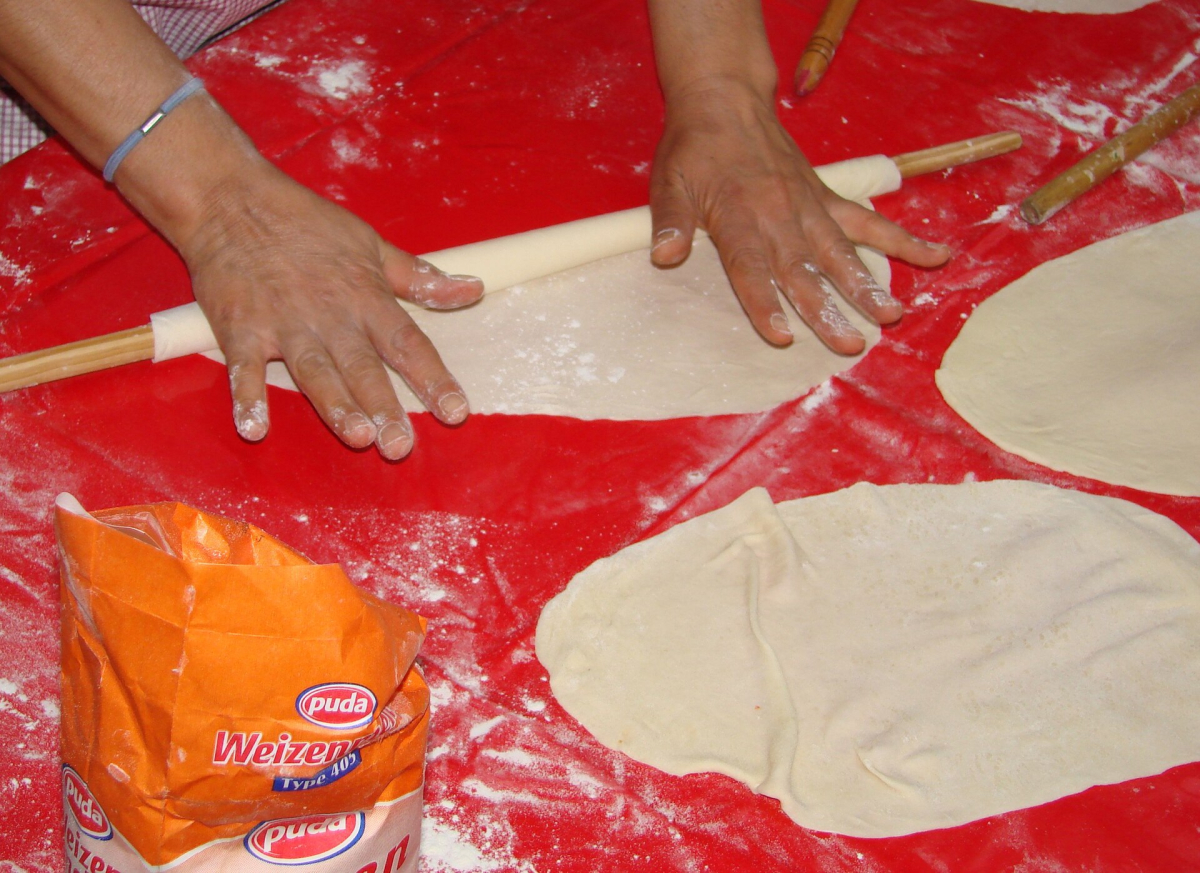
Choose a class that names the dishes, location, language and level of participation. A demonstration and a hands-on session are different experiences. Explain dietary needs before booking, and ask how ingredients and equipment are handled rather than assuming substitutions will be possible on arrival. Consider whether the class fits the region’s food traditions. Leave enough time afterwards to travel comfortably, particularly if the venue lies outside the main visitor neighbourhood.
Food-focused classes can introduce techniques and ingredients that are difficult to understand from restaurant menus alone. Choose small-group experiences that explain regional context rather than simply reproducing tourist dishes.
Visit a Museum
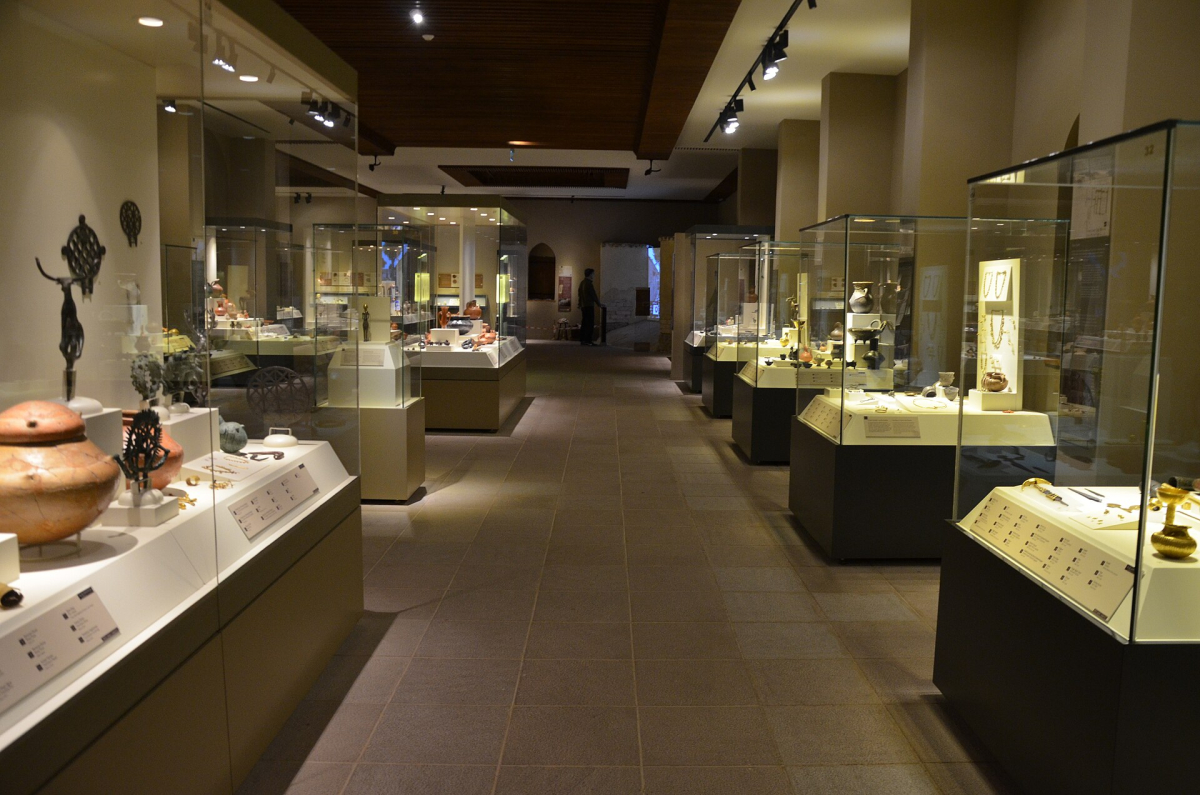
Choose the museum because its collection complements the route: archaeology, republican history, contemporary art or a local subject. Check current exhibitions, opening days and ticket arrangements directly. Museum passes may exclude particular institutions or sections. Avoid pairing several major collections in one day simply because they are indoors; attention and walking still take energy. Photography and tripod rules vary, so ask before unpacking equipment.
Turkey’s museums are essential for understanding archaeological sites. Istanbul Archaeological Museums, the Museum of Anatolian Civilizations in Ankara and regional museums near major ancient sites provide context that ruins alone cannot.
Explore Neighborhoods on Foot
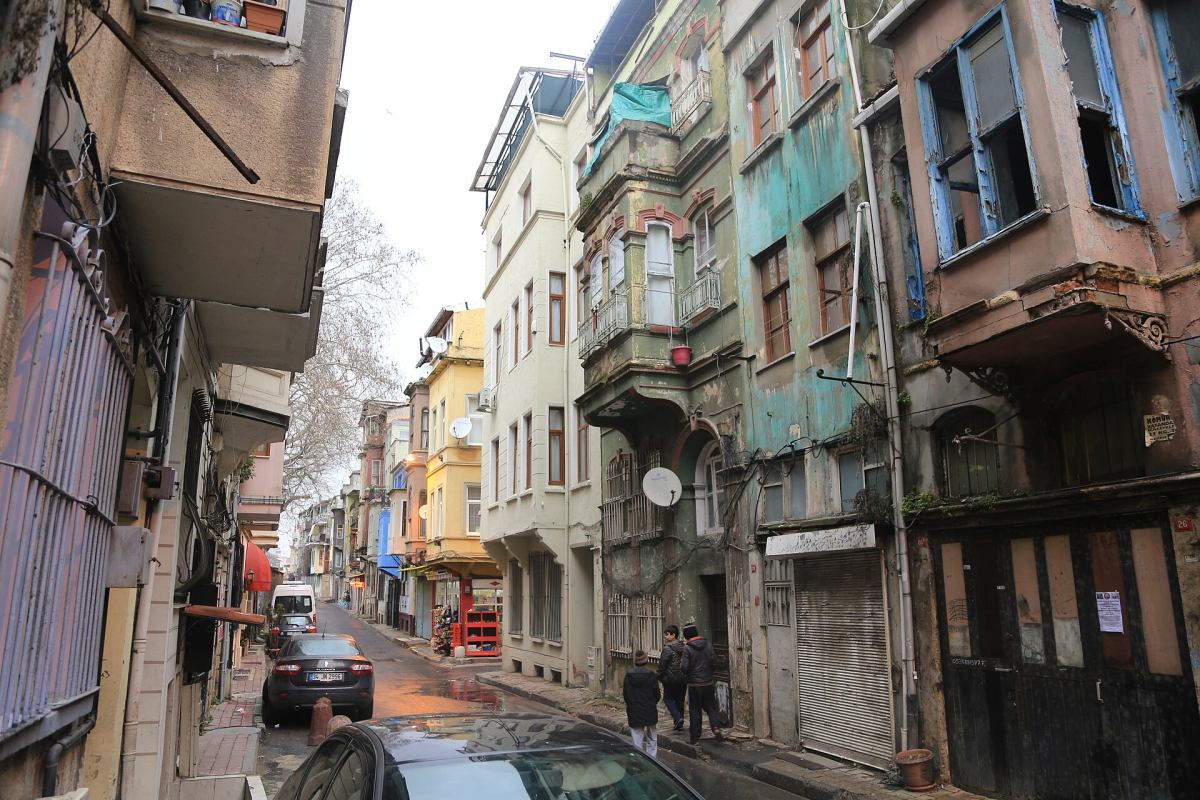
Choose one manageable area and approach it as a living neighbourhood. A walk through Balat, Kadıköy or Karaköy should leave room for local shops and residential streets without treating homes as a stage. Ask before photographing people and keep doorways clear. Steep streets and uneven paving can matter for mobility needs. If the weather changes, shorten the walk and use a nearby indoor stop rather than forcing a long cross-city itinerary.
Some of the best travel experiences require no ticket. Walking through Balat, Kuzguncuk, Kadıköy, old Antalya, Alaçatı or smaller historic towns reveals architecture, cafes and daily life beyond headline attractions.
Watch Sunset Responsibly
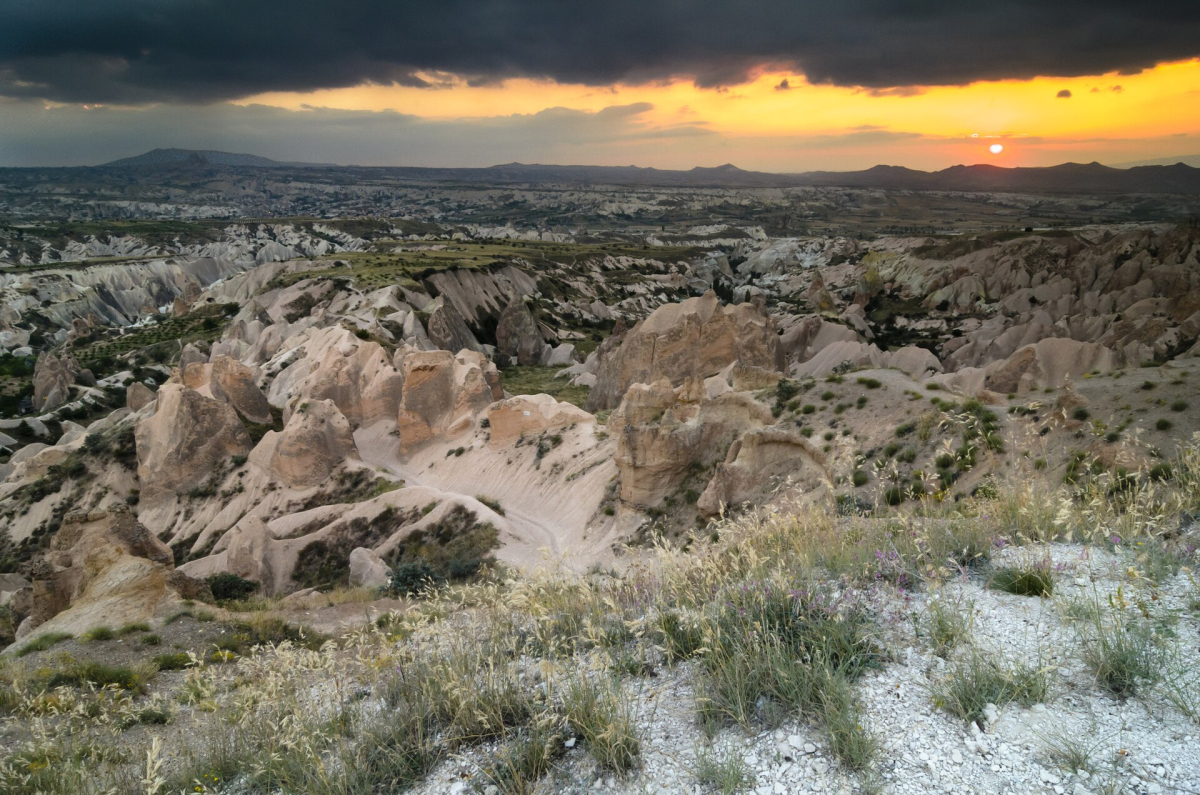
Choose a lawful, safe public viewpoint and arrive with time to understand the access before darkness. A good sunset photograph does not require climbing a barrier or entering a private terrace. Plan the way back, particularly at a coastal stop reached by minibus or a hill outside a town. Keep the visit quiet around homes and prayer spaces. Cloud can remove the expected colour; the place should still be worth visiting without a guaranteed image.
Popular viewpoints can become crowded. Arrive early, avoid blocking roads or private property and carry out all waste. In Cappadocia, respect marked paths and fragile rock formations.
Plan by Destination
Match these experiences with the places that suit them best in Top Destinations in Turkey. For transport between regions, use the Turkey Transportation Guide.



